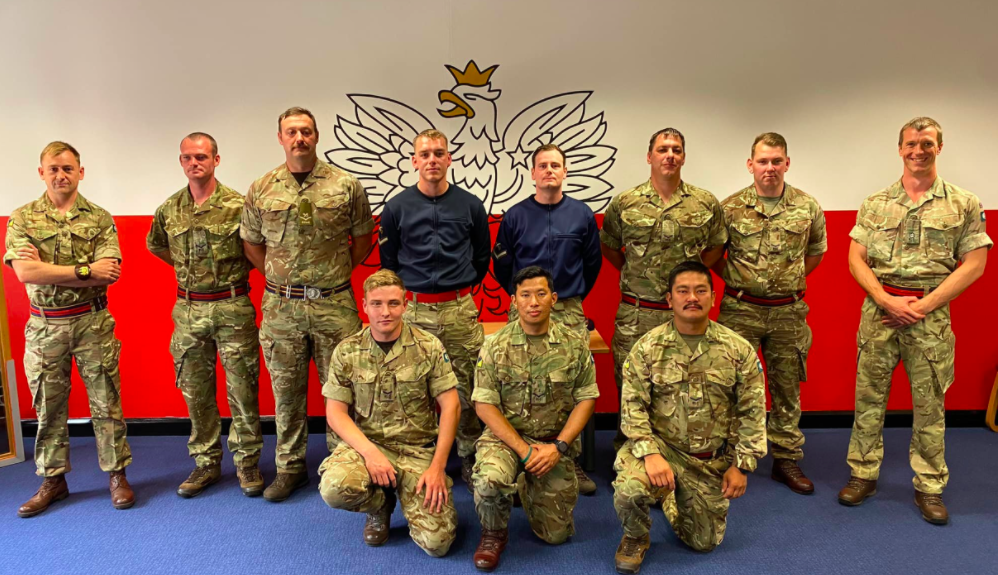
Although the 7Regiment perpetuates the tradition of the Anders army, including vivid patriotism and the defence of freedom, the military unit remains ill-known across the UK.
On the regiment’s official page, it can be read that highly trained soldiers “are ready to deploy anywhere at any time to meet a variety of challenges ranging from support to the police following a terrorist attack, to specialist capabilities such as bomb disposal and intelligence experts, 24 hours a day, 365 days a year.
7 Tank Transporter Column of the Royal Army Service Corps, was established in 1961, following the expansion of the transportation element of the British Army of the Rhine. In 1965, upon the creation of the Royal Corps of Transport, the unit was re-designated as the 7 Tank Transporter Regiment of the new corps.
The regiment later deployed subunits on Operation Banner, providing logistical support for the troops on deployment. In 1993, the regiment transferred to the newly created Royal Logistic Corps, as the 7 Transport Regiment at Antwerp Barracks in Sennelager.
The regiment continued to send sub-units on operations in Northern Ireland and Iraq over the coming years before being renamed 7 Regiment in 2008. Upon the British Army’s return from Germany, the regiment moved from Catterick Barracks in Bielefeld to Kendrew Barracks in Cottesmore, England.
British Poles contacted Chris Vickers, one of the 7 Regiment RLC’s members, to learn a bit more about his unit.
British Poles: Could you please introduce yourself to our readers?
Chris Vickers: My name is Christopher Stephen Vickers. I serve in 7 Regiment Royal Logistics corps which was formed from Poles residing in Britain after the Second World War. We retain our history and Polish heritage, including Polish patriotic symbols such as the eagle and the white and red colours.
BP: Are you somehow linked with Poland?
CV: I have a Polish wife, originally from Białystok. She has had family members serve in the Polish armed forces post-1945.
BP: What are the origins of the regiment?
CV: The regiment that I am a part of was initially created from the remnants of the Anders army, which was under British command during WWII. Poles did not want to go back to Stalin. Many of them stayed here in the UK and formed a regiment within the British army of the Rhine. That regiment today is known as 7 Regiment RLC.
BP: What is the philosophy that animates you? Which ideals shared by General Władysław Anders do you believe you are perpetrating up until this day?
CV: There is a great and quite famous expression in Polish that goes: “We do not beg for freedom, we fight for it!”. In our opinion, that says it all. The Polish spirit of the freedom fighter animates us with the same flame it did animate soldiers under Anders in the 1940s. We keep the flame alive up until this day.
BP: Do Poles living in the UK know about the existence of your regiment?
CV: Given the large amount of Poles here, I would say that only a tiny fraction of them have heard about us. Which is a shame! We have such an important story of Polish emigrants enrolling on the British army. Like it was the case from the 1940s. Soldiers fighting along Britain’s army originated from Canada, Australia, South Africa and of course Poland.
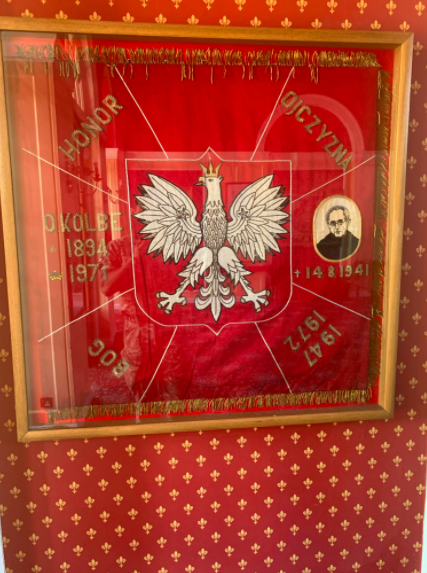
BP: Which interesting things are to be found within the headquarters of your British army regiment?
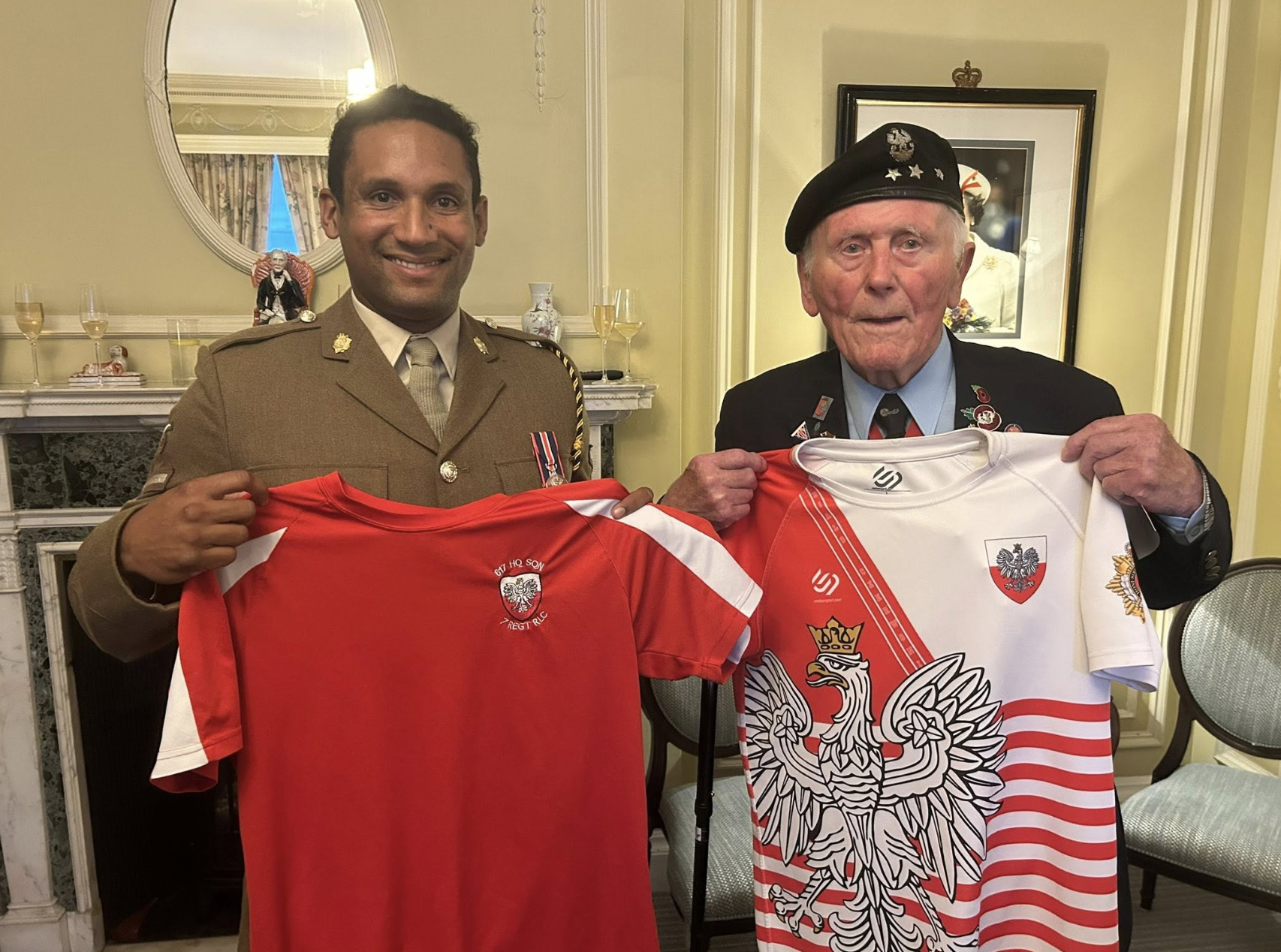
CV: We are in possession of precious artefacts depicting Polish historical figures and displaying national and patriotic symbols.
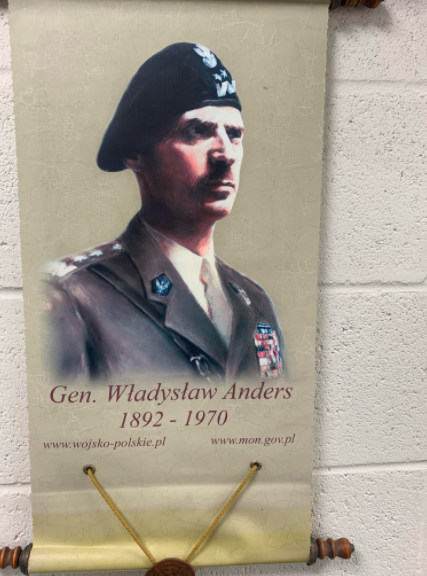
BP: Maybe this interview can give you some visibility…
CV: That would be great! We tremendously enjoy what we are doing with the regiment. And this joy is to be shared. The more people know about us, the better. We also want to raise awareness of our heritage within Poland itself.
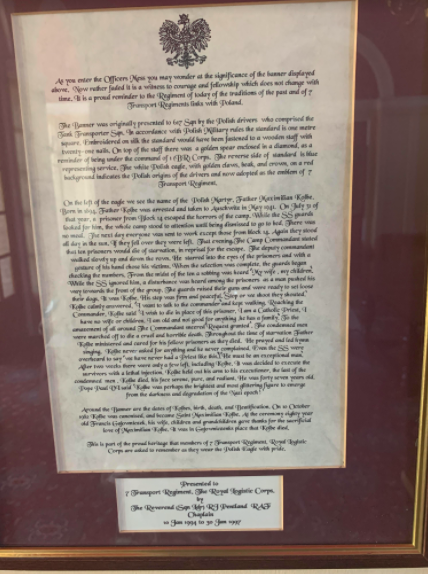
BP: Thank you for the interview.
Main image: Facebook (7 Regiment RLC)
Author: Sébastien Meuwissen