The „Megabit Bomb” festival, organised by the Stanislaw Lem’s Institute, was held in Cracow for the second time in September this year. The one-of-a-kind event brought together experts from the fields of culture, science, and technology to examine sustainability and climate change issues from every conceivable angle.
Some of the guests were prof. Jerzy Bralczyk, Małgorzata Chmielewska, Sylwia Chutnik, Filip Springer, Adam Wajrak, prof. Marcin Wiącek, Piotr Witwicki and prof. Karolina Wigura. A few notable guests from the United States and the United Kingdom were also invited.
“Megabit Bomb” festival commemorates the life of Stanisław Lem
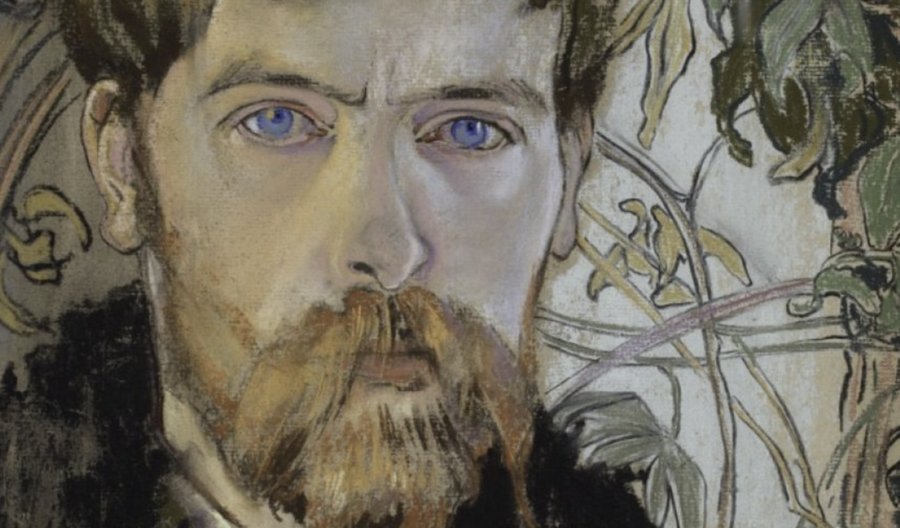
The festival was initially organised to pay tribute to the distinguished author, futurist, and philosopher Stanisław Lem (1921-2006), who would have turned 100 years old in 2021. During his lifetime, he has solidified his position as one of the most well-known Polish authors in the history of the country. In fact, „Megabit Bomb” was chosen as the name of the festival thanks to one of his works.
Lem predicted the development of virtual reality, artificial intelligence, human autoevolution, and a plethora of other technological advances in his philosophical work titled „Summa Technologiae.” Stanislaw Lem is primarily interested in culture, technological advancement, and scientific research, all of which are topics that are covered by experts from a wide range of disciplines. The whole festival, in keeping with Lem’s creative and forward-thinking nature, will bring together artists, scholars, businesspeople, and innovators to talk about future trends.

It is not a coincidence that the festival will be held in Cracow; the city was chosen for this honour due to its relation to Lem. The author was able to produce most of his works as well as spend the majority of his life here. The conference was held in the cutting-edge ICE Congress Center in the heart of the city.
Climate change and Sustainability
The agenda for this year included a significant majority of topics related to sustainability that were designed to appeal to a wide variety of audiences. Three thematic paths, Climate Classes, New Imagination, Everyday Revolution and Green Technologies, were selected.

The organisers hoped to discuss the climate crisis from a variety of perspectives and in broad contexts, beginning with what we eat and buy and proceeding through the most recent inventions that can respond to climate change and discussing the disaster’s global impact.
The Climate Roundtables are a brand-new and exciting addition to the festival, and their ultimate goal is to make a real difference in the world. These roundtables included presentations from civil society and pro-environmental activists. The results will be communicated with the hope of producing a policy outcome.
In addition, a global COINS conference that featured prominent MIT and Harvard scholars was organised. One of the distinguished attendees was Richard B. Freeman, a professor of economics at Harvard Law School and a well-known figure in the field.
UK guests show the positive impact of British educational institutions
Lem’s Institute, in collaboration with the Our Future Foundation, hosted a speaker panel of Polish students from top universities around the world, including Stanford, Yale, Berkley, and the University College London. During the discussion, the students acknowledged that Brexit would increase the number of Polish students choosing to study in other European countries rather than the UK.
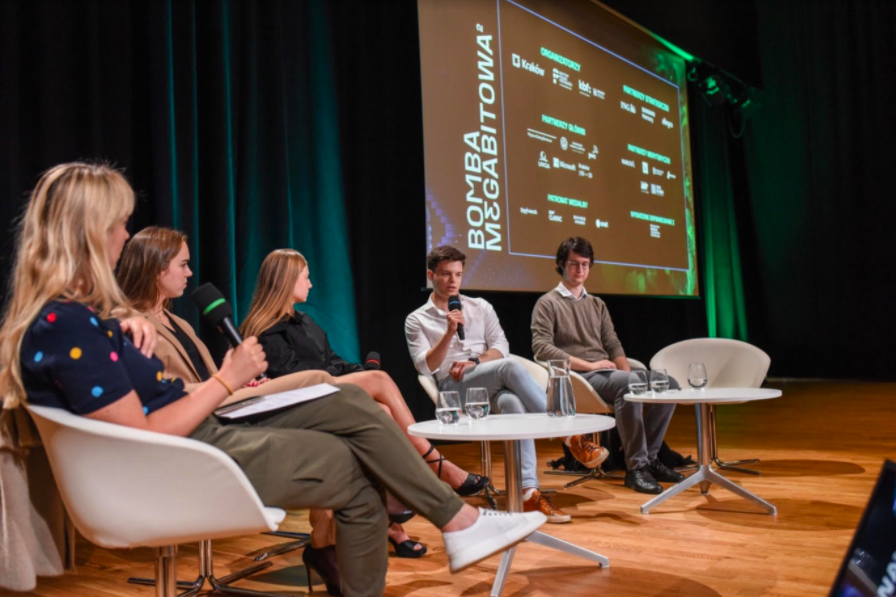
British Poles spoke with Kaja Posnik, one of the panellists, about her Neuroscience studies at UCL and high school education at Wrekin College in the UK. Kaja was chosen among Polish high school students and was awarded a full stipend to attend a British high school. This gave her a better understanding of the British education system and inspired her to continue her studies in the UK. Kaja mentioned how much she enjoyed being a part of the Polish society in London, which organises many events, including the Polish-led conference UCL Leaders, which she is the leader of for 2022-3. As Kaja currently resides in the United Kingdom, she observes that Polish culture and society, as well as Polish contributions to Britain, are being positively recognised in the United Kingdom.
„I believe my role as a foreign student returning to Poland is to share my perspective on the world and to encourage people who may never have left the country or even had opportunities in the country to pursue those opportunities.” (Kaja Posnik, September 2022)

Dominika Lasota, another graduate of a UK high school, spoke about activism during a conference panel. She previously attended Stonyhurst College, where she founded the Changemakers club and worked with the Hummingbird Project foundation. She is currently the Polish leader of the youth climate movement, Fridays for Future. During the conference, British Poles had the opportunity to speak with Dominika about her studies in the UK and her thoughts on climate policy in Poland and the UK. Our interview will be published soon.
The event organisers also hosted a Lem’s Planets Award Ceremony, where renowned figures from three fields, culture, technology, and science, were recognised for their innovation, vision, and trend-setting abilities. Artur Ekert, a renowned Polish-British professor of quantum physics at the University of Oxford’s Mathematical Institute, was one of the nominees.
Main Picture: Stanisław Lem’s Institute
Author: Marta Kakol
Marta has recently graduated from Utrecht University, obtaining a Bachelor of Science in Philosophy, Politics and Economics. Her interdisciplinary education allows her to apply multiple perspectives to complex political issues. She vocalizes her interest in public affairs in a multitude of ways, from journalistic writing to organising speaker events. She will soon continue her education by undertaking a Master’s in Politics Research at the University of Oxford.