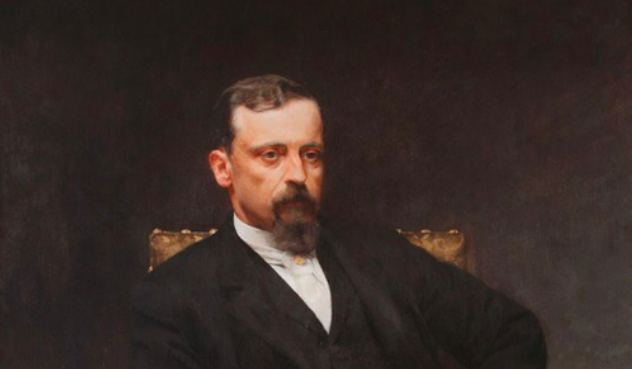
Henryk Sienkiewicz was a Polish novelist and journalist who is widely regarded as one of the greatest writers in Polish literature. He was born on May 5, 1846, in the village of Wola Okrzejska, in what is now Poland. Sienkiewicz’s works are known for their vivid descriptions of Polish history, patriotism, and national identity.
https://twitter.com/ipngovpl_eng/status/1654444909342982145?s=20
Sienkiewicz’s most famous work is his historical novel, „Quo Vadis,” which tells the story of a Roman general who falls in love with a Christian woman during the reign of Nero. The novel was first published in Polish in 1895 and quickly became an international bestseller, being translated into many languages. It is estimated that over 15 million copies of the book have been sold worldwide.
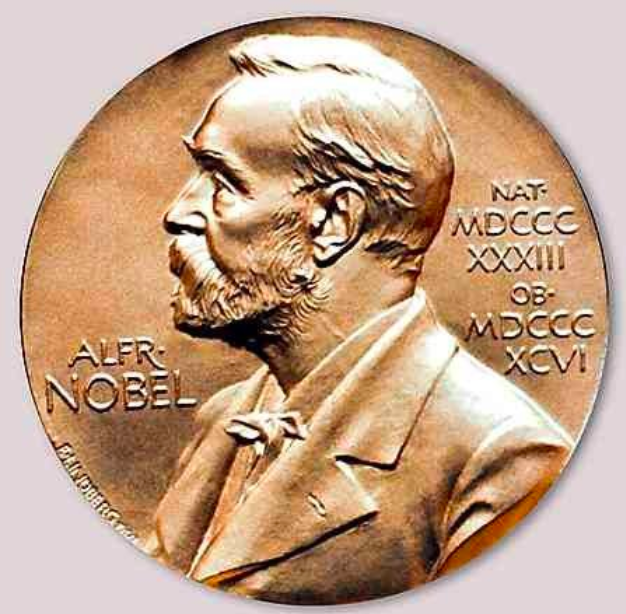
Sienkiewicz was awarded the Nobel Prize in Literature in 1905 for his outstanding contribution to the development of Polish literature. The Swedish Academy praised Sienkiewicz’s ability to „paint historical pictures with a masterly hand” and noted that his works were „full of life and feeling.”
Nobel Prize-winning Polish author Henryk Sienkiewicz was born May 5, 1846.
His most famous book, the historical fiction, Quo Vadis, is an absolute epic (one of my favourites) from which the light of Christ shines forth like little else I’ve encountered in fiction or otherwise. pic.twitter.com/dzvQpYuHRD
— Jason Osborne (@JasonOsborne_GM) May 5, 2023
Sienkiewicz’s other notable works include „The Deluge,” „With Fire and Sword,” and „Pan Michael.” These works also deal with historical themes and characters, drawing on Sienkiewicz’s deep knowledge of Polish history and culture.
Sienkiewicz was a passionate supporter of Polish independence, and his works often reflect this patriotic sentiment. He was an active participant in the Polish independence movement and was arrested and imprisoned by the Russian authorities for his activities.
Henryk Sienkiewicz’s legacy as a writer and patriot continues to be celebrated in Poland and around the world. His works are still widely read and admired for their vivid depictions of Polish history and culture, and his contribution to Polish literature has been recognized as a vital part of the country’s cultural heritage.
Free downloadable copies of his works are available here.
Aleksander Iwański
Photo: Kazimierz Pochwalski, „Portrait of Henryk Sienkiewicz”, 1890. IPN