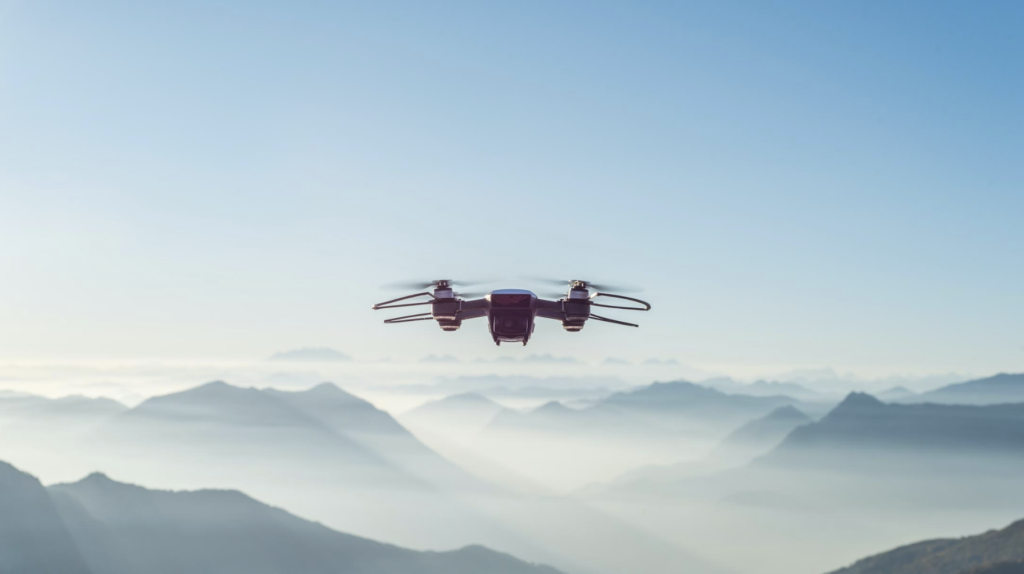
A group of Polish engineers specialising in optoelectronics co-created criteria for testing and selecting anti-drone technologies to protect the borders, the infrastructure, and more broadly the residents of individual EU member states.
The project – known as COURAGEOUS – was recognised by the European Commission in collaboration with the Military University of Technology as the most important pillar of its policy in the framework of countering potential threats from non-cooperative and unmanned aircraft systems.
In the last decade or so, drones have become a common tool used in criminal activities. Several systems are being developed with the aim of that can detecting, tracking, identifying, and preventing unmanned aerial vehicles from what is usually referred to as malicious activity.
EU member states make use of these systems to prevent such illegal activities at their borders and airports, not to mention strategic infrastructure. The same goes for assuring safety on the context of public events with the participation of a larger number of people
The Institute of Optoelectronics (IOE) at the Military University of Technology has been working on the EU-funded COURAGEOUS project for the last two years. One of the aims of this initiative is to establish a standardised methodology when it comes to testing anti-drone systems.
The work is based on a series of scenarios in which wrongdoers makle illegal use of drones for malicious purposes. The scenarios include critical infrastructure protection, border security, prison and airport security, human trafficking and drug smuggling among others.
Scientists from IOE analyse anti-drone systems available on the global market. They develop requirements based on functionality and performance and create metrics for drone detection, tracking, and identification. The project is to be completed by 2024.
Image: Unsplash
Author: Sébastien Meuwissen