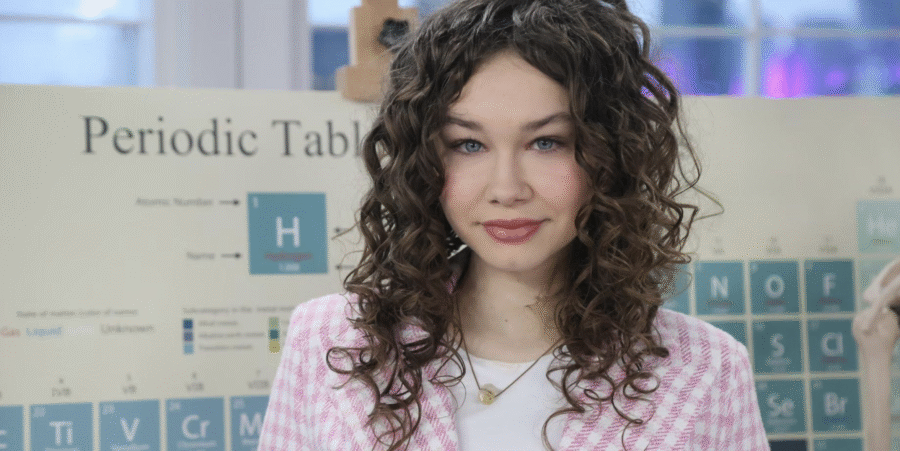
At just 17, Kornelia Wieczorek from Łódź has secured a place on TIME magazine’s prestigious “Girls of the Year 2025” list. The recognition celebrates young trailblazers under the age of 18 who are already transforming the world around them.
As a teenager, Kornelia created a biodegradable fertiliser based on Rhizobium bacteria, designed to support plant growth without harming soil or causing water eutrophication. She later developed Skin without Fear, a mobile application that helps diagnose dermatological changes.

Her interests have since expanded into the field of neuroscience. Currently based in Cambridge, she is researching neurodegenerative diseases while preparing for her university studies. She hopes to pursue both neuroscience and medicine, although she admits she remains open to change.
“I’m not entirely sure what the next six months will bring, but I do hope to become an expert in something I genuinely enjoy,” she told TIME.

The American magazine highlighted the scope of her work, which ranges from diagnostic apps for skin conditions to stem-cell research into Parkinson’s disease therapies, and even a brachytherapy application developed in collaboration with one of Poland’s leading cancer centres.
This year’s TIME initiative, created in partnership with the LEGO Group, is part of the “She Built That” campaign, which seeks to challenge stereotypes and increase visibility of female role models. Studies have shown that many young girls struggle to see themselves as leaders; Girls of the Year aims to shift that narrative. To mark the occasion, TIME released a limited-edition cover depicting the honourees as LEGO figures.

Despite her age, Wieczorek has already built an impressive profile. At 16, she was listed among Forbes Poland’s 100 Most Influential Women, becoming the youngest name on the ranking. She has also taken the stage at major events, including TEDxWarsaw Women and StartUP in the Palace, held at the Presidential Palace in Warsaw.
Kornelia Wieczorek may not yet have chosen her academic path, but one thing is clear: her contributions are already shaping the future of science and inspiring a generation of young women worldwide.
Source: National Geographic Poland
Photo: @naczasienews
Tomasz Modrzejewski