Once the most visible symbol of Britain’s open-door European labour market, Polish workers are leaving the UK in numbers not seen since EU freedom of movement came to an end. Recent figures from the Office for National Statistics confirm what many employers have already noticed: the Polish community, once the UK’s largest foreign-born group, is shrinking rapidly. In the past year alone, around 25,000 Polish citizens departed, more than triple the number who arrived.
For many, the calculation has changed. Inflation and soaring housing costs are hitting working families hard. Meanwhile, reformed visa rules introduced under a Labour government keen to answer pressure from the Reform Party and a more sceptical public have made the UK a tougher place both to settle and to bring over relatives.
“We came here for stability and opportunity,” says Marta, a cleaner from London preparing to return to Gdańsk. “Now everything feels uncertain and expensive. It is no longer worth it.”
The UK labour market, once hungry for workers from abroad, is also losing its shine. Sectors such as hospitality, logistics and agriculture, long reliant on Polish labour, are cutting back. As wages struggle to keep up with living costs, job security feels increasingly elusive.
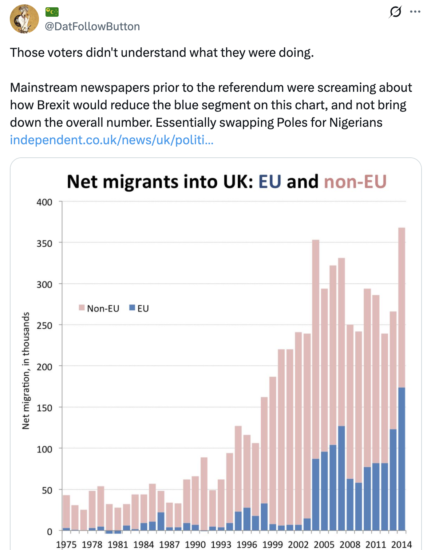
Migration experts argue this shift has been a long time coming. The sense of welcome that many Poles once felt began to fade with Brexit. Over time, better prospects back home from a growing economy to improved public services have tipped the scales further.
“What we’re seeing is not just a temporary fluctuation,” says Dr Emily Harper, a migration researcher at University College London. “It’s a structural change. The era of large-scale Polish immigration to Britain is ending.”
For the first time in twenty years, Poland is gaining more of its citizens back than it is losing to the UK. For Britain, the consequences of this demographic reversal are still unfolding, from labour shortages to the gradual erosion of a community that has played a vital role in British life since 2004.
As suitcases are packed and families board flights to Warsaw, Kraków or Wrocław, a chapter of mass migration history seems to be closing. Whether the door remains merely ajar or quietly clicks shut may depend on what kind of country Britain chooses to be in the post-Brexit generation.
Source: Polskie Radio
Tomasz Modrzejewski