On 28 October 2026, Rescuing Chopin in London: A Story That Found Its Way Home will bring to the stage the extraordinary true story of a two tonne Chopin monument that disappeared for almost three decades, and of the remarkable people whose determination, memories and persistence helped bring it home.
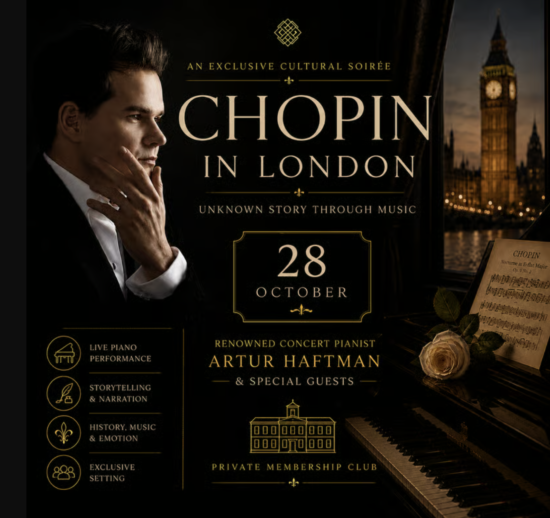
But the story of Rescuing Chopin itself has a history of its own.
The production now returning to London did not begin in London.
Its theatrical journey began in the historic English city of Worcester, continued with a major London presentation at POSK, reached towards an international performance in Paris, and now enters a new chapter at the National Liberal Club.
Each of these moments forms part of the same story.
Where Rescuing Chopin first found its stage
The first theatrical premiere of Rescuing Chopin took place in Worcester, England, at the magnificent Worcester Guildhall on 27th January 2024.
Worcester is a city of extraordinary historical importance, deeply connected with the history of the English Crown and with some of the defining chapters of Britain’s past. Its historic character and longstanding connection with the Crown made it a fitting setting for the first theatrical presentation of a story that itself connects Polish and British history.
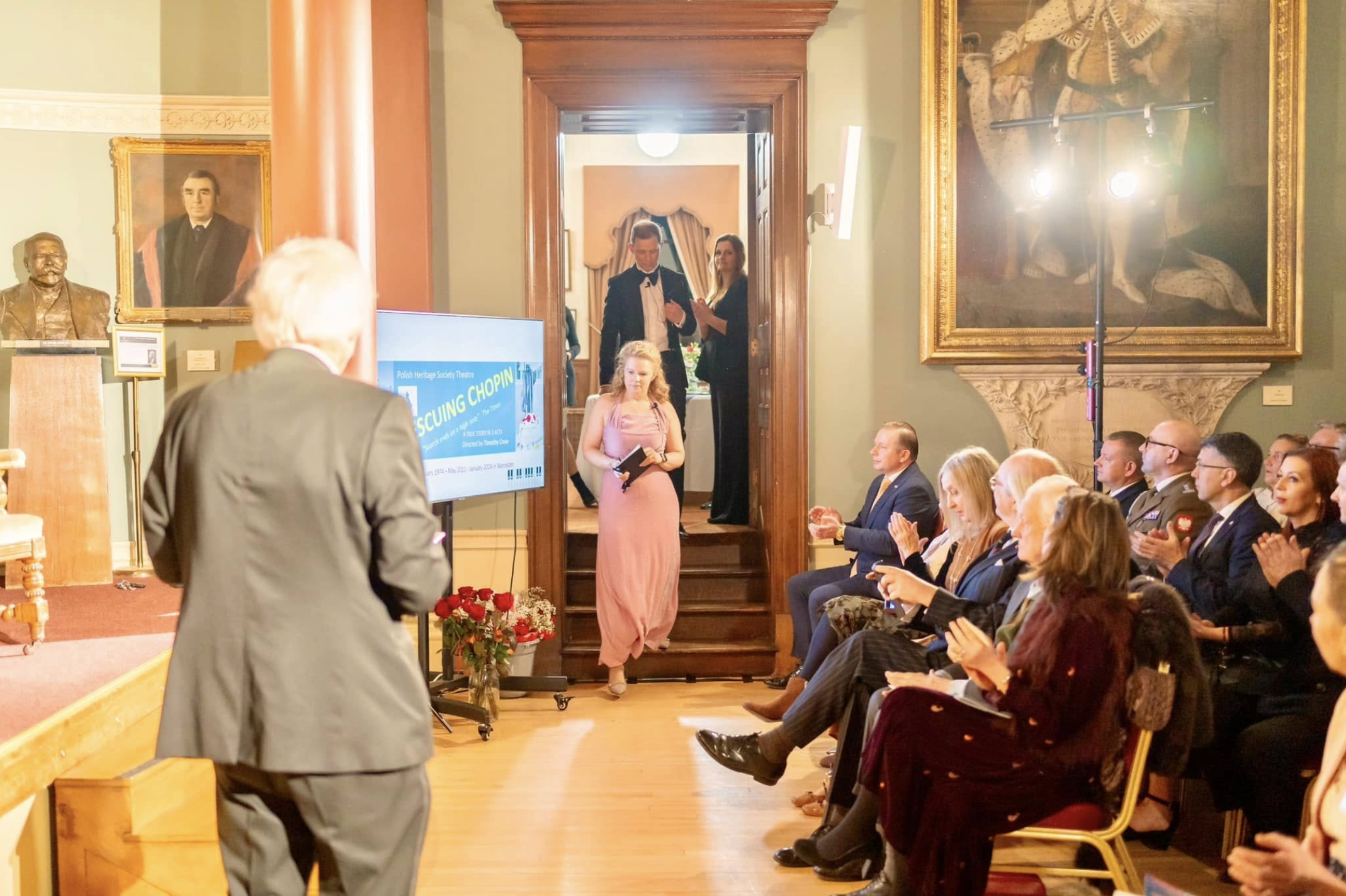
The Worcester production was managed by Tomasz Wiśniewski, working with a dedicated team of 28 people, and directed by acclaimed British director Timothy Crow.
This was not an established production being transferred from one theatre to another.
There was no existing production infrastructure.
There was no established budget waiting to be used.
There was no finished theatrical framework.
There was simply an extraordinary story, an idea, and a group of people determined to bring that idea to life.
Everything was created from the ground up.
Tomasz Wiśniewski carried the enormous responsibility of managing the Worcester project and coordinating the many different elements required to make the production possible. His involvement went far beyond ordinary event management. He worked tirelessly, day and night, to ensure that the production would become a reality.
Together with the entire Worcester team, he oversaw the practical and organisational work required to build the production from nothing.
Timothy Crow worked on adapting and shaping the material for the stage, giving the historical story a theatrical structure and transforming it into a dramatic experience for a live audience.
The team assembled the budget, organised the casting, prepared costumes and theatrical props, coordinated the staging and transformed the Guildhall ballroom into the setting for the production.
Pianist Artur Haftman became an essential part of the artistic team. The music was carefully selected and arranged, with the order and integration of Chopin’s works developed so that the music would become an integral part of the dramatic narrative.
The team also organised catering, promotion, tickets sale, prepared the ballroom, coordinated technical requirements and dealt with the countless practical details that audiences rarely see but without which a production cannot exist.
Twenty eight people contributed to making the first production possible.
They did not inherit an existing production.
They created one.
A success built from nothing
The result was a remarkable success.
The ballroom at Worcester Guildhall was filled to capacity. Every available seat was taken, and more than one hundred additional people were placed on a waiting list.
For a production created from nothing, without an established budget or existing production infrastructure, the response was extraordinary.
More importantly, it demonstrated that people believed in the story.
They came because a team of people had invested their time, talent, imagination, energy and personal commitment into giving that story a theatrical life.
The Worcester premiere therefore represents far more than an earlier performance.
It was the foundation of the theatrical journey of Rescuing Chopin.
It was the place where the story first became theatre.
Timothy Crow’s contribution was central to that process. His professional experience as a director helped transform historical material into a dramatic theatrical experience, allowing audiences to encounter the story not simply as history, but as living theatre.
And behind the scenes, Tomasz Wiśniewski and the 28 person team made possible the hundreds of practical decisions, preparations and acts of determination that allowed the production to reach the stage.
The Worcester team did not simply tell the story.
They created the first stage on which it could live.
From Worcester to London
The story then travelled to London.
On 2 November 2024, Rescuing Chopin: A True Story in Two Acts was presented at the Polish Social and Cultural Association, POSK, in London. The performance was directed again by Timothy Crow, Tomasz Wiśniewski, written by Dr Marek Stella Sawicki, Teresa Stella-Sawicka and featured Chopin’s music performed by pianist Artur Haftman.
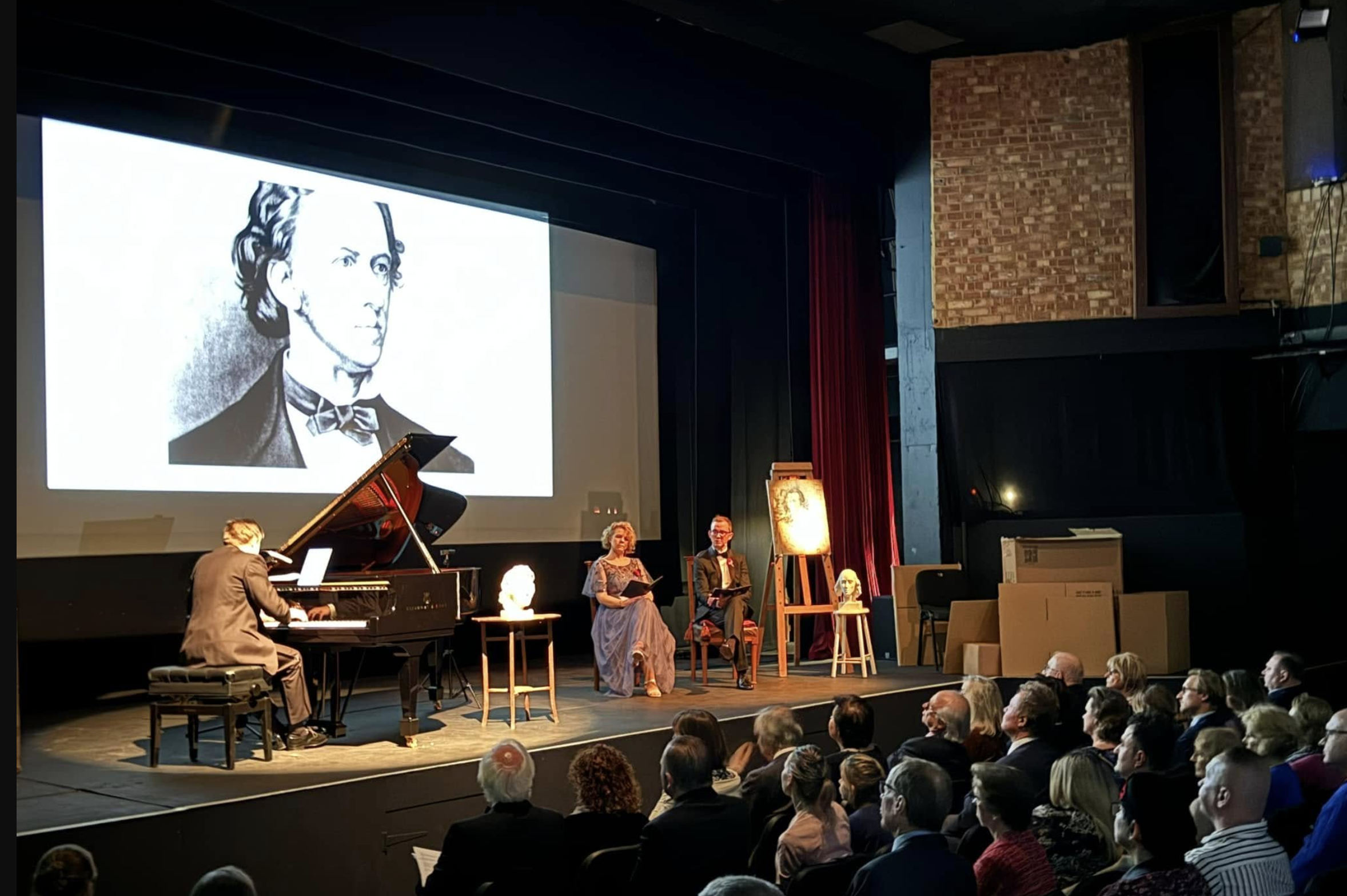
The POSK presentation became another important and successful chapter in the life of the production.
It was also a moment of particular artistic significance.
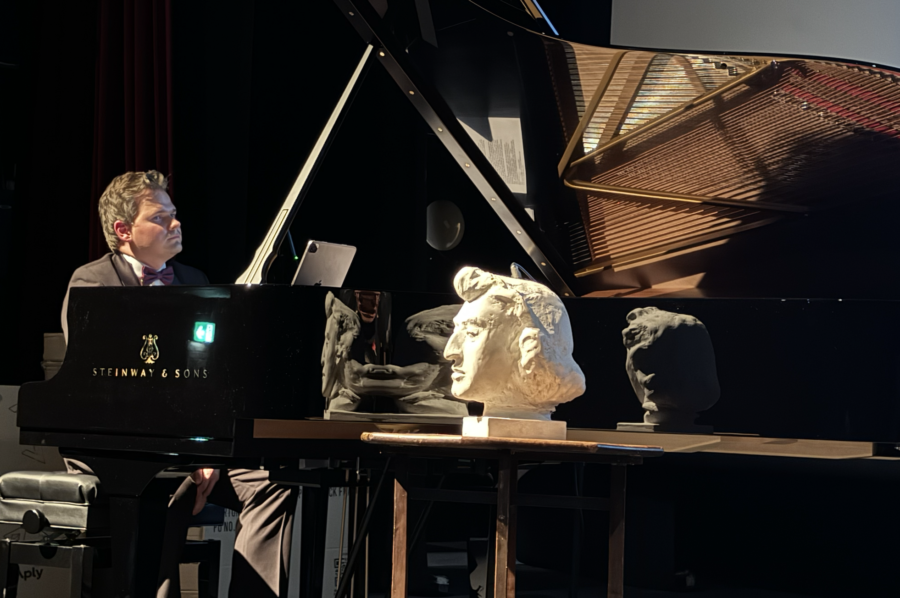
Following the performance, the audience had the opportunity to hear in Britain a newly discovered Chopin waltz, a work that had remained unknown for more than 200 years. The piece was performed by Artur Haftman on POSK’s Steinway grand piano.
The newly discovered waltz was dedicated to His Royal Highness the Duke of Kent, adding a particularly meaningful royal and British dimension to an evening already deeply rooted in Polish cultural history.
Artur Haftman’s relationship with the Duke of Kent also forms part of a wider musical connection. Haftman has performed before members of the British Royal Family, including His Royal Highness the Duke of Kent, who has maintained a longstanding connection with Polish cultural life in Britain.
The discovery of the waltz gave the evening a remarkable sense of connection between past and present.
A story about recovering something lost was accompanied by the recovery of music that had itself been hidden from the world for generations.
For Rescuing Chopin, it was a fitting artistic moment.
The production was no longer simply telling a story about rediscovering the past.
It was, in its own way, helping to rediscover it.
The journey towards Paris
Following the Worcester and London presentations, the production was also prepared for an international presentation.
A performance was organised to take place at the Embassy of the Republic of Poland in Paris.
It was intended to be an important next step in the international journey of Rescuing Chopin, bringing the story to another major Polish cultural and diplomatic setting.
However, circumstances surrounding the Polish diplomatic representation in Paris changed unexpectedly. The Polish ambassador was detained and subsequently recalled, and as a result the planned performance at the Embassy of the Republic of Poland in Paris could not take place.
The journey of Rescuing Chopin therefore continued.
Eventually, the story returned to London.
A monument that should have been impossible to lose
At the heart of the story stands a remarkable question.
How does a two metre high monument weighing almost two tonnes simply disappear from the heart of London?
Yet this is exactly what happened to a monument of Fryderyk Chopin that once stood outside London’s Royal Festival Hall.
For years, its fate remained uncertain.
Documents were searched. Institutions were contacted. People were questioned. Memories were followed.
Eventually, one of the most important clues came from an unexpected place: Cardboard City, the homeless community that existed for years beneath and around Waterloo.
Nearly three decades after the monument disappeared, it was finally found, damaged, forgotten and lying face down in storage beneath Waterloo Bridge.
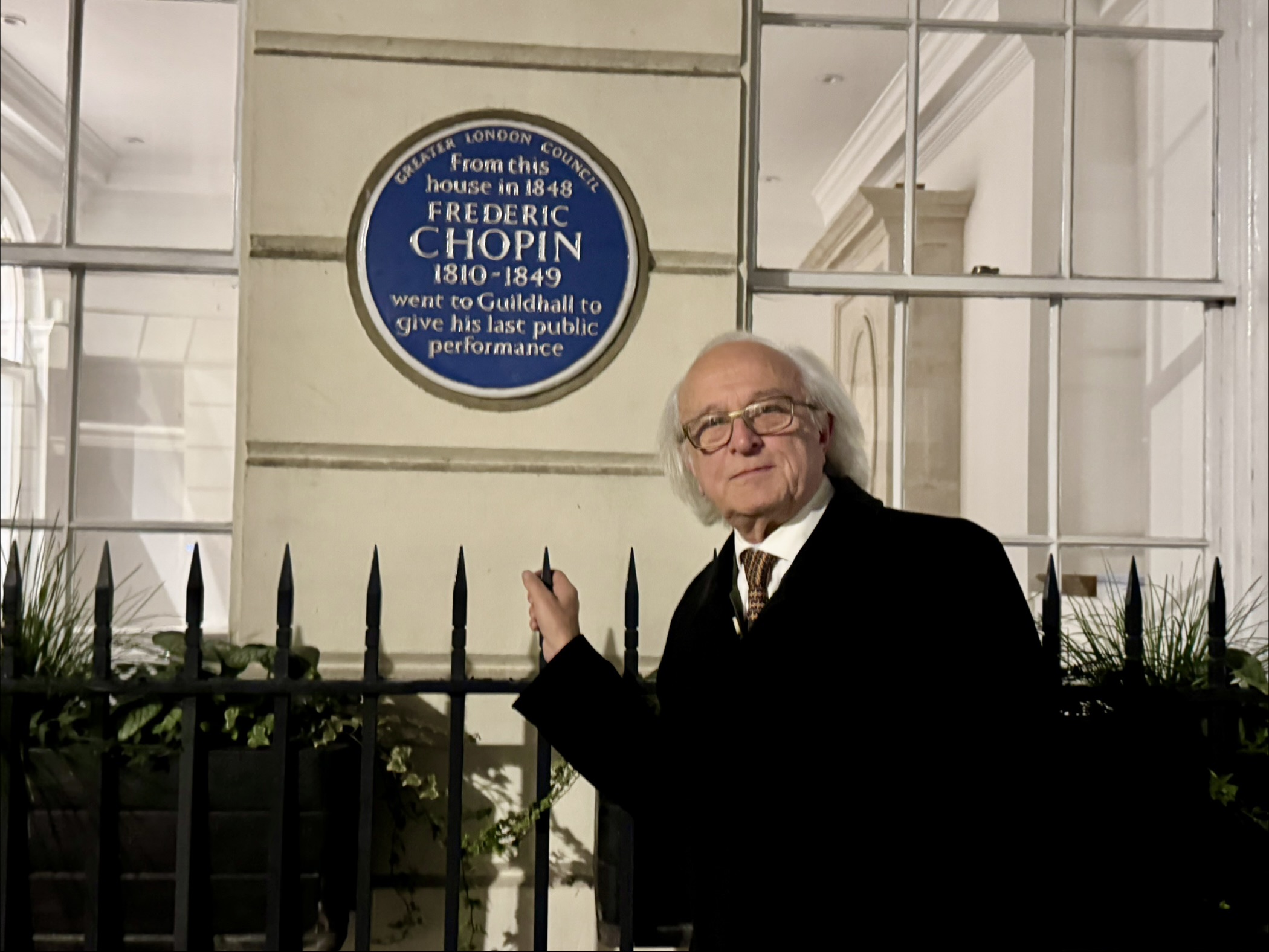
The search for Chopin
For Dr Marek Stella-Sawicki, the mystery began with a seemingly simple question.
How could something so large simply vanish?
When he learned that the Chopin monument had disappeared, he became determined to establish what had happened to it.
What followed was not a search lasting weeks or months, but years of research involving documents, correspondence with institutions and, crucially, conversations with people who remembered the area and its history.
Eventually, those conversations led him to people connected with Cardboard City.
Among them was a man named John, who remembered the monument and recalled it being dismantled and moved beneath Waterloo Bridge.
His memory provided an important clue about where the search should continue.
Further enquiries, institutional procedures and support from the Polish diplomatic side followed before Marek Stella Sawicki was finally invited into a storage space beneath Waterloo Bridge.
There, in the darkness among forgotten objects, was Chopin.
The monument was lying face down and damaged, looking less like a major public sculpture that had once stood outside the Royal Festival Hall and more like another abandoned object.
Finding it, however, was only half the story.
The monument still had to be rescued.
Bringing Chopin home
A network of people and organisations became involved.
Polish transport company PEKAES transported the sculpture to Poland and later back to London, while sculptor Robert Sobociński undertook its restoration in Poznań.
After almost 30 years, Chopin finally returned to London.
But the physical return of the monument was only one part of the story.
There remained another question.
How do you preserve the story of something that was almost forgotten?
When one generation passes a story to another
The original Rescuing Chopin script was created by Marek Stella Sawicki and his wife, Teresa Sawicka.
The story was first brought to the stage in Worcester, where the first production was developed and premiered under the direction of Timothy Crow, with Tomasz Wiśniewski managing the project and coordinating a 28 person team that built the production from the ground up.
Years later, a mutual acquaintance introduced Dr Marek Stella Sawicki to London based producer Renata Kaminska.

For Renata, the connection was immediate and personal.
Chopin had been her favourite composer since childhood, with pieces including the Revolutionary Étude holding a particularly important place in her life.
But when she first heard the story of the monument, her reaction went beyond her connection with Chopin.
“I didn’t think, ‘that’s an interesting historical fact’. I thought: how is it possible that almost nobody knows about this?”
When Marek invited her to produce a new version of the story with him, she knew that she did not want simply to recreate the previous production.
Instead, she saw an opportunity to introduce the story to a new generation.
The result is a new cultural soirée, bringing together music, acting, storytelling and visual narrative in a 90 minute experience.
One story, several chapters
The London production of 2026 is therefore a new chapter rather than the beginning of the story.
Worcester was where Rescuing Chopin first found its stage.
It was where Tomasz Wiśniewski and a 28 person team built the production from nothing.
It was where Timothy Crow shaped the historical material into theatre.
It was where Artur Haftman’s music became part of the dramatic fabric of the story.
London and POSK then provided another important stage, another full audience and another major artistic moment, including the British presentation of the newly discovered Chopin waltz dedicated to His Royal Highness the Duke of Kent.
Paris was intended to become the next international chapter, with a planned performance at the Embassy of the Republic of Poland.
Circumstances prevented that performance from taking place.
Now London opens another door.
The 2026 cultural soirée at the National Liberal Club is an opportunity to bring together the history of the monument, the history of the production and the people who have carried the story forward.
Each chapter has its own identity.
All belong to the same journey.
Two generations, one production
The partnership between Dr Marek Stella Sawicki and Renata Kaminska has itself become part of the story.
He brings decades of historical knowledge, research and a personal connection to the recovery of the monument.
Through him, Renata has also encountered the world and memories of an older generation of the Polish community in Britain, stories she says she might otherwise never have had the opportunity to discover.
She brings a different perspective: production, contemporary storytelling and the challenge of translating historical material into an experience for today’s audience.
“I think above all we bring two different generations, two different experiences and two perspectives that complement each other extremely well,” she says.
Stella Sawicki describes Kaminska’s contribution in similar terms. Knowing an extraordinary story, he says, does not automatically mean knowing how to communicate it to a contemporary audience.
What she saw was the possibility of creating an entire experience around it, using music, actors, space, imagery and emotion rather than presenting another formal lecture about Chopin.
There is another quality they believe they share: an unwillingness to accept too quickly that something cannot be done.
“When we believe in an idea,” Renata says, “it is difficult for us to say, ‘this can’t be done’. We tend to start asking how we can do it.”
That spirit is also part of the longer history of the production.
The determination that allowed a team in Worcester to create a production from nothing continues to be part of its evolution today.
Chopin meets theatre and an unexpected piece of British rock history
The new production deliberately moves between artistic worlds.
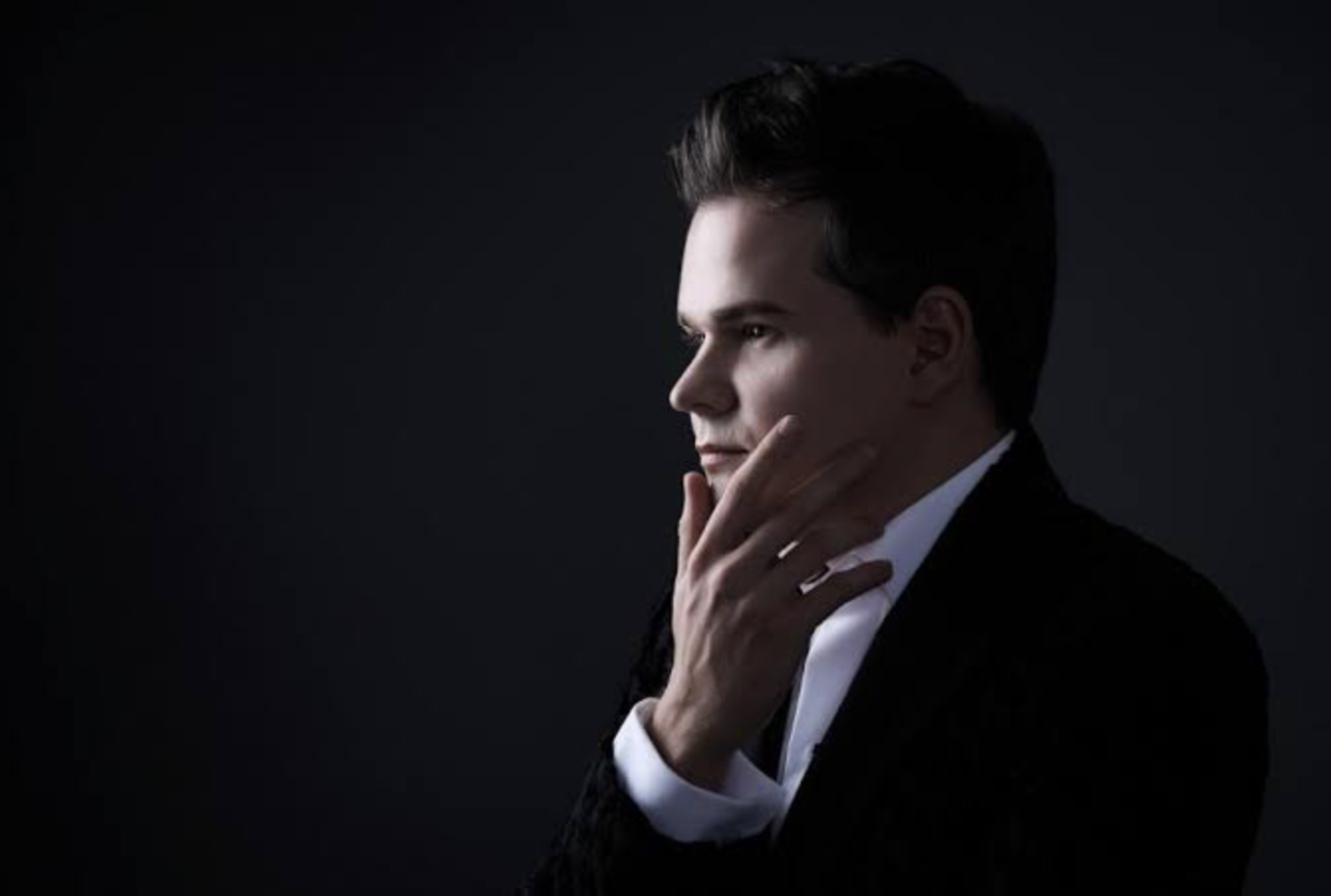
Pianist Artur Haftman, who participated in the earlier production, provides an important thread of artistic continuity.
A pianist deeply connected with Chopin’s music, he was a natural choice for the new production.
The cast also includes vocalist Maja Walentynowicz, a finalist of The Voice of Poland, whom Renata discovered through the JoséSong Passion Development Foundation, an organisation supporting emerging musical talent.

But one of the production’s most unexpected collaborations came through Skyclad.
The British band had written Cardboard City, a song connected with the homeless community whose history intersects so unexpectedly with the story of the missing monument.
The band responded positively to the idea of bringing these apparently distant musical worlds together, supporting a new interpretation of Cardboard City within the production.
Violin also enters the story, while one of Chopin’s waltzes is being given a new piano and violin treatment.
Rather than placing classical music, theatre and contemporary references alongside one another as separate elements, the producers want them to become different voices within the same narrative.
The same philosophy shaped the casting of the actors.
Professional ability was essential, but it was not enough. The producers wanted people who connected emotionally with the material.
For Renata, one small moment demonstrated that they had succeeded.
After his casting, one of the actors travelled to see the Chopin monument for himself and took a photograph there.
“That was the moment I thought: this is exactly what we wanted,” she recalls. “He hadn’t simply received a role. He had entered the story.”
The British Poles is the media patron of the event.
WHEN: 28 October 2026, 6.45pm–10.30pm
WHERE: National Liberal Club, 1 Whitehall Place, London SW1A 2HE
TICKETS: here
Renata Kamińska, Tomasz Wiśniewski
Photos: British Poles
…