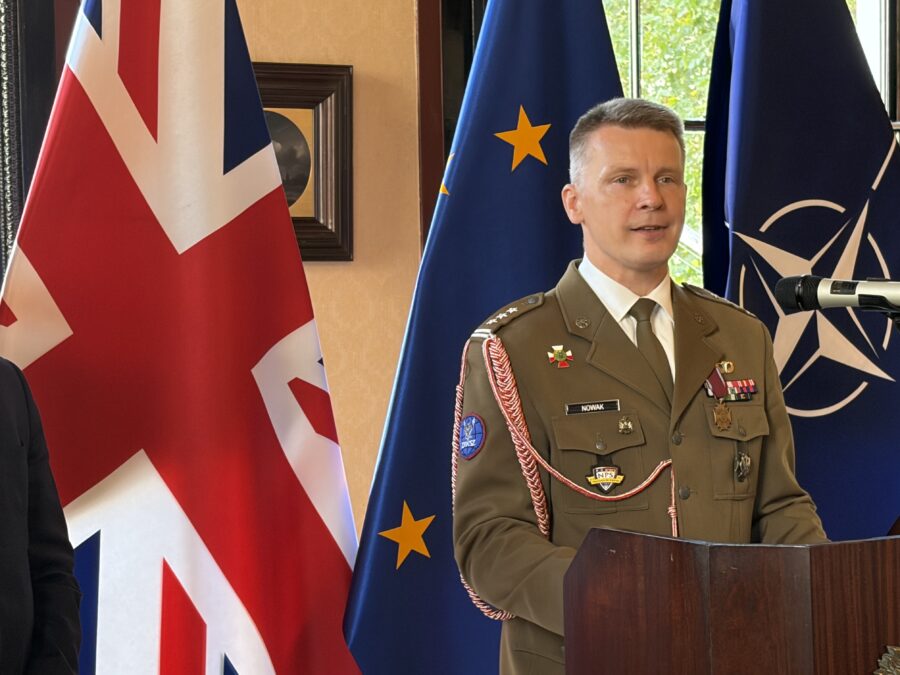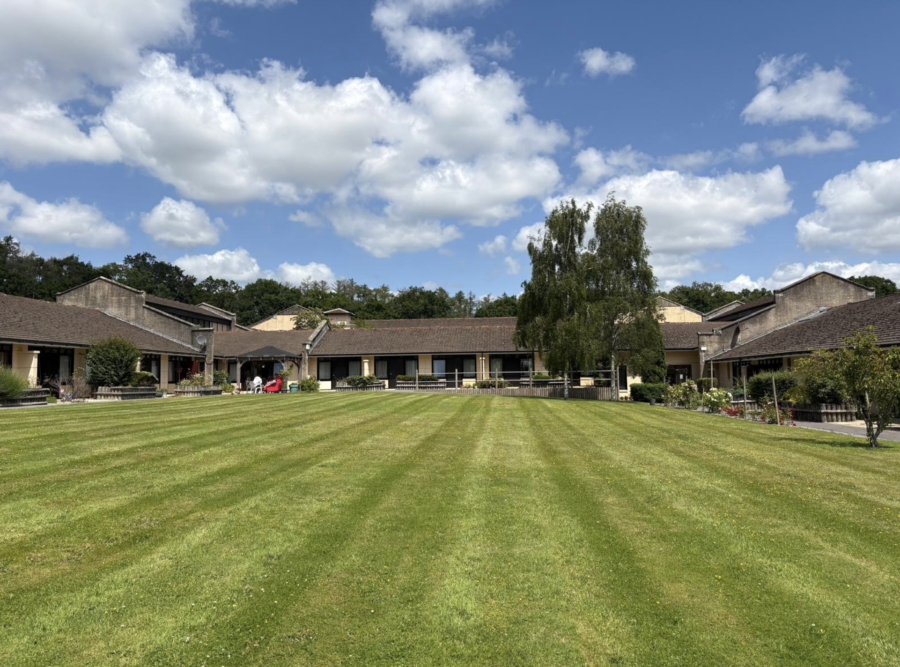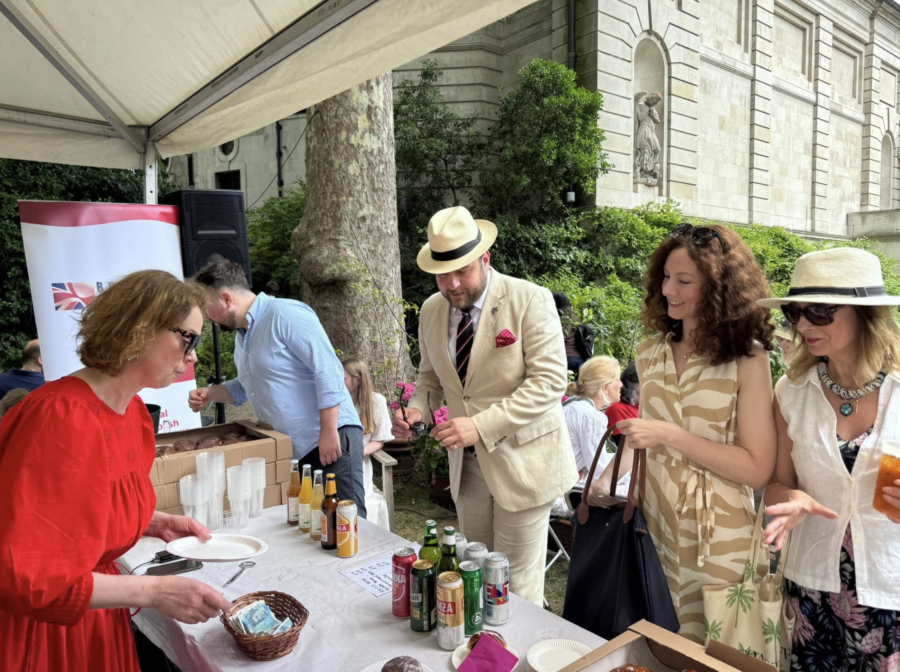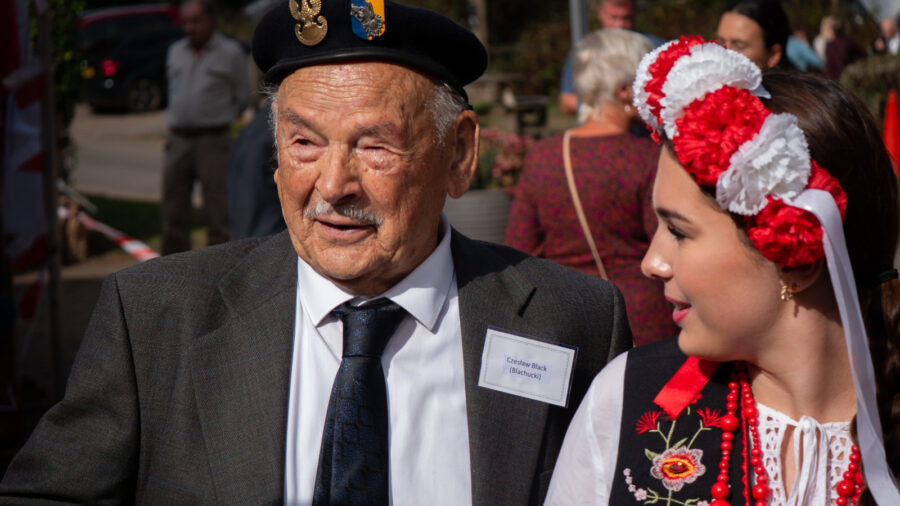
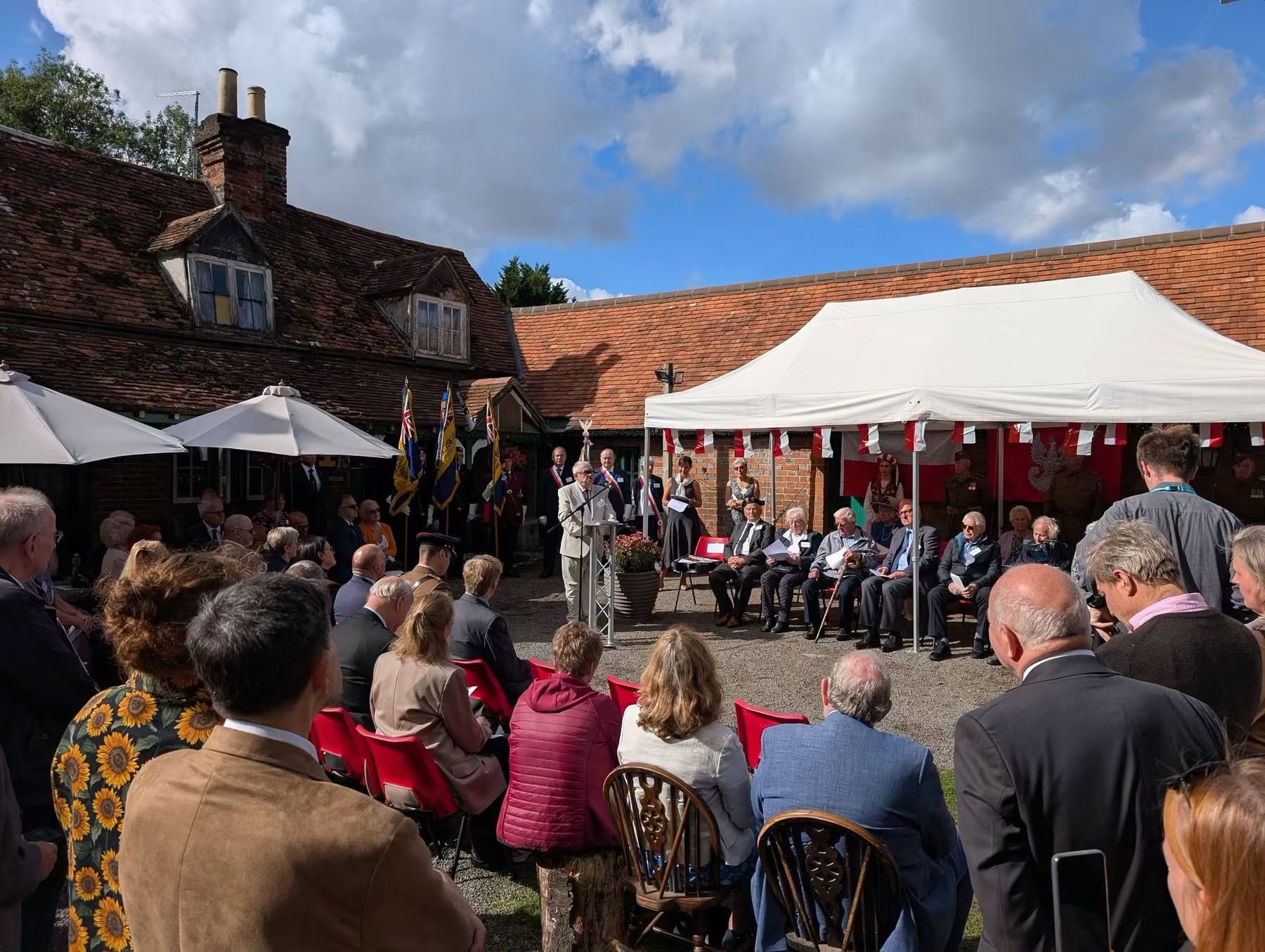
A 100-year-old Polish WWII veteran, one of about 5 WW2 Polish veterans alive in the UK, has unveiled a permanent Blue Plaque at a former Polish military camp in rural Oxfordshire — in a ceremony bringing together Polish diplomats, British Army personnel, veterans’ families and descendants of the camp community.
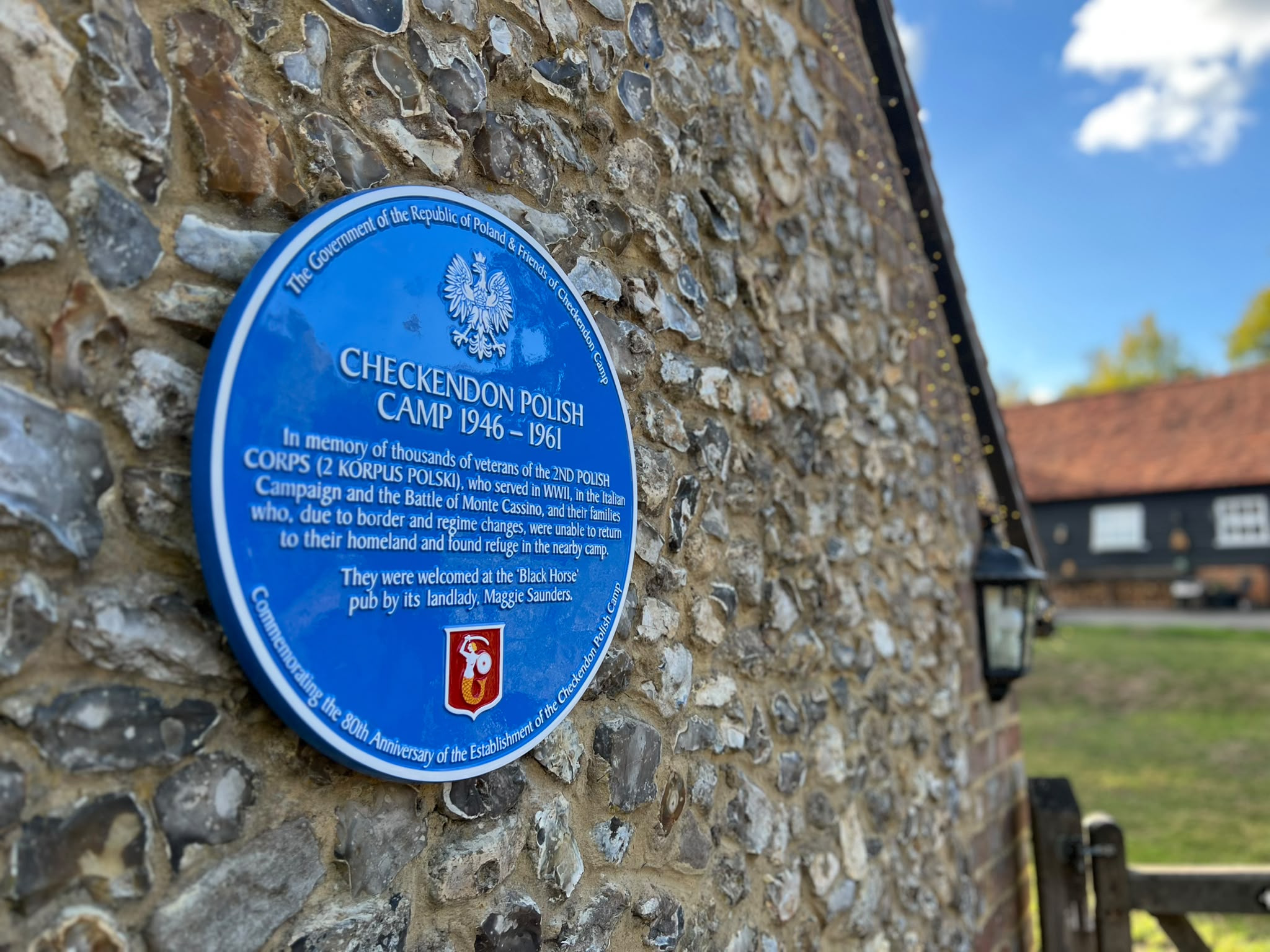
Czeslaw “Ches” Black (Blachucki), Patron of the Friends of Checkendon, was honoured at Checkendon alongside representatives of the Republic of Poland, Polish and British military organisations, local government and Polish cultural and historical institutions.
The story reaches beyond the plaque itself. Black’s wartime journey began when, aged 18, he was forced into a cattle wagon and sent to Berlin to work on Hitler’s bunker. He later escaped to Italy, fought with Italian partisan resistance fighters, joined Polish and British Allied forces, and recalled once walking through a minefield to rescue a badly wounded commanding officer.
His unit was sent to rural Oxfordshire in 1947. The ceremony now marks the Polish military community that lived and served at Checkendon and the families who rebuilt their lives in Britain after wartime deportation, exile and displacement.
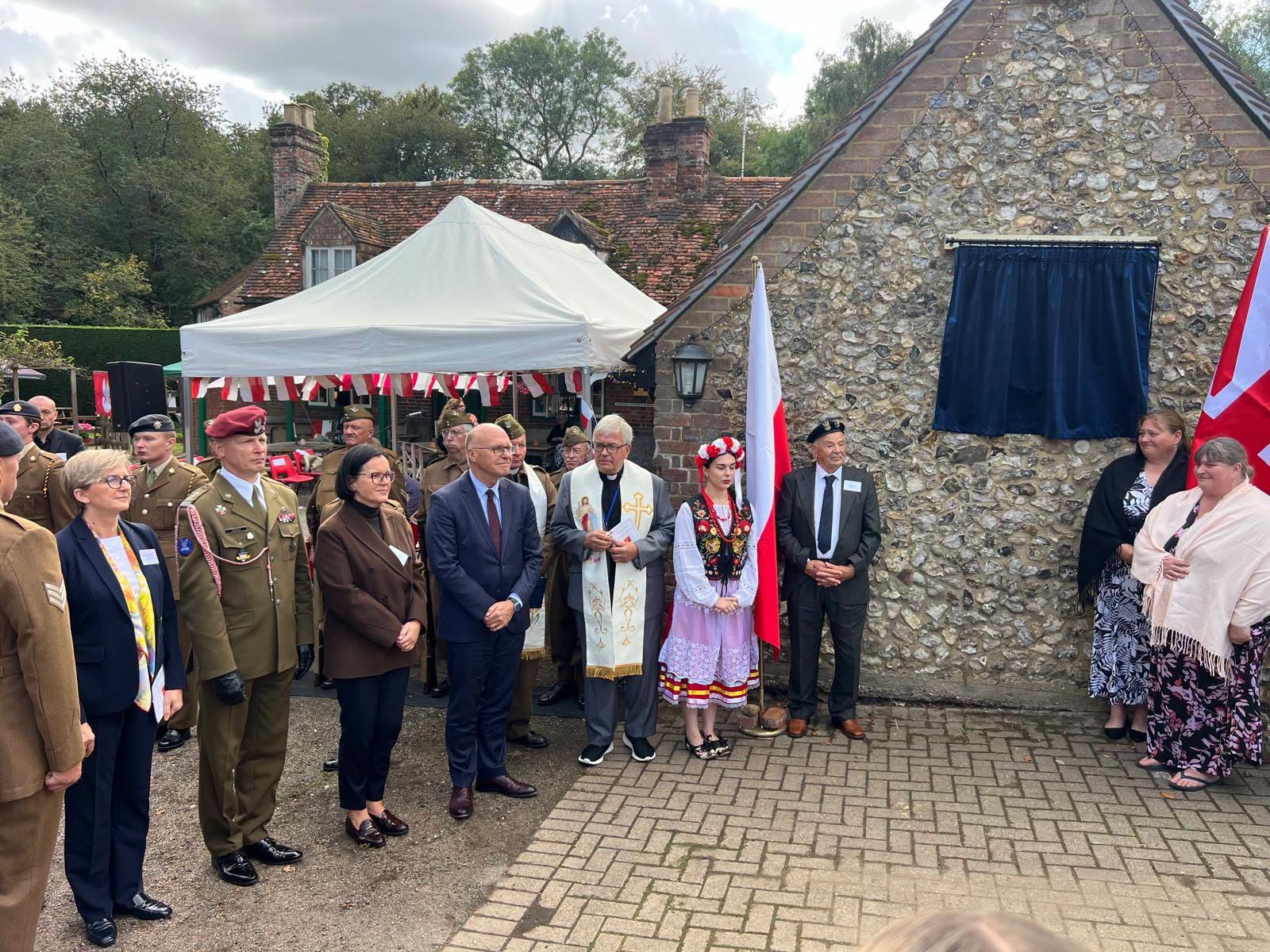
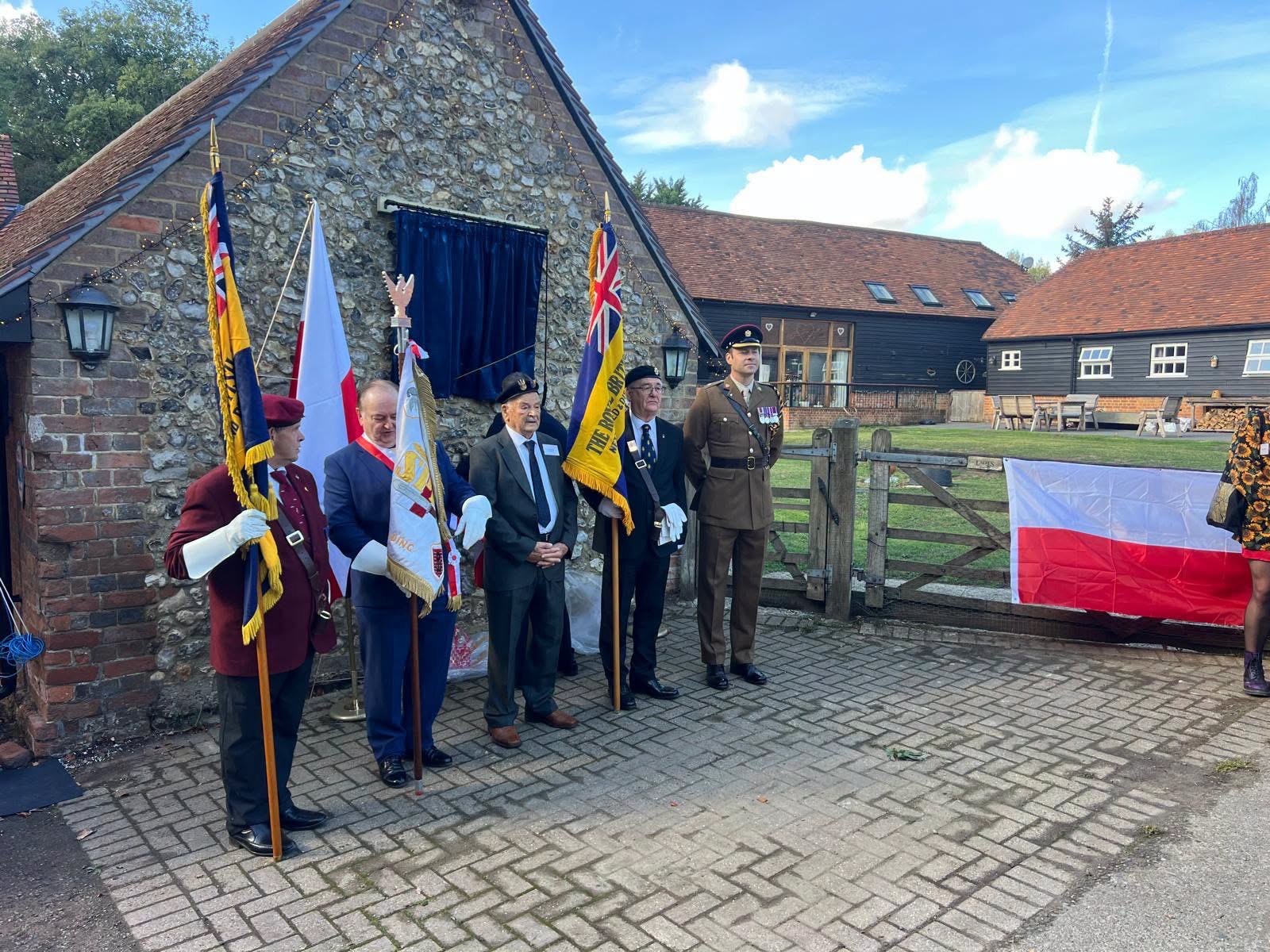
The event included a British Army honour guard from the 7th Regiment, Royal Logistic Corps, based at Dalton Barracks in Abingdon, Royal British Legion standards, Polish Ex-Combatants SPK standard bearers from Reading, and wartime military vehicles including a Second World War half-track in Polish markings, and Redline Home Guard.
Representatives travelled from across Britain and Poland, including Gdańsk and Kraków, as well as the United States. Among those present was Fr Richard Maniak, who was born at the camp.
A story of war, exile and a new home
Marian Greczyn, son of Major Mieczyslaw Greczyn, the last commanding officer of Checkendon Camp, described his father’s service at Tobruk and Monte Cassino. He also recalled how his mother was sent to forced labour in Siberia with his elder brother, who did not survive, before she was later reunited with his father in the Middle East.
The permanent plaque is now installed on the gable end of The Black Horse, Checkendon. The site is recorded online as Checkendon Polish Camp 1946–1961.
Graham Drucker, organiser of the event and coordinator of the Friends of Checkendon, said the history matters because it concerns both military service and the Polish families who subsequently made their lives in Britain.
The organisers are planning a further commemoration towards the end of November to mark the 80th anniversary of Polish troops arriving at Nettlebed Highmoor, followed by plans for a major international reunion in two years’ time involving former residents and descendants now living in Australia, Canada, New Zealand, Poland and the United States.
Why it is a national story
- A 100-year-old surviving Polish WWII veteran with an extraordinary personal history.
- A largely forgotten Polish-British wartime and post-war community in rural Oxfordshire.
- A British Army honour guard alongside Polish military and diplomatic representatives including the Polish Ambassador .
- A visual story: centenarian veteran, Blue Plaque, military standards and wartime vehicles.
- A wider question of how displaced and forgotten Polish servicemen and their refugee families rebuilt their lives in Britain after WWII. The first time UK permitted large scale immigration following the loss of their country to Russia and Soviet Union, based on their heroism and respect gained under the command of the British Army, Air Force and Navy.
–
Friends of Checkendon