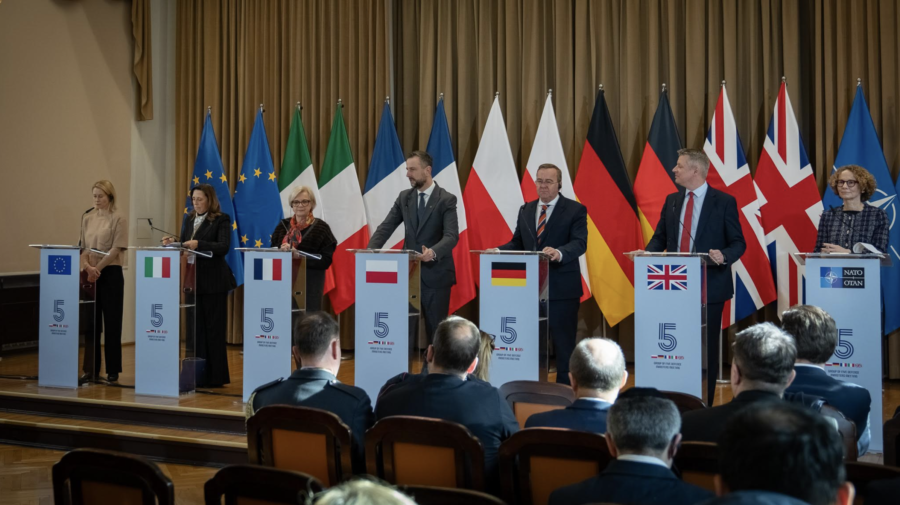
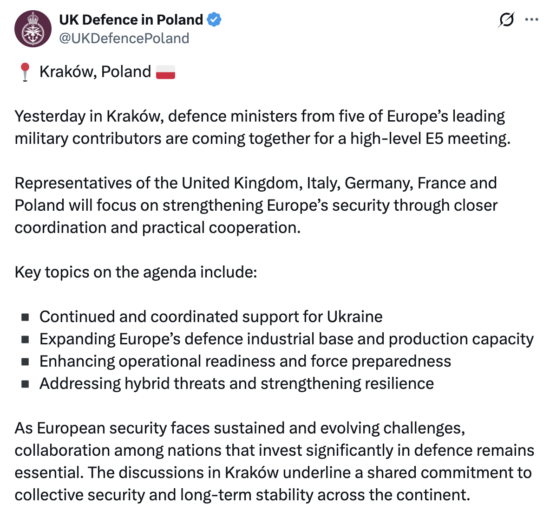
In the historic halls of the Jagiellonian University in Kraków, the E5 format brought together five major European powers, including Poland and the United Kingdom, to forge a new chapter in defence cooperation.
For Poland, represented by Deputy Prime Minister and Defence Minister Władysław Kosiniak-Kamysz, the meeting symbolised both responsibility and expectation: Warsaw is investing heavily in defence and sees itself as a frontline state of the Alliance. The Polish message was clear: solidarity must be practical, measurable and mutual. Poland strengthens NATO’s eastern flank and, in return, expects unwavering allied support should the need arise.
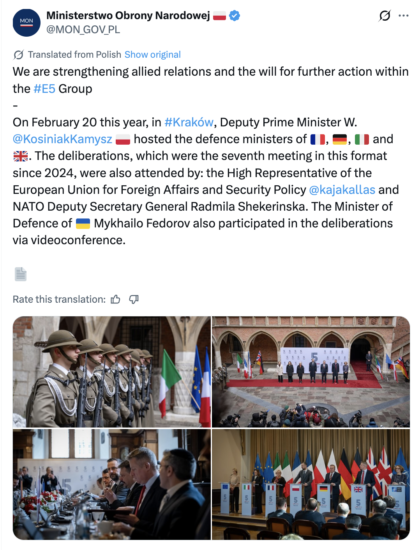
“We have signed a very important commitment concerning the joint development of strike capabilities using drones, low-cost joint production, and joint procurement of drone effectors, that is, warheads. Technologies and methods of warfare are changing dynamically, therefore we must respond quickly and appropriately,” Kosiniak-Kamysz said at a press conference following the meeting.
“Mutual support, military cooperation, cooperation between defence industries, and fulfilment of commitments undertaken in The Hague, including reaching the level of 5 per cent of GDP in defence spending,” he listed.
The Minister informed that during the Kraków meeting there was also a remote discussion with Ukraine’s Minister of Defence, Mykhailo Fedorov.
“He received assurances of our support; Europe’s security frontier lies on the Ukrainian-Russian front line, and we are all aware of this. We will support Ukraine in striving for a just peace,” Kosiniak-Kamysz noted.
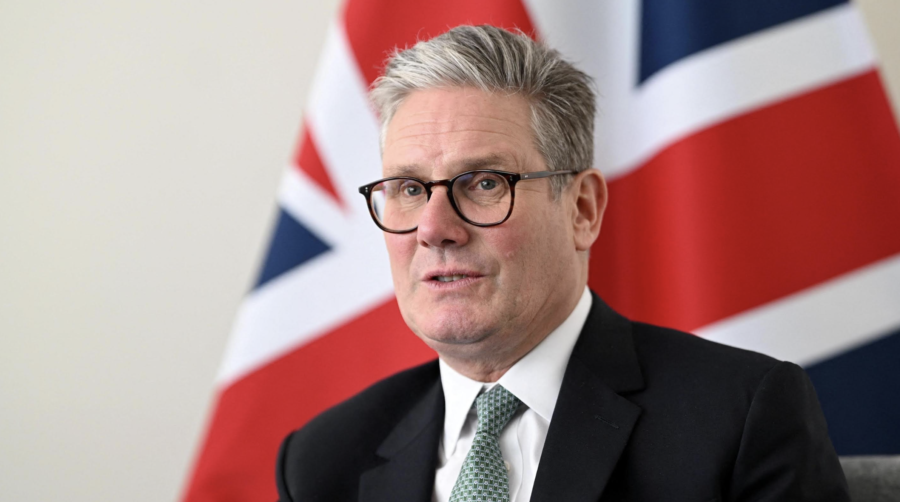
For the United Kingdom, represented by Luke Pollard, the agreement reflects Britain’s continued strategic engagement in European security after Brexit. London’s emphasis on low-cost drone warfare and rapid innovation aligns with battlefield lessons from Ukraine and underlines the UK’s role as a technologically agile military power.
The joint commitment to develop drone strike capabilities and expand defence-industrial cooperation demonstrates a convergence of Polish urgency and British operational pragmatism. Poland brings scale in defence spending and geographical proximity to the conflict zone. The United Kingdom contributes expeditionary experience, advanced defence research, and political resolve to deter aggression.
UK Minister for the Armed Forces assessed that the signed agreement on developing strike capabilities using low-cost drones stems partly from lessons learned by Ukrainians on the battlefield.
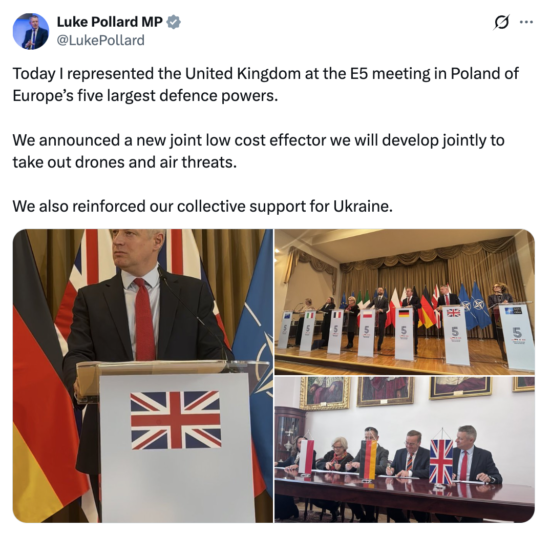
“We must do more, because we are responsible for our own security, including in developing low-cost weaponry,” he said. “My message to the people of Poland is this: have no doubt, if we are needed, we will help you. That is a very important message. Relations between our nations will only grow stronger and closer,” he declared.
Poland and the UK countries share a common strategic assessment: Europe’s security frontier runs through Ukraine. Their coordinated stance within NATO and the E5 group signals that eastern and western European security interests are no longer separate debates, but parts of a single strategic reality.
In this renewed partnership, Poland acts as a pillar of deterrence on NATO’s eastern flank, while the United Kingdom reinforces collective security through capability development and political commitment. Together, they illustrate how bilateral trust strengthens multilateral defence frameworks, ensuring that European solidarity is not just rhetoric but operational.
The E5 format groups Europe’s most powerful countries to discuss security and strategic cooperation. Its members are: Poland, Germany, the UK, Italy and France.
Photo: X/@MON_GOV_PL
Tomasz Modrzejewski