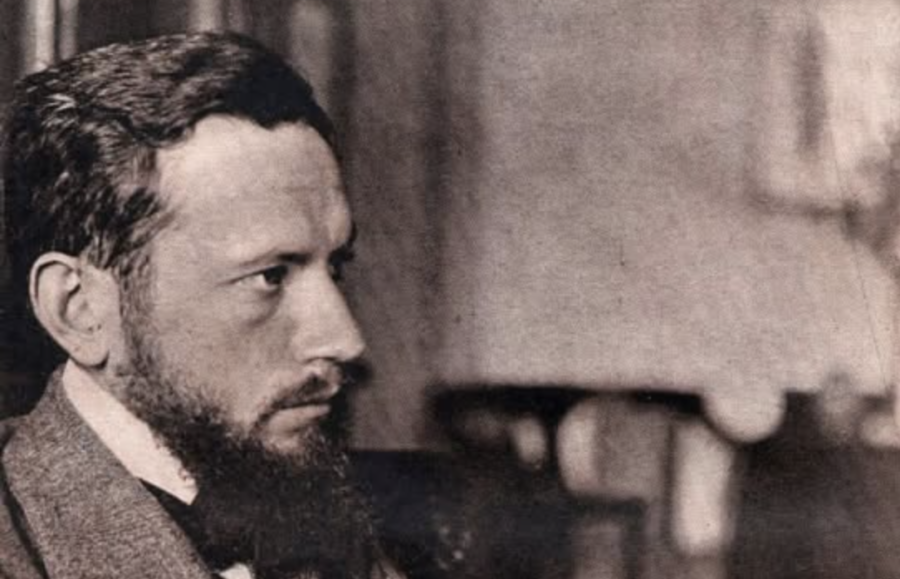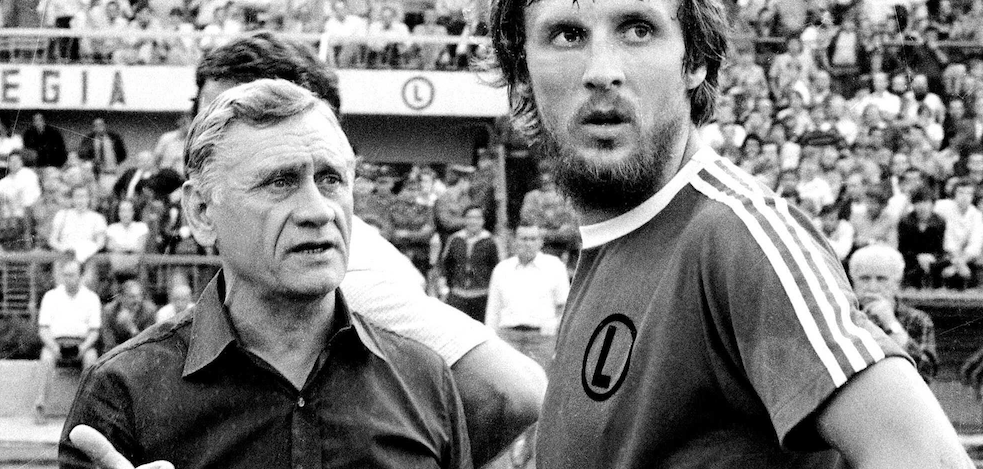
In 1966 and 1970-1976, as the coach of the Polish national team, he led to the triumph at the 1972 Olympic Games in Munich and the final of the 1976 Olympic Games in Montreal, as well as 3rd place at the 1974 World Championships in West Germany. Due to his great achievements with the Polish national team, he is called the „coach of the millennium”. In the Football Plebiscite, he was named the best Polish coach of the 20th century. Honoured with the highest distinction awarded by UEFA – the Order of Merit in Ruby.
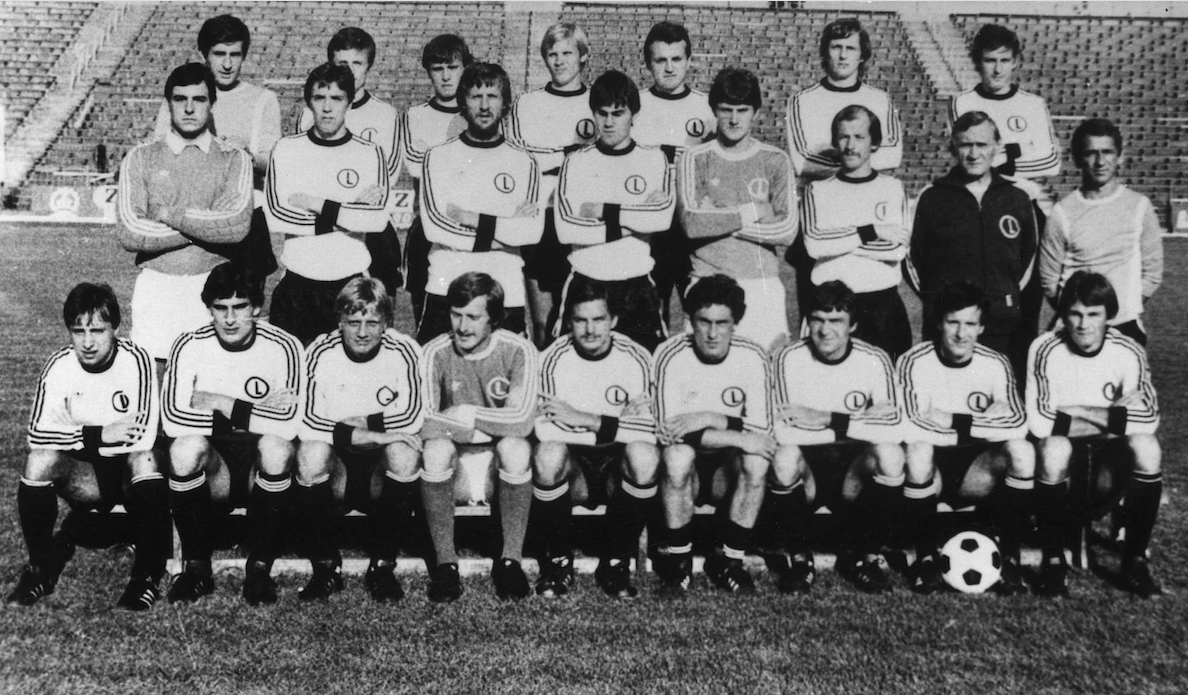
Due to his petite figure and graceful movements, he was nicknamed „Sarenka”. Since he was a child, he knew that in life you have to fight for many things and not give up too quickly after the first failure. His style of play was compared to the style of the striker of Ruch Chorzów and the Polish national team – Ernest Wilimowski, whom Górski considered his idol.
In 1939 he was in the second national team of Lviv. Unfortunately, the war had begun. Polish club names were liquidated, so Górski played for Spartakus, but not for long, because in 1941 Lviv was occupied by the Germans. And as he later mentioned – “The sport was over. I haven’t even kicked a ball in three years.” To survive, he worked in railway workshops. Football returned, accompanied by Russians in 1944, but Górski volunteered for the Polish army. And so he came to Warsaw. This is where his career in Legia began – at the beginning, under the name WKS Warszawa. In 1948, he played in his only international match for the Polish national team.
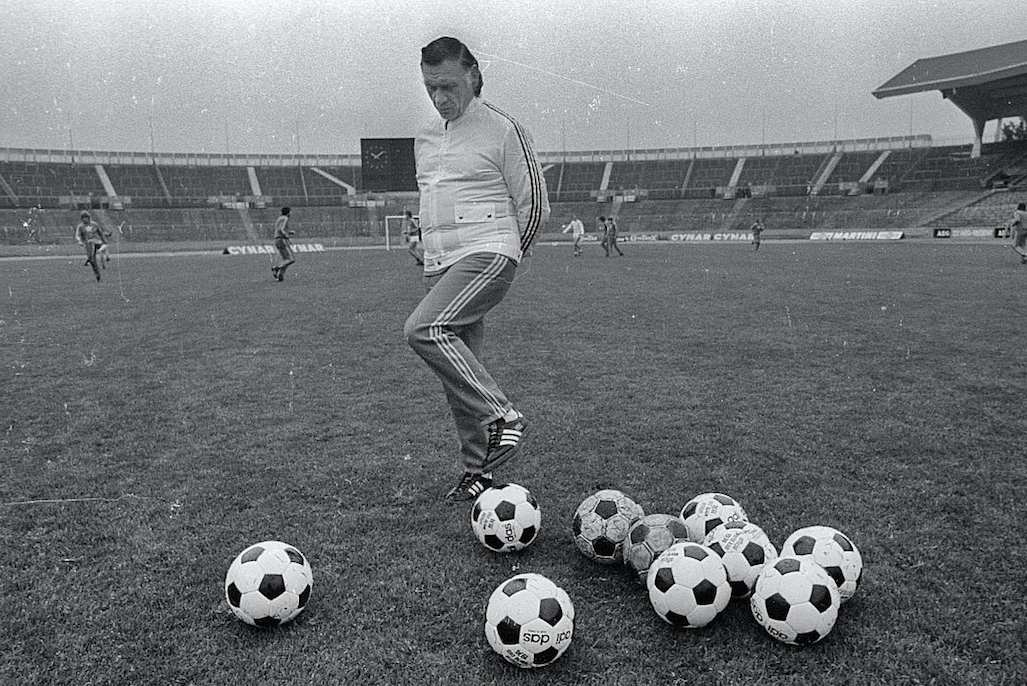
On December 1, 1970, he became the coach of the first Polish national team and led it to win gold at the Olympic Games in Munich in 1972.
Górski was able to bring out the best in each of his players. He achieved the greatest success leading the Polish team. In 73 matches, he recorded 45 victories.
Author: Patrycja Bodzek-Kurzyńska
Photo: legia / muzeumsportu.waw / fundacjakazimierzagorskiego