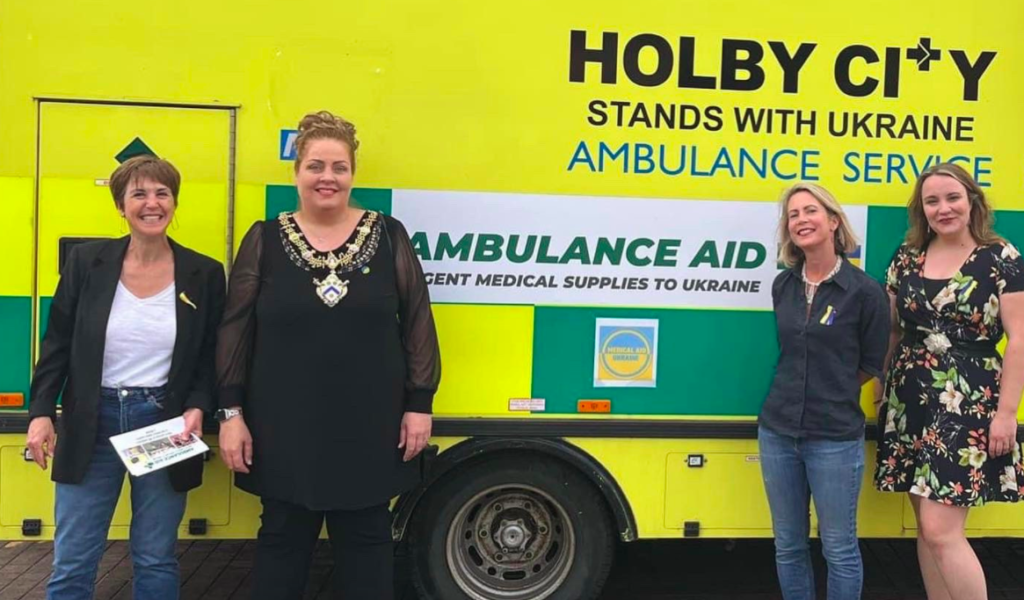
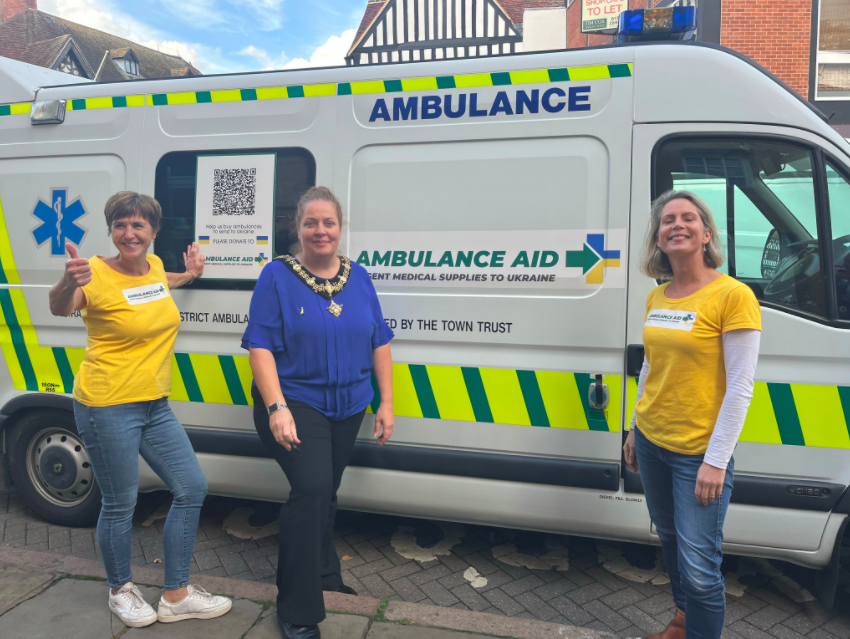
On Saturday, 22 October, the Mayor of Stratford-upon-Avon Gil Cleeve and Doctor Tania Hebert drove an ambulance all the way from the English town to Przemyśl, at the border with Ukraine, to provide refugees with medical supplies and support the hundreds of local volunteers getting involved in the welcoming of Ukrainians fleeing war since February.
British Poles: How does the Mayor of a British town decide to drive an ambulance for 2000 kilometres to deliver medicines and medical equipment to the border between Poland and Ukraine? Where did the idea come from, and how did you organise such a trip?
Gil Cleeve: I got in touch with the Ambulance Aid non-profit organisation’s coordinators. They introduced me to Tania, the doctor I travelled with. As soon as they told me what they’d been doing, I decided I wanted to be a part of that. I knew I could not take people in, but I told them I’d be happy to drive. This would raise the organisation’s profile and show that the war is still happening.
BP: How did the trip look like?
GC: We left on Saturday morning at 5.30 with two ambulances. Unfortunately, while we were heading to the Eurotunnel, one of the ambulances had some mechanical issues. This delayed us, and it was clear that we could not take it any further. We had to leave it at a venue.
Tania Hebert: I work with numerous charities across the UK and in Ukraine. I contacted many of them to ask for help. Eventually, I reached British Ukrainian Aid, who contacted people who said they’d be happy to take the ambulance to London. We were lucky that we were still near London and not already near Franfurkt or further… They managed to pick it up and fix it. The important thing to know here is that all the medical equipment on board is to be sent to Ukraine soon, so it was not wasted.

BP: Did you drive all the way, or did you stop somewhere?
GC: We drove the whole way. We just stopped for a while on the German side of the Polish border. We took turns. We drove about two hours each time.
TH: So yes, we slept in the ambulance (laughs). We arrived on Sunday in the late afternoon.
BP: What was the most memorable part of your journey?
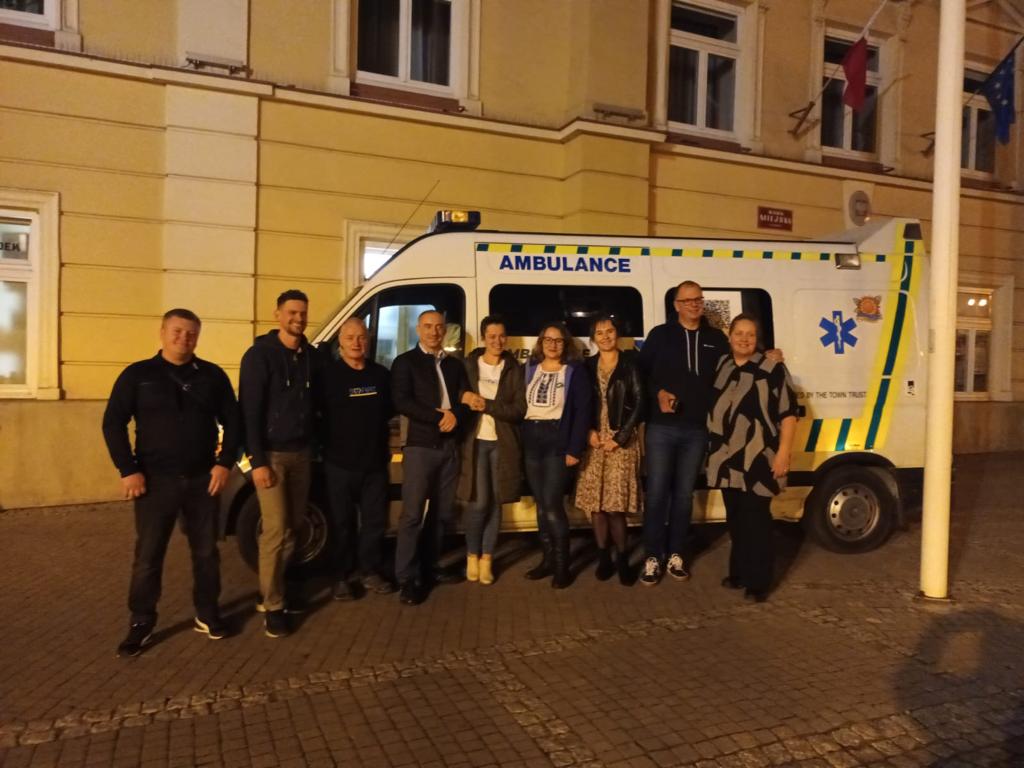
GC: Definitely getting there and meeting the volunteers and the people who were going to drive the ambulance into Ukraine. It was great to create this connection with the local organisations and show them our admiration and support. Getting there and making that happen was just incredible.
TH: To me as well. The hospitality was unbelievable. I was so worried that we would arrive half an hour later than we’d announced. The Mayor of Przemyśl, Przemysław Bakun, was waiting for us. Yet when we arrived, worried about being late, he was waiting for us and cheerfully invited us to a restaurant. That was so memorable and such a relief. Everything took place in a relaxed atmosphere and everyone was welcoming. After so many hours of driving, we were exhausted. So, we needed to have all these people waiting for us with a table in a restaurant. (laughs).
BP: About 15% of Stratford’s inhabitants are Polish. In the meantime, you – Ms Hebert – are Ukrainian. To which extent do these factors explain such an active involvement of yours and your local community in supporting Ukrainian refugees?
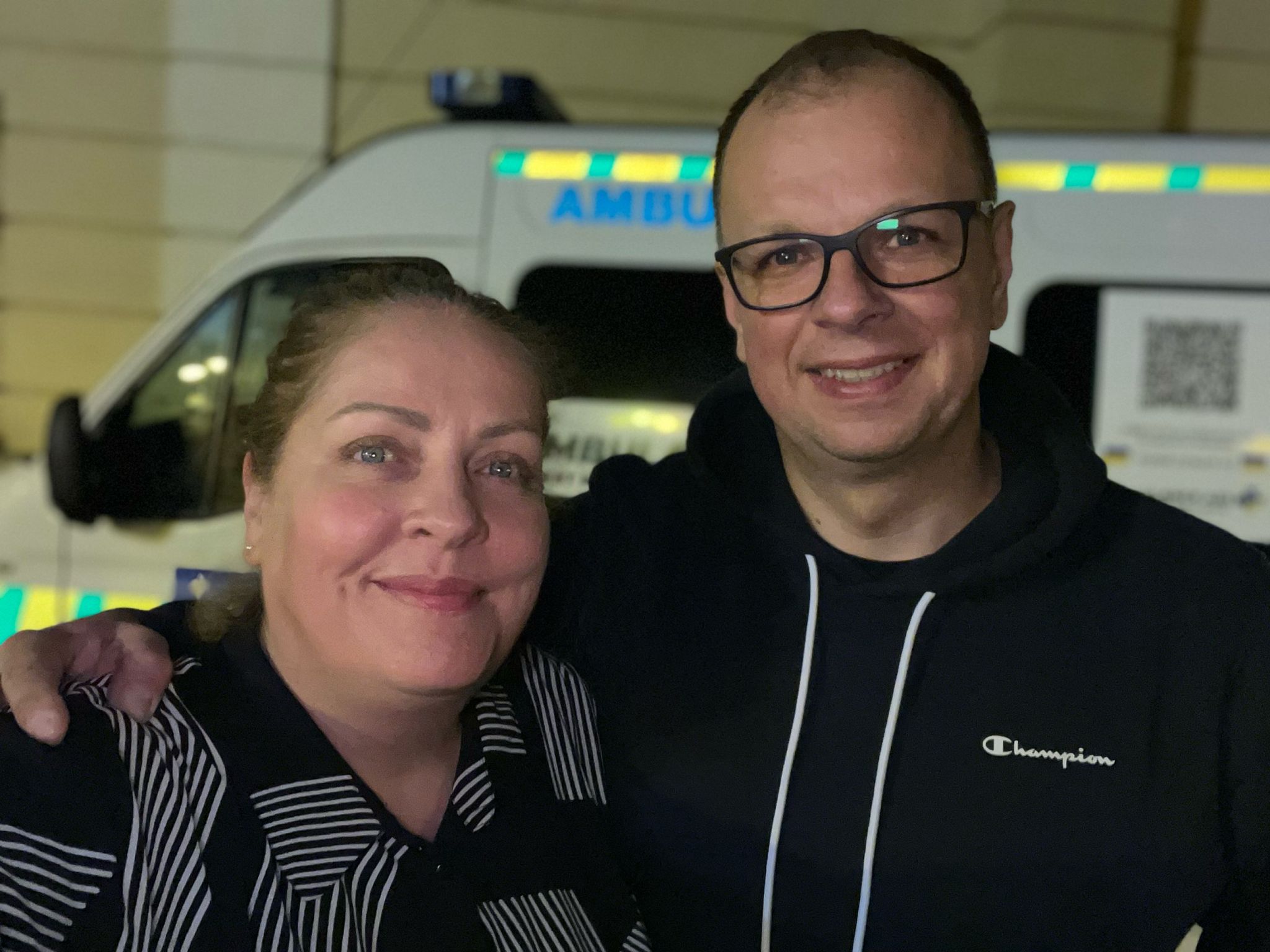
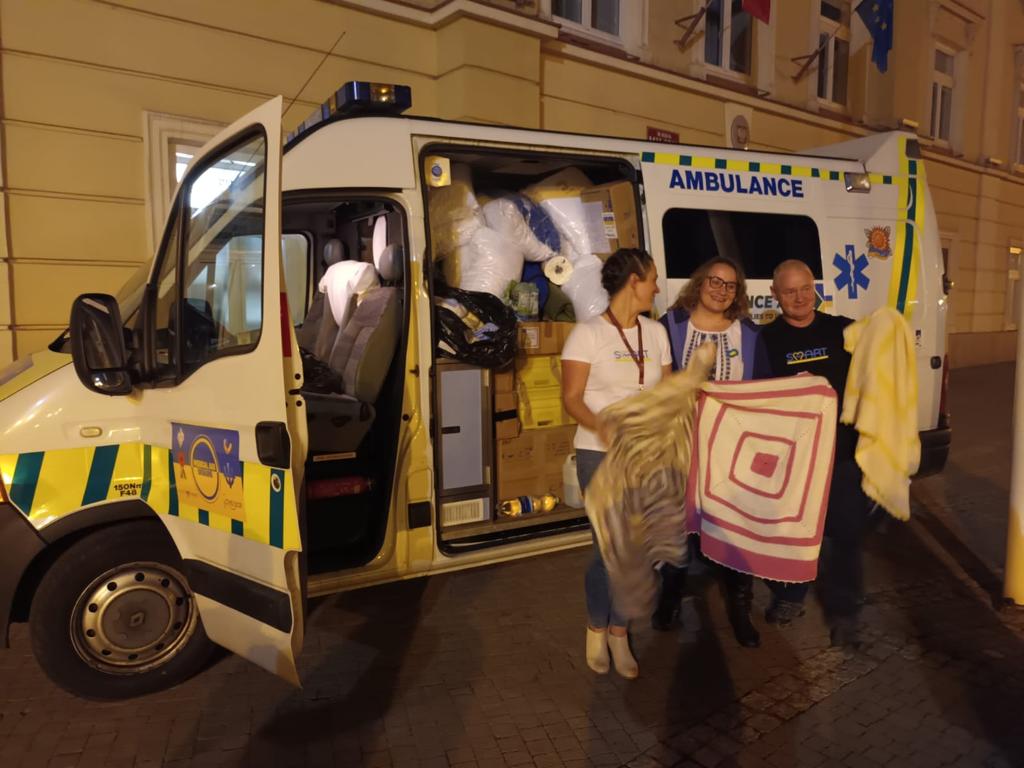
TH: Being Ukrainian, I have family there, so when the war started, my whole world just collapsed. I tried to find out what I can do to help. My first idea was to join the army and fight. Then, after some thought, I concluded that I might not have the right skills. Maybe I could be helpful via medical supplies and from the medical point of view. So I coordinated the sending of ambulances to Ukraine. It was already the eight ambulances we sent now, and two more will be delivered in the upcoming weeks. We’ve been given a lot of support through donations, equipment etc. I never expected we would get so much support. Gil’s endorsement was also unexpected and of immense help.
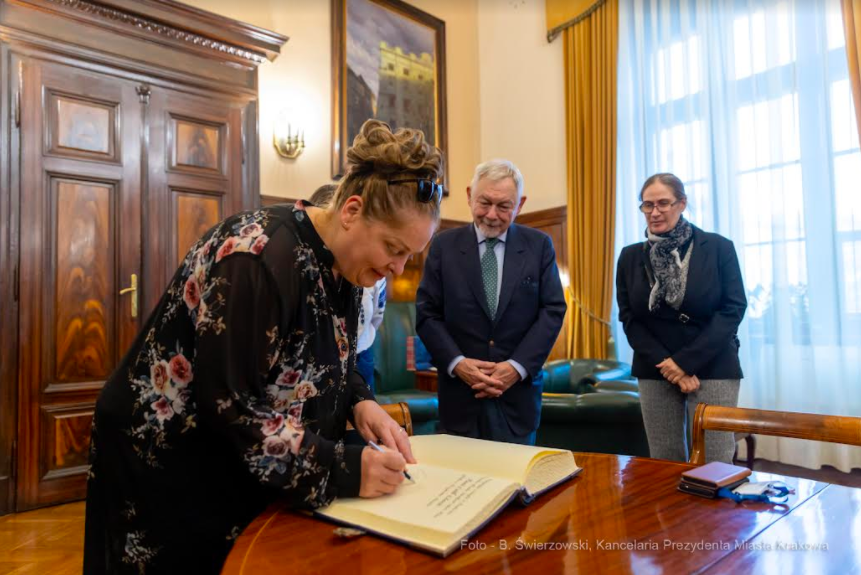
BP: During your stay in Poland, you also travelled to Kraków, where you met with the city’s Mayor. Can you tell me a bit more about this part of your journey?
TH: We have a lot of contacts through Polish teams based in Kraków. We got in touch with the Mayor to share thoughts and ideas on how to coordinate our actions. We talked about the number of refugees the city has taken in, which is about 180.000.
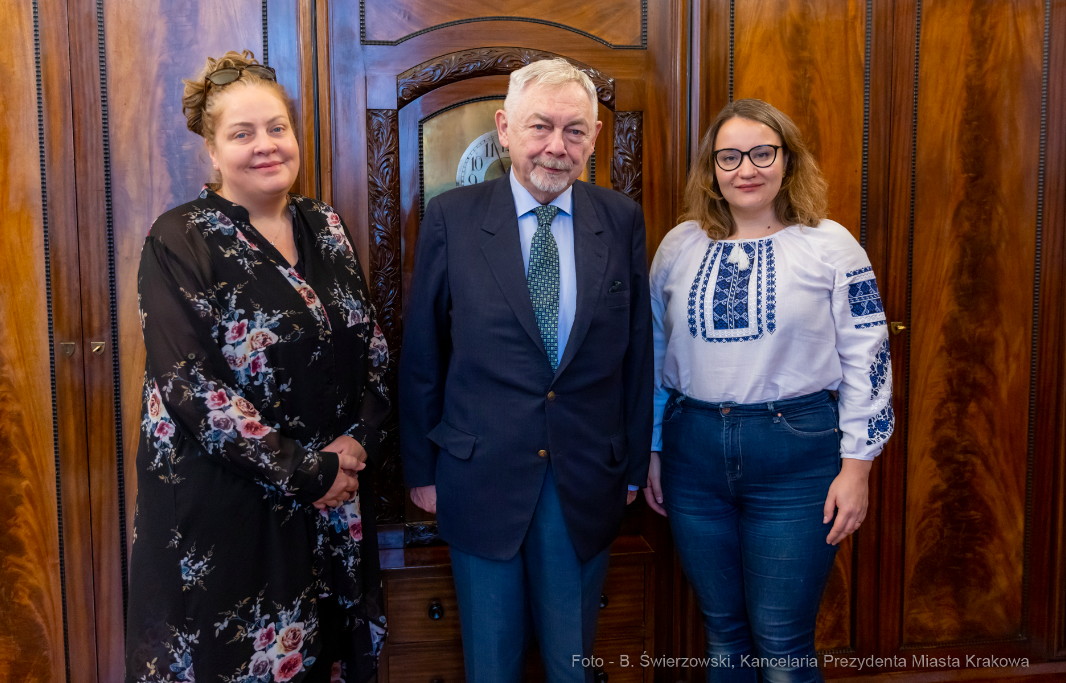
GC: It was an honour to be greeted with such hospitality. It shows the support is there. They recognise the support we are giving. It’s about building bridges between each other. We learned so much by being there. We knew how Poles were supportive of Ukrainians, but to hear all these numbers makes what we are doing look very small in comparison to what Poland is doing. It’s just incredible.
BP: Ms Cleeve, it was your first time in Poland. You sound as if you’d be keen on visiting it again.
GC: Definitely! I’d love to come back, but then with more free time. (laughs)
BP: Thank you so much for your time, and congratulations on this admirable initiative!
Pictures: Discretion of Tania Hebert
Interviewer: Sébastien Meuwissen
Photographs: Bogusław Świerzowski – Municipality of Kraków.