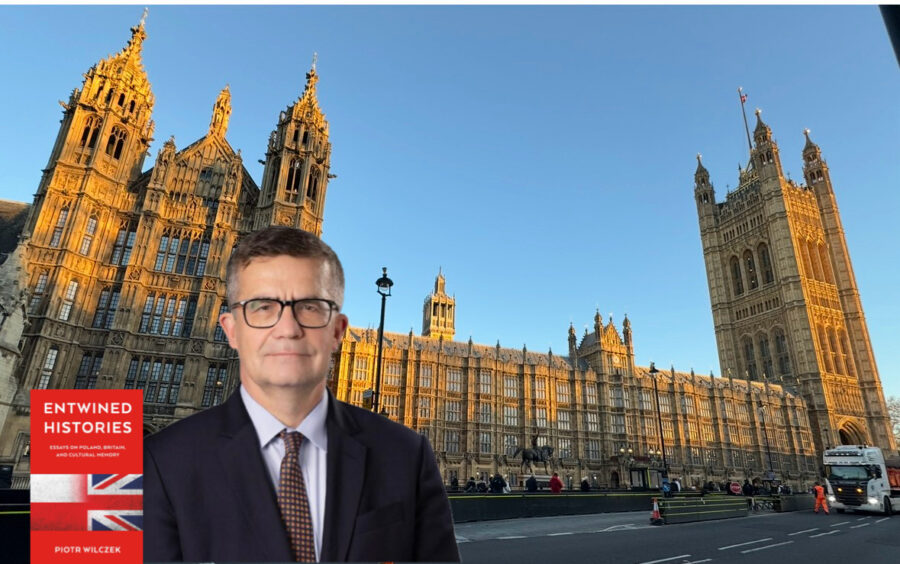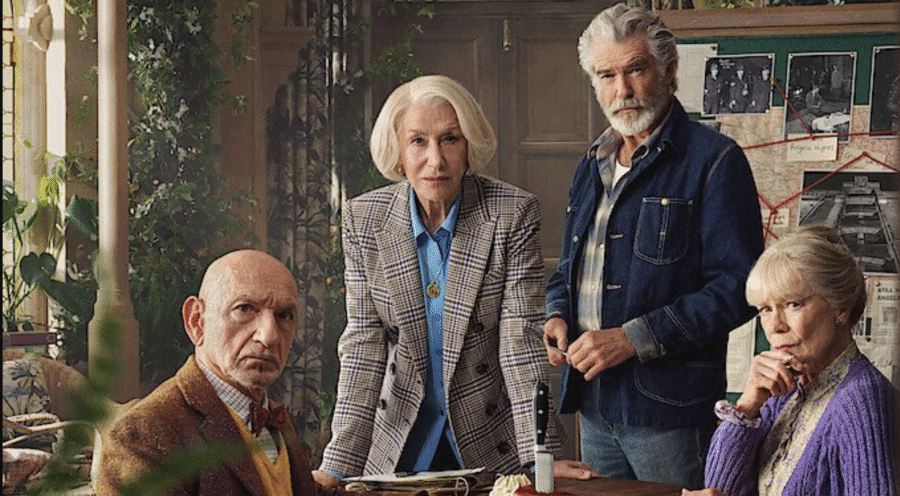
A recent article in The Spectator has reignited debate about the way Polish characters are portrayed on British screens. Written by Piotr Wilczek, Poland’s ambassador to the UK, the piece argues that filmmakers continue to rely on a narrow set of clichés that reduce Poles to stock figures rather than three-dimensional people.
Ambassador Wilczek highlights how Polish characters are often cast in familiar roles: the rough labourer, the comic misfit, the desperate migrant or, at worst, the criminal. Instead of adding texture or depth to storylines, these figures frequently appear as props to advance a plot or to inject humour.

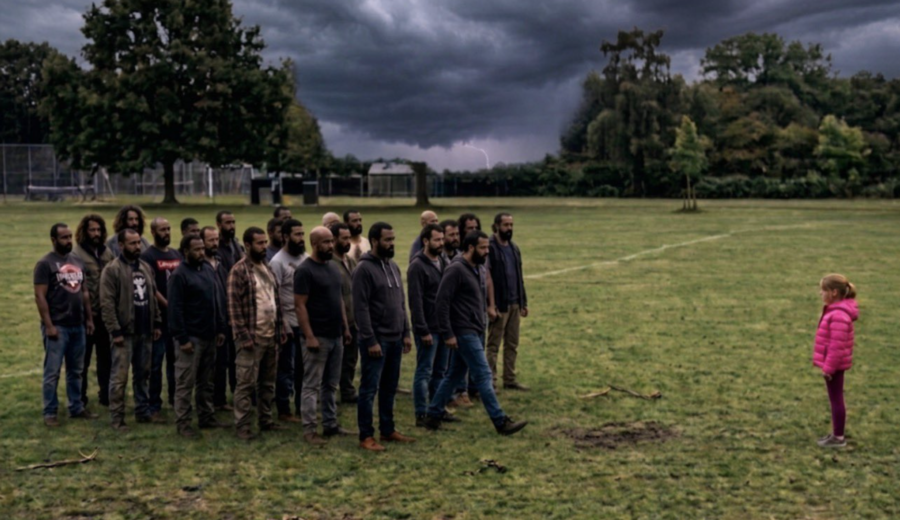
A case in point, he notes, is the recent film adaptation of The Thursday Murder Club. The character Bogdan Jankowski begins as the affable handyman, only to be revealed later as someone embroiled in a killing, desperate to reclaim his passport and return to his dying mother in Poland. For Wilczek, the narrative reduces a tragic situation to a tired trope: the immigrant trapped, helpless, and ultimately pushed into crime.
Such portrayals, he argues, are increasingly out of step with reality. Since Poland joined the European Union, Poles have become one of the largest migrant communities in the United Kingdom. They are now a visible part of everyday life, working across professions in hospitals, schools, universities, construction sites and businesses. Their presence is no longer exotic, yet British film and television still struggle to reflect that normality.
The reliance on stereotypes, Wilczek warns, is more than just artistically lazy. It shapes the public imagination, reinforcing narrow assumptions about who Poles are and how they live.

“When viewers are fed the same images again and again,” he writes, “those caricatures gradually form the backdrop to how a community is perceived.”
His call is directed at scriptwriters, directors and producers: move beyond shorthand characterisation and engage with Poles as full, rounded individuals. Doing so would not only challenge lazy prejudices but also enrich British storytelling.
The article has struck a chord with many in the Polish community in Britain, who have long felt that their contributions and experiences are absent from mainstream narratives. As the UK continues to grapple with questions of diversity on screen, Wilczek’s intervention suggests that representation is not only a matter of ethnicity or race, but also of acknowledging the lived realities of all significant communities.

“Stereotypes are easy. Real life is harder – and more rewarding. It’s time British culture caught up. And if it can’t, perhaps it isn’t the Poles who are stuck in the past, but Britain’s scriptwriters,” the Ambassador concludes.
You can access the original text here: https://www.spectator.co.uk/article/lazy-polish-stereotypes-are-spoiling-british-films/
Photo: @SinemaTengahMlm/X
Source: The Spectator
Tomasz Modrzejewski