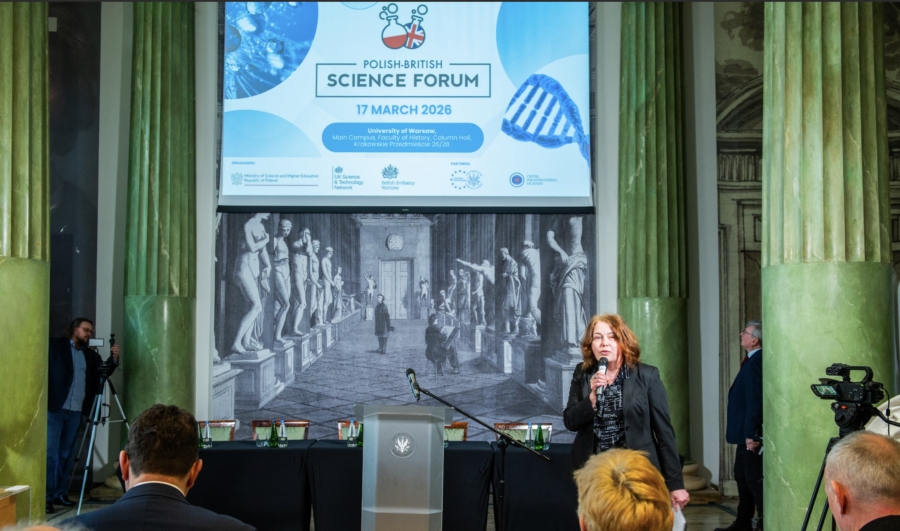
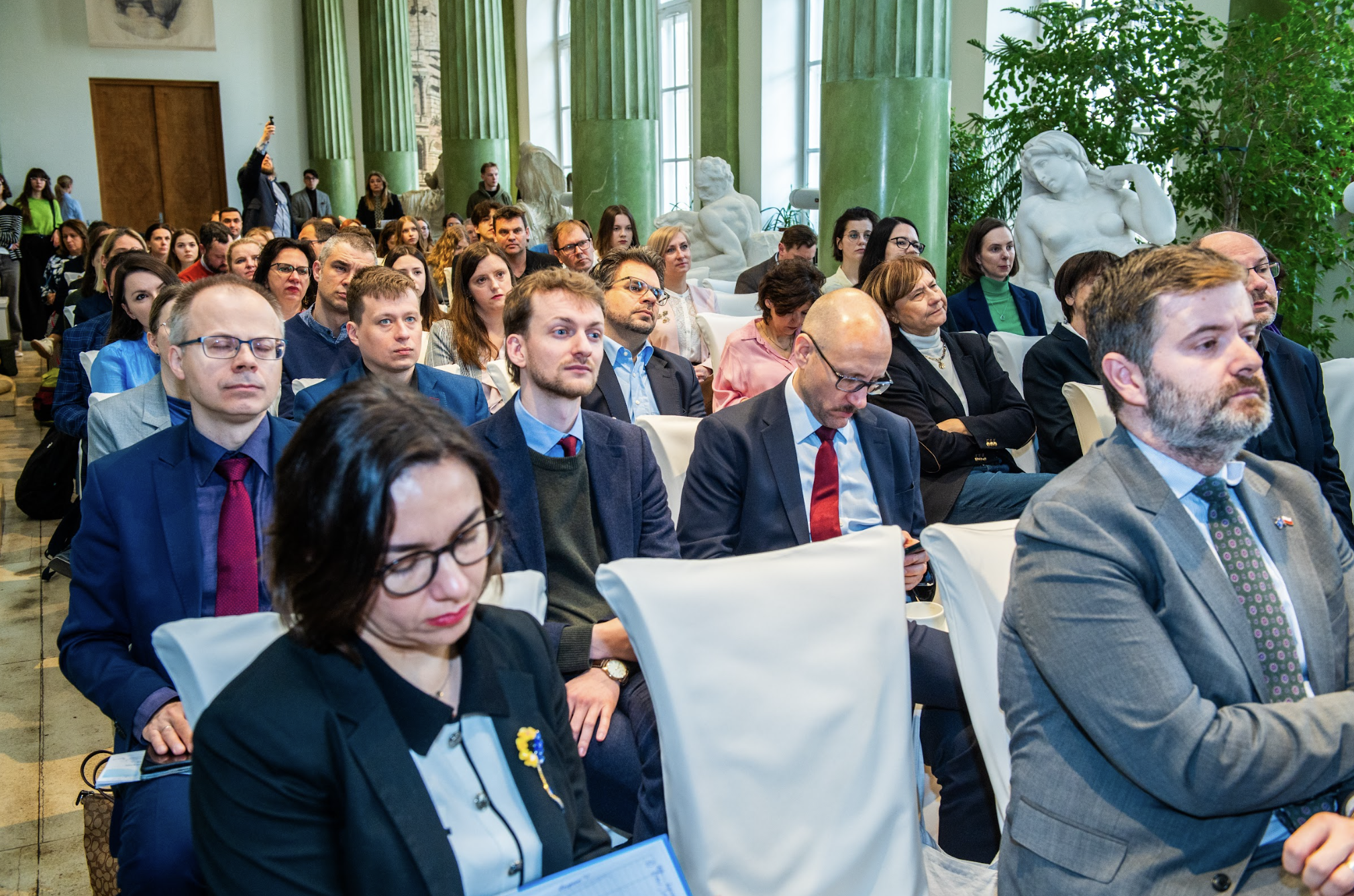
The sixth edition of the Polish–British Science Forum has concluded at the University of Warsaw (UW), bringing together leading academics, policymakers and institutional representatives from Poland and the United Kingdom. The event reaffirmed the importance of international scientific cooperation at a time of growing geopolitical fragmentation.
Hosted by UW’s Faculty of Political Science and International Studies, the forum focused on strengthening bilateral research ties, fostering innovation, and addressing global challenges through shared expertise. Participants highlighted the enduring value of collaboration between Polish and British institutions, particularly in the context of shifting global research dynamics.
Jamie Arrowsmith (Director of Universities UK International) underscored the distinctive strength of the UK’s research environment, noting that diversity and openness remain central to its success. “Plurality and difference – a strength through cooperation – that’s what makes the UK different,” he said, emphasising that inclusive collaboration enhances both creativity and scientific outcomes.
Speakers repeatedly contrasted Europe’s collaborative approach with more inward-looking trends elsewhere. One participant pointed to changing global attitudes, observing: “The US has a new rhetoric, stopping international collaboration; China [is] thinking the same. Europe is cooperating, while others are closing themselves off, which is a mistake.” The comment reflected a broader consensus at the forum that sustained openness is essential for scientific progress.
The Polish government was represented at the event by deputy minister for Science, prof. Andrzej Szeptycki.
Public trust in science emerged as another key theme. Delegates stressed the need for stronger engagement with society to maintain support for research and innovation. “Engaging with the general public is very important,” one speaker noted, adding that international examples offer valuable lessons. “Japan, for example, where many people go through tertiary education, trust in science is very high, and we can all learn from that.”
Professor Sally Wheeler highlighted the delicate balance between competitiveness and intellectual freedom. “When we talk about competitiveness, we have to be careful not to squeeze out curiosity, which can lead in the future to competitiveness,” she said, warning against overly instrumental approaches to research funding and evaluation.
The forum also provided a platform for discussing future joint initiatives, including academic mobility, shared funding mechanisms, and interdisciplinary projects. Participants expressed optimism that Polish–British cooperation would continue to grow despite broader international uncertainties.
As the event concluded, organisers emphasised that the forum is not only a space for dialogue but also a catalyst for real partnerships in an era marked by global challenges.
Source: British Poles, University of Warsaw
Photo: Centre for International Relations UW
Tomasz Modrzejewski