As the Polish National Bank informs Poland has been exposed to several crises in recent years. A pandemic, Russian aggression against Ukraine, an energy crisis – these could have seriously shaken our economy and monetary system. The decision to increase the gold deposit is to stabilise the situation in an uncertain time.
“The flexible policy pursued by the NBP protects us from crises related to so-called external actions, independent of us. In Poland, these major crises lasted for a shorter period and were passed over more smoothly,” Artur Soboń, member of the NBP board, said at Krynica Forum 2024.
According to the NBP Board Member, Poland still benefits from the wave of economic growth. The stability of such growth is served, among other things, by the large reserves that the country holds, including the ones in gold.
“The increase in the price of gold also makes it a very good investment. However, the purchase of gold is first and foremost a matter of increasing reserve assets and therefore financial security,” Mr Soboń added.

As Mr Soboń recalled, 100 years ago the Polish gold reserves amounted to only 25 tonnes. Since 2000, Poland has increased its gold reserves sevenfold.

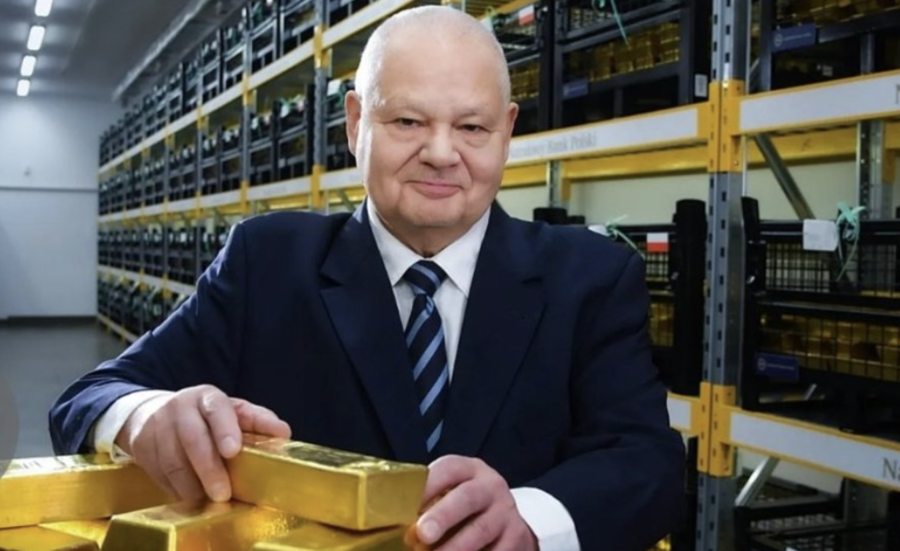
The President of the Polish National Bank Adam Glapiński said that on his decision, and, „on behalf of all Poles [The Polish National Bank], has already accumulated over 400 tonnes of gold” in its reserves.
„Specifically, we now hold 420 tonnes of gold, and thus we entered the exclusive club of the world’s largest gold reserve holders,” Prof. Glapiński added.
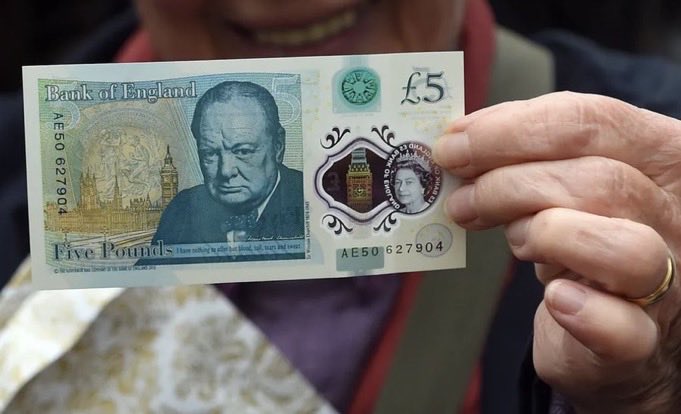
According to the NBP data Polish gold reserves Poland’s gold reserves have now surpassed those of Britain.
According to press information from 2019, Poland brought 100 tonnes of its gold reserves back to the country from the deposits in the Bank of England.
„We are aiming for 20 percent of our currency reserves to be in gold,” President Galpiński told the reporters.
In the first days of the 2 World War Poland was able to evacuate its gold reserves (80 tonnes) to France in a special mission coordinated by the NBP workers and a famous Polish athlete, Halina Konopacka.
In a report on 31 December 1938, The League of Nations estimated that the gold reserves of the Second Polish Republic were almost three times higher than those of the Third German Reich, which was preparing for war. These figures included only gold accumulated in the safes and foreign deposits of the National Bank of Poland.
After the outbreak of the 2nd World War on 1 September 1939, Konopacka’s husband was tasked with transporting the Polish gold treasury of the National Bank of Poland to prevent it from falling into the hands of the Germans. Almost 80 tonnes of gold were placed on the seats of several city buses and other vehicles.
Halina, as the only female driver, drove as the last (and only female) driver of a dozen cars. On 7 September, after collecting gold from several other locations, the cavalcade moved from Lublin towards the border with Romania. During the day, the drivers slept in the forests, hiding their cars with branches so that the German reconnaissance planes would not spot them.
In the border town of Sniatyn, the drivers loaded the gold onto a train on which the precious transport reached Romania. From the port of Constanța, Konopacka and the rest of the group travelled to Istanbul. There the group moved the gold to another train and reached Beirut. Ignacy Matuszewski sailed with the gold on a French navy ship to Toulon and reached Sevres, where the gold was hidden.
Halina joined her husband in France and together they escaped to the U.S. where they lived during 2 World War. During the mission, Konopacka’s luggage was lost together with her Olympic gold medal that was never found.
You can read the full amazing story of Halina Konopacka in our article here: Halina Konopacka – the first Polish Olympic champion who evacuated gold from Poland in WW2.
Source: PAP, Polskie Radio, NBP
Tomasz Modrzejewski