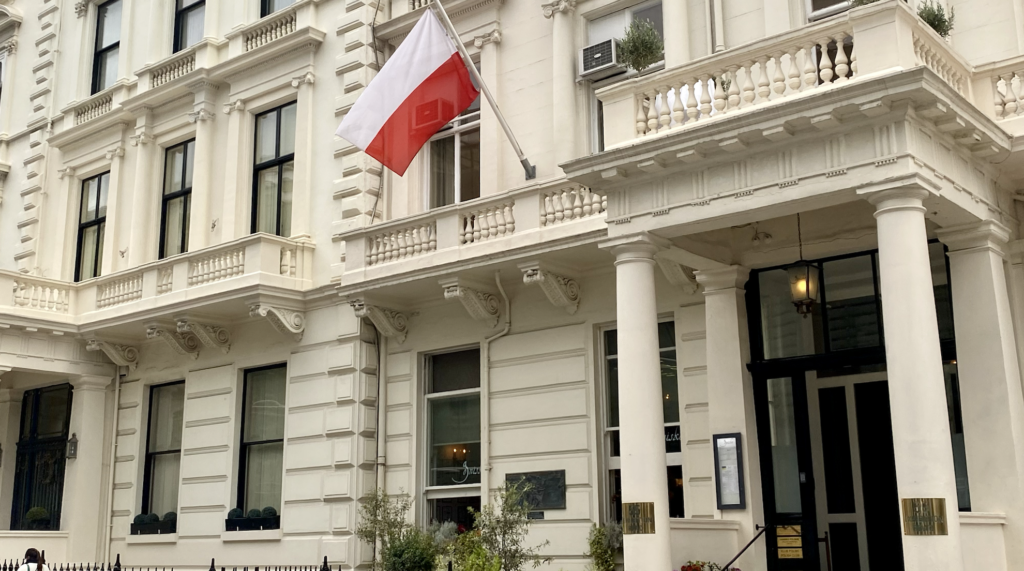
In his article, Robin Ashenden describes London as a city full of Eastern European culture. The depiction includes Polish institutions such as the Polish Hearth Club.
Robin Ashenden says that he was aware of the presence of emigrants from Eastern and Central Europe in Britain.
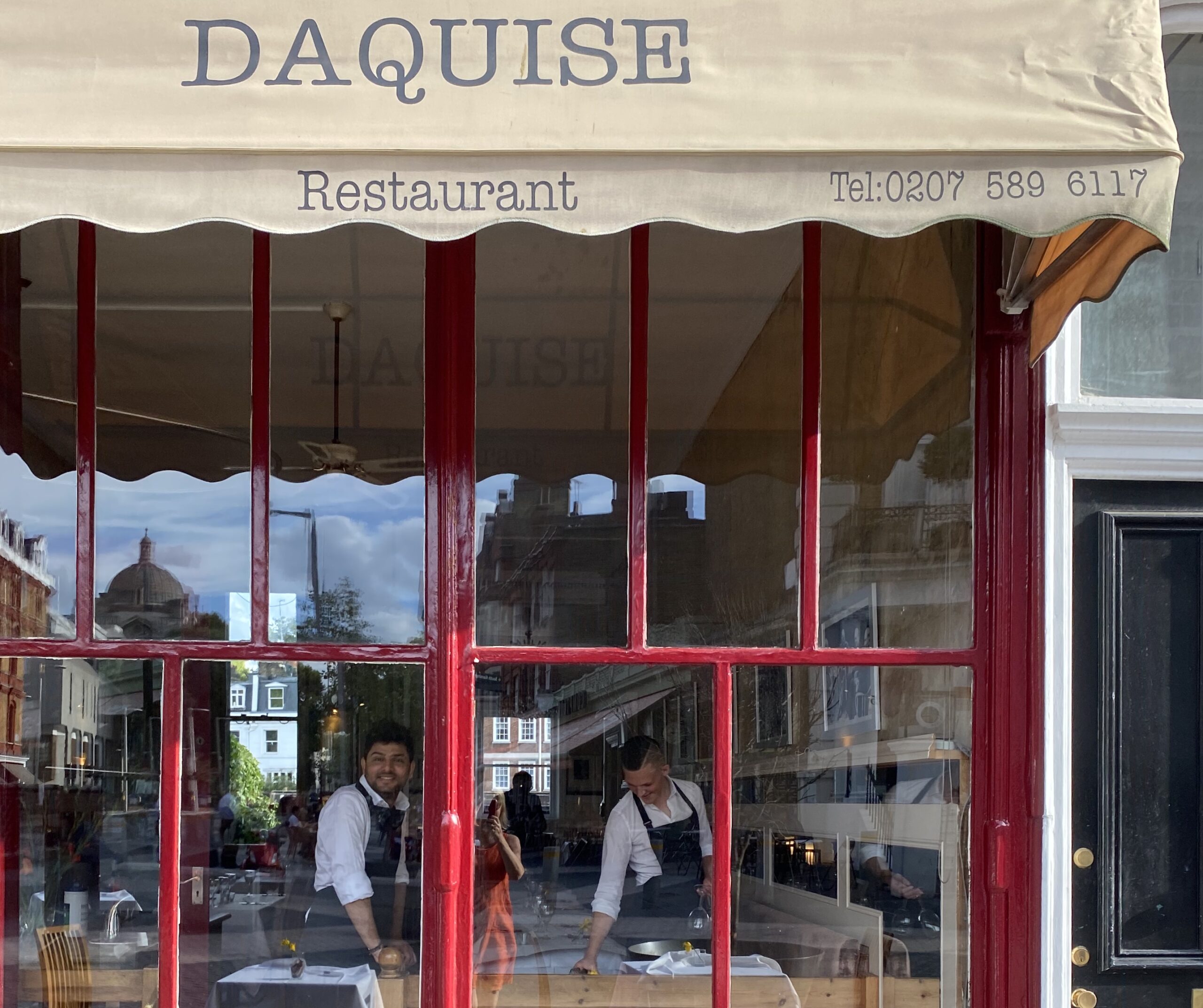
“I was aware of course, even in my teens, of Polish London. There was the restaurant Daquise in South Kensington which, before its 2012 refit, was one of those places you couldn’t imagine the area without.”
However, by explaining the meaning and importance of the places and culture the migrants brought to London he shows a wider perspective of their life here.
A few minutes away on Exhibition Road, you had the Polish Hearth Club (Ognisko Polskie), opened at the start of the Second World War. Ognisko had a sumptuous sprucing up a decade ago (no one was complaining, especially the diners).”
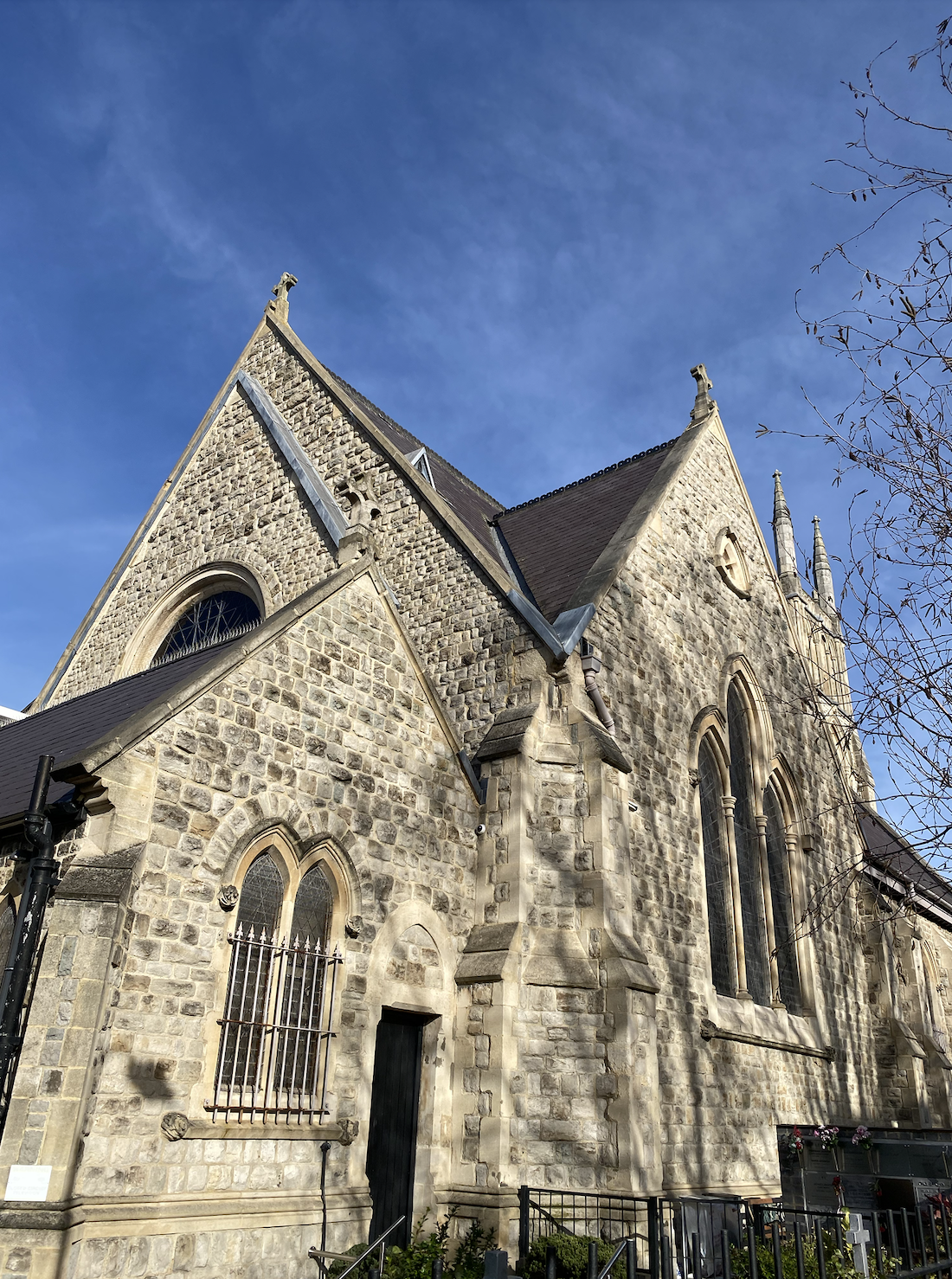
The author also mentions the importance of Christian shrines of Poles, Ukrainians and Romanians across the British capital.
Then, of course, there are the Eastern European churches all over London, of which the Polish St Andrew Bobola is just one example. Romanians have their Orthodox church (St Dunstan-in-the-West) on Fleet Street, the Ukrainians their Catholic Cathedral of the Holy Family in Exile in Marylebone, while in Hammersmith there’s the Hungarian Reformed Church for Magyar families.
What Robin Ashenden appreciates most are countless events showing Eastern European culture that are open for Londoners almost every day.
“But what really allows you to live an Eastern European life in London are all the events going on, many of which are free, most of which Londoners remain completely unaware of. A look at websites of London places like the Romanian, Hungarian or Ukrainian cultural institutes gives you a taste of what you can find in a typical month. This October, at no charge, I can, among other things, listen to an award-winning Hungarian jazz pianist, go to a photographic exhibition of grand, abandoned Romanian buildings, have a guided tour round the works of a prominent Prague painter, or see a Ukrainian poet being interviewed on writing about war.”
You can read the full Spectator article here.
Source: The Spectator
Tomasz Modrzejewski
Photos: Caroline Byczynski