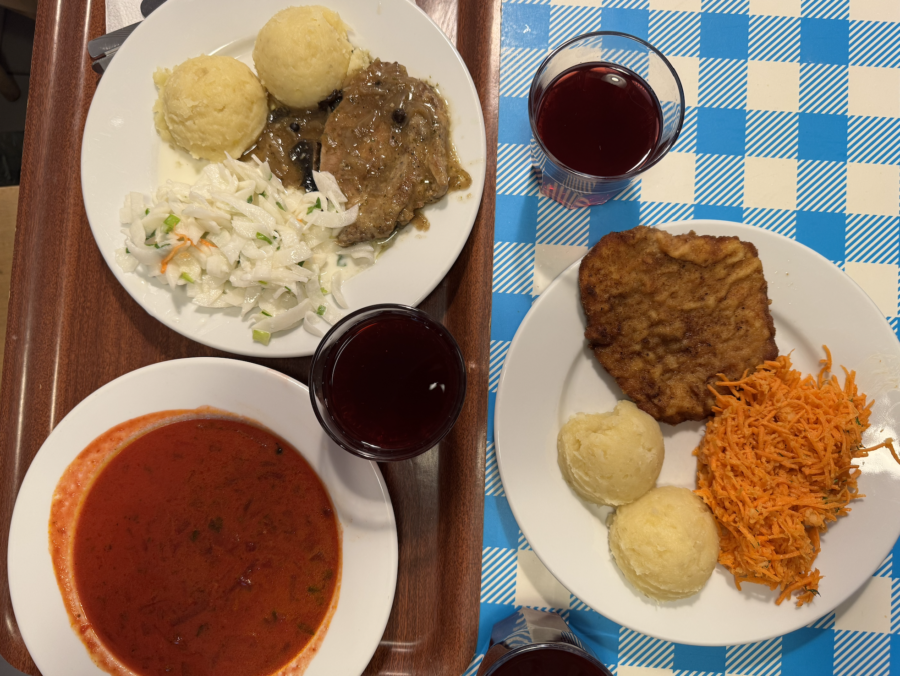
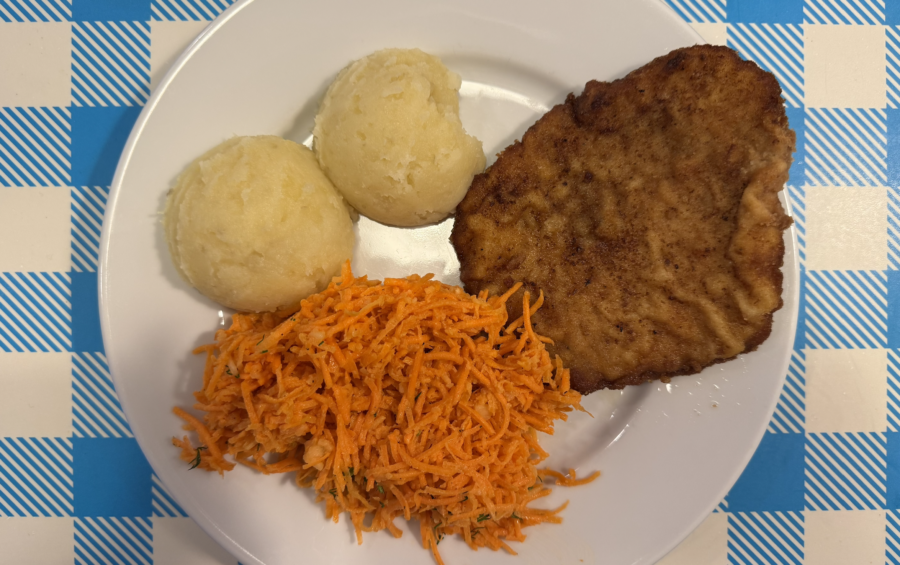
As The Economist explained, milk bars were on the increase during the communist era, when other restaurants were rare. Their unique features: serving simple food for low prices and a casual atmosphere helped them survive the economic transformation in Poland and come back to popularity.
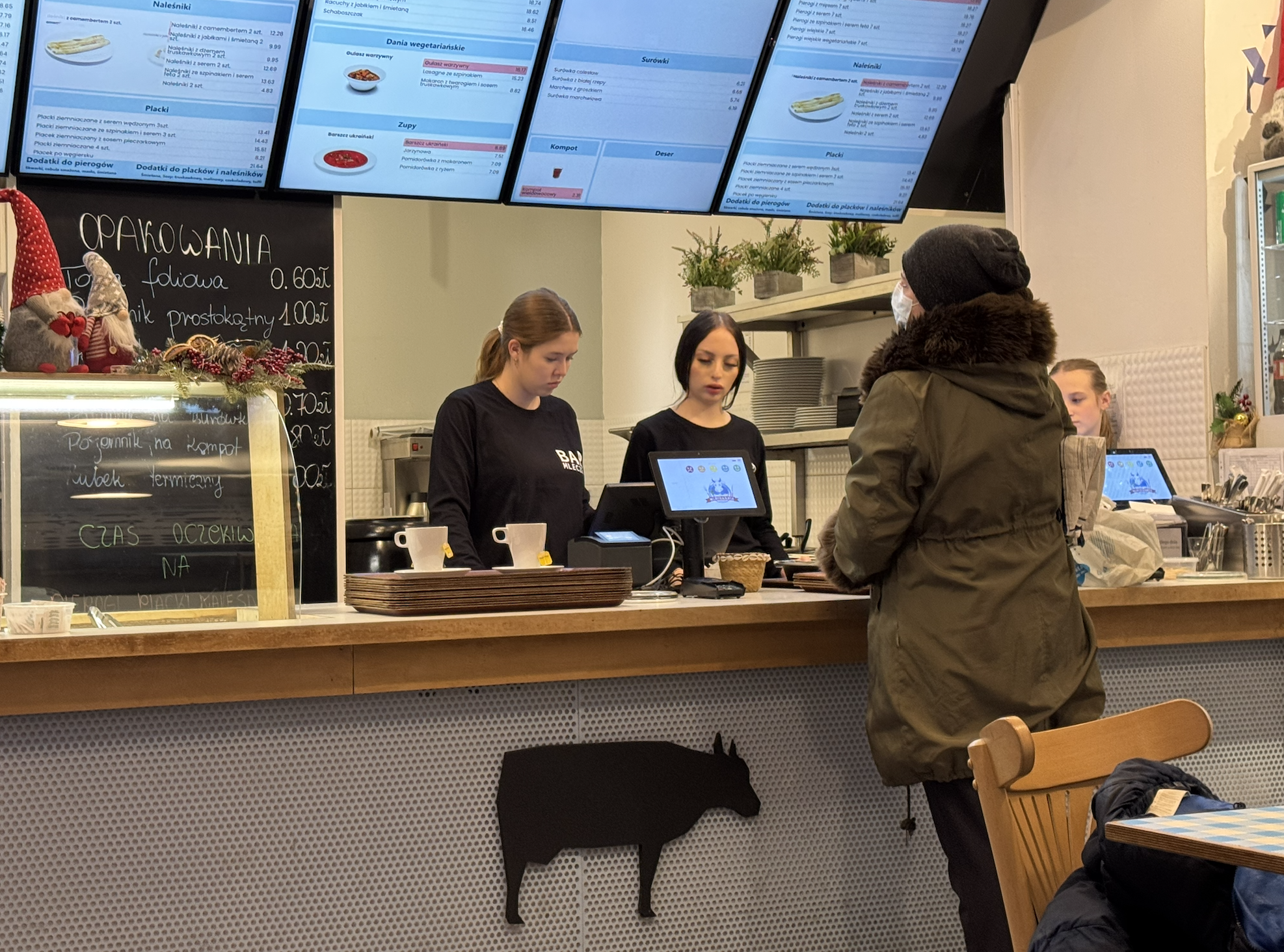
“Dozens of them have survived thanks to nostalgia for home-cooked food and an unpretentious atmosphere, as well as government subsidies to keep prices relatively low. Some of these establishments offer meals to the unemployed and homeless, paid for by social assistance,” The Economist wrote.
At the same time, the weekly reported that the sentiment surrounding the bars dimmed when the government announced plans to cut their funding from £71 million to £60 million in 2025. The government explained that not all of the funds earmarked for this purpose had been used in 2024.
“At lunchtime, the Prasowy milk bar in central Warsaw is a portrait of Polish society. Grey-suited officials from nearby ministries queue up alongside students anxious to slurp down a bowl of tomato soup before the bell calls them back to school,” The Economist described the atmosphere of a Warsaw milk bar.
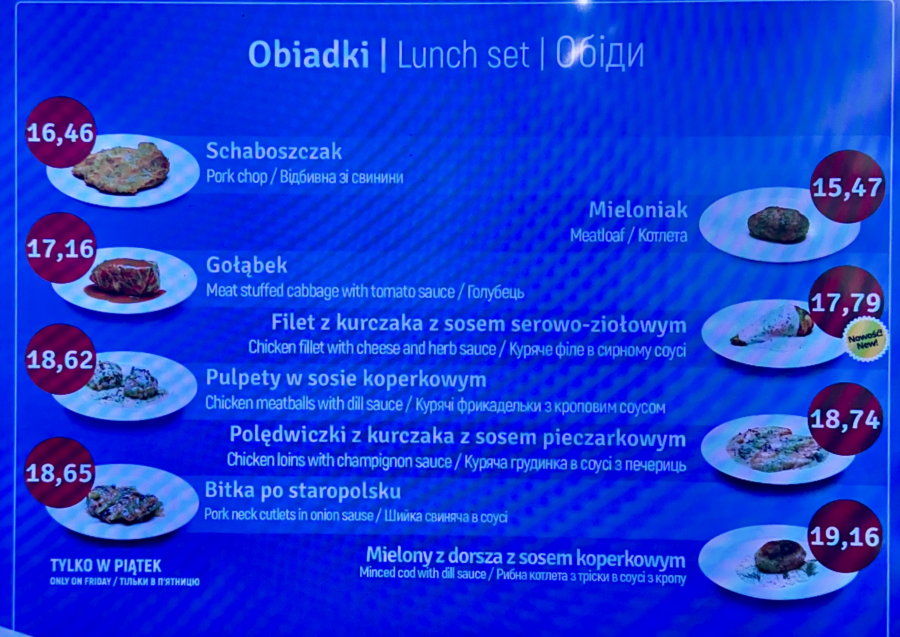
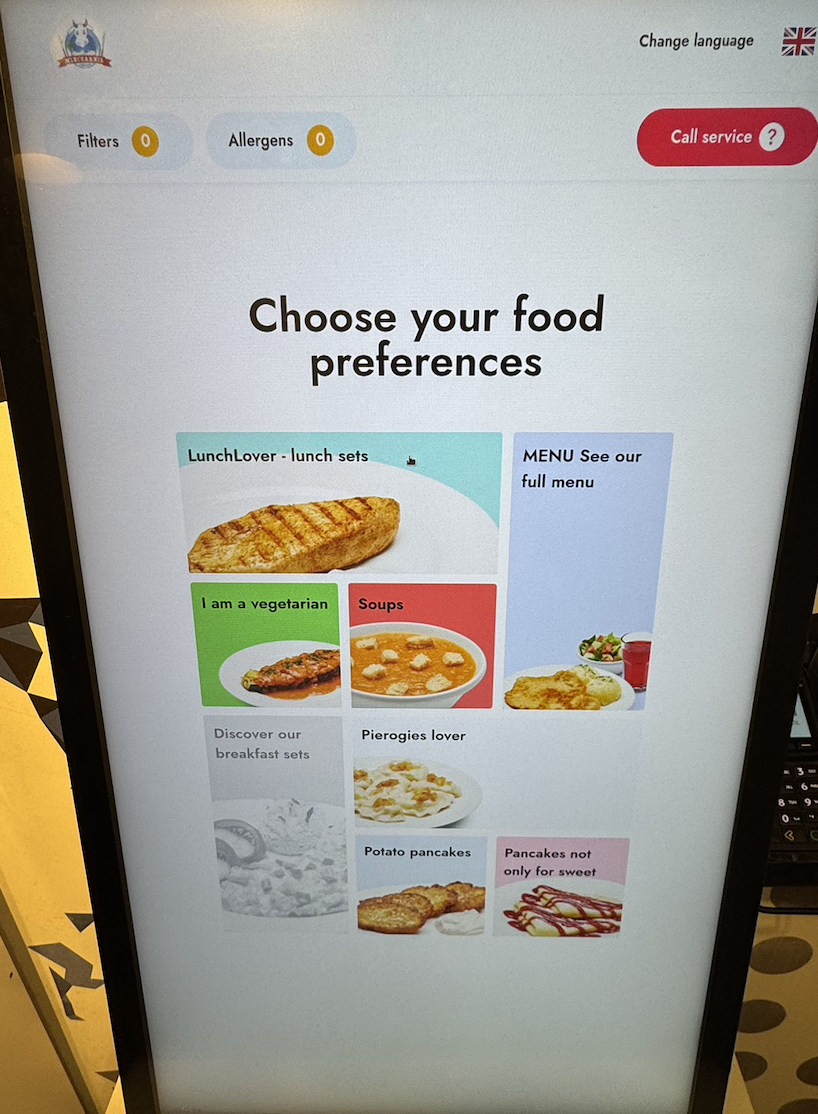
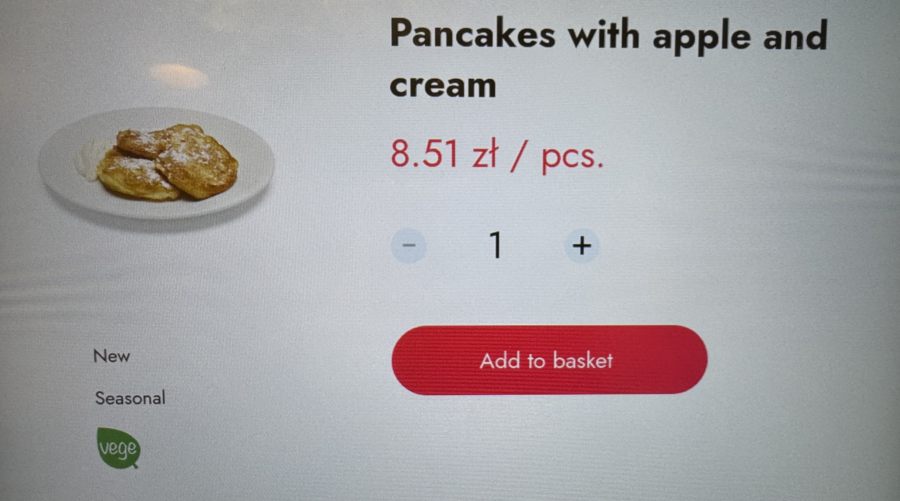
The Weekly also pointed out that in today’s Poland, some milk bars aim to modernise and offer new and more complicated dishes to attract both tourists and the locals.
Source: The Economist, TVN24
Photo: British Poles
Tomasz Modrzejewski