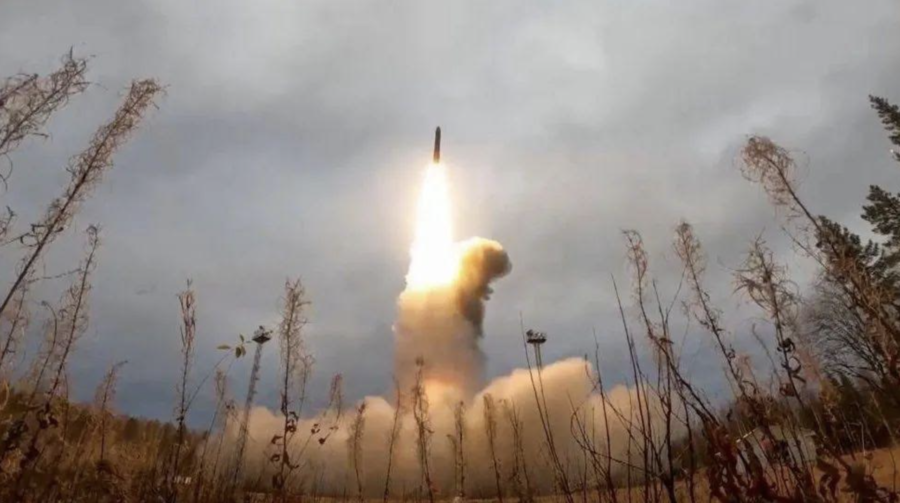
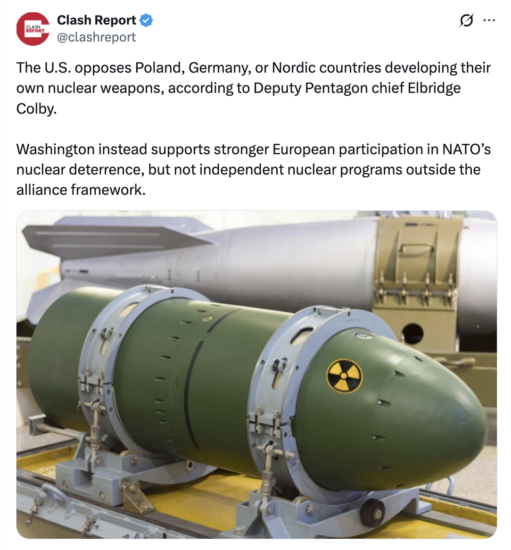
The United States would strongly oppose any attempt by Poland or other European allies to develop their own nuclear weapons, a senior Pentagon official has said, as debate intensifies in Europe over the future of nuclear deterrence.
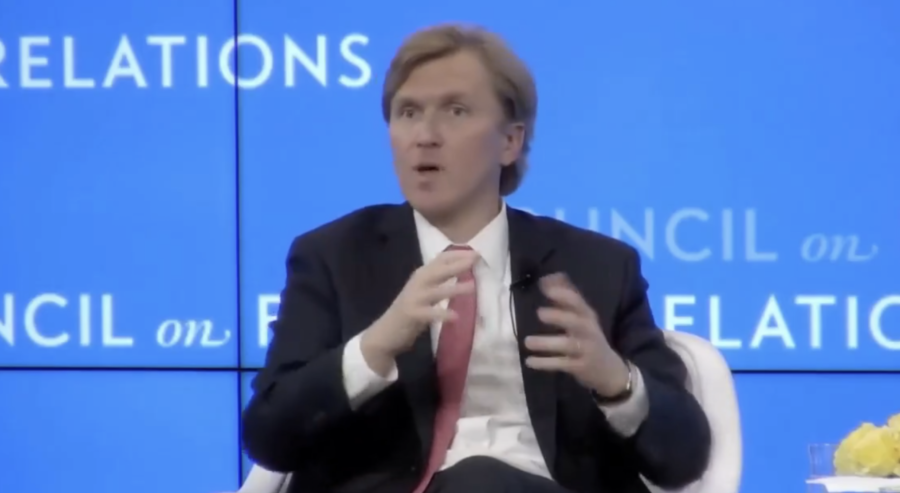
Speaking at the Council on Foreign Relations in Washington, Elbridge Colby, the US Deputy Secretary of Defence for Policy, made clear that Washington does not support the idea of new nuclear-armed states emerging within NATO.
“If governments such as Poland or Germany were to approach us about developing their own nuclear capabilities, we would try to dissuade them,” Colby said. “At the very least, we would strongly oppose it.”
His remarks come at a moment of growing strategic uncertainty in Europe. Russia’s war against Ukraine and doubts about the long-term shape of American security commitments have prompted renewed discussions among European governments about nuclear deterrence.
Poland has increasingly found itself at the heart of those discussions. As NATO’s key eastern-flank state, Warsaw has been strengthening its military ties with the United States while also taking part in broader European security debates.
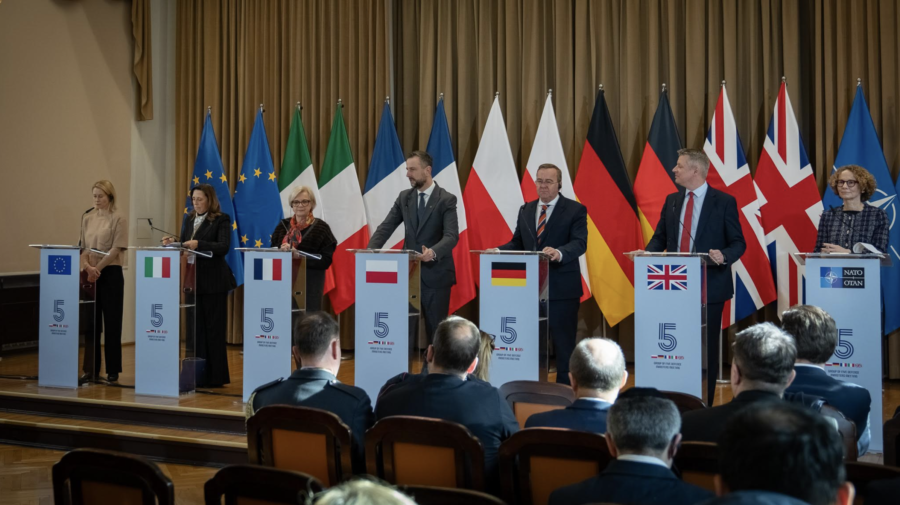
Polish Foreign Minister Radosław Sikorski recently emphasised that Warsaw had not been invited to join a French nuclear deterrence structure but had only received “an invitation to talks”.
“We will discuss it,” Sikorski said, urging caution. “But I suggest we do not look too far ahead.”
French President Emmanuel Macron earlier outlined a proposal to deepen European cooperation on nuclear deterrence, including the possibility of allies participating in related exercises under France’s strategic umbrella.
Macron argued that strengthening Europe’s nuclear dimension would help reassure allies facing Russia.
Colby indicated that Washington welcomes a stronger European contribution to NATO’s deterrence, but within the existing framework.
“The independent nuclear deterrents of the United Kingdom and France contribute to NATO’s defence,” he said. “That is something positive.”
However, he stressed that creating new nuclear powers within the alliance would be another matter entirely.
“I have not heard credible information that European governments are seriously considering breaking their commitments under the Nuclear Non-Proliferation Treaty,” he noted.
The Pentagon official also warned that extending deterrence beyond national borders is complex.
“Changing declaratory policy is one thing,” he said. “But building credible deterrence that can be extended hundreds of kilometres beyond a country’s territory is another.”
Despite rejecting the idea of a Polish nuclear arsenal, Colby reaffirmed Washington’s commitment to maintaining a strong American military presence in the country.
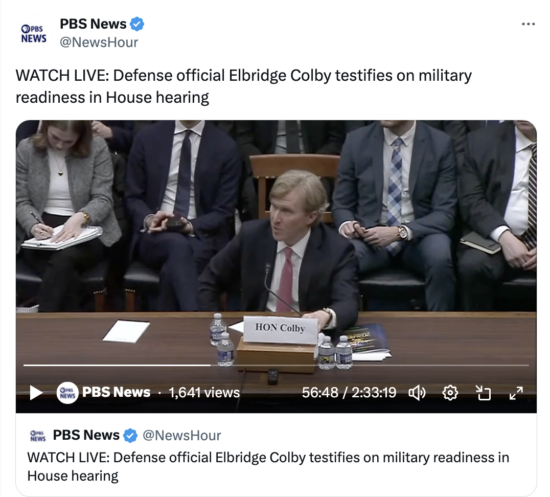
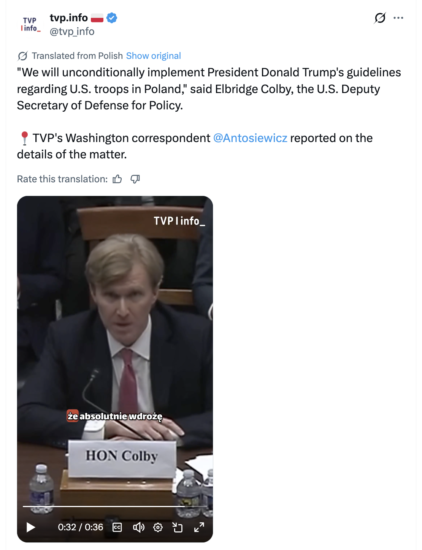
Testifying before the House Armed Services Committee, he pledged to follow President Donald Trump’s guidance on the deployment of US forces.
“You can be certain that we will absolutely implement the President’s guidance on this matter,” Colby told lawmakers.
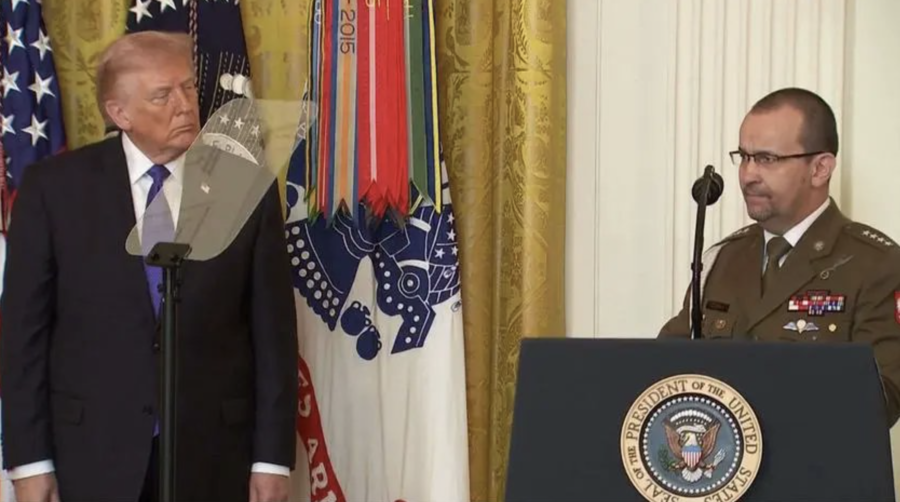
During a White House meeting with Polish President Karol Nawrocki in October 2025, Trump declared that US troops would remain stationed in Poland and suggested that the deployment could even be increased.
“We will put more there if you want,” the US president said at the time.
Colby’s comments come amid broader discussions in Washington about the future of US force posture in Europe. Some American officials have argued that European countries should take on a greater share of the continent’s defence burden.
At the same time, the Pentagon has faced criticism from Congress over decisions such as last year’s withdrawal of a US brigade from Romania.
Responding to criticism, Colby said the move had been welcomed by at least one senior European official.
“I will not quote the person directly,” he said, “but a very significant European official told me it was actually a very beneficial signal for Europe.”
For Poland, the message from Washington appears clear: the United States intends to remain a central pillar of the country’s security, but nuclear weapons will remain firmly under existing NATO arrangements.
Photo: X/@SenseReceptor
Tomasz Modrzejewski