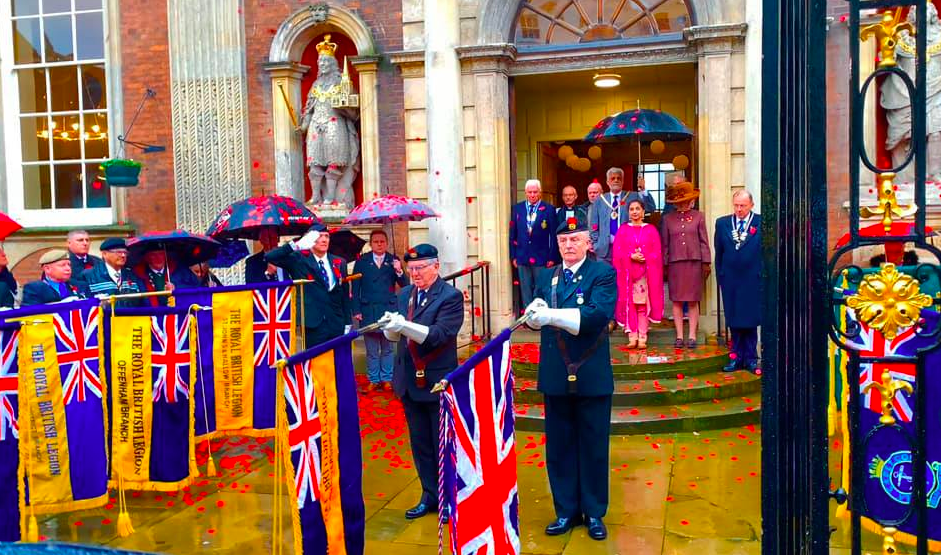
The Poppy Appeal has launched today. First Poppy Appeal was held in 1921 to help members of the public pay their respects to the war dead and raises money for both current and former servicemen and women. Poppies are worn, because they are the flowers which grew on the battlefields after WWI ended. This year the Royal British Legion’s annual Poppy Appeal takes place from October 26th (first weekend after 24th) until Armistice Day on 11 November.
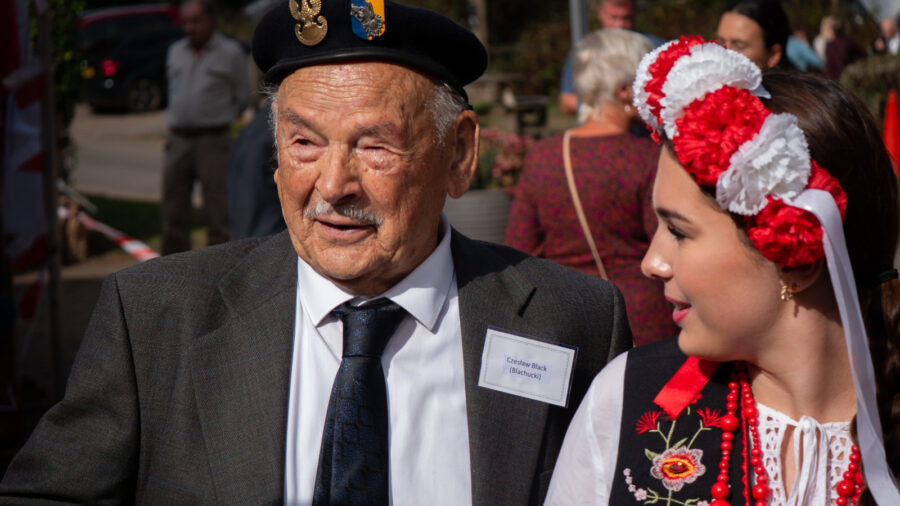
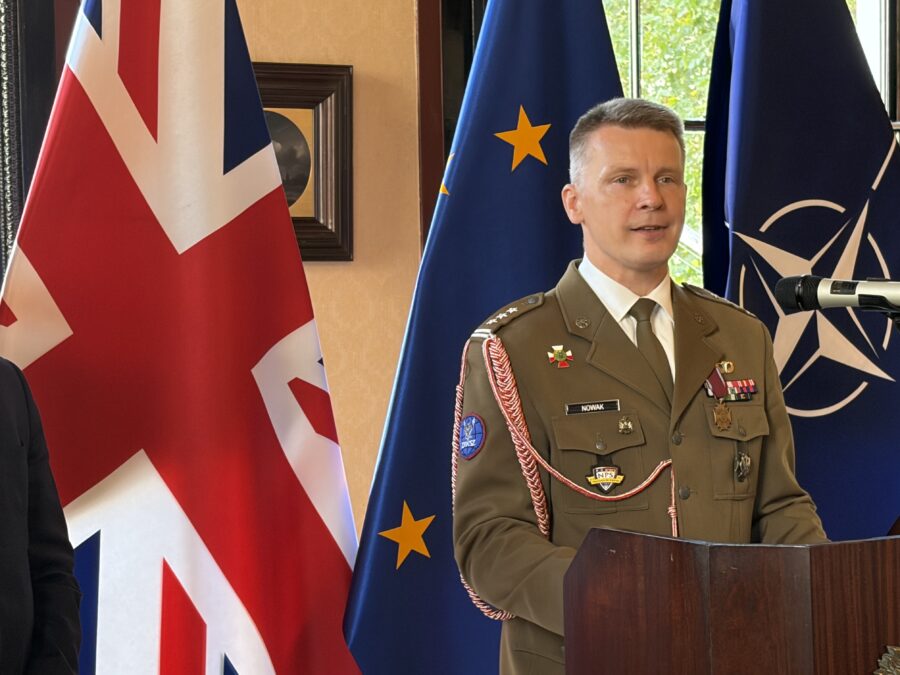
This year the Poppy Appeal launch took place at the Guildhall Worcester as well. There were many distinguished guests who took part in the event: Mr David Waldron – County Chairman of The Royal British Legion, Mrs Jean Waldron – Chairman of the branch of the Royal British Legion, Mr Charles Byrne – Director General, The Mayor Councillor Allah Ditta, Mr Mark Adkins – Scots Guard, Brigadier Roger Brunt, County President RBL, Tomasz Wisniewski – President of the Worcestershire Polish Association, Mr Allan Poyner RBL Branch President, Deputy Lord Lt. any many others.
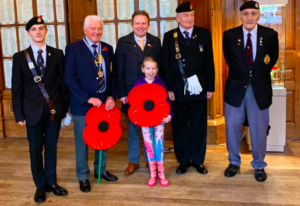
What the red poppies mean for the Poles?
“Czerwone maki na Monte Cassino” (The Red Poppies on Monte Cassino) is one of the best-known Polish military songs of World War II. This song was composed in Italy in May 1944, during the Battle of Monte Cassino, on the eve of the Polish Army’s under General Władysław Anders capture of the German stronghold.
The song was first performed at General Anders Headquarters to celebrate the Polish victory. The Red Poppies on Monte Cassino very quickly won popularity with the troops.
Red Poppies on Monte Cassino also symbolised the extraordinary amount of blood spilled by Polish soldiers to reach the top in order to liberate it.
We well remember what General Anders said and wrote in his book: “Twenty two days under constant fire, in terrible conditions, seven days of fierce struggle to break German defences…It was not just the Battle of Cassino, it was a battle for Poland.”
I have had the opportunity to visit the Polish and British cemeteries in Monte Cassino, and to see graves of those young men who together gave up their lives so that we might have freedom.
“They shall grow not old, as we that are left grow old:
Age shall not weary them, nor the years condemn.
At the going down of the sun and in the morning
We will remember them”.
Author and pictures: Tomasz Wiśniewski, President of the Worcestershire Polish Association