A new chapter in the noble mission of POSK, currently managed by the highly effective President Dr Marek Laskiewicz, began just yesterday – with a lecture by Dr Julia Griffin on an exciting new project entitled: '200 Years of Anglo-Polish Cultural Exchange: Outstanding Poles in Great Britain from 1795 till now’.

We would like to remind you -that POSK is an institution created to spread Polish culture among the Polish community in Great Britain.
The Polish Social and Cultural Centre (POSK for short) in London in the Hammersmith district was founded by the Polish community in Great Britain on the initiative of Prof. Roman Ludwik Wajda (1901-1974), who was also the first chairman of POSK. In 1964, on his initiative, the first public meetings in Great Britain began to inform the Polish community about the idea of building the Centre and raise funds for the implementation of this idea.
https://twitter.com/posklondon/status/1562497179377598467?s=20&t=ZqaTg2jhY41eUbA97yJv1g
Numerous Polish communities, organizations and associations, as well as private individuals, supported the visionary idea of Professor Wajda and began to donate or organize fundraising for this noble cause.
In 1972, buildings on King Street were purchased, including shops and the disused Baptist church – it was here, in the near future, that the POSK building was to be erected.
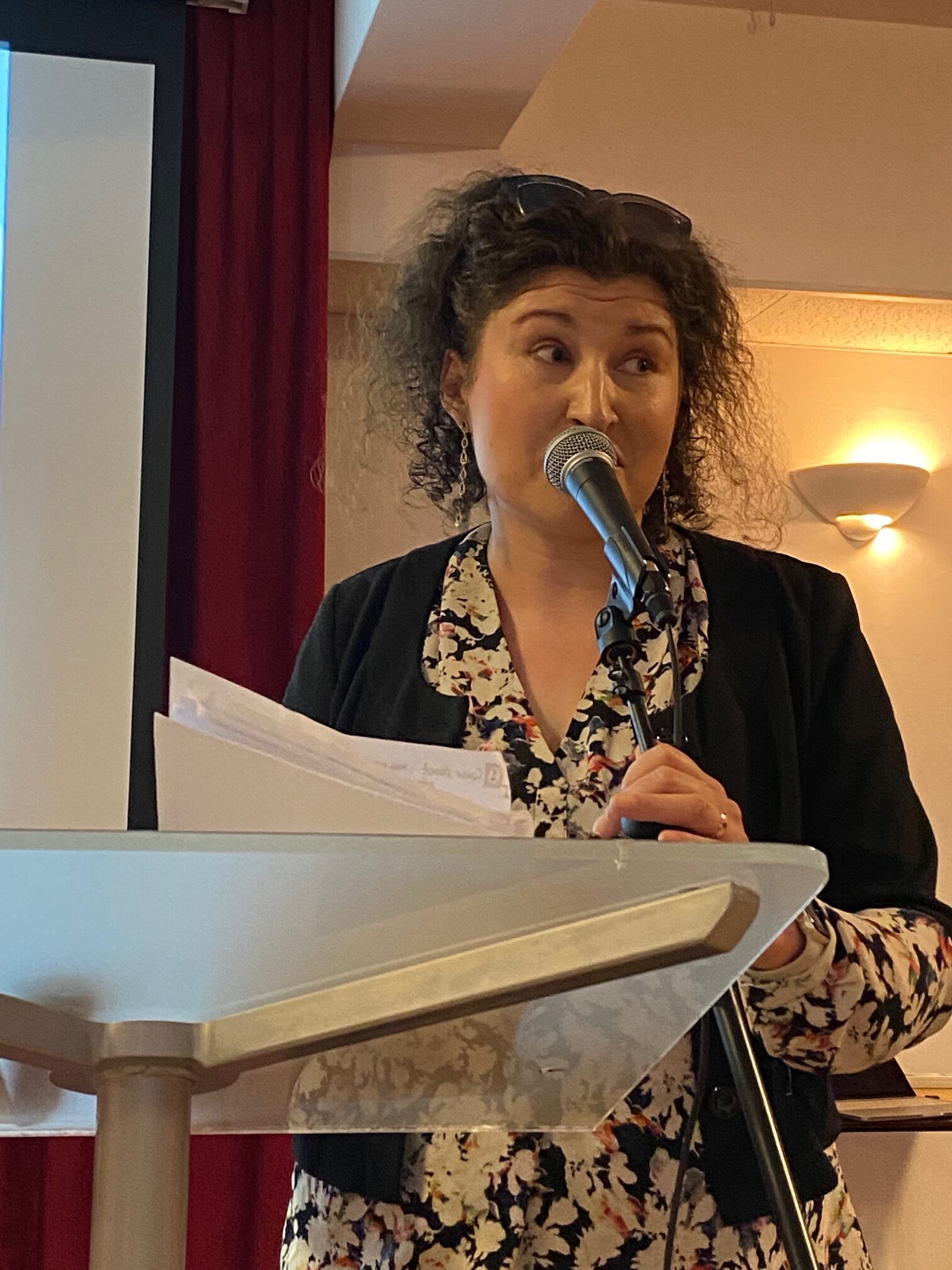
This project was initiated by Dr Marek Laskiewicz and is run by Julia Griffin, who became famous for organizing the first exhibition about „Young Poland” at the William Morriss Gallery in London.
The project is delivered by POSK in partnership with Ognisko Polish Hearth and Polish Cultural Institute In London.
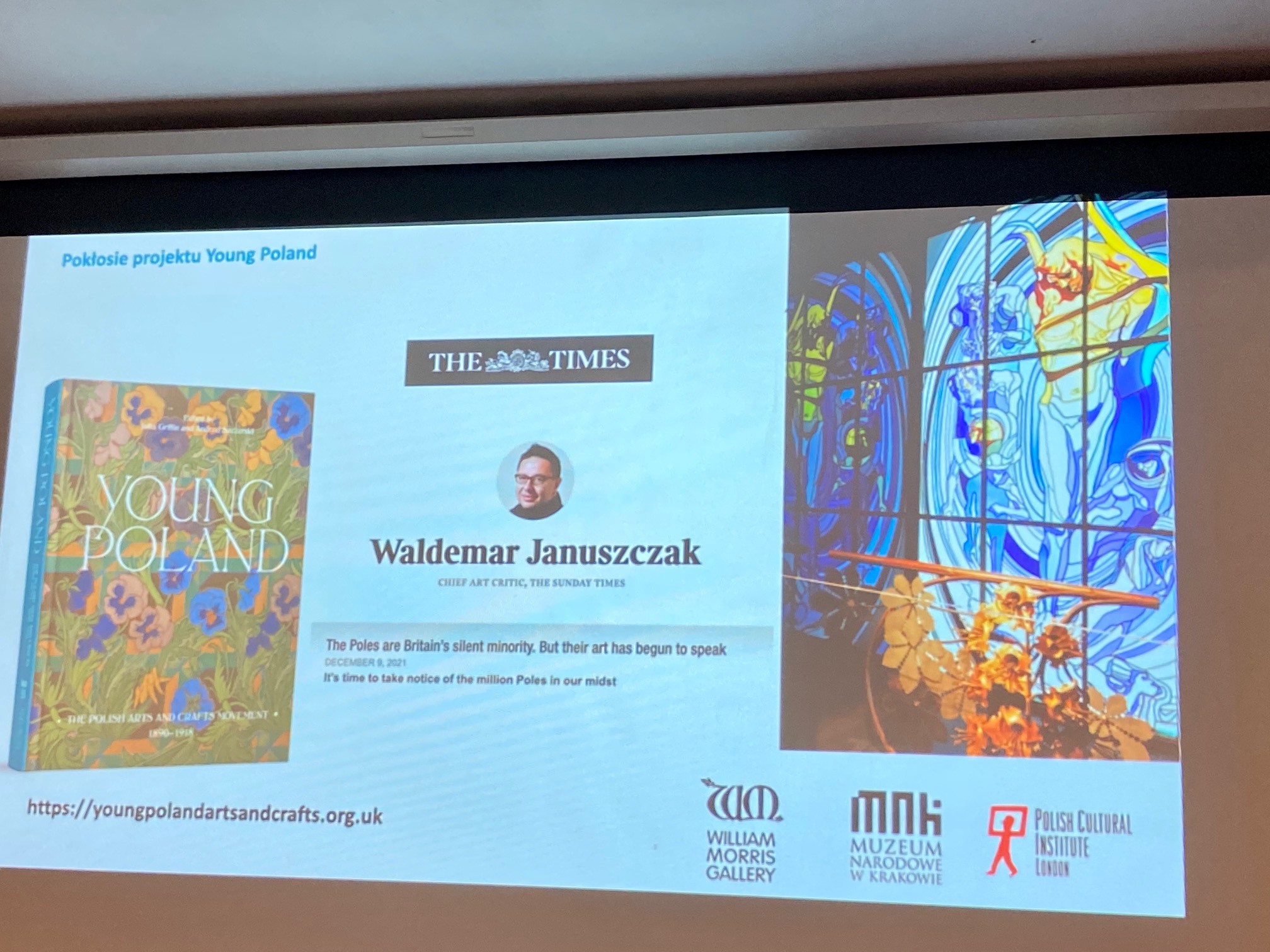
It will be a single platform representing the great Poles’ most significant achievements, whose work has culturally enriched Britain over the past 200 years.
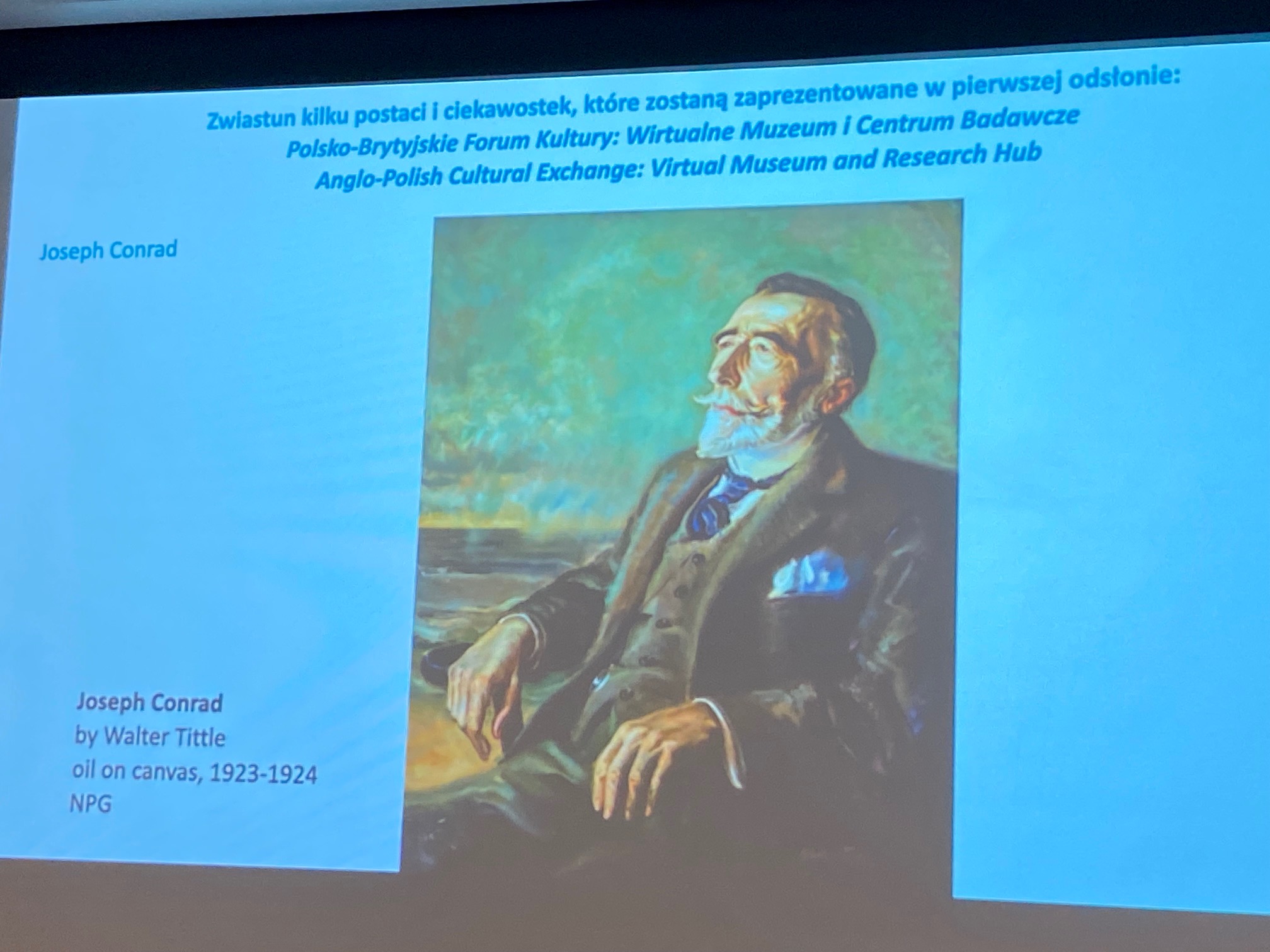
The key word is an exchange – let’s remember that Polish culture, science, military and art influenced the development of Great Britain to a large extent. The brave fighting spirit of our airmen and their role in the Battle of Britain determined the freedom and fate of this island and its existence. Polish writers, such as the Pole Teodor Józef Konrad Korzeniowski, had an enormous influence on English literature. He is known as Joseph Conrad. Born on December 3, 1857, in Berdyczów. He was the son of a writer – Apollo Korzeniowski. He and his parents were in exile in Russia from 1862-1867. After the death of his parents, he was brought up by his uncle. He lived for some time in Kraków. He left Poland in 1874 and went to France, where he joined the ship. He sailed in the British Navy (he achieved the rank of captain), It was he – a Pole, who started a new cannon in British literature. Later, English writers modelled it on him.
They were Poles – Polish mathematicians – who had broken the „Enigma” code at the end of December 1932, Marian Rejewski read the first information sent via the German encryption machine „Enigma”. Jerzy Różycki and Henryk Zygalski were the co-authors of breaking the „Enigma” code. Thus, they contributed to deciphering the world’s most challenging enemy code during the war – thanks to this, the British and Americans had an “easy sail” with their further work on the Enigma, and the Allies could win the war.
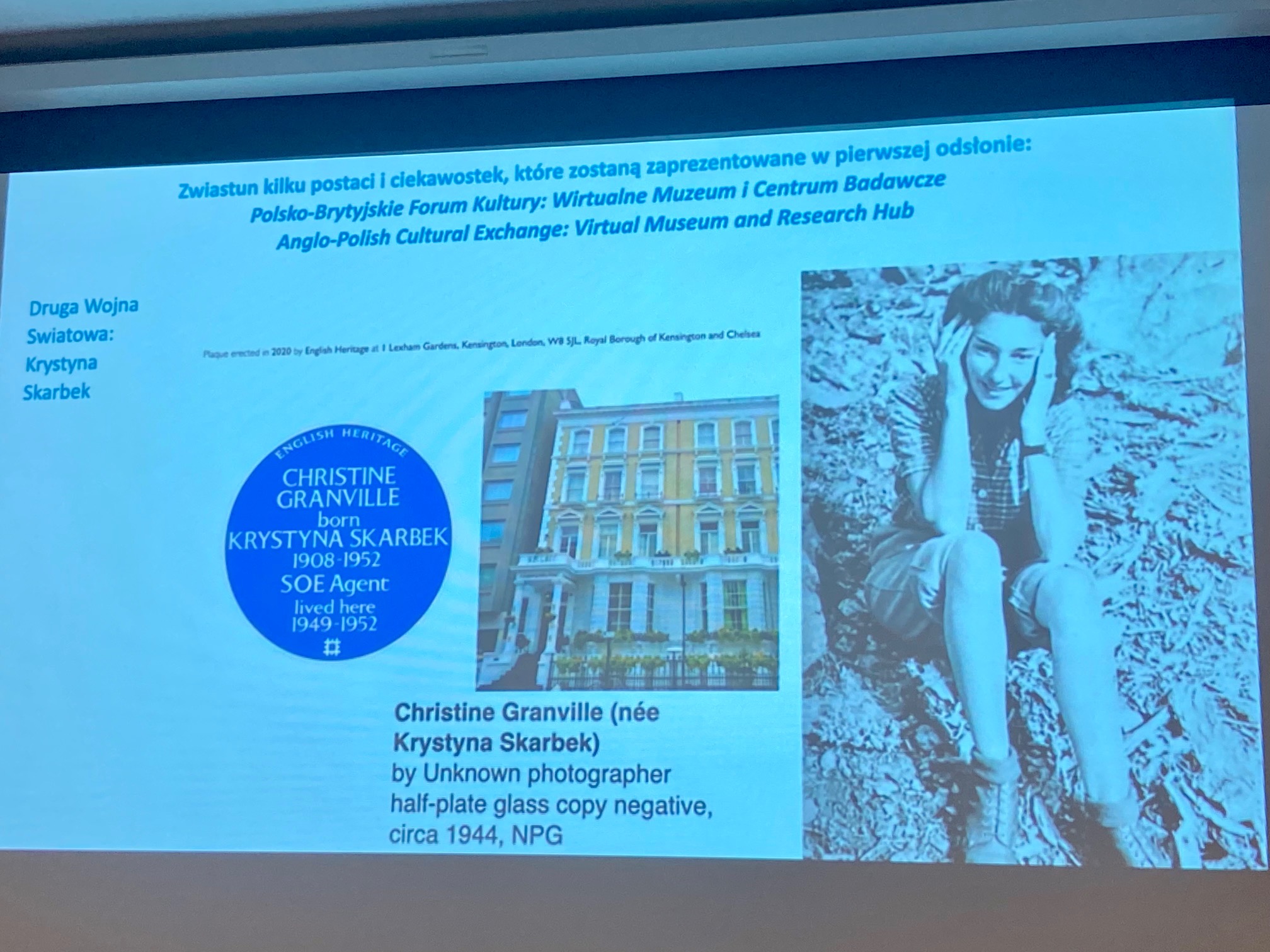
After all, the biggest superspy was also a Pole – Krystyna Skarbek – a Pole working during World War II for British intelligence. Churchill praised her, and she inspired Ian Fleming, the creator of the character of James Bond. Now the British honoured her with a memorial plaque in London. Skarbek was the longest serving S.O.E in her Majesty’s intelligence service – and her merits in subversive actions were even immortalised in British literature and cinematography – because she was the prototype for the most remarkable English spy of all time – James Bond.
The lecture was followed by the Questions and Answers.

We invite you all to support this new initiative.

Author: Iwona Golinska
Photos: British Poles