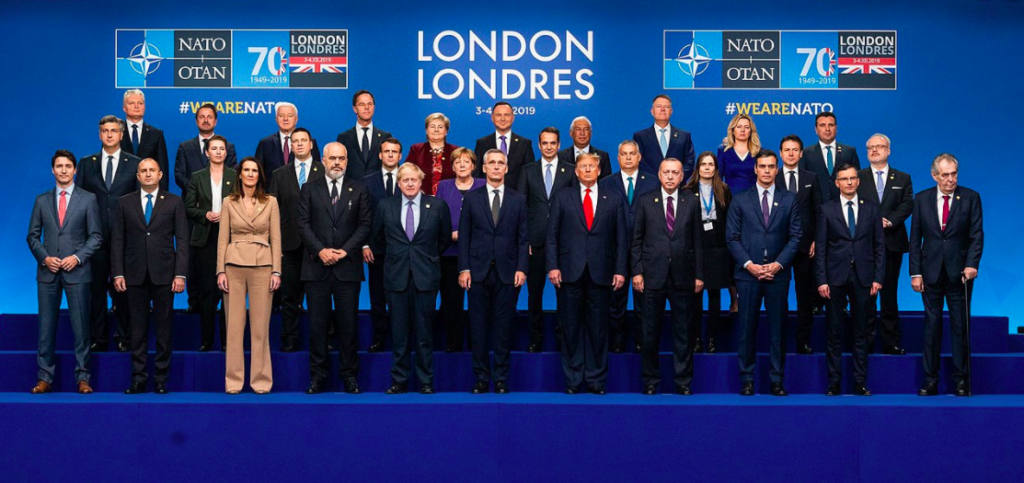
On 3rd and 4th, December 2019 the North Atlantic Treaty Organisation (NATO) held its 30th formal meeting of the heads of state and governments. The main issues discussed and agreed at the summit related to the future course of action in the common security space and to the future of the alliance.
The members confirmed its pledge to the cornerstone principles of the Alliance- solidarity, unity, and cohesion. The representatives also reaffirmed the transatlantic cooperation between Europe and North America. All reassured they commitment to the main purpose as contained in Article 5 of the Washington Treaty that an attack against any Ally will be treated as an attack against all. NATO 2019 meeting, therefore, confirmed the guarantee of the security for the alliance territory and its citizens.
At the summit, all members agreed to unified against commonly recognised threats. The members vowed to work together and address the threat of terrorism, the challenges associated with the rise of Chine and the threats posed by Russia. The concerns of Baltic countries were carefully revised and taken into consideration. The members agreed that Russia’s often offensive actions constitute a threat to broader Euro-Atlantic stability and security. NATO also decided to increase the readiness of its military forces so they will be able to respond more rapidly to any threats. Members also discussed its concerns in regards to the current implementation of the Treaty on the Non-Proliferation of Nuclear Weapons. This included non-proliferation and disarmament aspects. In line with the motto of 2016 Warsaw Summit – Defence, Deterrence and Dialog at this year’s meeting members repeated its openness to constructive dialogue with Russia. The countries of the alliance also recognised the opportunities linked with the growing influence of China.
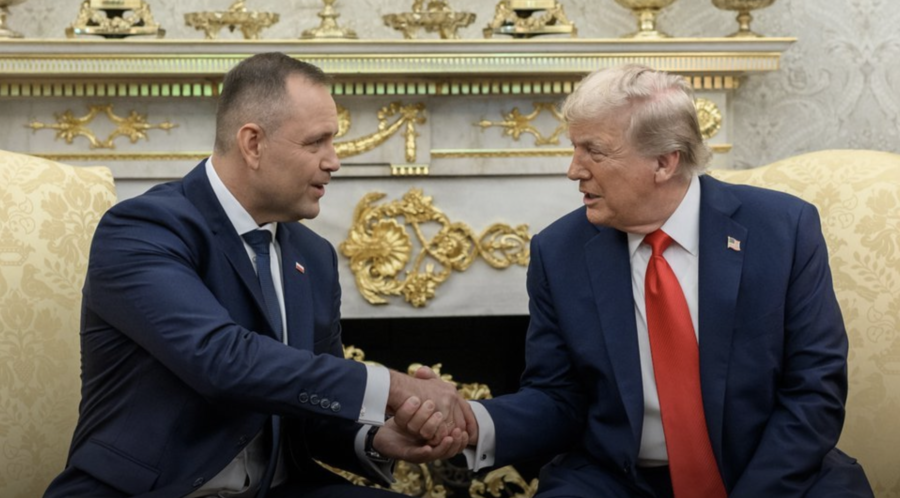
Another important progression reached the meeting relate to the case of Turkey. Turkey had previously declared that it will oppose a NATO defence strategy for Baltic countries. President, Recep Tayyip Erdogan said Turkey would not support the NATO plan to defend Estonia, Lithuania, Latvia and Poland unless the Kurdish YPG militia forces will be recognised as a terrorist. Polish President Andrzej Duda said that he had spoken to Turkey’s President in search for the solution. Finally, in a result of an extensive conversation, Turkey had dropped its stance and gave its consent to proceed with the Baltic defence plan. NATO on the other side accommodated the Turkey concerns and condemned terrorism in all its forms.
In the interview preceding the NATO summit, President Macron had described NATO as „brain dead”. This . comment became an important point of the discussion at the meeting. In reply, Polish President Andrzej Duda had asked the French President for the proposal of how to reform the Alliance. The point of the disagreement stems from the different visions of the NATO purpose. This mainly relates to the agreed and unified definition of the terrorist threat and the form of new and reformed relations with Russia. At the end of the summit, French President had expressed the opinion that the Summit took into consideration his point of views.
The alliance also decided that the further regular consultations will be held between Turkey, France, Germany and the UK, to coordinate moves of Syrian intervention.

The 2019 meeting was also fruitful in the area of members cooperation. The heads of states and governments decided to launch the review of its future direction, aims and goals. The reflection process and extensive consultations will take place to revise NATO’s grand strategy and to boost its capabilities.
The NATO 2019 general summit become another occasion to talk about alliance determination to spread the costs and responsibilities of common security measures. Through the Defence Investment Pledge, NATO is systematically increasing its defence budget. To meet and adapt to new challenges ahead and to invest in new capacities more countries need to increase their expenditure. NATO recommends to designate a minimum of 2% of the gross domestic product on defence. The UK Prime Minister Boris Johnson commented that NATO poses an example ‘’of the most successful alliance in the military history. (BBC) Currently, there are eight countries in Europe which are meeting the target agreed.
Alicja Prochniak
References:
https://www.theguardian.com/world/2019/dec/04/turkey-agrees-to-back-nato-plan-for-baltic-states-and-poland
https://www.theguardian.com/world/2019/dec/04/turkey-agrees-to-back-nato-plan-for-baltic-states-and-poland
https://polandin.com/45628974/nato-summit-is-a-success-for-alliance-president-duda
https://www.bbc.co.uk/news/world-europe-50635593