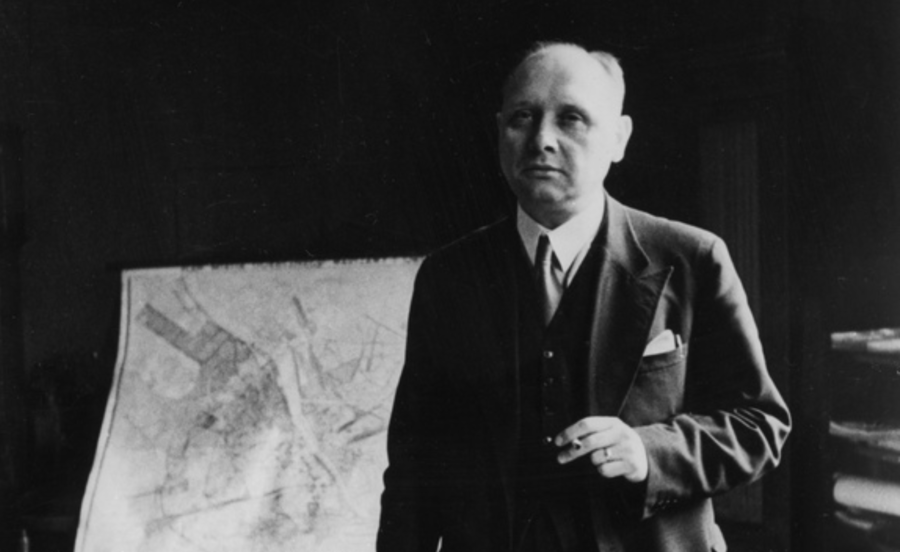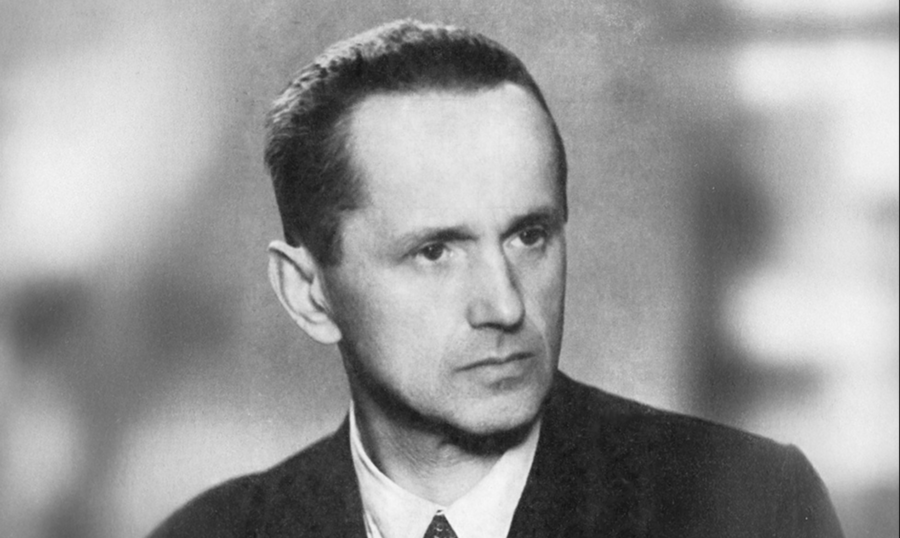
Nothing was spared Kazimierz Moczarski. He was a soldier in the September 1939 campaign and, from 1940, a member of the Union of Armed Struggle (ZWZ) and the Home Army (AK). He was also a member and the last head of the Bureau of Information and Propaganda (BIP) of the AK General Command, one of the most important and extensive institutions of the Polish Underground State.
The BIP conducted famous information campaigns aimed at Polish society, published the underground press, organised radio broadcasts, inspired resistance and documented everything that happened during the occupation. Moczarski did not shy away from combat either. Among other things, he took part in the operation to free underground resistance members from the Jan Boży Hospital in Warsaw, which we described recently.
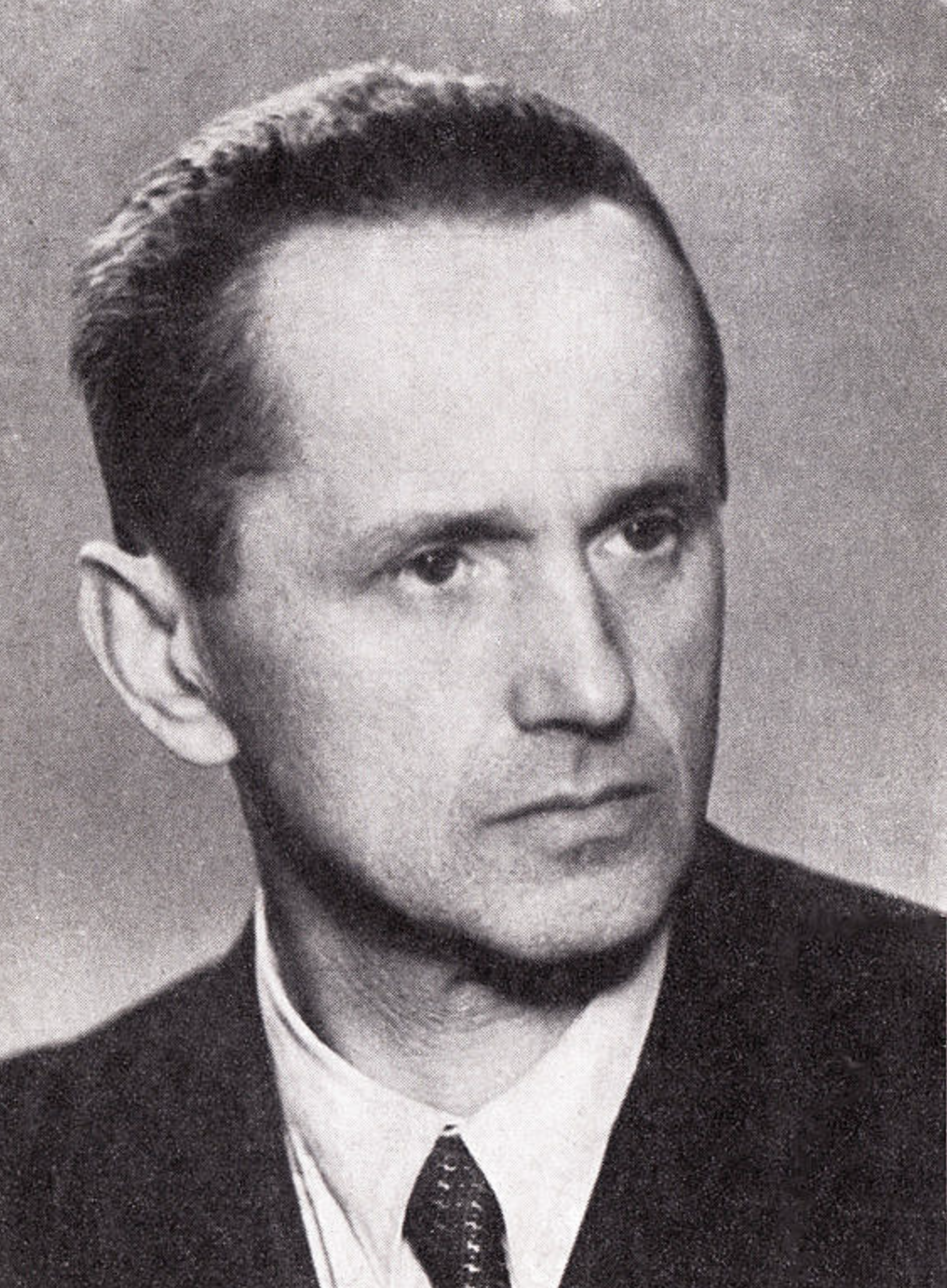
As a member of the Democratic Party, he was prepared to take part in public life and believed that an agreement with the Polish Workers’ Party (PPR) could be reached within a democratic state. Three months after the end of the war, he was arrested, beginning one of the most brutal chapters in the judicial and prison history of a Home Army soldier.
After a brutal investigation, during which he was subjected to 49 different types of torture, he was sentenced to ten years in prison. Three years later, his trial was reopened and continued for another three years. In 1952, Moczarski was sentenced to death.
A year later, the communist court once again changed his sentence, this time to life imprisonment, but he was not informed of the change. Moczarski continued to await execution. He did not learn that he would live until 15 January 1955. He spent three years on death row, two of them unaware that his sentence had been commuted. He was released in April 1956 and completely rehabilitated in December that year.
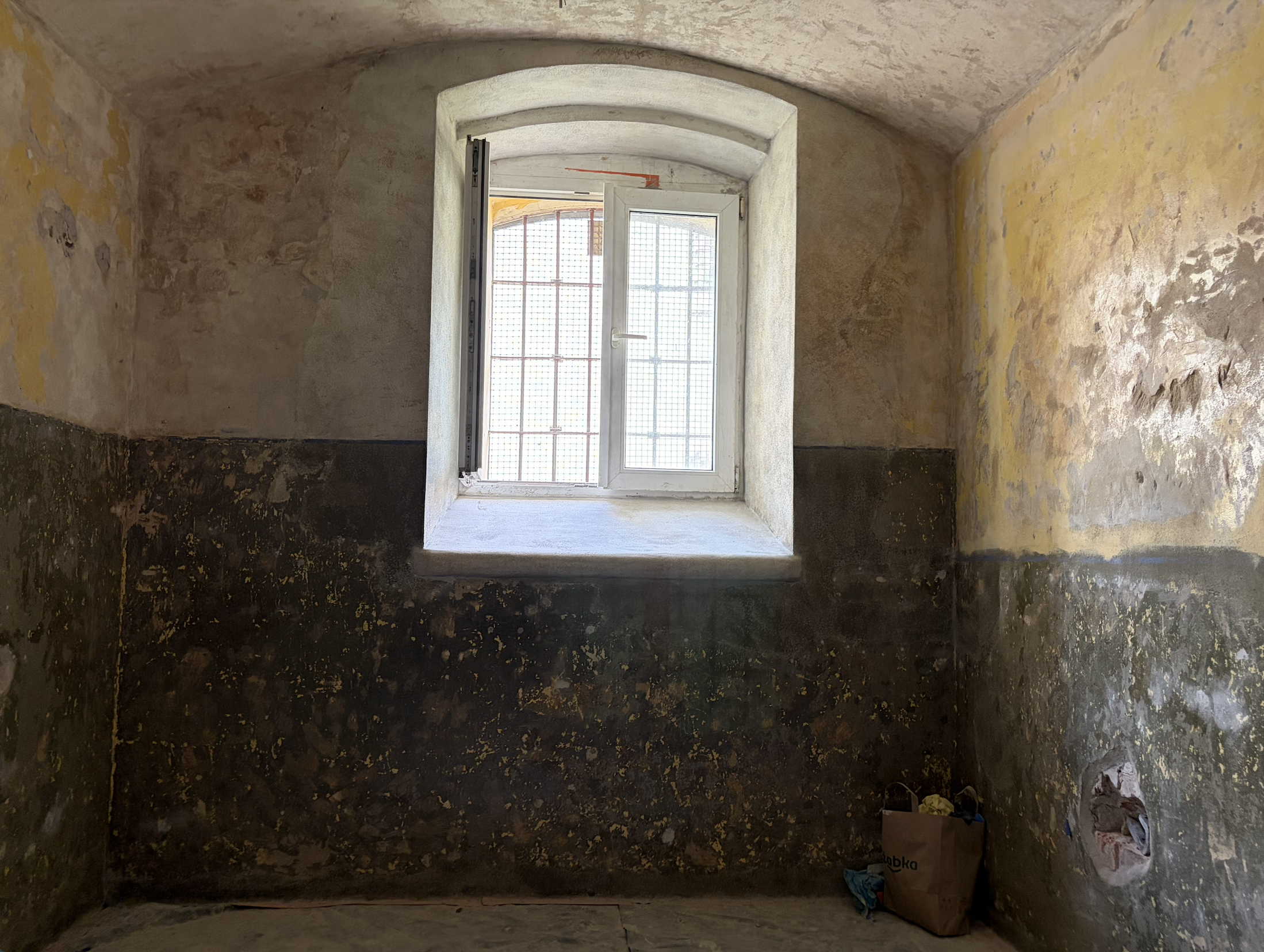
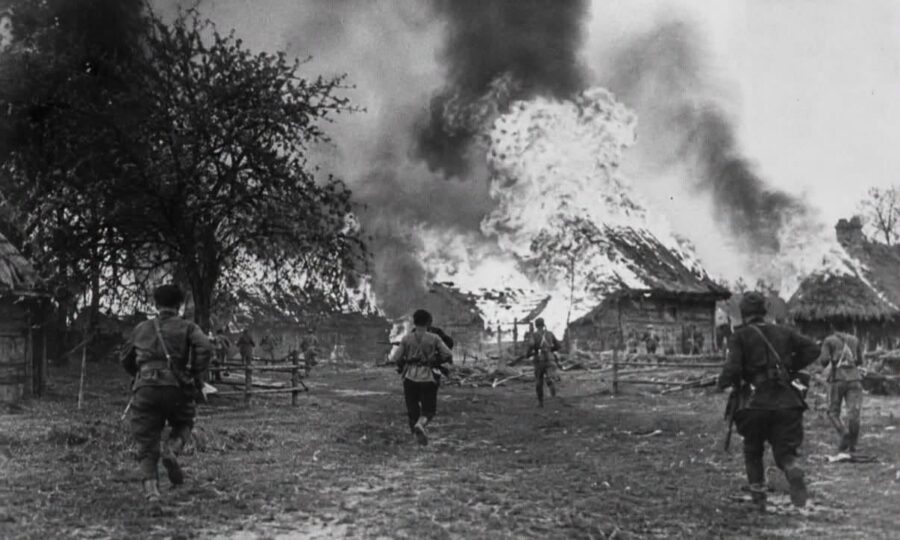
But this is not the full story of the years Captain Kazimierz Moczarski spent in prison. His captors wanted to break him morally. During his second trial, he was placed in the same cell as SS General Jürgen Stroop, one of the most notorious German war criminals. Stroop had commanded the destruction of the Warsaw Ghetto.
He was also the author of the famous report now known as the Stroop Report, one of the few surviving documents documenting German crimes. In it, the SS general estimated that the total number of people killed on the spot or deported to extermination camps amounted to 310,000.
“The Jewish residential district in Warsaw is no more!” – he proudly wrote in the opening words of his report.
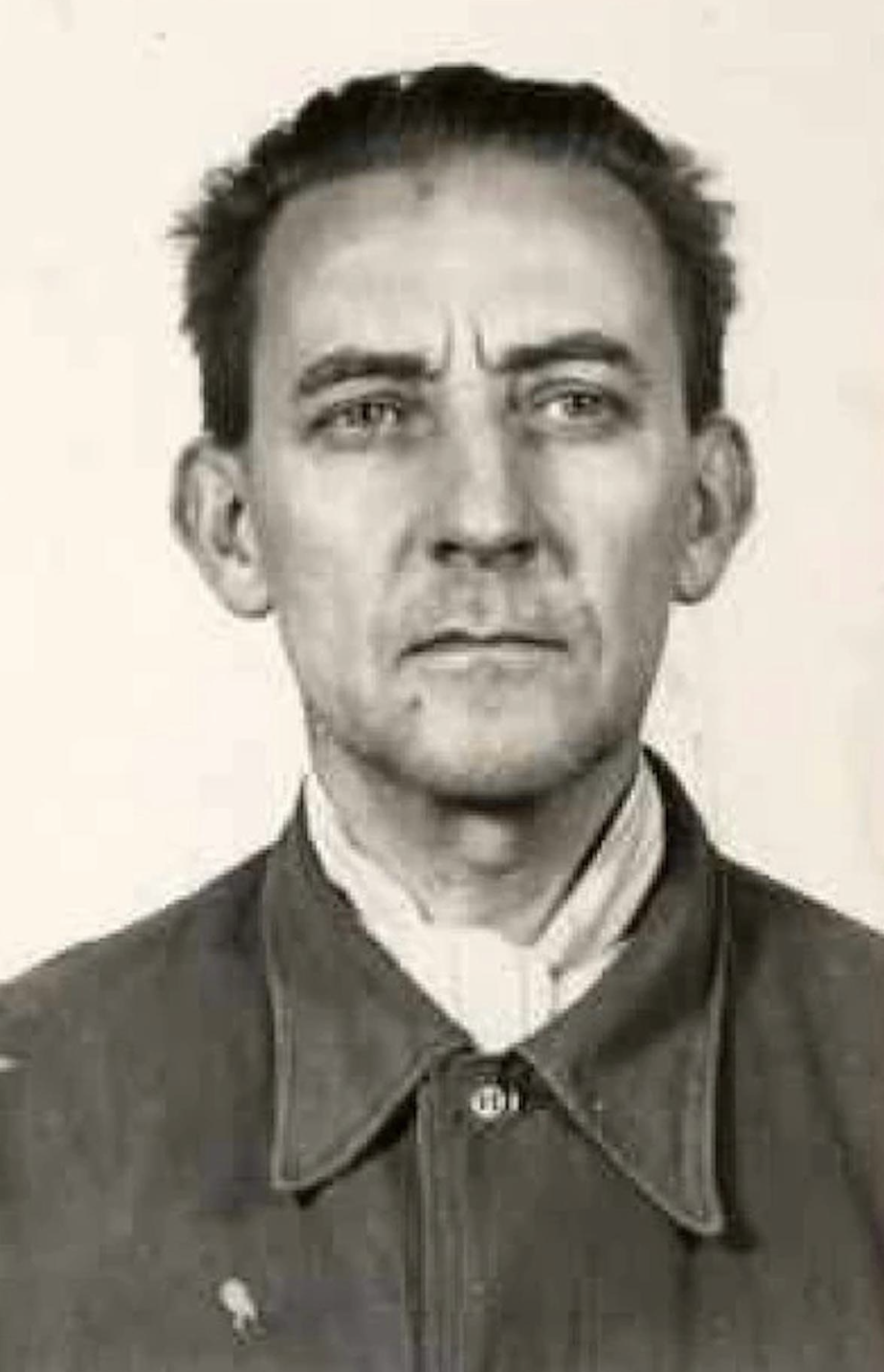
Jan Karski described the hell created by Stroop in these words: “A human scrap creeping furtively along the walls, cobblestones splashed with blood, smoke rising from smouldering and dying fires in the streets, the sharp smell of burning – these give the city of death its true character.”
And this was the man who ended up sharing a cell with Kazimierz Moczarski. The Home Army soldier initially saw this as an additional form of torture, but decided to use the situation to his advantage. He initiated lengthy, “investigative” conversations with Stroop and a third fellow prisoner, a German policeman.
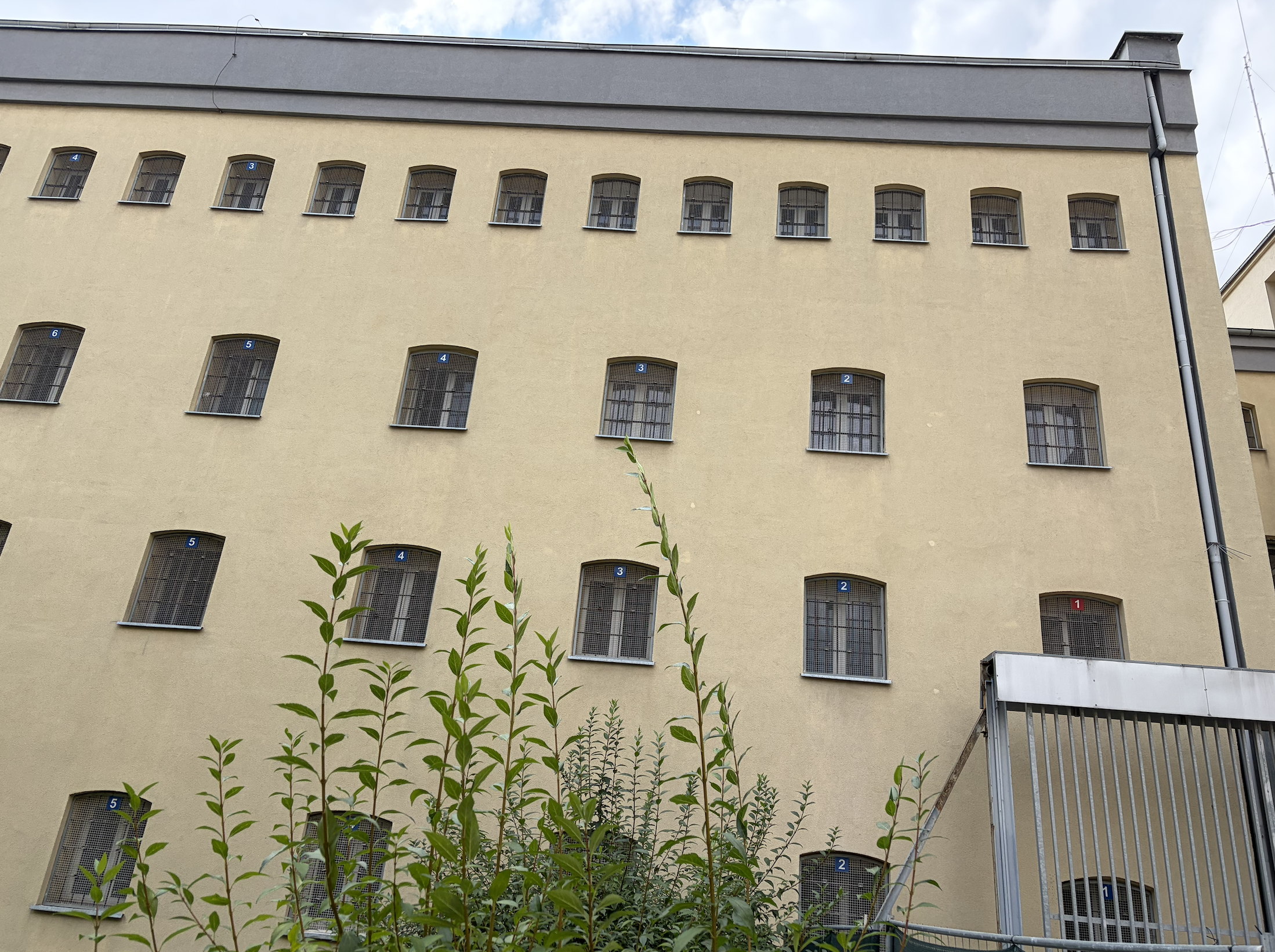
Thanks to his exceptional memory, after leaving prison Moczarski wrote a book that provides a sociological and psychological portrait of a criminal shaped by Nazi ideology, while also offering insights into aspects of the mentality of German society. Conversations with an Executioner reveals the path that can lead a person towards unimaginable crimes – the extermination of entire nations.
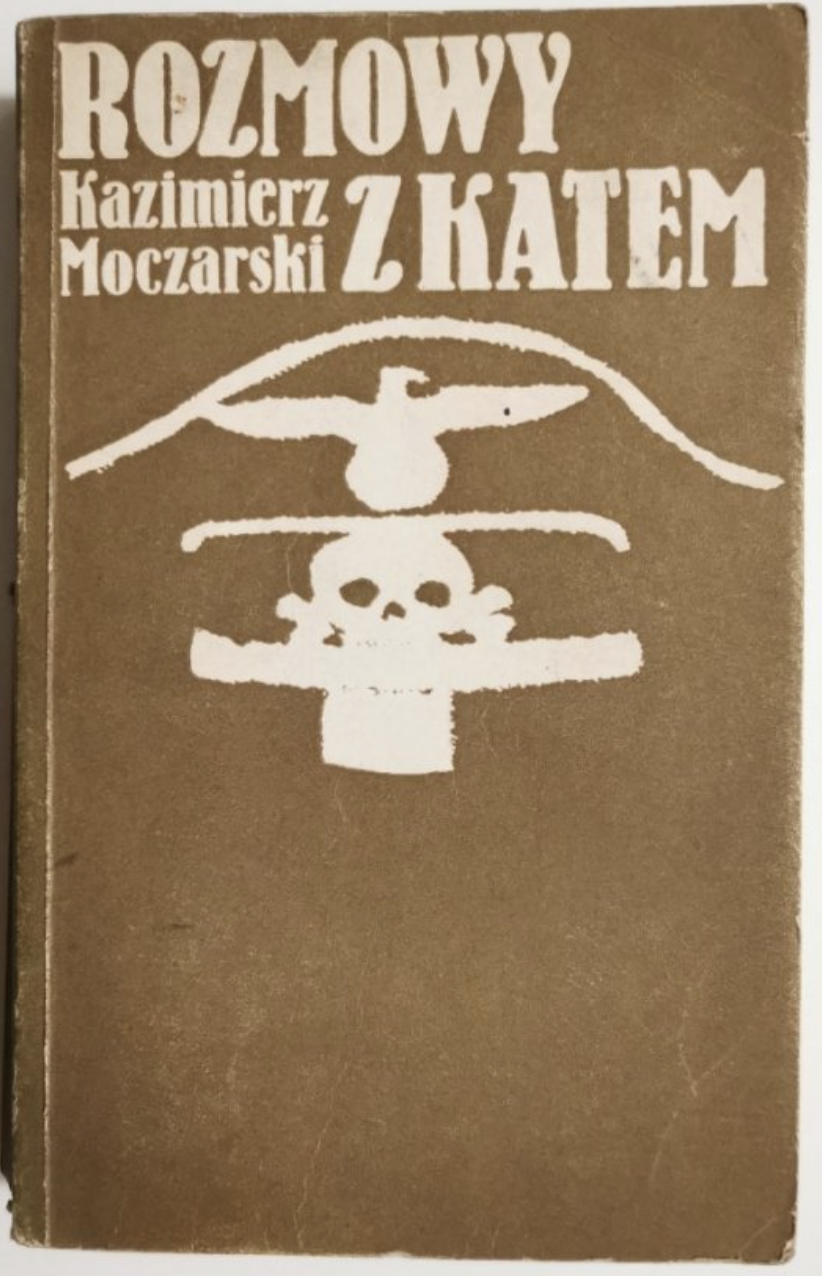
Conversations with an Executioner was first published in 1972 in the monthly magazine Odra. The complete, uncensored edition was not published until 1992.
And what happened to SS General Jürgen Stroop? He was sent to Poland directly from the United States. He had intended to establish a final point of German resistance in the Alps. The Americans arrested him on the last day of the war. He was tried in the United States for ordering the killing of Allied airmen. He was sentenced to death, but the Americans decided that handing him over to the Poles would be an even greater punishment. He was transferred to Mokotów Prison in Warsaw. On 23 July 1951, a Polish court sentenced him to death.
On 6 March 1952, he was hanged. Read our article Jurgen Stroop – the German butcher of Warsaw Ghetto.
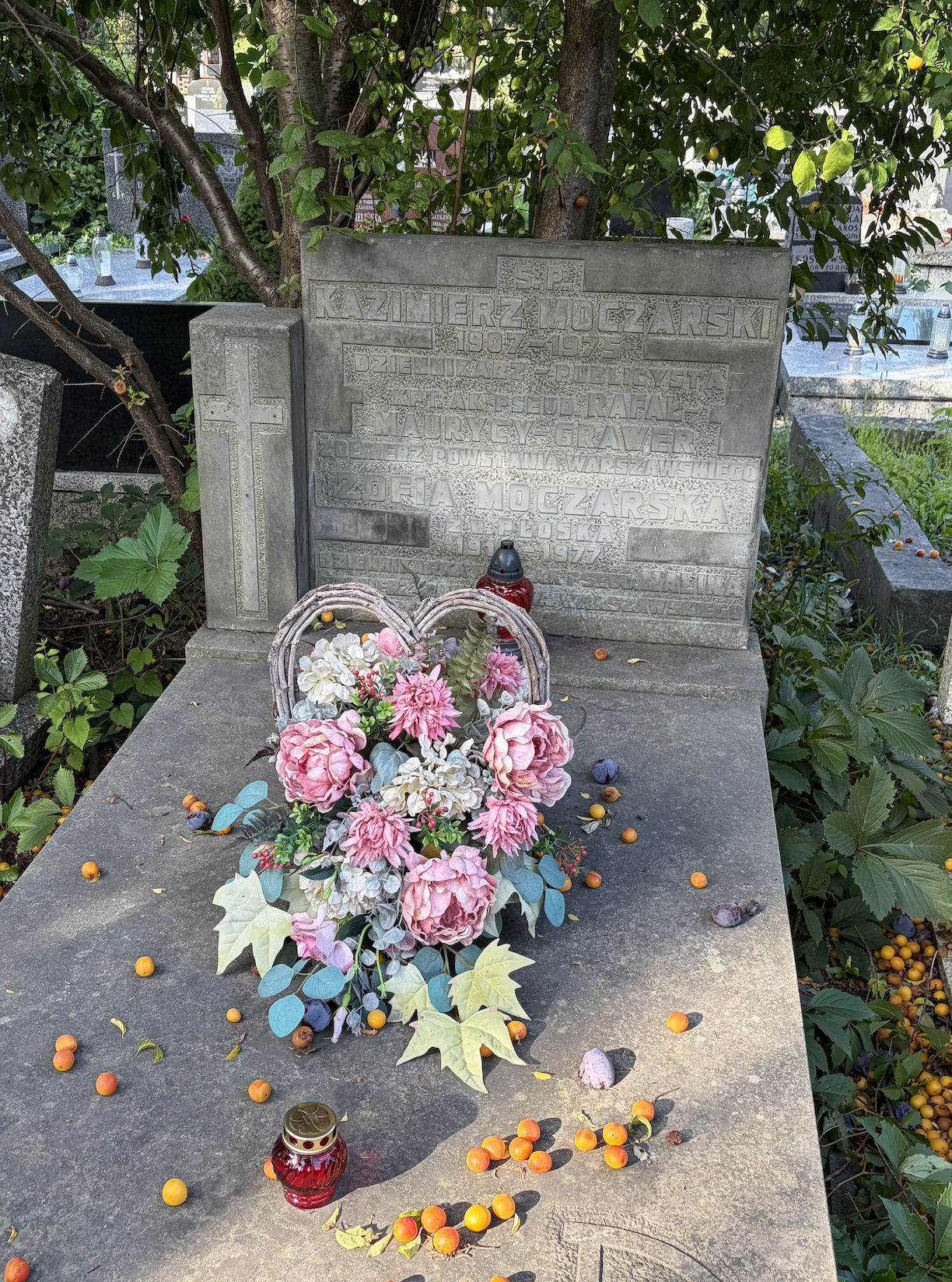
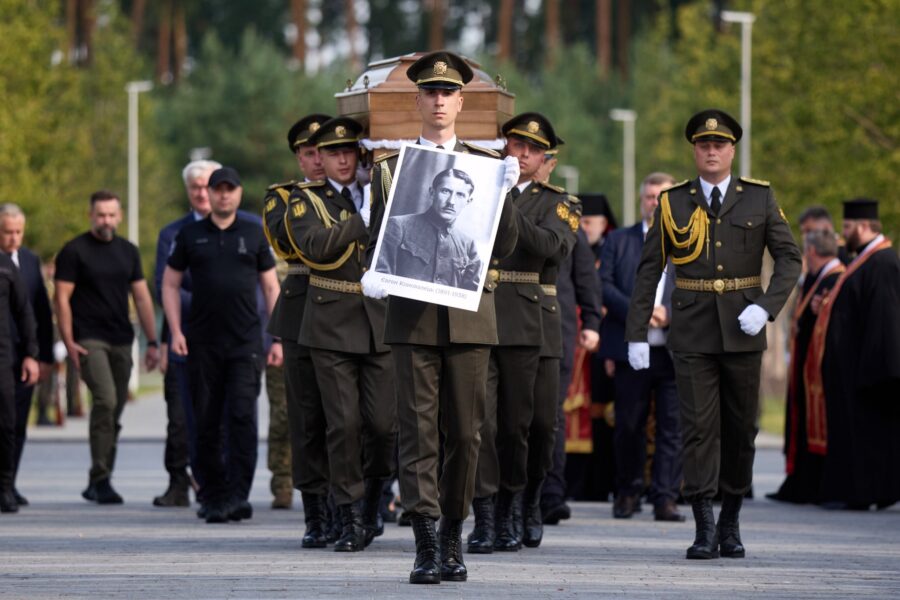
Kazimierz Moczarski spent over 10 years in communist prisons. After his release from prison and full rehabilitation, he devoted himself to journalistic work. He died on 27 September 1975 in Warsaw and was buried at the Powązki Military Cemetery.
This article was written in cooperation with the Home Army Museum in Kraków.
Photos: IPN, British Poles
Editor’s note: On 27 August 2026, Duckworth Books will publish the English-language edition of Conversations with an Executioner, translated by Sean Gasper Bye. The book is titled Conversations with an Executioner: 255 Days Imprisoned with the Nazi who Destroyed the Warsaw Ghetto. The book can be pre-ordered here.
The Polish-language edition is available here.