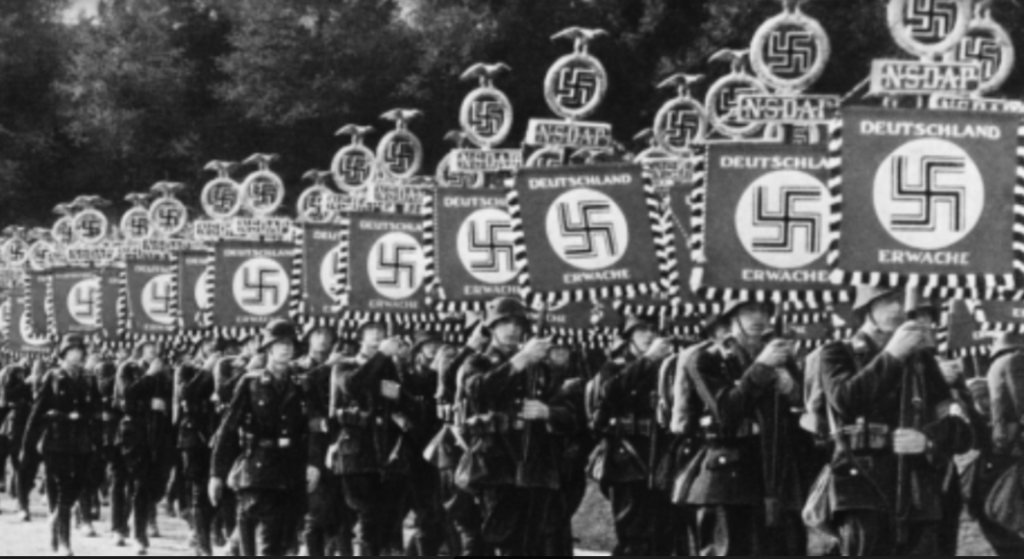
Between 1939 and 1945, the Germans (the SS, SA, the Gestapo and a large part of the soldiers of the Wehrmacht) were guilty of the most appalling crimes, in most cases against a civilian population without the defence.
Hitler did not formally declare war on its eastern neighbour. In a speech given to his people a few days before launching his “Blitzkrieg”, the frustrated painter encouraged his fellow Germans to despise pity while dealing with Poland’s civilian population. The national-socialist dictator expected brutality and cruelty from his men in handling what was commonly known in Germany as the “Polish pigs”.
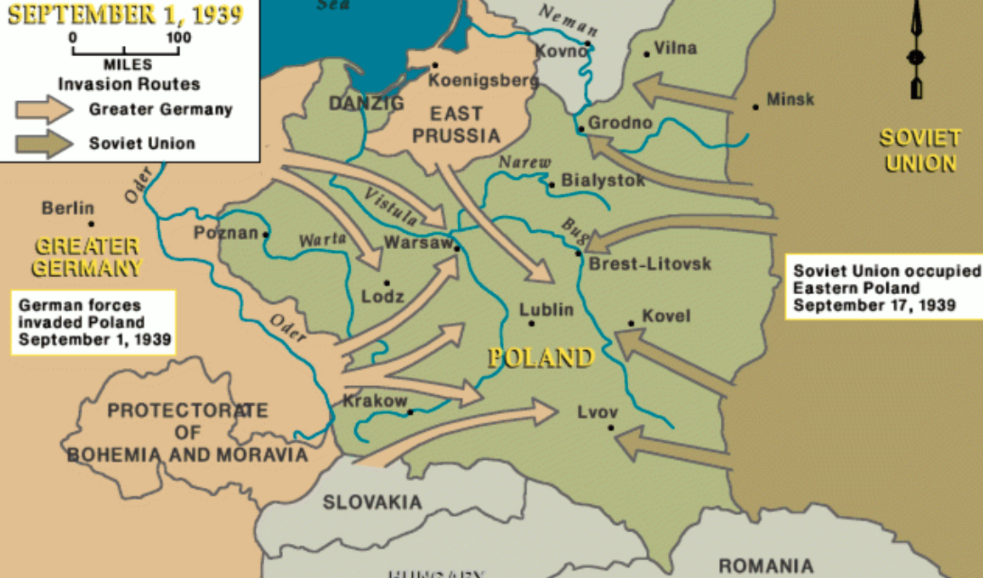
In Poland alone, six million people were killed during WWII, and thousands more were deported to labour camps where they were treated worse than animals. 200,000 Polish children were deported to the Reich to be Germanised by force. Nearly a quarter of the country’s priests and most of the rabbis were assassinated. Hundreds of towns and thousands of villages were destroyed and looted, as well as countless monuments (churches, palaces, libraries, etc.) burned.
In the capital, Warsaw, 90% of the industrial plant was destroyed as well as almost 100% of the old town. The civilian population was humiliated, terrorised, sometimes tortured, and often deported to the notorious German concentration and extermination camps. Countless works of art were also stolen without ever being returned. The material losses inflicted on Poland between 1939 and 1945 are estimated at several hundred billion euros.
It is important to emphasise that only a tiny fraction of the German criminals of this dark era were duly judged and condemned after the war. Not only were heavy sentences rare, but they were also rarely carried through. It was not uncommon for individuals with the blood of thousands on their hands to be released from prison after just a few years for health reasons.
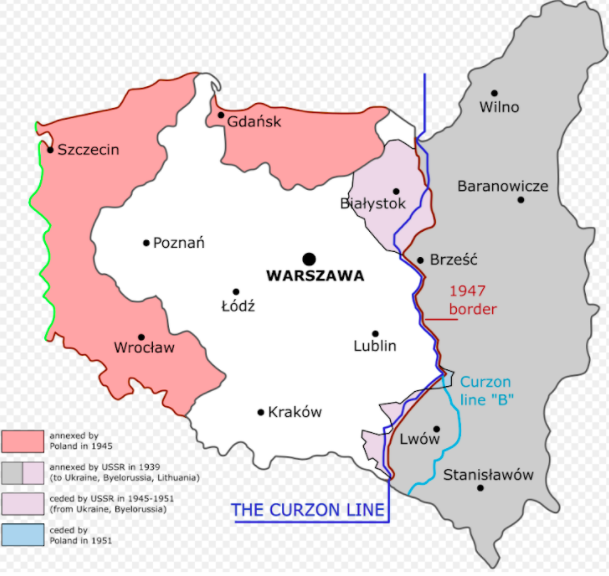
Following the Potsdam Conference, more than 3 million Germans had to leave the territories that had come under Polish jurisdiction (Silesia, Pomerania, Masuria, etc.) between 1945 and the end of 1950. The German-Polish border was moved to the West on the Oder-Neisse line. However, West Germany did not recognise Poland’s western border until December 7, 1970.
The ratification of the border agreement between Poland and Germany eventually took place almost half a century after the end of the war, on December 16, 1991. The decision of the German parliament became final and effective one month later, on January 16, 1992.
Image: historyconflicts.com
Author: Sébastien Meuwissen