’The Marian sanctuary of Gietrzwałd is sometimes called the „Polish Lourdes”. And with good reason. The content of Our Lady’s apparitions in the two places, which are less than 20 years apart, is similar in its main message,’ writes Ewa Czaczkowska.
The difficult history of the Polish lands, however, has meant that the apparitions of Gietrzwałd are little known in the world, and knowledge of them is not widespread in Poland either. The fact that Our Lady appeared over 160 times at Gietrzwałd, compared to 18 times at Lourdes and 6 times at Fatima, is also not widely known. The Marian apparitions of Gietrzwałd are one of only 12 in the world, and the only one in Poland, whose authenticity has been recognised by the Holy See.
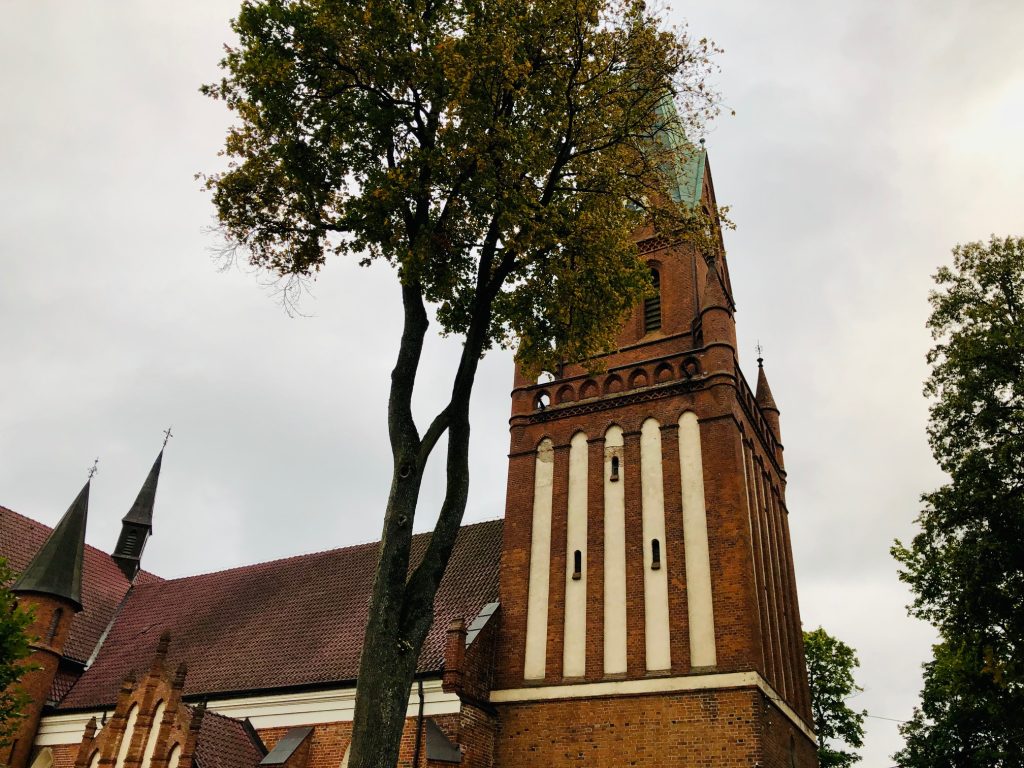
Gietrzwałd is a small village situated among the hills and lakes of Warmia, less than 20 kilometres from Olsztyn. Since the 16th century, the local Church of the Nativity of the Blessed Virgin Mary has venerated the miraculous image of the Virgin and Child by an unknown author, which attracted pilgrims even before the Marian apparitions began.
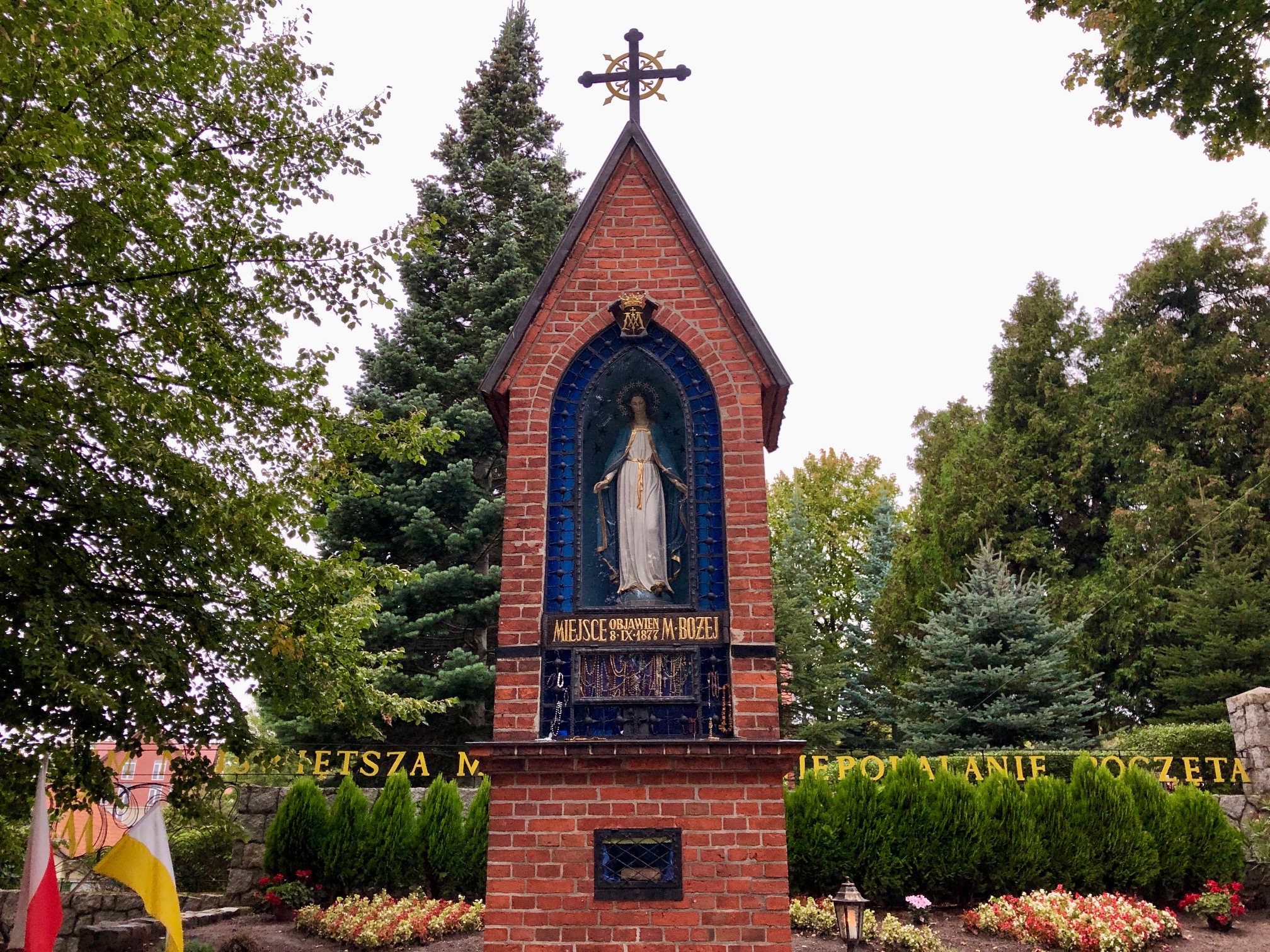
Our Lady appeared in Gietrzwałd from 27 June to 16 September 1877. She appeared to two girls: 13-year-old Justyna Szafryńska and 12-year-old Barbara Samulowska. On the first day of the apparitions, Justyna Szafryńska was returning home from church with her mother after passing her exam to receive her First Holy Communion. As the bells rang for the evening Angelus, she turned towards the church and saw a brightness on a nearby maple tree, with a figure dressed in white sitting on a throne. When the girl recited the Angel of the Lord, the figure would float up to heaven. These visions were repeated almost every day. Our Lady introduced herself to the girls as 'Mary Immaculate Conception’ and when asked what she wanted, she replied: 'I want you to pray the Rosary every day’. And this was the main and most important message that Our Lady gave during all the apparitions.
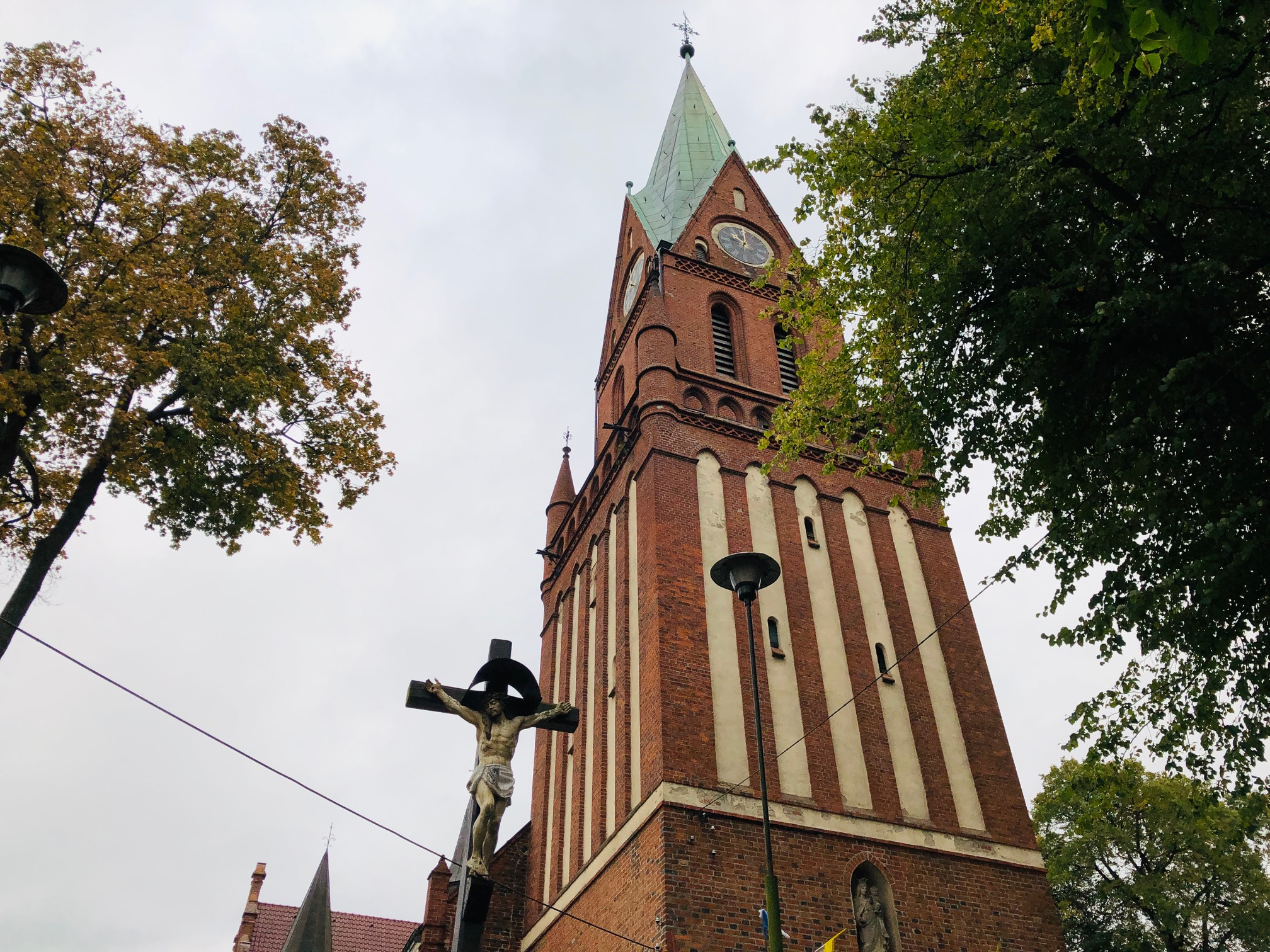
Mary appeared during the recitation of the Rosary, and since all the parts of the Rosary were prayed together at first, and then three times a day, she appeared once or even three times a day. The apparitions usually lasted from the second to the fourth mystery. Towards the end of the apparitions, she performed a miracle of healing the sick, and on 8 September, during the evening Mass, she blessed a spring that gushed out not far from the church. Our Lady asked for a statue to be erected at the site of the apparitions. It was to arrive by 8 September, because that was when Our Lady had announced that she would appear for the last time. But the statue arrived from Munich on 12 September. The girls cried that the statue did not resemble the beauty of the Blessed Mother, who consoled them by telling them that it was good. The apparitions continued until Sunday 16 September, when the statue was blessed and enthroned. Before she left, Our Lady said: 'Do not grieve, for I will always be with you’, and her last words were: 'Pray the rosary fervently.’
The girls asked Mary various questions related to the experiences of the parishioners and were often encouraged to pray with confidence and perseverance. Similarly, when they asked if the Polish priests who had been removed by the Prussian authorities would return to the parish in southern Warmia, she replied: 'If people pray fervently, the Church will not be persecuted and the orphaned parishes will receive priests.’
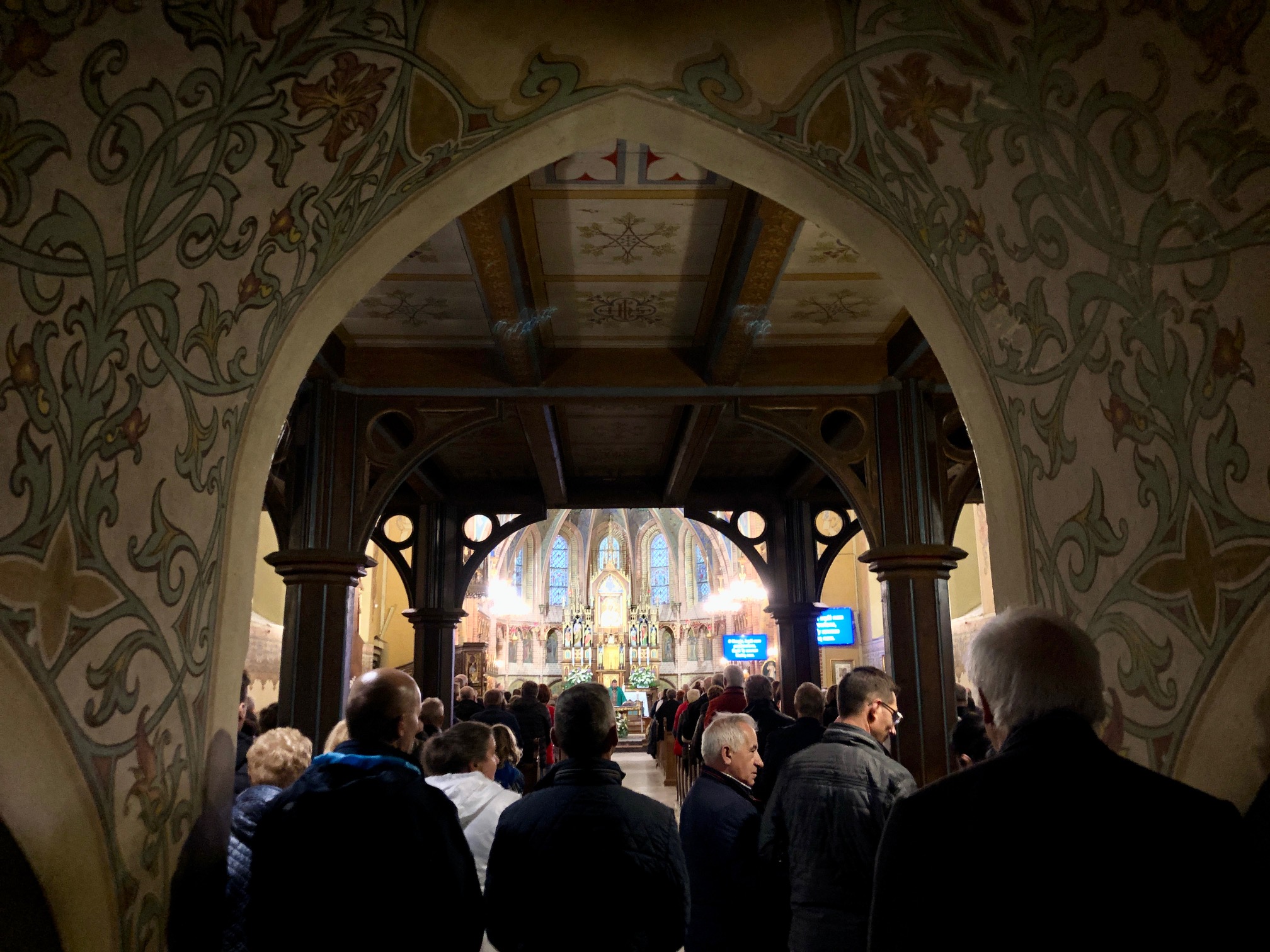
Our Lady spoke to the girls in Polish, which was extremely important in awakening and strengthening the Polish identity of the inhabitants of Warmia, who, as in the whole of the Prussian partition, were subjected to Germanisation, intensified during the Kulturkampf.
But it was also a strengthening for the Poles from all the annexations who came to the place of the apparitions, sometimes from distant regions. During the week, one or two thousand people attended the rosary services, and from 7 to 9 September 1877, between 10,000 and 50,000 people attended. The revelations had an impact on the revival of religiosity and Christian morality among the people of Warmia and other parts of Poland, then divided by partition. It was also significant in strengthening the spirit and aspirations for independence of the Poles.
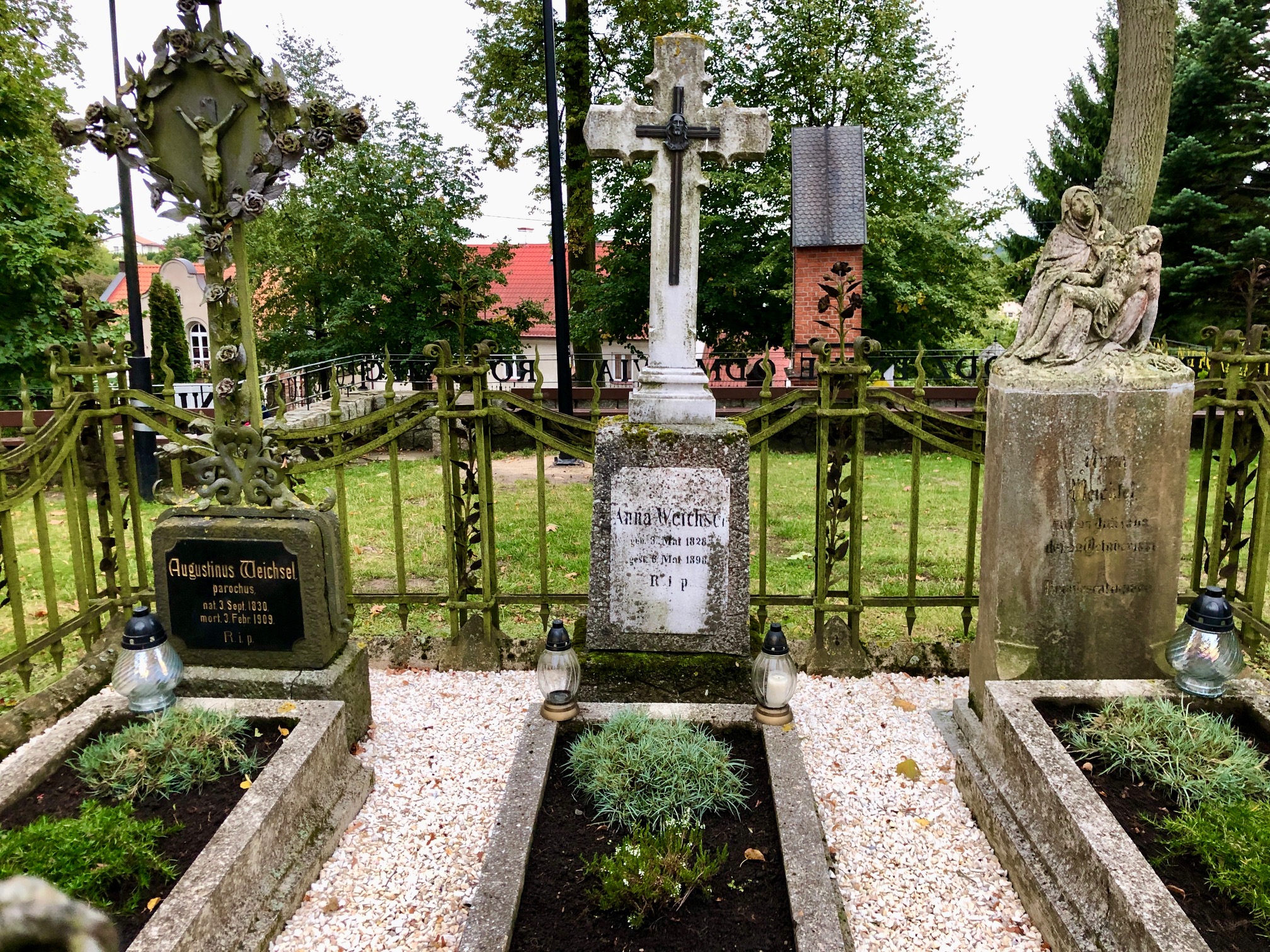
The parish priest, Father Augustyn Weichsel, of German origin, had no doubts about the authenticity of the apparitions. A special commission appointed by the Bishop of Warmia, Filip Krementz, also gave a positive opinion, as did a three-member medical commission that examined the girls’ state of mind. Nevertheless, the girls, the parish priest and the pilgrims were harassed by the German press, Prussian officials and German clergy unfriendly to Polish Catholics.
It was only a century later, on 11 September 1977, that the Church officially recognised the authenticity of the apparitions in Gietrzwałd, while the miraculous painting of Our Lady with the Child was crowned with golden crowns by Primate Stefan Wyszyński on 10 September 1967. It is worth mentioning that both visionaries entered the Congregation of the Sisters of Charity of St Vincent à Paulo. After a few years, they found themselves in the Motherhouse of the Congregation in Paris. In 1897, Justyna left the congregation, got married and was never heard from again. Sister Barbara Samulowska went on a mission to Guatemala, where she died in 1950. Her beatification process has been underway since 2005.
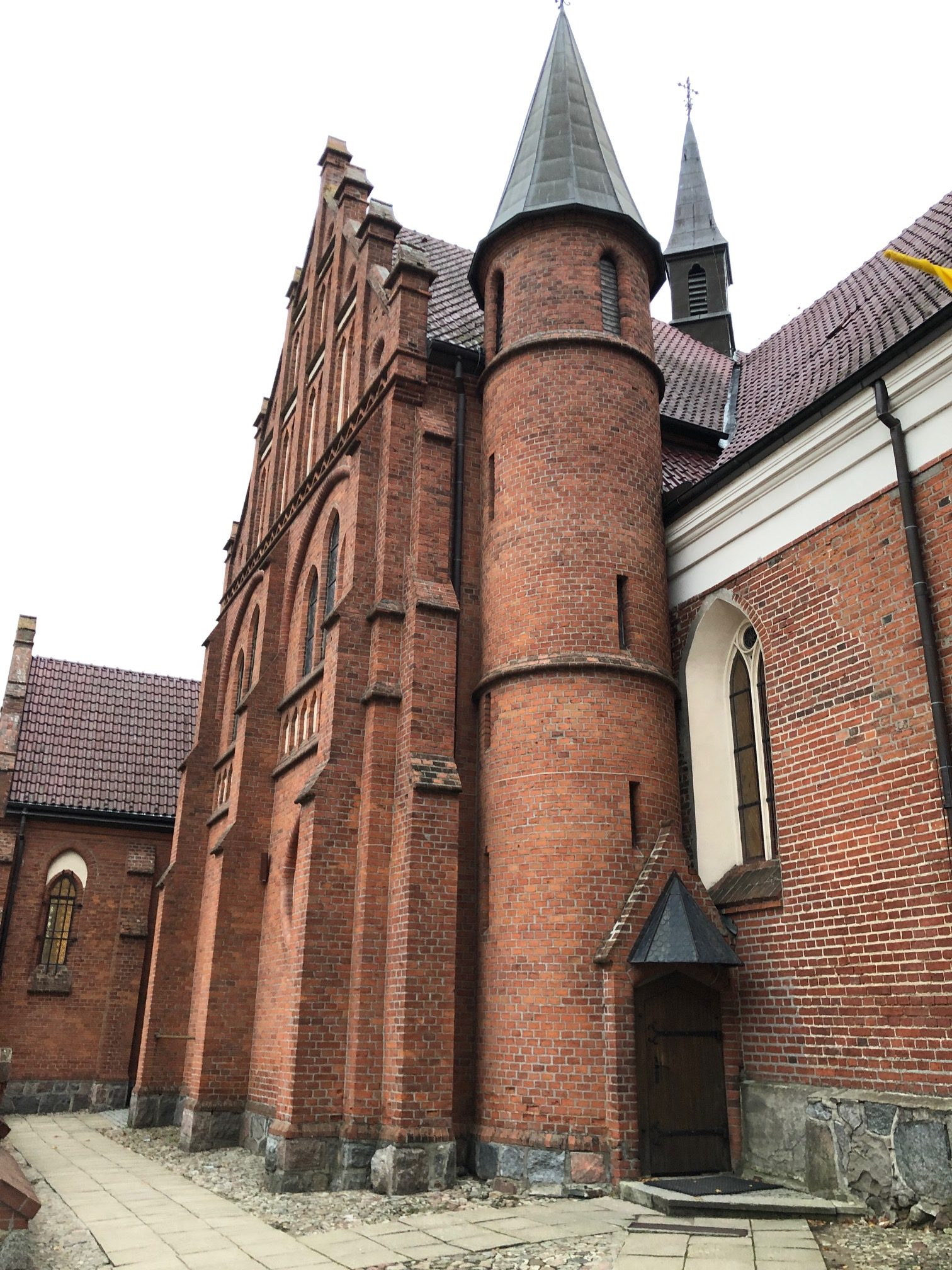
Between several hundred thousand and one million pilgrims come to the Marian sanctuary at Gietrzwałd every year.
The Marian apparitions of 1877 in Gietrzwałd led to a revival of Polish identity in Warmia. They also brought about a significant revival and deepening of religiosity in all the annexed territories.
Author: Ewa Czaczkowska
Photos: British Poles
The article was firstly published on dlapolonii.pl