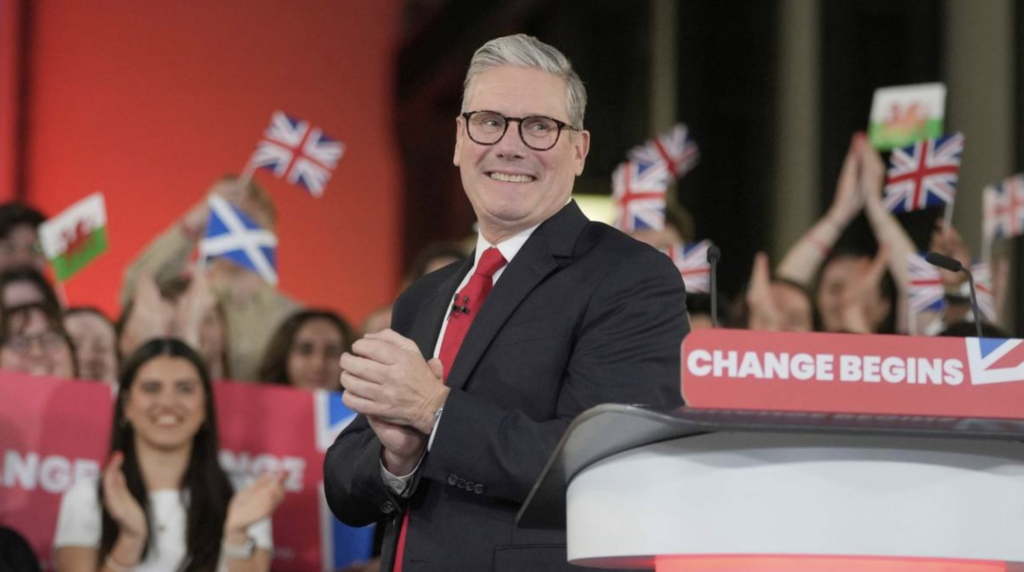
The leader of the victorious Labour Party, Keir Starmer is the new, 58th Prime Minister of the United Kingdom. Those expecting radical changes in the relationship with the EU might be surprised by the new PM policies. The Labour programme is less social than many right-winged parties in continental Europe, and it does not include a rise in taxes for most British people.
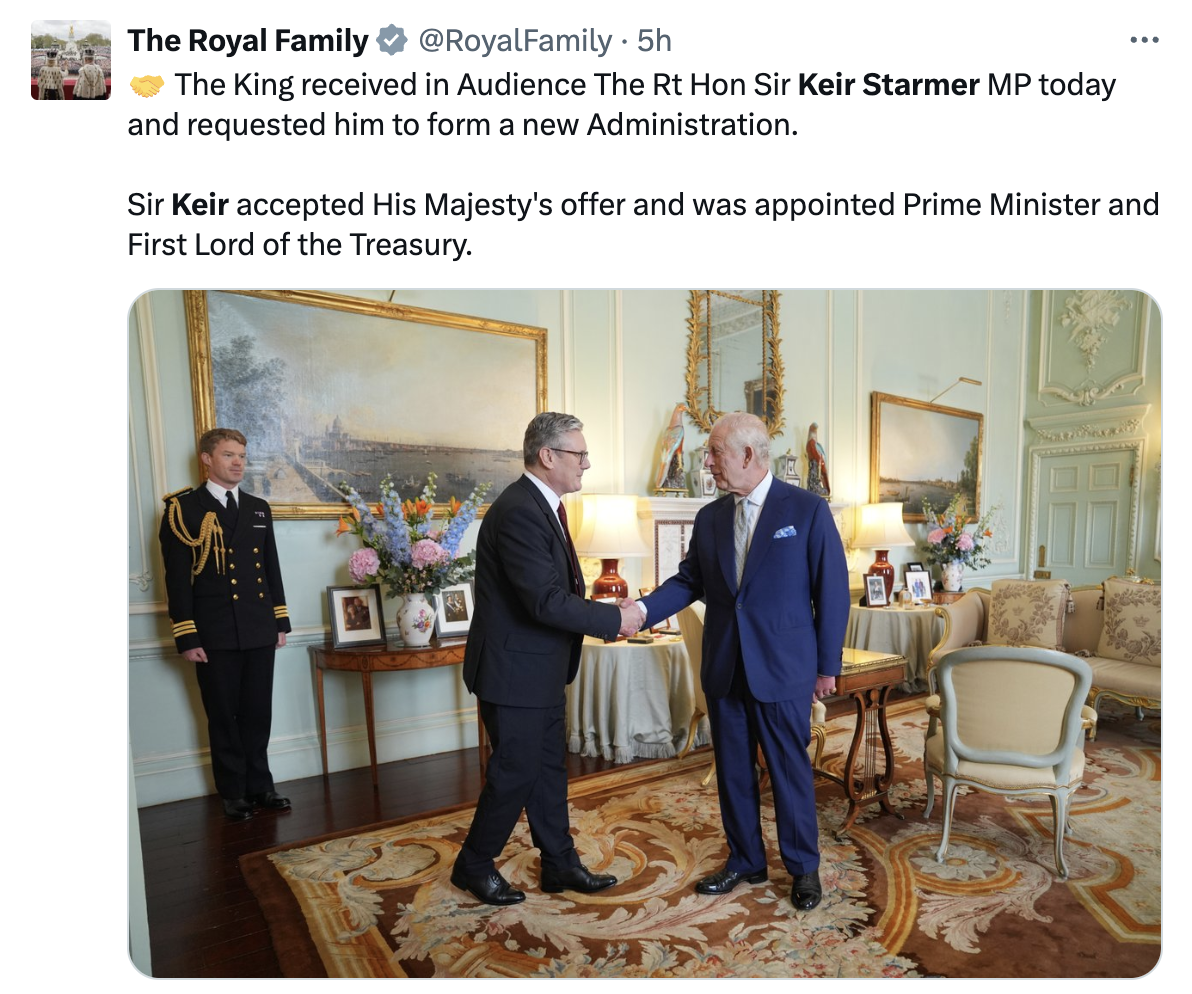
The newly-appointed Prime Minister was born in London in 1962 but grew up in the small town of Oxted south of the British capital. The Labour leader often points out his working-class background. He attended Reigate Grammar School. After graduating, he became the first person in his family to go to university where he studied law at Leeds and later at Oxford.
In 1987 he became a barrister. As a lawyer, the future prime minister specialised in human rights. He was a member of a Croat legal team in a genocide case against Serbia. Although he was a member of the Labour Youth Party at school, he did not enter top politics until his 50s.
In 2008, Starmer was appointed Chief Prosecutor of the Crown Prosecution Service, effectively the highest-ranking prosecutor in England and Wales. He held the post until 2013 and, upon leaving the post, was awarded a knighthood for services to the law and the administration of justice.
He was a member of Labour’s shadow cabinet at a time when socialist Jeremy Corbyn was Labour’s leader, in which he served as the equivalent of a minister for the process of leaving the EU. Starmer argued at the time that a new referendum on Brexit should be considered, which should include an option to come back to the EU.
“About Brexit, Labour’s ambitions are very muted. Studying its election manifesto and the statements of its main politicians, we can risk the opinion that it is not seeking a political mandate for some radical change in the order developed by the Conservatives, but a mandate for a certain adjustment,” said Dr Przemysław Biskup, an expert at the Polish Institute of International Affairs (PISM), in an interview with the Polish Press Agency.
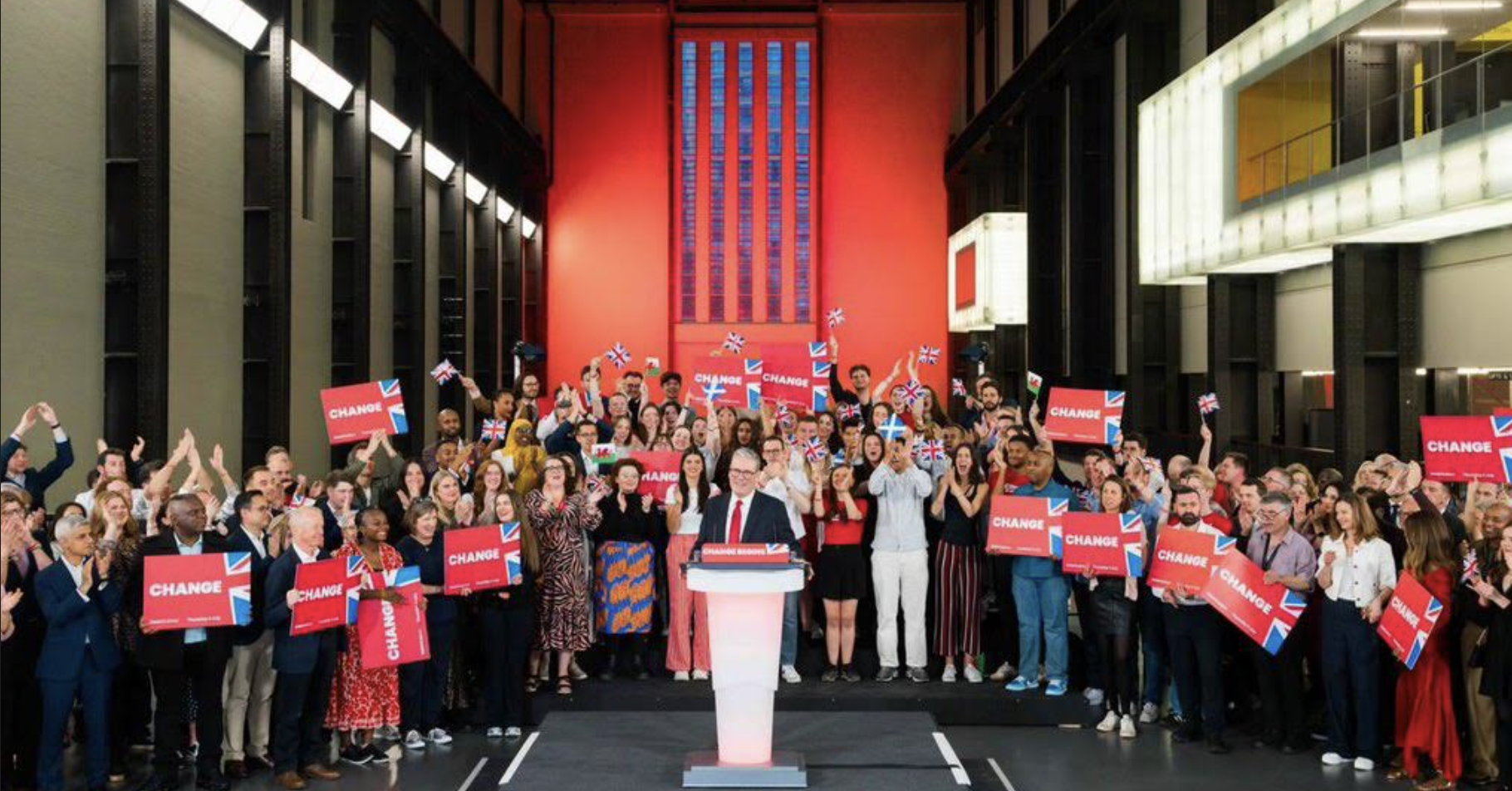
When asked about his moderate political ideas, Starmer seems to react rather harshly, stating that “he was running to become a PM, not to run a circus.”
So what are his actual ideas for reform? Its investment in the public sector shall push the country to become the fastest-growing G7 economy. These include the creation of a new state-owned energy investment focused on energy transformation. The Conservatives’ statements about the need to increase funding for the defence effort to 2.5 per cent of GDP seem to remain on the new government agenda.
Labour openly admits that its projects will cost taxpayers money. It announced that it will fund its promises through £8.5 billion of annual tax rises and £1.5 billion through cutting other expenses. At the same time, Labour promised not to adopt any aggressive tax policies. The party programme says there shall be no general increase in income tax, national insurance contributions and added value tax.
Despite Starmer’s hard work, it is widely said that the new Prime Minister’s greatest ally was the weakness of the Conservative Party, especially after the Covid party scandal of 2021 that had a disastrous impact on the popular image of the Conservatives.
Photo: X/Keir Starmer
Tomasz Modrzejewski