At the start of the penitential season of Lent, the Polish faithful celebrate Ash Wednesday (Środa Popielcowa) with religious fervor, introducing the faithful to a 40-day journey to Easter. While the ritual of the imposition of the ashes on the forehead is common to the entire Catholic world, certain traditions specific to Poland add an extra religious and cultural significance to this day.
Ash Wednesday is not a bank holiday in Poland, but it draws big crowds to the churches within the country where the faithful take time off from the routine of daily life to attend Mass.
During the Mass, priests mark the foreheads of the faithful with the use of ashes, invoking the ancient words: “Z prochu powstałeś i w proch się obrócisz” (“Remember that you are dust, and to dust you shall return”).
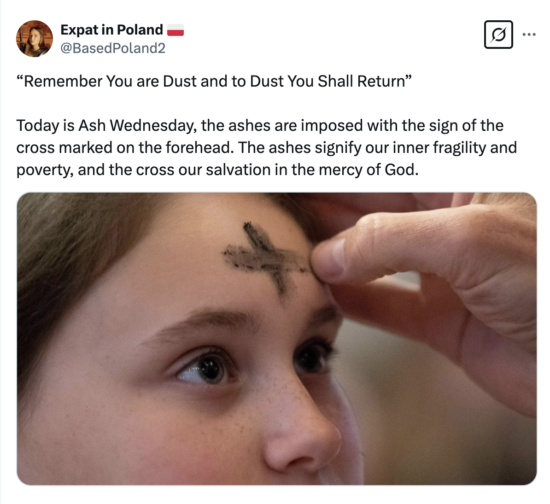
This ritualistic mark serves to remind the faithful about the mortality of man and the need to repent.
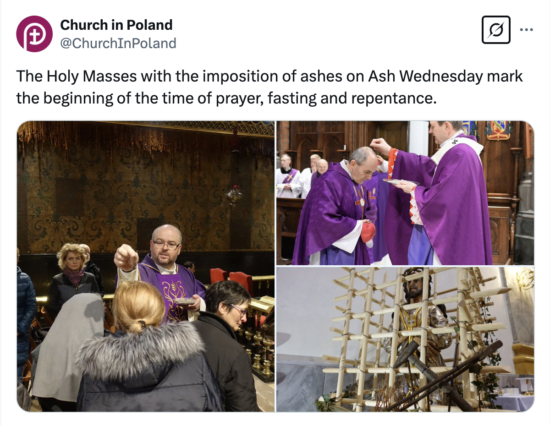
The ashes used during this ceremony are taken from the palm leaves that are incinerated during Palm Sunday the previous year, which symbolise the cycle of renewal and faith. While other countries sprinkle the ashes upon the crown of the head, the people of Poland use them to mark the forehead in the form of a visible cross.
Ash Wednesday is a day of fasting and abstinence from meat for the majority of Poles. According to the Catholic tradition, adults are to observe one full meal and two lighter ones, renouncing indulgence and luxury foods. This adheres to the ancient Polish traditions during Lent that emphasize strong austerity and renunciation to draw nearer to God.
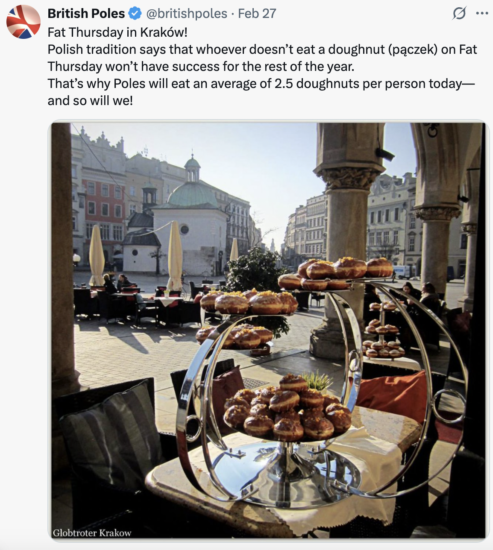
Remnants of Ostatki (Shrove Tuesday) and Tłusty Czwartek festivities such as pączki (Polish doughnuts) and faworki (fried dough pastry) are removed from some homes to be replaced by simpler, meatless foods that mark the beginning of the penitential season.
While Ash Wednesday is a religious holiday, rural Poland has long experienced the holiday along with folklore. The villagers used to believe that if one did not receive the ashes, something unfortunate would happen.
Some believed that washing off the ashes prematurely was unlucky, which encouraged the faithful to leave the cross showing for as long as possible.
Furthermore, folklore warns that there ought to be neither loud celebration nor rejoicing during this period but prayer, meditation, and religious renewal.
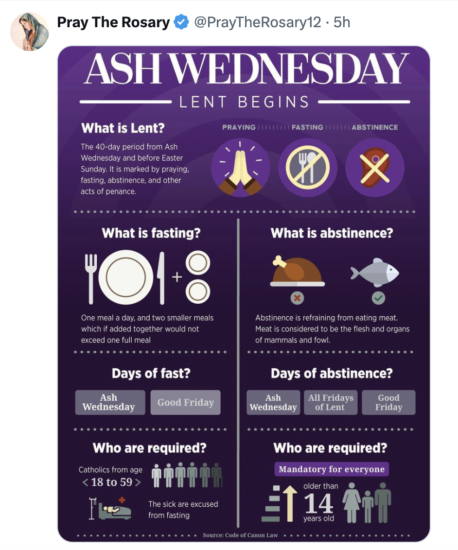
Polish Catholics view Ash Wednesday not only as a religious ritual but as the beginning of a season of renewal and self-reflection. Believers use the period to take Lenten vows to abstain from certain indulgences, to be charitable, or to reinforce faith through prayer and meditation.
As the ashes fade away, the significance of the day lingers to remind the faithful that they are bound to a more righteous and meaningful life toward the resurrection joy of Easter.
Source: Ministry of Culture of Poland
Photo: @PrayTheRosary
Tomasz Modrzejewski