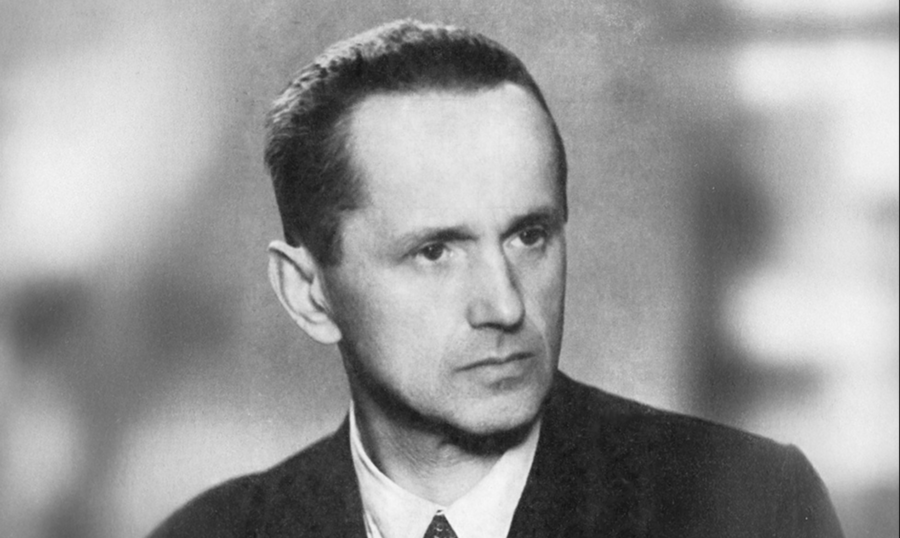
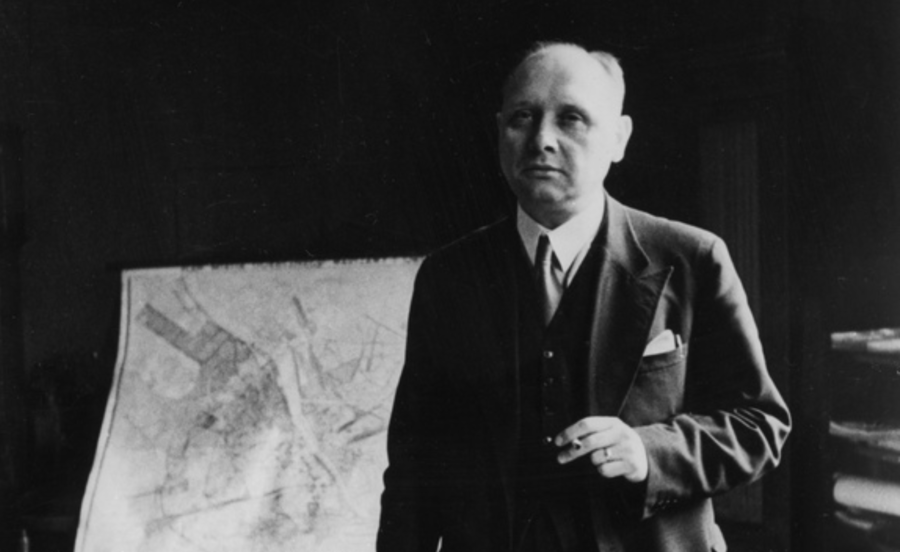
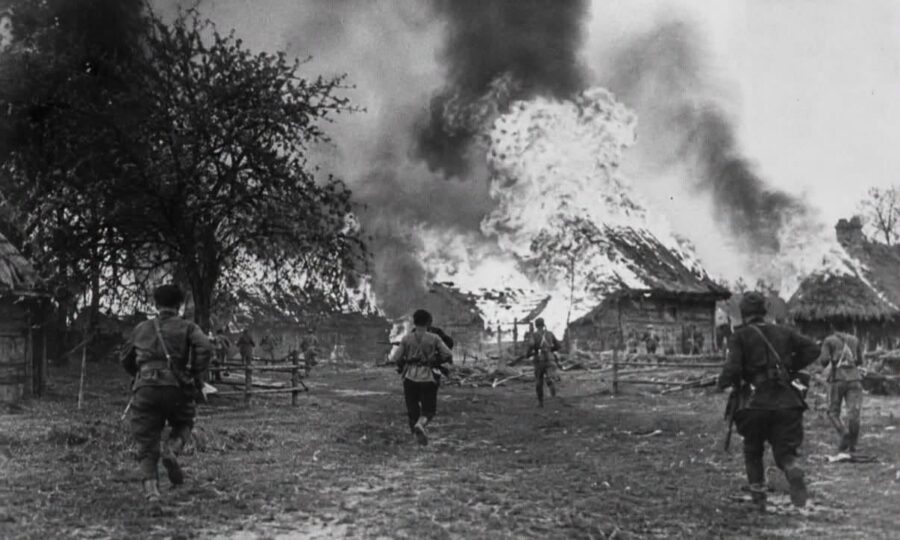
Kazimierz Sosnkowski stands as one of the most compelling yet often overlooked figures of modern Polish history, a soldier-intellectual whose life mirrored the nation’s turbulent twentieth century. From clandestine independence activism in partitioned Warsaw to the highest military office of Poland-in-exile, his path was marked by unwavering loyalty and profound personal sacrifice.
Born in Warsaw on 19 November 1885 into a patriotic noble family, Kazimierz Sosnkowski quickly became one of Poland’s foremost military figures of the twentieth century.
After completing his secondary education in his hometown, he secured admission to the Warsaw Polytechnic in 1905, though he did not embark on the studies due to the institution’s closure during a student strike.
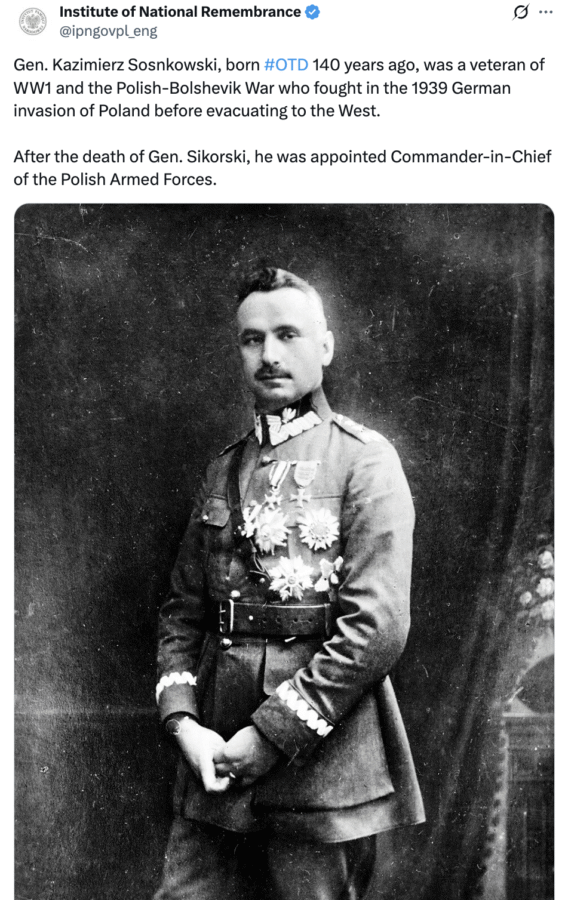
That same year he joined the Polish Socialist Party (PPS) and, a year later, its Fighting Organisation (Organizacja Bojowa PPS), eventually serving as commander in the Warsaw, Radom and Dąbrowa regions.
In 1908, Sosnkowski helped found the Union of Active Struggle (Związek Walki Czynnej), and in 1910 co-founded the Riflemen’s Association (Związek Strzelecki). When Józef Piłsudski became its supreme commander in 1912, Sosnkowski became his deputy and chief of staff.
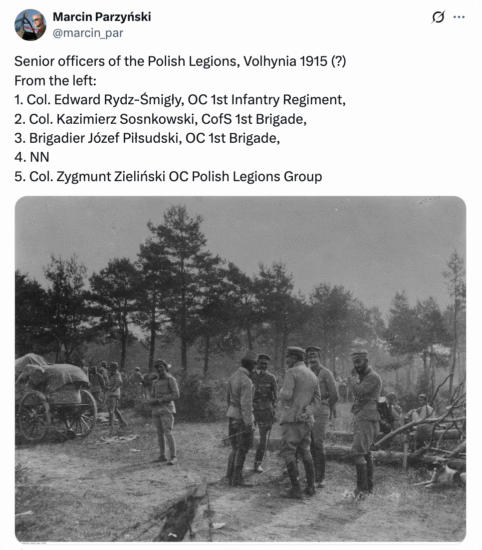
With the outbreak of war in August 1914, he became chief of staff first of the 1st Infantry Regiment, then of the 1st Brigade of the Polish Legions.
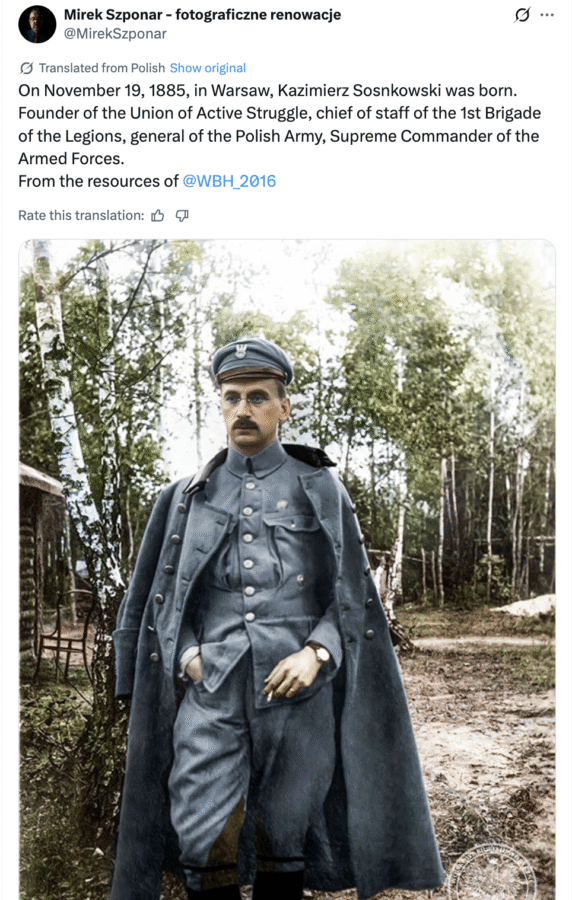
He was promoted to lieutenant-colonel in 1914 and colonel in 1916, participating in major battles including under Kielce (12–13 August 1914), Łowczówek (25 December 1914) and in the positional fighting near Czartorysk in 1915.
After the “oath crisis” of 22 July 1917, he was arrested by the German authorities and held in a series of prisons and the Magdeburg fortress alongside Piłsudski, being released only on 10 November 1918.
On 10 November 1918, Sosnkowski took command of the Warsaw General District and soon after became Deputy Minister of Military Affairs. In 1920 he achieved the rank of general-major and on 25 May 1920 assumed command of the Reserve Army, before being appointed Minister of Military Affairs and a member of the Defence Council from 10 August 1920 to 17 February 1924.
He later became inspector of several army regions: Podolia, Volhynia and then Polesie, until August 1939, also serving as chairman of the Armaments and Equipment Committee and of the Higher War School Committee. In 1936, he was promoted to general of arms (generał broni).
During the May 1926 coup d’état, Sosnkowski refused to join either side and attempted to take his own life; he spent six months recovering in hospital.
When war broke out in 1939, Sosnkowski took command of the Southern Front (10–20 September). After failing to relieve Lwów, he ordered the remaining units to attempt to break through to Hungary.
In October 1939, he reached Paris, where President Władysław Raczkiewicz appointed him as his successor in exile for the period until August 1944.
Shortly thereafter, in November 1939, he became Deputy Prime Minister and Minister of State in the Polish Government-in-Exile, and from 13 November 1939 to 30 June 1940, he served as Chief Commander of the Union of Armed Struggle (ZWZ).

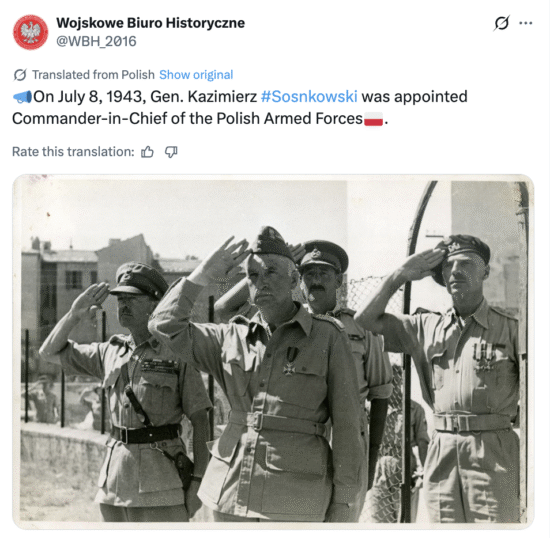
Following the death of General Sikorski on July 8, 1943, he assumed the role of Commander-in-Chief of the Polish Armed Forces, a post he held until September 30, 1944.
After his dismissal from the post of Commander-in-Chief (widely attributed to pressure from Allied political leadership) in September 1944, Sosnkowski was effectively sidelined. He was described as a persona non grata due to his outspoken criticism of Allied concessions to the Soviet Union.
He relocated to Canada in November 1944, taking up a 25-acre farm near Arundel, north-west of Montreal, where he worked as a manual labourer and woodworker to support his family of five sons.
He visited London in 1952 to attempt unification of the divided Polish-emigre community, but after repeated setbacks returned to Canada and devoted himself to public writing, advocating for Poland’s pre-1939 eastern borders and rejecting contact with the communist authorities in Warsaw.
Chronically ill and having nearly lost his sight and endured two heart attacks, Sosnkowski died in Arundel on 11 October 1969.
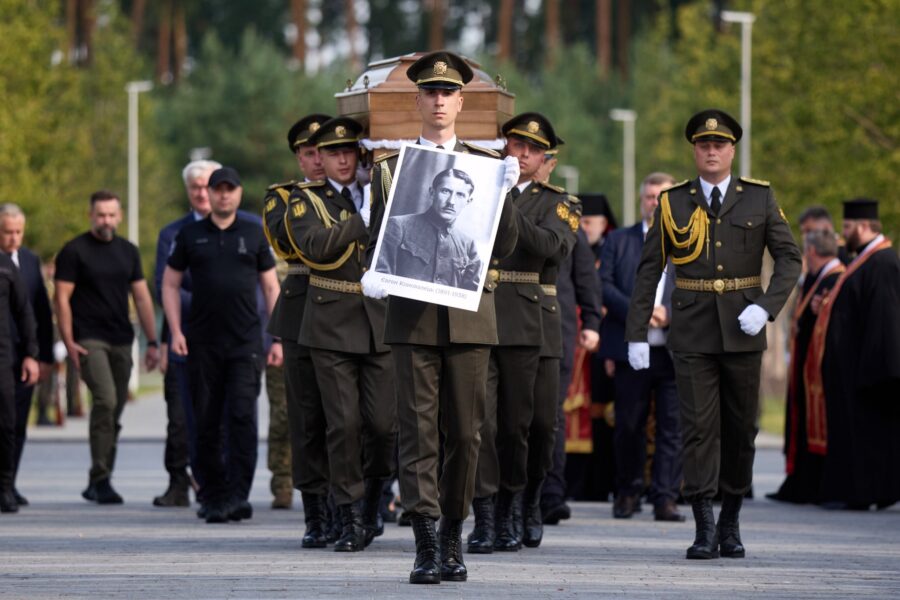
His ashes were brought back to Poland on 12 November 1992 and interred in the crypt of Warsaw’s Archcathedral of St John the Baptist.
Kazimierz Sosnkowski’s journey from a young activist in clandestine independence organisations, through the crucibles of two world wars, to an exiled figure torn between loyalty to his country and the realities of geopolitics, reveals the complexity of Poland’s twentieth-century saga.
His steadfast patriotism, intellectual calibre and soldier’s courage earned him the admiration of contemporaries, notably when Poland’s Prime Minister in Exile, Stanisław Cat-Mackiewicz, wrote of him:
“His intelligence was magnificent. (…) His patriotism was not only deep and without flaw, but wise and beautiful.”
Photo: X @WBH_2016
Tomasz Modrzejewski