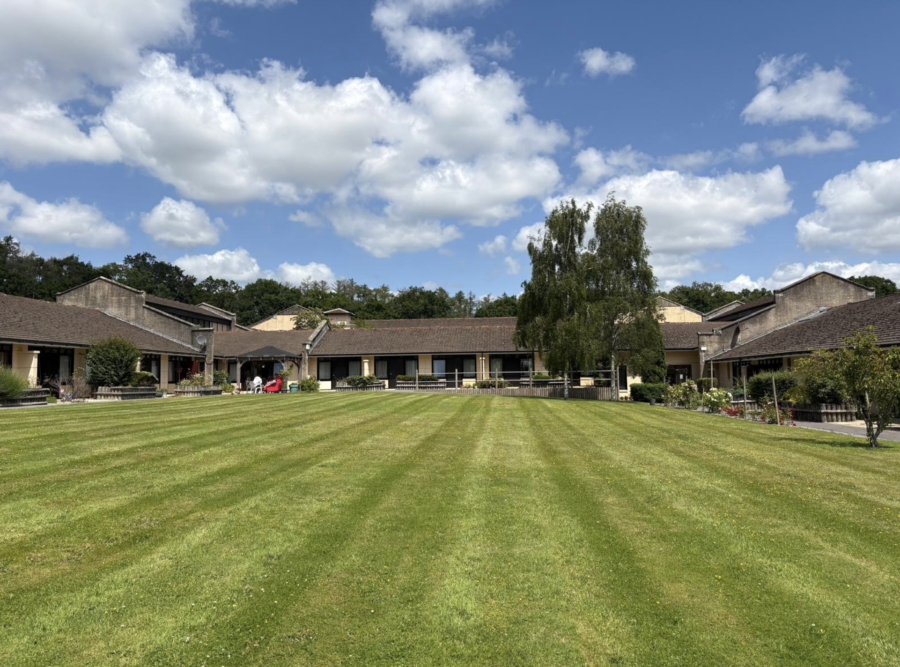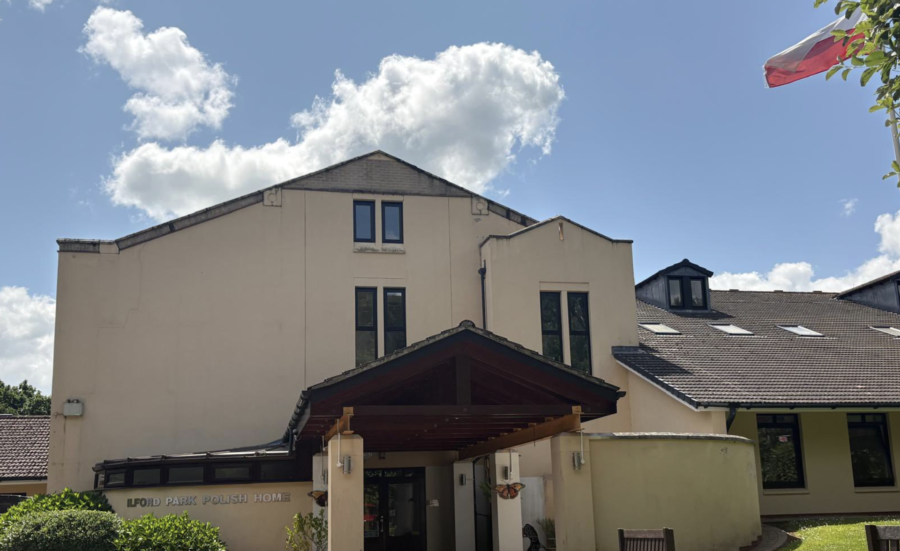
The Ilford Park Polish Home was established in the aftermath of the Second World War to provide care for Polish servicemen who had fought under British command and could not safely return to a Soviet-controlled homeland.
Over time, it evolved into a residential and nursing facility for veterans and their families; today, the last remaining institution of its kind in the United Kingdom.
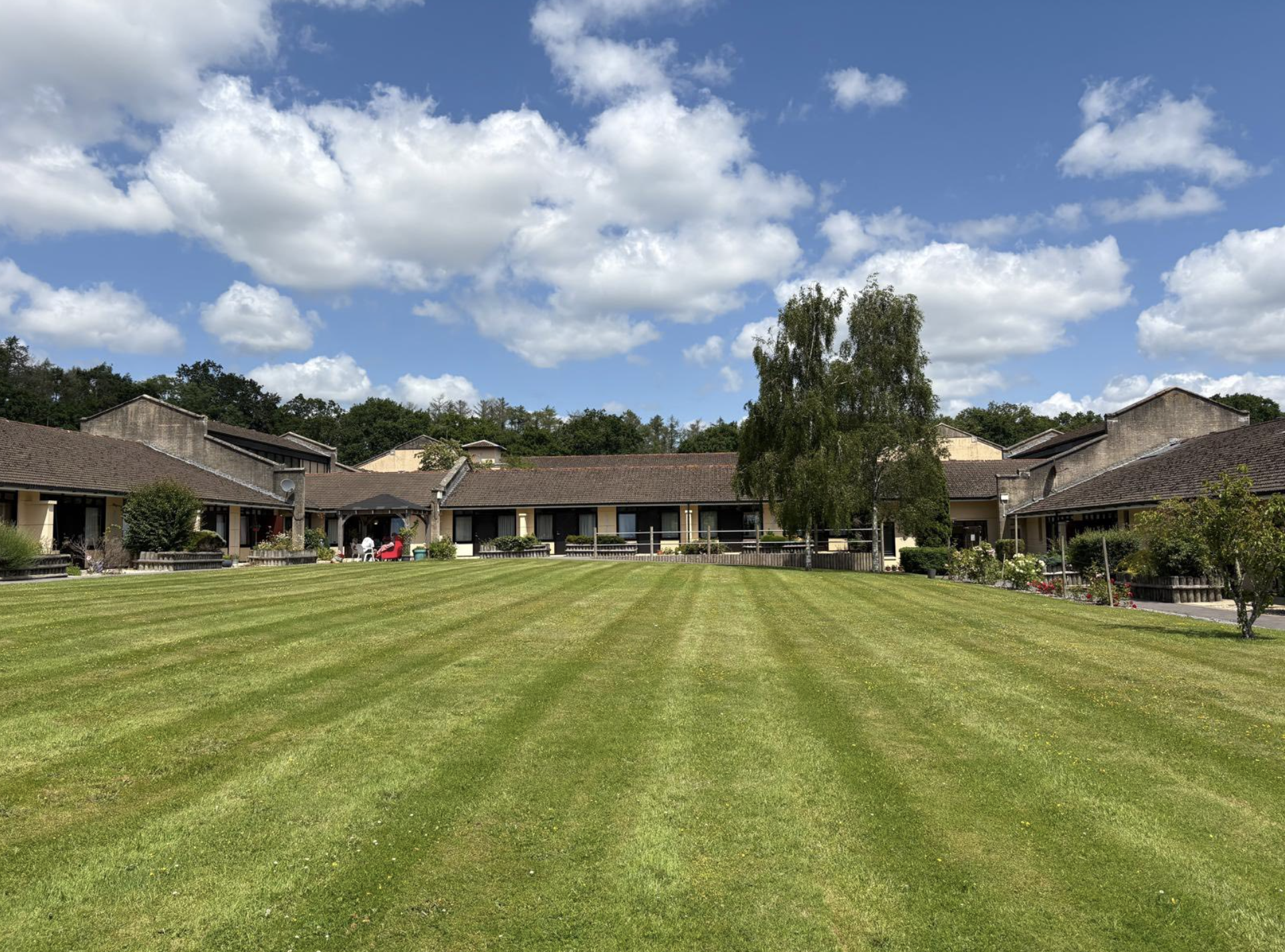
Its purpose has never been purely practical. The home has sought to recreate a sense of Poland for its residents: Polish-speaking staff, traditional food, religious services, and national celebrations form part of daily life, particularly important for elderly residents who often revert to their native language.
Now, the Ministry of Defence is considering a gradual winding down of the institution. The consultation, opened in April 2026, proposes ending new admissions after 2027 and potentially relocating remaining residents if numbers fall below a viable threshold.
Officials argue that the demographic reality has shifted. Once home to dozens more residents, the facility currently houses around 40 people, far fewer than its capacity of nearly 100.
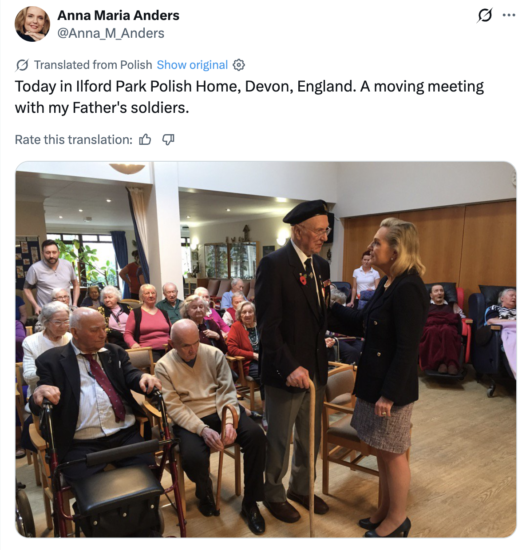
The consultation invites public views on whether the home should continue operating in its current form or whether alternative care arrangements, possibly closer to residents’ families or more integrated within mainstream services, would be more appropriate.
For many, Ilford Park represents a living fulfilment of what has often been described as Britain’s moral commitment to Polish forces after the war. The facility stands as a tangible reminder of wartime alliance and sacrifice.
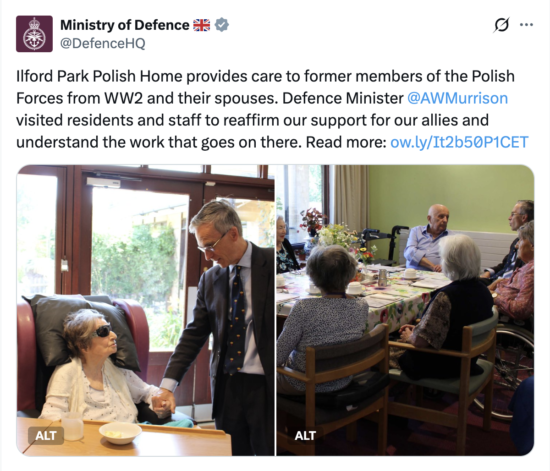
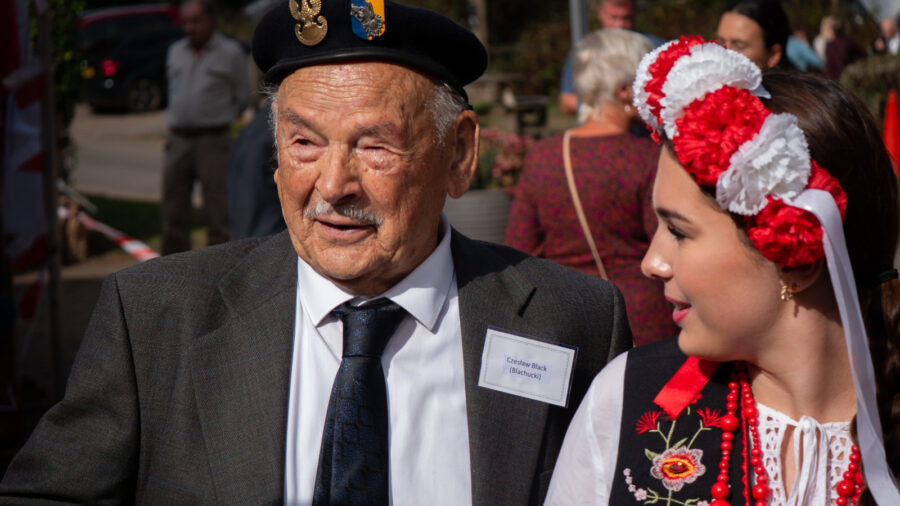
The potential closure or transformation of the home raises concerns about the loss of a unique cultural environment. Unlike standard care facilities, Ilford Park offers not only medical support but also a shared linguistic and historical identity.
For residents who lived through war, exile and decades of displacement, that sense of belonging may be as significant as the care itself.
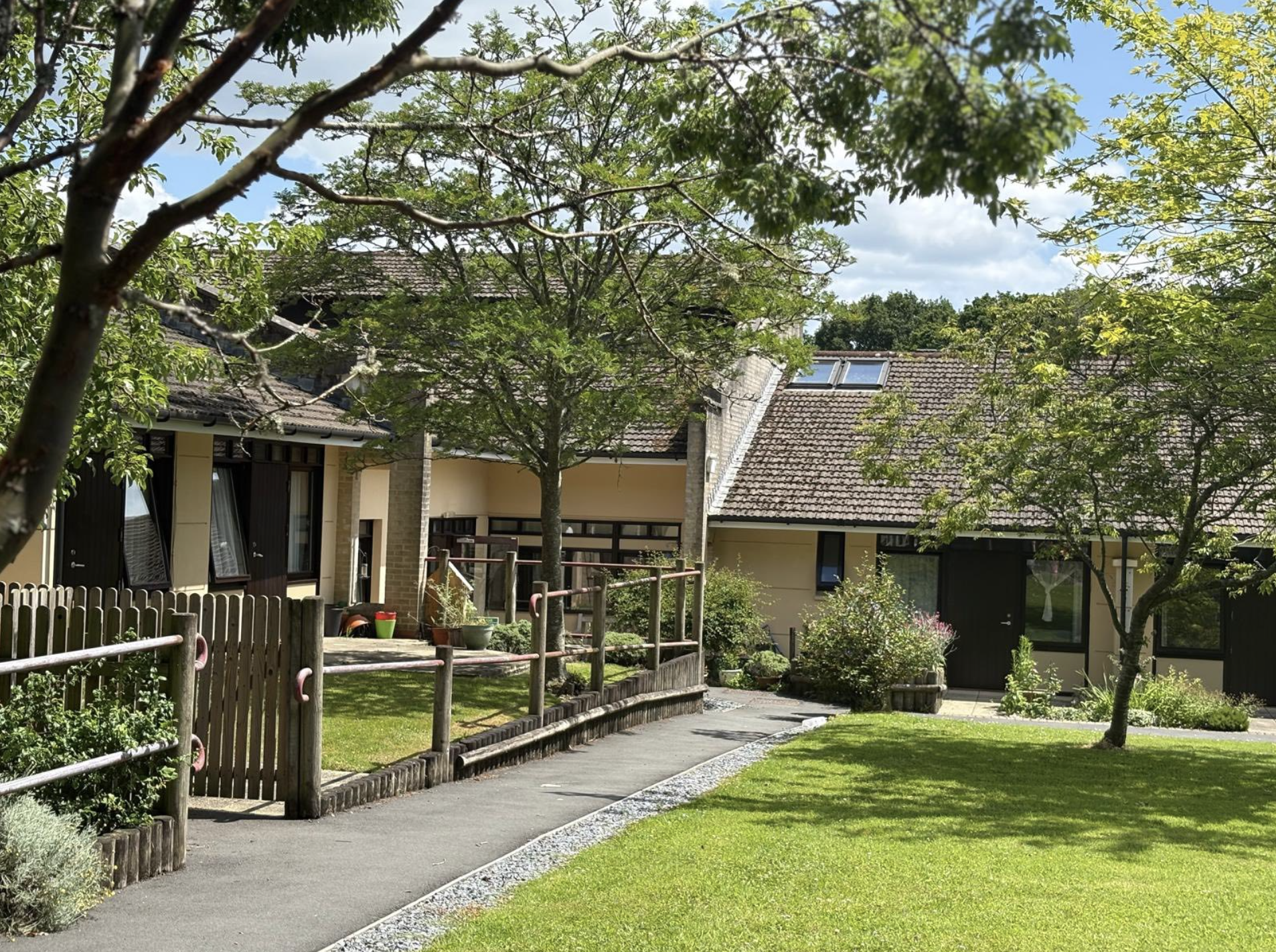
Critics of the proposal argue that dispersing residents into different institutions risks eroding this carefully preserved community. Supporters of reform, however, suggest that modern care systems may better meet individual needs, especially as the population ages and becomes more medically complex.
The consultation remains open until early June 2026, with the government expected to review responses before making a final decision.
Whatever the outcome, the debate surrounding Ilford Park Polish Home reflects a broader question facing many countries: how to honour historical commitments while adapting to present-day realities.
For now, the future of this “Little Poland” in rural England hangs in the balance, its fate tied not only to policy decisions, but to how a nation chooses to remember its past.
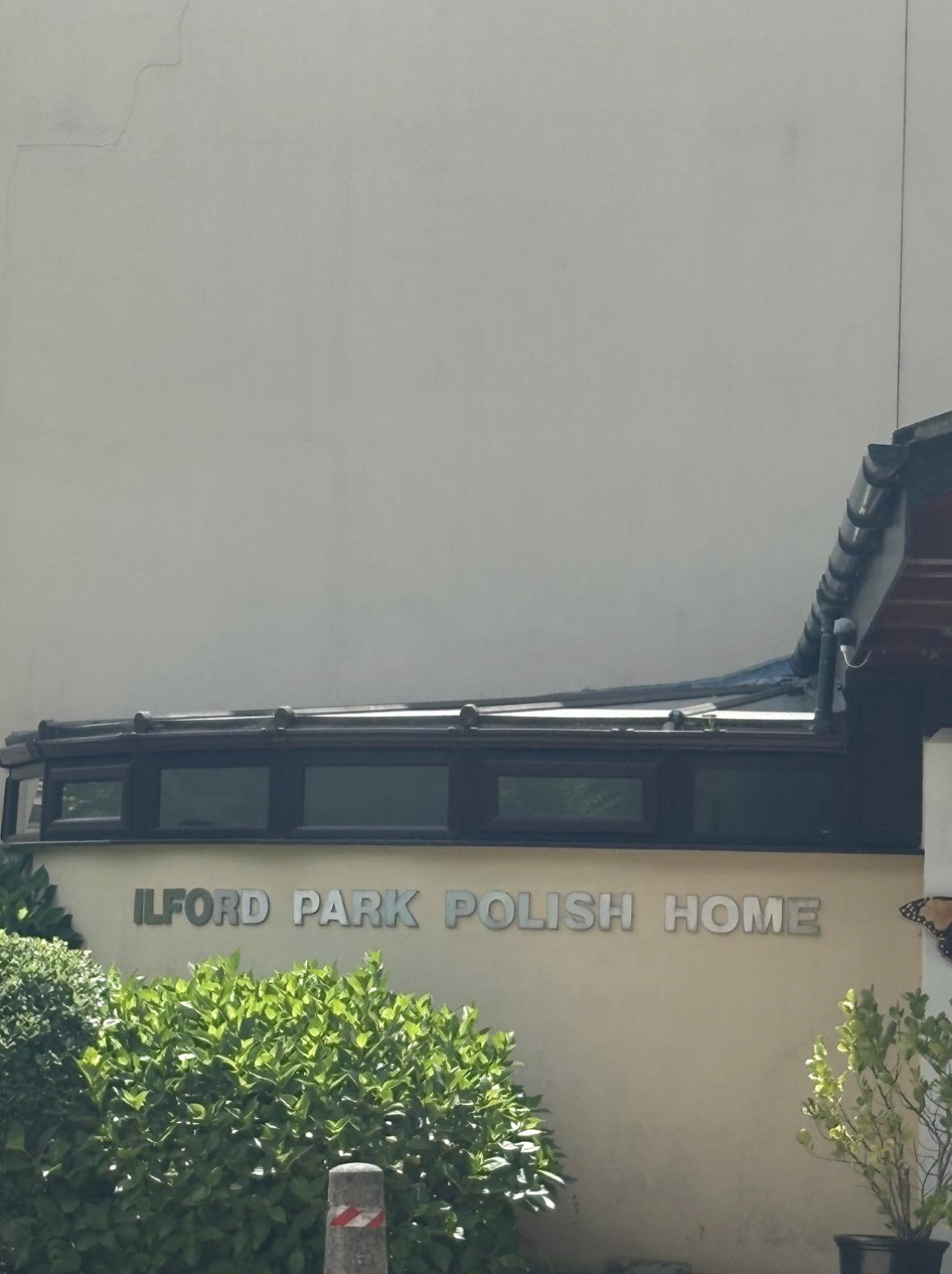
We strongly encourage you to participate in the consultations. You can use the letter below to form your own statement:
“Submitted by: [NAME]
Date:
I am writing as a stakeholder with a direct cultural, social and public interest in the future of the Ilford Park Polish Home. I wish to express my strong opposition to any proposal that would lead, whether directly or indirectly, to its closure or to restrictions on future admissions without first securing a credible and long-term alternative that preserves its unique function.
The Home represents far more than a standard care facility. Its residents include former members of the Polish Armed Forces who served under British command, as well as individuals displaced during the Second World War and protected under arrangements formalised by the Polish Resettlement Act 1947. The United Kingdom, therefore, bears an enduring moral and statutory responsibility towards this group. Any move towards closure, or even a gradual winding down through limiting admissions, risks undermining that responsibility and reducing a historic commitment to a matter of financial expediency.
Equally important is the Home’s irreplaceable cultural and linguistic role. It provides Polish-speaking staff, familiar traditions, and a shared identity that is essential for elderly residents, particularly those living with dementia or approaching the end of life. Such an environment cannot be easily replicated within mainstream care provision. Proposals suggesting that similar services might be recreated elsewhere remain vague and unconvincing, and offer little reassurance that the current standard of care could be maintained.
I am also concerned that the proposed approach may be inconsistent with the duties set out in the Equality Act 2010, particularly with regard to ensuring equal access to culturally appropriate care for protected groups. The removal or dilution of such provision risks indirect discrimination and a failure to meet the specific needs of residents defined by their language, cultural background, age and health.
In conclusion, the Ilford Park Polish Home should not be allowed to decline by design. Its future should be secured through continued operation, open admissions, and a long-term strategy that recognises both historical obligations and emerging demographic needs.
Yours faithfully,
[NAME]”
Responses may be submitted by:
Email to: DBSAFVS-IPPH-consultation@mod.gov.uk
Ensure ‘IPPH Consultation’ is included in the email subject line.
By writing to:
Business Manager – TO BE OPENED BY ADDRESSE ONLY
Defence Business Services
Ilford Park Polish Home
Forest Road
Stover
Newton Abbot
Devon
TQ12 6QH
More info on gov.uk here.
Photos: Facebook, Polish School in Enfield
Tomasz Modrzejewski
From the editor: