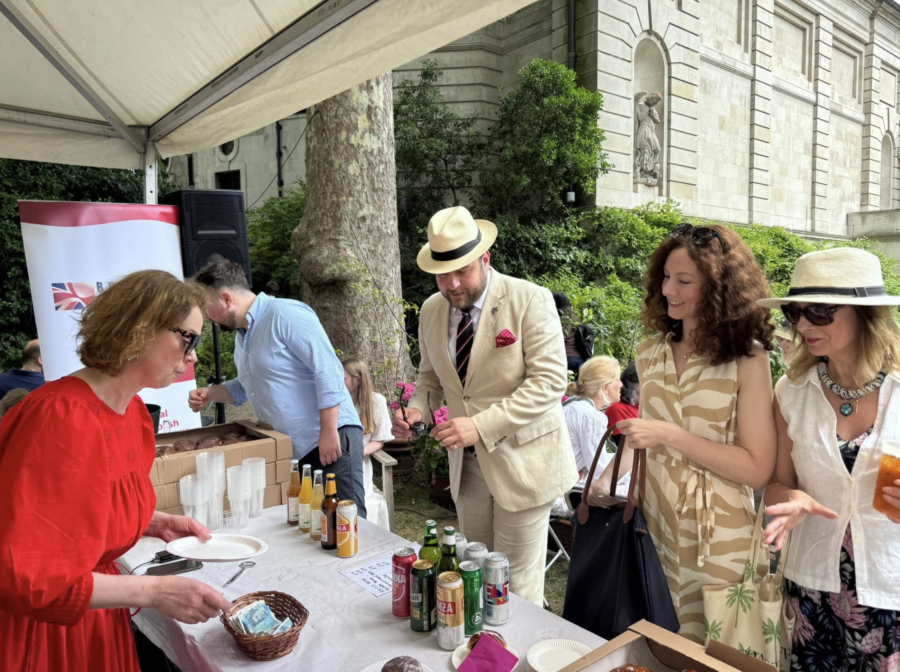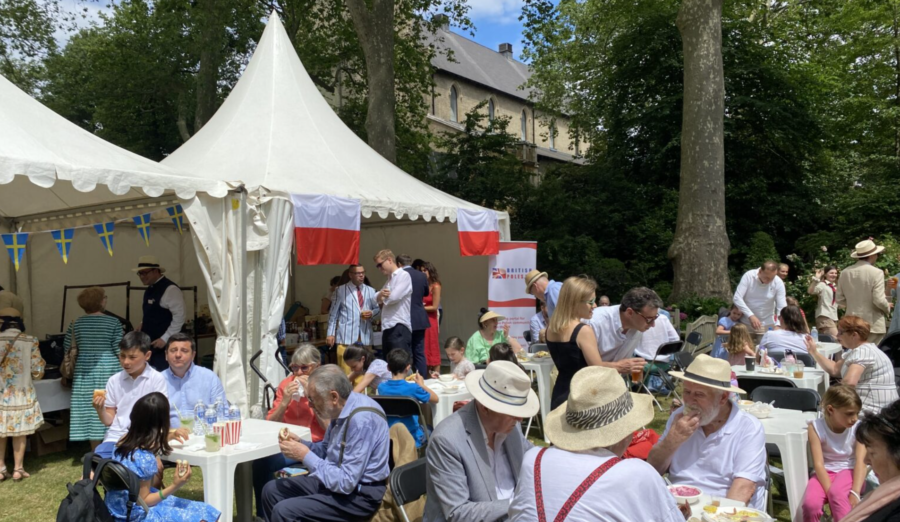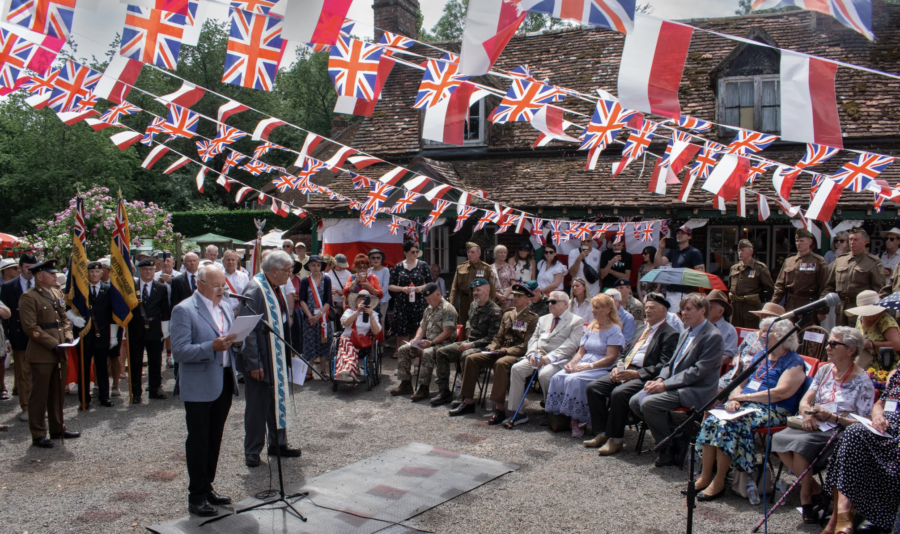
The tiny village community of Checkendon came together on Saturday, 30 May 2026, transforming a rural English village into a Polish living history museum to mark the 80th anniversary of the arrival of Allied Polish troops and their families at the local former military camp, the new home for heroes of the battles of D Day in Normandy, Italy and the Middle East. Over 300 people gathered to mark the 80th anniversary of the arrival of Allied Polish troops who helped liberate Europe before building a „Little Poland” in rural England.
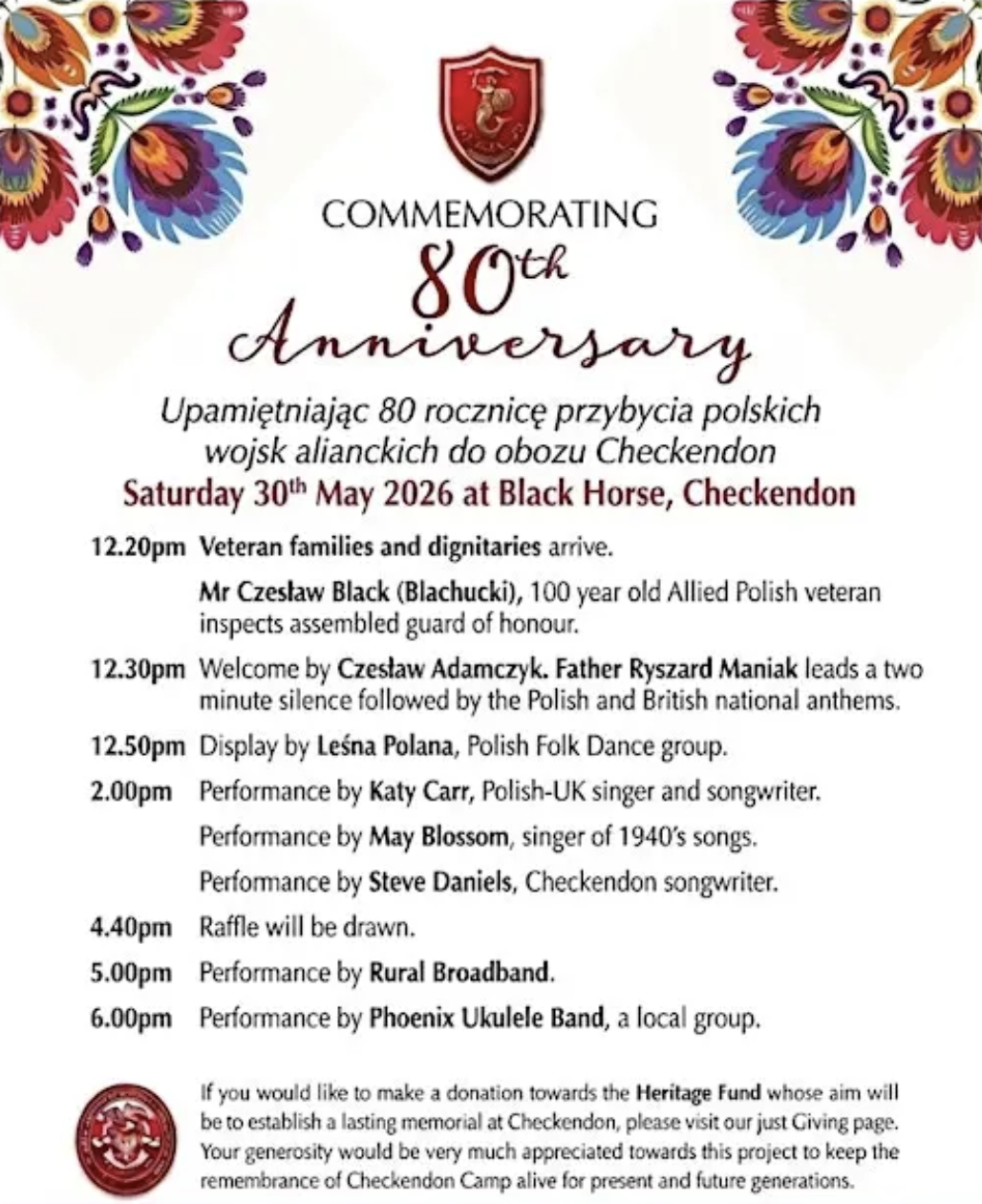
An extraordinary chapter of England’s hidden history was brought back to life last weekend as over 300 people gathered in the village of Checkendon to commemorate the 80th anniversary of the arrival of Allied Polish soldiers and their families, who settled in the area after fighting alongside British forces during the Second World War.
The emotional event, organised by the Friends of Checkendon, Nettlebed and Kingwood Common Polish army and resettlement camps, commemorated the arrival in 1946 of Polish troops who had served under General Bernard Montgomery’s famous Eighth Army in Italy and across the Middle East, and General Stanisław Maczek and his highly decorated 1st Polish Armoured Division, the „Black Devils” which joined the Normandy campaign in 1944. Unable to return to their homeland following Soviet domination of post-war Poland, many were resettled in Britain, finding sanctuary in former military camps hidden within the Oxfordshire countryside.
For more than a decade, the camp at Checkendon became home to thousands of Polish veterans and their families, transforming a woodland military base into what former residents affectionately remember as „Little Poland”.
The anniversary celebration, held at the historic Black Horse pub, itself a cherished landmark in the story of the Polish community, welcomed descendants of former residents and friends from across Britain and even USA, Canada and Norway, military representatives, local residents and the sole last surviving Polish Second World War veteran associated with the camp, one of only a few veterans worldwide.
VETERAN GUESTS OF HONOUR
The guest of honour was 100-year-old Polish Army veteran Czesław „Ches” Blachucki, who returned to Checkendon to witness the commemorations, alongside Mr Marian Greczyn, son of the last Polish military camp commanding officer who was a hero of Monte Cassino and Tobruk, and 8 refugee veteran family members all in their 80s or 90s and born in prewar Poland and refugees from Siberia, India and Africa but living now locally in UK. Their presence served as a poignant reminder of a generation whose sacrifice helped secure freedom in Europe before many were forced into permanent exile from their homeland. A camera crew were present to film a TV documentary of the day, BBC and BBC local radio reported on the event, highlighting the veteran’s emotional return to the place that became home to thousands of displaced Poles after the war.
MILITARY PRESENCE
The day started when a dozen WW2 jeeps and historic military vehicles of the Oxfordshire and Berkshire branch of the Military Vehicles club arrived in convoy bringing the Veteran and VIP veteran families to start the event.
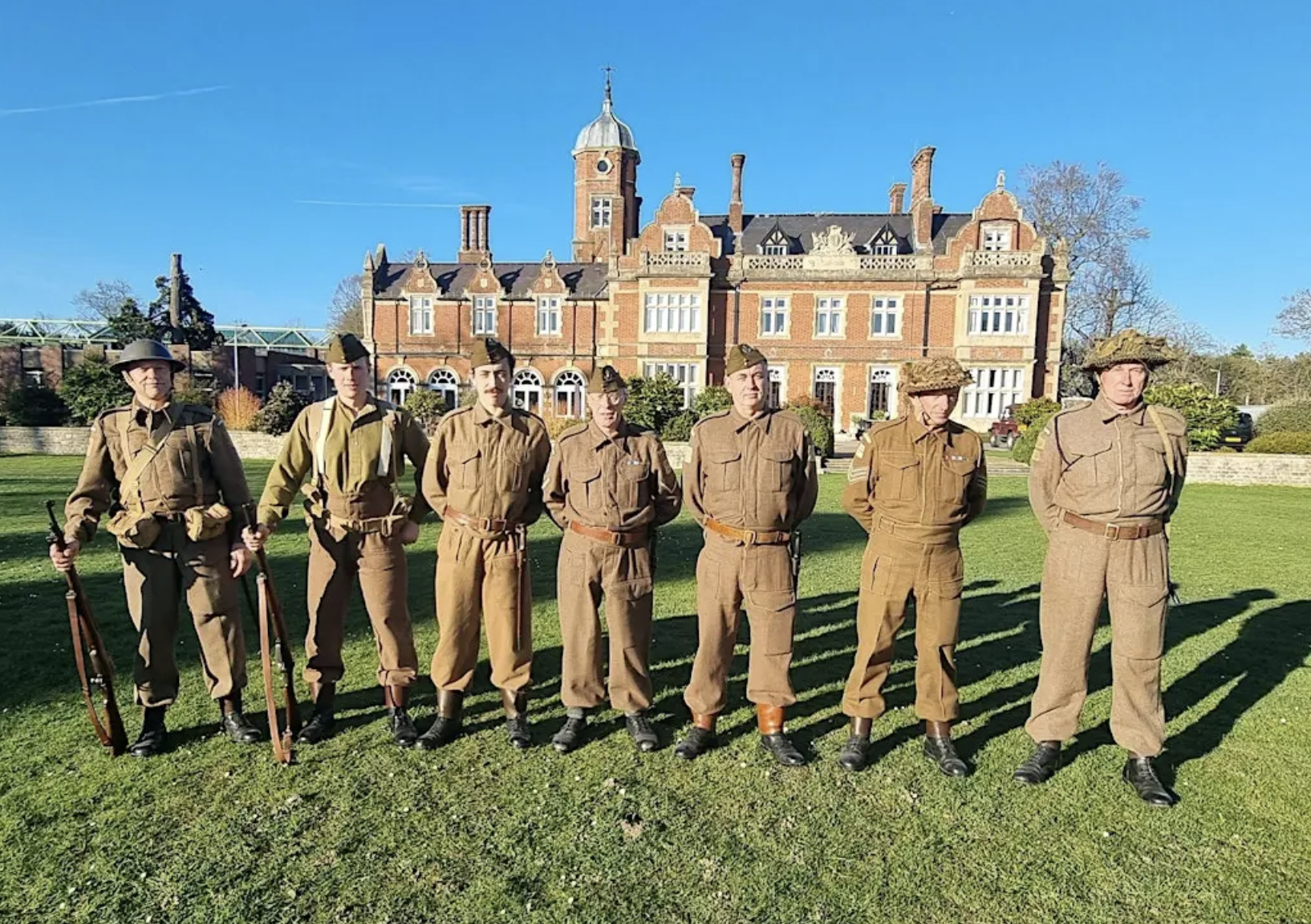
The organisers were proud to be graced by the Commanding officer and troops of the 7th Regiment Royal Logistics Corps based in Oxfordshire, the direct descendants of the Polish soldiers serving in the British Army. They still maintain Polish traditions all these years latter, and proud of their Polish Eagle flag standard. Also in attendance were the Polish Defence Attache and his W01 officer, from from talks with the primate Minister, Kier Starmer, alongside the local Redline Home Guard Living history group, and Royal British Legion branches of Henley and Nettlebed.
POLISH HISTORY IN OXFORDSHIRE
Historian and author Graham Drucker, who organised the event said:
„When I began researching the camp, I discovered there was almost no recorded history. It existed as folklore among local people, but the stories of the soldiers and families who lived here were in danger of being lost forever.
These men fought for freedom under British command in General Anders famous 2nd Corps, yet many could never return to the homes they knew. What happened in Checkendon is not just Polish history — it is Oxfordshire history, British history and European history. We have a duty to ensure these stories are never forgotten.”
Following the war, more than 228,000 Polish servicemen served under British command, many of whom were unable to return home because Poland had fallen under Soviet control. The Polish Resettlement Act of 1947 offered sanctuary in Britain, creating one of the country’s first large-scale refugee resettlement programmes. Former military camps such as Checkendon became places where displaced soldiers could rebuild their lives and raise families. The wider significance of the Polish resettlement programme remains recognised today as an enduring example of Britain’s commitment to its wartime allies.
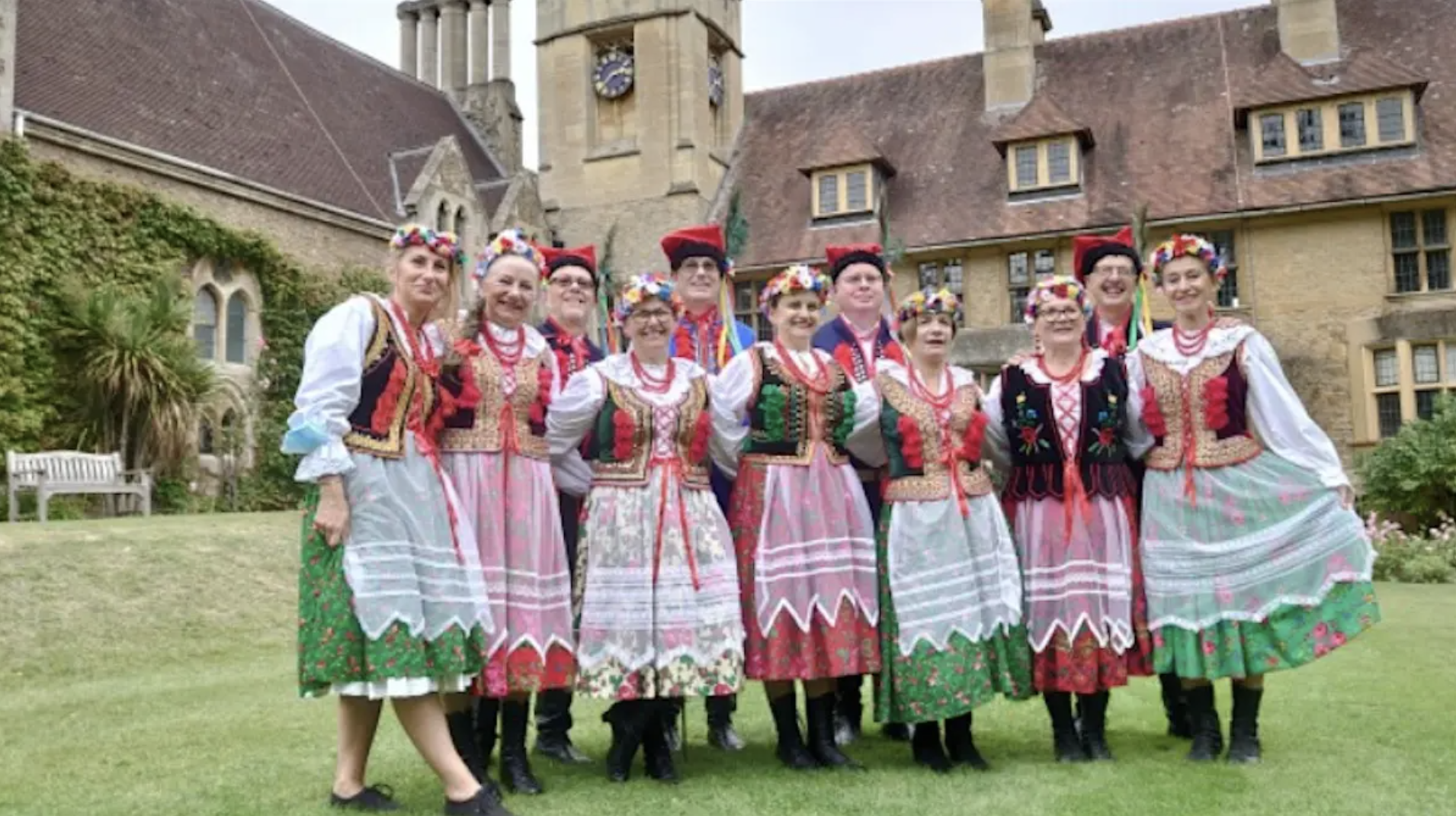
VETERAN FAMILIES RECOLLECTIONS
Throughout the day, guests enjoyed military vehicle displays, wartime music, commemorative ceremonies and moving personal testimonies from former residents who recalled growing up among the Nissen huts hidden in the nearby woods.
Speaking during the ceremony, former resident Czesław Adamczyk, and proud son and grandson of Polish veterans of the famous Battle of Monte Cassino, reflected on the camp’s significance:
„From 1948 until 1961 these woods were transformed into Checkendon’s Little Poland. It became a place where displaced soldiers and their families found sanctuary, raised their children and preserved their culture after being exiled from their homeland.
Today we are here to ensure the sacrifices of our parents and ancestors are never forgotten.”
Many attendees shared remarkable family stories stretching from wartime Poland and Siberian labour camps to the deserts of the Middle East and eventually the peaceful hills of Oxfordshire.
The event also marked the launch of several heritage initiatives designed to preserve the camp’s legacy for future generations. Organisers are currently compiling a Roll of Honour documenting approximately 500 Polish families connected with Checkendon Camp, representing more than 2,000 individuals.
Plans are also underway for the unveiling of a permanent commemorative plaque at the Black Horse in July, alongside an ambitious project to save the camp’s last surviving chapel Nissen hut and hopefully transform it into a museum and heritage centre dedicated to the Polish Resettlement story.
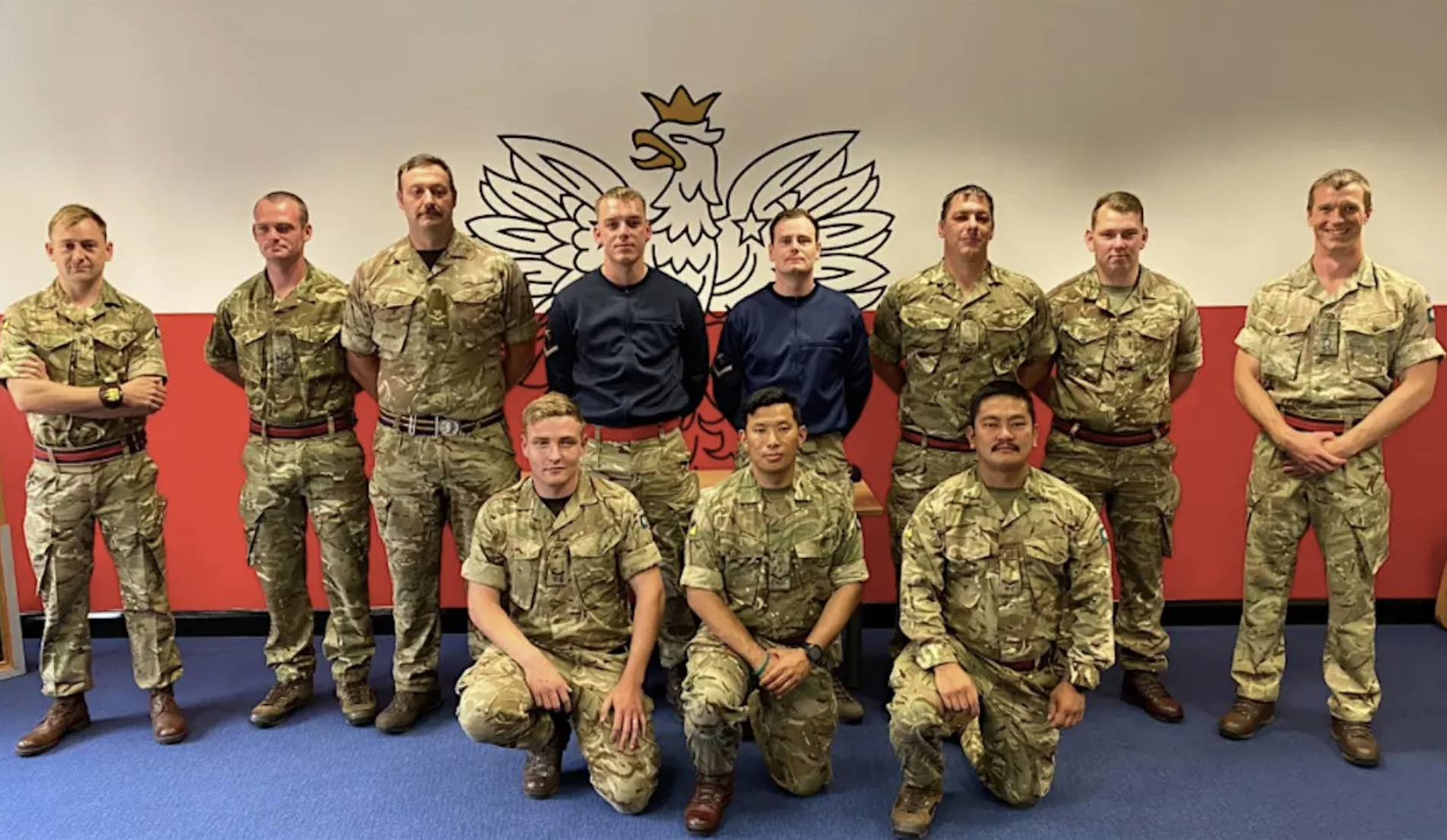
Mr Drucker added:
„The stories are extraordinary. Some families survived deportation, starvation, imprisonment and journeys across continents before arriving here in Oxfordshire. Checkendon gave them something they had not experienced for many years — safety, stability and hope.
The response to this event shows how important this history remains, not only to descendants of the Polish community but also to local people who recognise that this story forms an important part of our shared heritage.”
The remarkable turnout of well over 300 attendees demonstrated the enduring strength of the bonds forged in Checkendon’s post-war Polish community and the growing desire to preserve one of Oxfordshire’s most significant yet little-known wartime legacies.
Reminiscing was Ms Irenka Motyka, who lives in Sonning Common. She said her parents travelled from the Middle East to the UK in 1947.
“I lived in the Checkendon camp until I was five years old when my parents moved to their first ever house in England, and that is where I still live now”.
She said: “When we arrived in Checkendon, we kept all our local Polish traditions from where my parent originated in what is now Lviv, Ukraine but then Poland. I remember feeling quite intimidated by the woodland around me. I was scared there were bears in the woods like in Poland and I had no knowledge of the world beyond them. People had spoken of the beautiful woods, but I felt a real sense of mystery, a sense of allure, possibly a degree of fear and concern.”
Irenka was delighted with the turnout of so many Polish descendants that she hadnt seen in over 50 years, adding “It’s amazing hearing the experiences of others because it’s a consolidation of our identity.
“It’s extraordinary that people have carried these memories, these thoughts and concerns, these sadnesses as well as the joys and they can still remember them and feel an affinity with what was.”
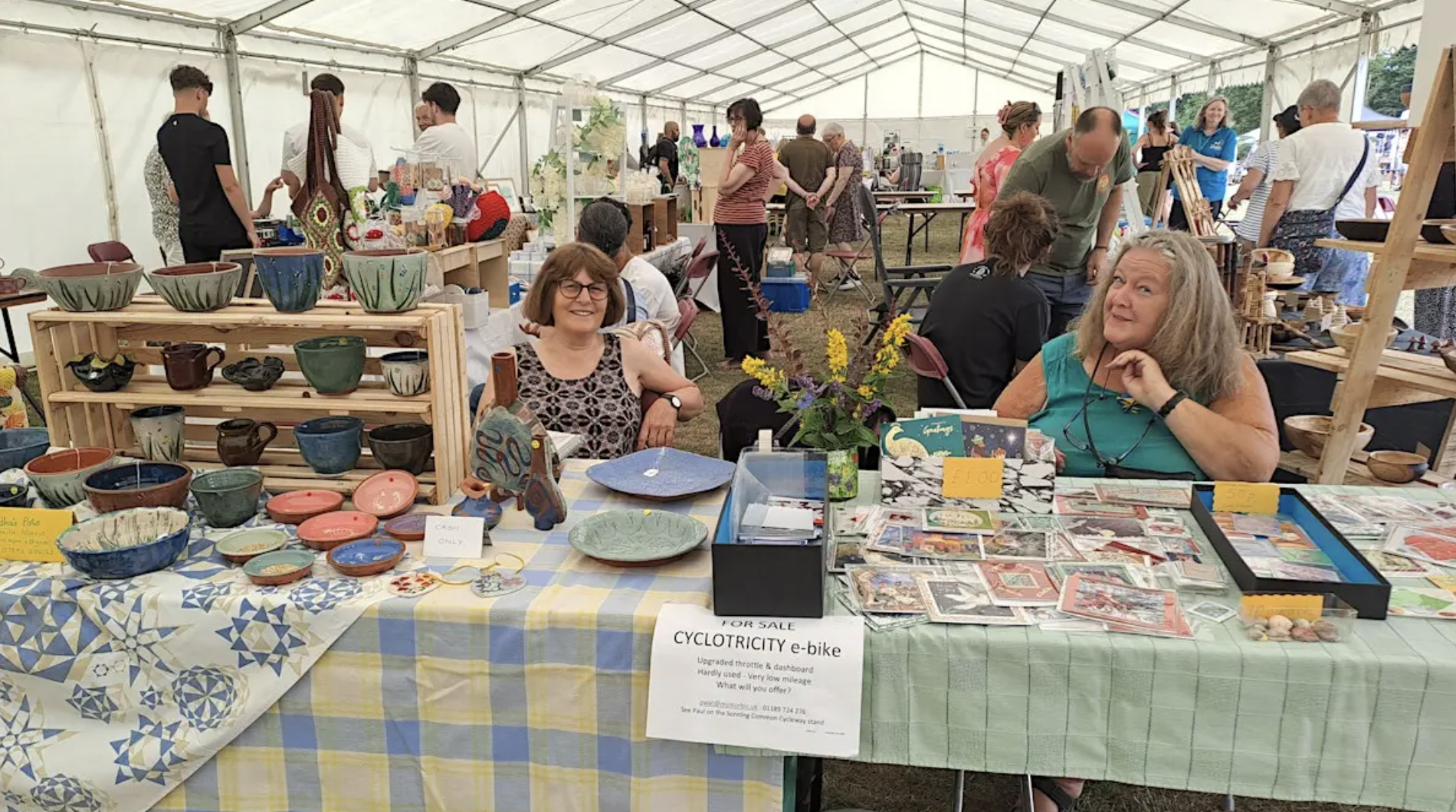
POLISH HERITAGE FUTURE IN OXFORDSHIRE
This is only the start of commemorations of Little Poland in Oxfordshire, and the launch of A Polish Heritage Fund to help the county to continue to reflect on the 80th anniversaries of the events – starting next with a plaque unveiling this summer at Checkendon and another one at Nettlebed, followed by an international reunion in 2028 to coincide with the safeguarding of the unique Checkendon Nissen hut chapel and memorial garden, the story of Checkendon stands as a powerful reminder of courage, resilience, sanctuary and the lasting friendship between the British and Polish peoples.
Source: Friends of Checkendon, Nettlebed and Kingwood Camps