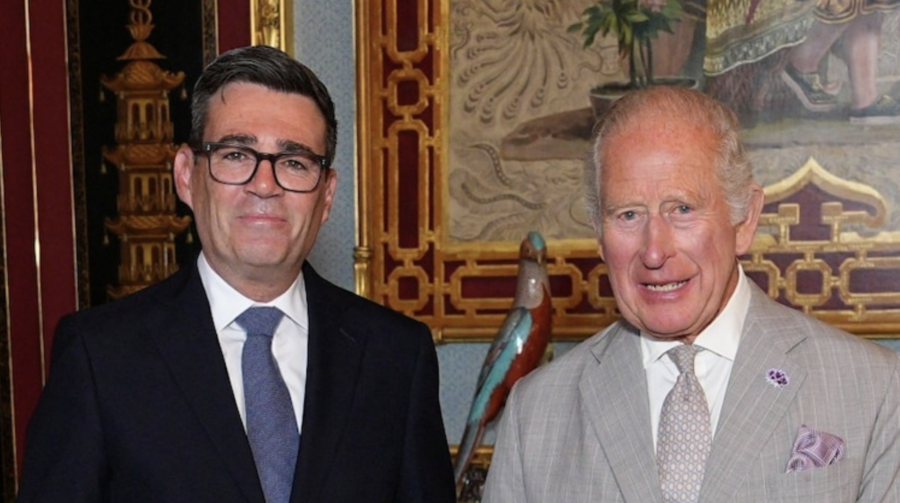
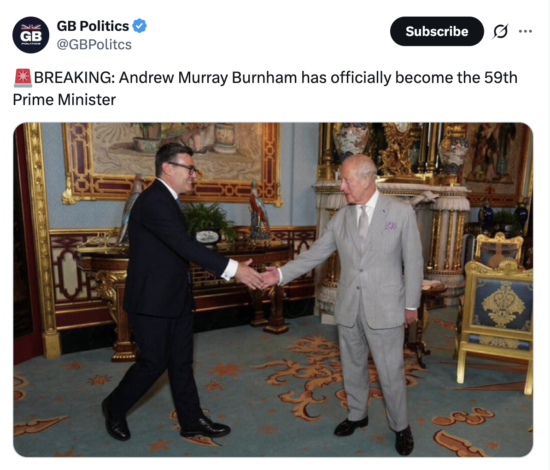
Andy Burnham has officially become the 59th Prime Minister of the United Kingdom after being invited by King Charles III to form a new government at Buckingham Palace. The constitutional ceremony marked the beginning of a new chapter in British politics following the resignation of Sir Keir Starmer.
After his audience with the King, Burnham travelled to 10 Downing Street to deliver his first address as Prime Minister before beginning the process of appointing members of his Cabinet. The formation of the new government is expected to continue throughout the day as ministerial appointments are announced.
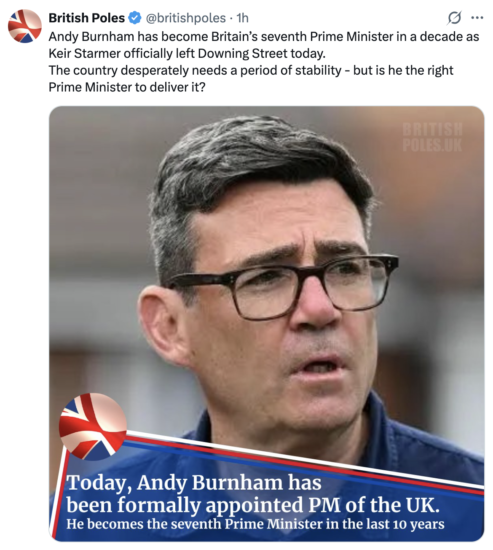
Burnham becomes the seventh Labour Prime Minister in British history and the seventh occupant of Downing Street since the 2016 Brexit referendum, highlighting the political turbulence that has characterised the past decade.
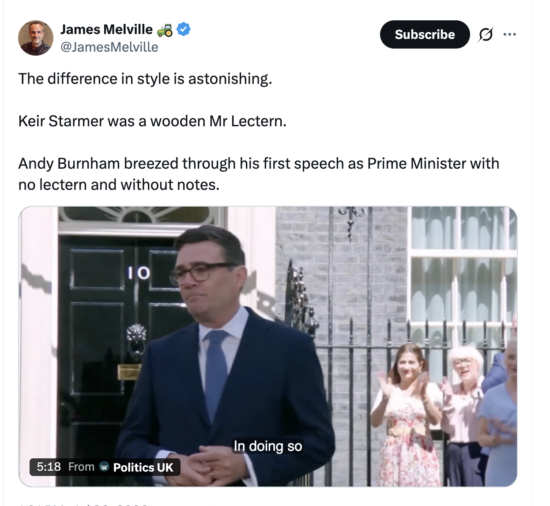
Born in Aintree, near Liverpool, Burnham has been one of Labour’s most recognisable figures for more than two decades. He represented Leigh in the House of Commons from 2001 until 2017 and served in Gordon Brown’s government as Secretary of State for Culture, Media and Sport before later becoming Health Secretary. Following Labour’s defeat in the 2010 general election, he held senior roles in the Opposition, including responsibility for health and education in Ed Miliband’s Shadow Cabinet.
In 2017, Burnham left Westminster after being elected Mayor of Greater Manchester, a position he held until June 2026. During his mayoralty, he developed a reputation as a prominent advocate for regional devolution and became one of Labour’s most influential political figures outside London. His election as Labour leader followed Sir Keir Starmer’s decision to step down after declining public support and growing pressure within the party.
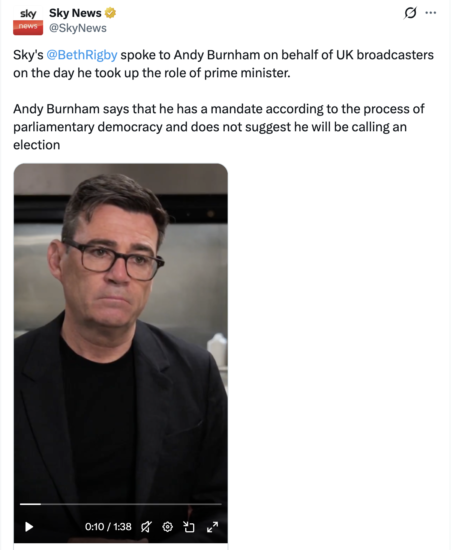
This is not Burnham’s first attempt to lead Labour. He previously contested the party leadership in both 2010 and 2015 but was defeated by Ed Miliband and Jeremy Corbyn respectively. His successful leadership bid this year came shortly after he returned to Parliament by winning the by-election in Makerfield, making him eligible to seek the party leadership.
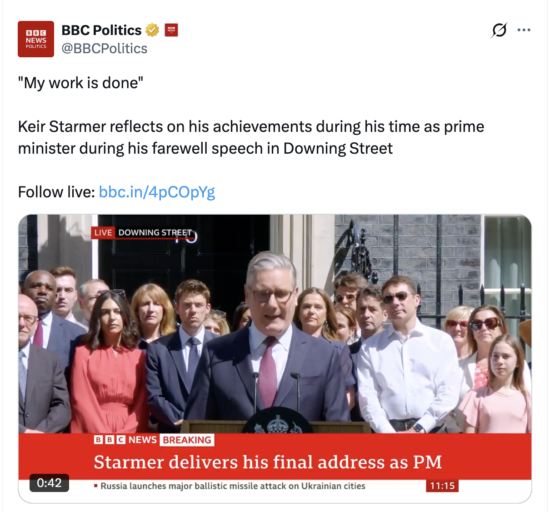
Earlier in the day, Sir Keir Starmer delivered his farewell speech outside Downing Street, reflecting on his two years in office. He argued that his government had left Britain “stronger and fairer”, pointing to improvements in the economy, public services, lower levels of immigration and the country’s international standing. Describing the premiership as “the greatest privilege” of his life, Starmer expressed pride in his administration’s achievements and offered his full support to his successor.
Following his final address, Starmer travelled to Buckingham Palace to formally tender his resignation to the King, in keeping with long-established constitutional convention. Burnham’s subsequent audience with the monarch completed the orderly transfer of power before he returned to Downing Street as the country’s new Prime Minister.
Among the first international leaders to congratulate Burnham was Polish Prime Minister Donald Tusk, who highlighted the close partnership between the two countries. In a message published on X, Tusk wished the new Prime Minister “strength and every success” in his new role, describing Poland and the United Kingdom as close friends and allies. He added that he looked forward to working with Burnham to promote a safer and stronger Europe, underlining the importance of continued cooperation on security and shared strategic interests.
The appointment signals a fresh phase for the Labour government, with attention now turning to Burnham’s ministerial team and the priorities his administration will pursue in the months ahead.
Photo: X/ @RadioGenoa
Tomasz Modrzejewski