Chancellor John Healey has unveiled the United Kingdom’s 2026 Budget, promising relief for households facing rising living costs while introducing changes to wages, taxation, energy bills and housing support. The announcement, delivered on Wednesday, 28 October, also included more than £10 billion in additional financial and military assistance for Ukraine, reaffirming Britain’s international commitments despite mounting pressure on the public finances.
Britain’s latest Budget comes at a particularly challenging time for households and businesses, as the Government tries to balance the rising cost of living with growing demands on public spending.
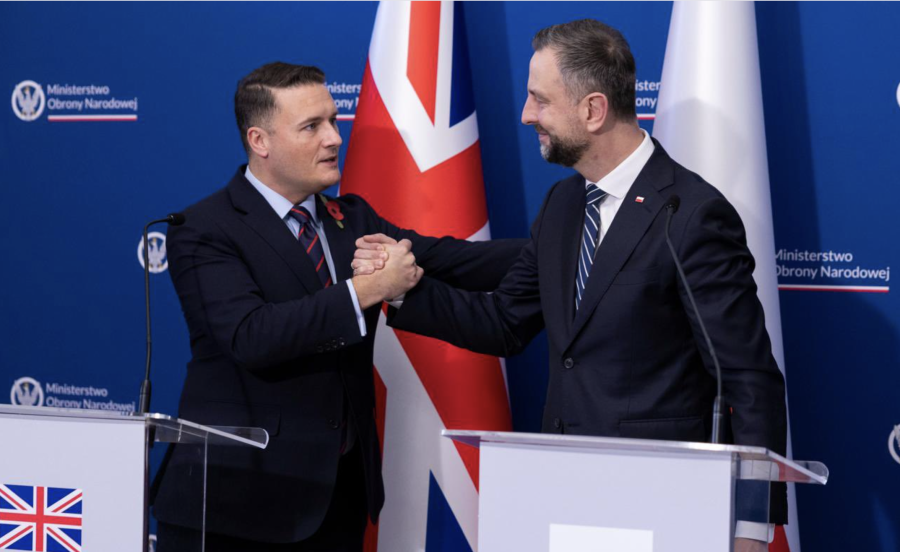
Presenting his first Budget as Chancellor of the Exchequer, John Healey set out a programme designed to provide immediate financial relief while supporting longer-term economic growth.
Under the slogan “Breathing space for today, hope for the future”, the Government announced measures affecting millions of workers, pensioners, motorists, homeowners and businesses.
International instability, particularly the conflict in the Middle East and Russia’s continuing invasion of Ukraine, has contributed to higher energy prices and increased uncertainty across financial markets.
The Chancellor’s challenge is to ease these pressures without undermining fiscal stability or adding excessively to public borrowing.
Among the most significant announcements for workers was the confirmation of higher minimum wage rates from 1 April 2027.
The National Living Wage for employees aged 21 and over will increase from £12.71 to £13.21 per hour, while workers aged between 18 and 20 will receive £11.27, compared with the current £10.85.
Both increases represent approximately 3.9 per cent.
For employees working a standard 40-hour week, the higher adult rate increases gross annual earnings by approximately £1,040.
The changes will be particularly relevant to workers in hospitality, retail, social care and other sectors where wages are frequently close to the statutory minimum.
However, higher wages may also place additional pressure on smaller employers already facing rising energy and operating costs.
The Budget introduces a new Pension Tax Allowance from April 2027, intended to protect pensioners whose income does not exceed the value of the full new State Pension from having to pay small amounts of income tax.
The measure will operate through an additional tax adjustment rather than a universal increase in the personal allowance. It is designed to reduce the administrative burden on pensioners who might otherwise become liable for tax following annual increases in their State Pension.
For working households, however, frozen income tax thresholds remain a concern. When wages rise while tax thresholds remain unchanged, more earnings become taxable and some workers may move into higher tax bands. This process, commonly described as fiscal drag, can reduce the benefit of pay increases.
The Government has also announced higher income tax rates on property and savings income from April 2027, adding two percentage points to the relevant rates.
Energy costs were among the central themes of the Budget.
The Chancellor confirmed that the temporary reduction in VAT on domestic electricity will be extended until July 2027. The Government estimates that this will reduce the annual Ofgem energy price cap by approximately £50 in April 2027.
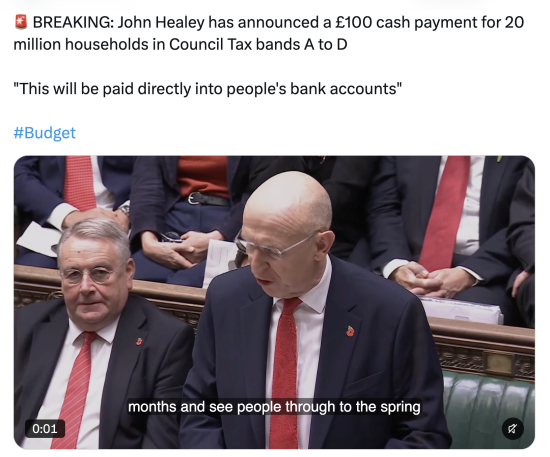
A further £2.6 billion will fund a Household Energy Payment, offering £100 to eligible households in England in Council Tax bands A to D from January 2027. Up to 20 million households are expected to benefit, while devolved governments will receive corresponding funding.
Another major proposal involves abolishing daily standing charges for domestic gas customers, with implementation targeted for the end of 2027 or as soon as possible afterwards.
Rather than paying a fixed daily amount regardless of consumption, households would see those costs incorporated into the price of the gas they actually use.
This could benefit households with relatively low gas consumption, although those using substantial quantities may not necessarily see their total bills fall. The regulator Ofgem will be responsible for implementing the reform and ensuring appropriate safeguards.
The Government is also consulting on longer-term changes intended to reduce the influence of volatile gas prices on electricity bills.
Drivers will also benefit from changes to the tax treatment of business mileage.
The Government has made permanent the tax-free allowance of 55p per mile for the first 10,000 business miles travelled in employees’ or self-employed people’s own cars or vans.
For mileage above that threshold, the allowance will rise from 25p to 35p per mile from April 2027.
These are tax-free or tax-deductible mileage rates, not an automatic requirement for every employer to reimburse staff at those amounts.
The Chancellor also confirmed that the temporary 5p reduction in fuel duty will remain in place until 1 July 2027, cancelling the previously planned reversal in January.
The decision is intended to provide further support to motorists and businesses affected by elevated petrol and diesel prices.
The Budget introduces changes intended to improve financial security for families.
From April 2029, eligible self-employed fathers, partners and adopters will be able to receive parental payments under a new allowance. This represents an extension of support to people who have previously been excluded from statutory schemes available to many employed parents.
The Government has also announced plans to reform Carer’s Allowance, replacing the current abrupt loss of entitlement when earnings exceed the permitted limit with a gradual withdrawal mechanism.
However, this reform is not immediate. Implementation is planned for the 2030–31 financial year and will depend on the development of new administrative systems.
For prospective homeowners, the Government has confirmed £4.7 billion for the new Your First Home programme.
The scheme will help approximately 70,000 first-time buyers in England, providing equity loans worth up to 20 per cent of a property’s value, with a five-year interest-free period and reduced deposit requirements.
Full applications are expected to open in February 2027, with the first loans becoming available from April.
The Budget also includes an additional £1.5 billion for social and affordable housing, intended to support the construction of approximately 10,000 homes.
To help fund measures supporting households, the Government will temporarily increase the Bank Corporation Tax Surcharge from 3 per cent to 6 per cent.
The higher rate will apply for 15 months, beginning in January 2027.
The Chancellor also announced changes affecting online marketplaces. From October 2027, platforms will be required to take greater responsibility for collecting VAT on qualifying sales by UK businesses.
The reforms will affect the regulatory environment for major online marketplaces, while excluding certain transactions such as personal second-hand sales.
HM Revenue and Customs will also receive additional resources and powers to recover unpaid tax.
From July 2029, planned reforms will allow HMRC to collect certain lower-value overdue tax debts through instalments directly from bank accounts, subject to safeguards. The measure is aimed at individuals and businesses that can afford to pay but repeatedly fail to do so.
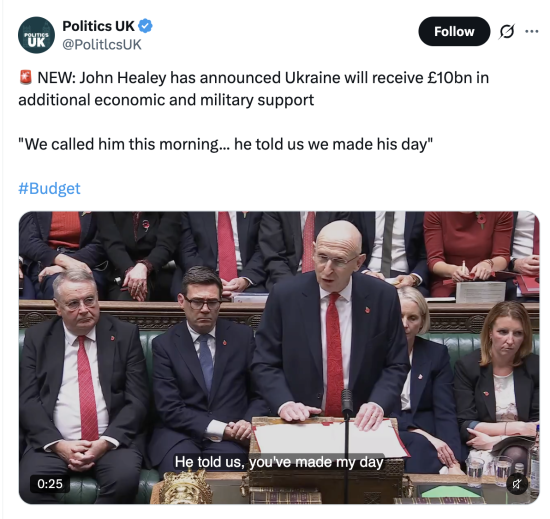
One of the most internationally significant announcements was the Government’s decision to make available more than £10 billion in additional support for Ukraine.
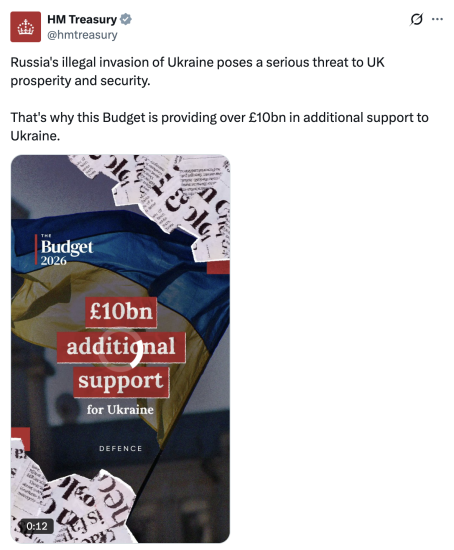
The package includes £7 billion in economic assistance over three years, including World Bank-backed financial arrangements, and a £3 billion increase in UK Export Finance capacity, prioritised for military requirements.
The Government has also announced £500 million in urgent additional military support to strengthen Ukrainian air defences over the winter.
The new commitments supplement Britain’s existing pledge to provide £3 billion annually in military assistance until at least the 2030–31 financial year, or for as long as necessary.

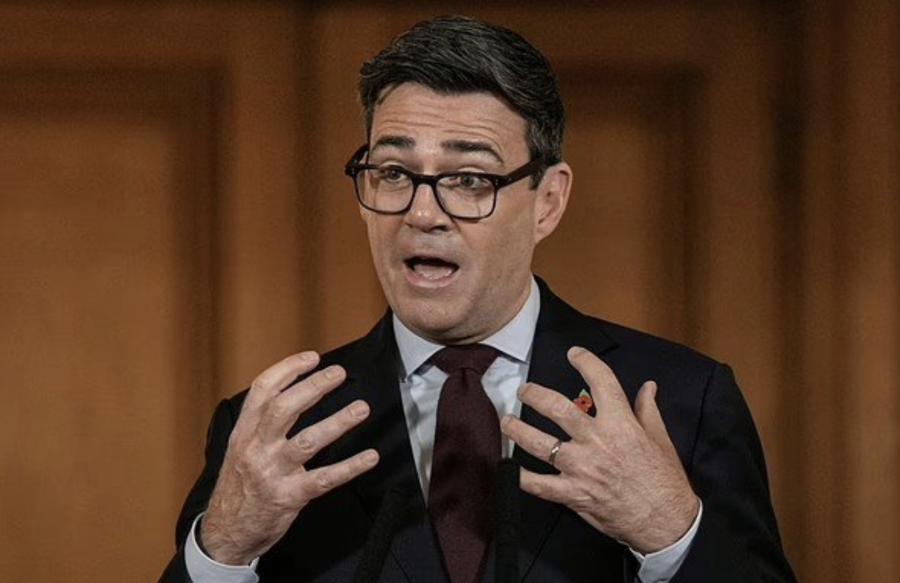
Following a telephone conversation with British Prime Minister Andy Burnham, Ukrainian President Volodymyr Zelenskyy welcomed the announcement and expressed his gratitude for the UK’s continuing support.
Zelenskyy emphasised that the new commitments would help Ukraine protect its population and strengthen its position against continuing Russian aggression.
The British Government has framed its support for Ukraine as both an international security obligation and an investment in European stability.
The Chancellor’s announcement is particularly notable because it comes at a time when domestic spending pressures remain considerable.

The package nevertheless consists of different forms of assistance, including guarantees and export finance capacity, and should not be interpreted as £10 billion in immediate cash transfers.
For millions of people living and working in Britain, the most immediate changes will be higher minimum wages, temporary energy support and continued relief on fuel duty.
Some measures, such as the proposed abolition of gas standing charges and reforms to Carer’s Allowance, will take considerably longer to implement.
The Budget also leaves important questions about how effectively the Government can stimulate economic growth while maintaining control over public spending.
Although the Chancellor has emphasised relief for households and businesses, the full financial consequences will vary considerably according to income, employment status, housing circumstances and energy consumption.
Ultimately, the success of the 2026 Budget will be judged not simply by the scale of the measures announced, but by whether they produce meaningful and lasting improvements in household finances and Britain’s economic prospects.
You can access the whole document yourself at: https://www.gov.uk/government/publications/budget-2026-document/budget-2026-html?utm_source
Source: HM Treasury
Photo: X @RachelD1892
Andrzej Domaniewski