In Bydgoszcz’s Fordon district lies one of Poland’s most harrowing wartime memorials: the so-called Valley of Death. It is both the largest mass grave in the city and a silent witness to the brutal Nazi campaign known as “Intelligenzaktion”, which sought to annihilate Poland’s educated class.
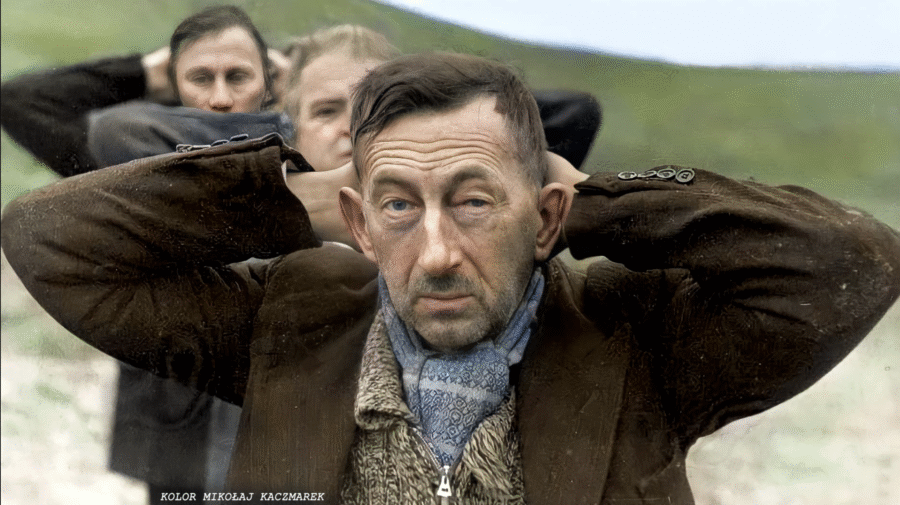
On 14 October 1939, German forces carried out a deceptive round-up of 186 local teachers. Held in the barracks of the 15th Light Artillery Regiment, many were executed on the spot, others deported to concentration camps, and the rest led away to be shot in the surrounding woods. By November, at least 120 teachers had been murdered in Fordon alone.
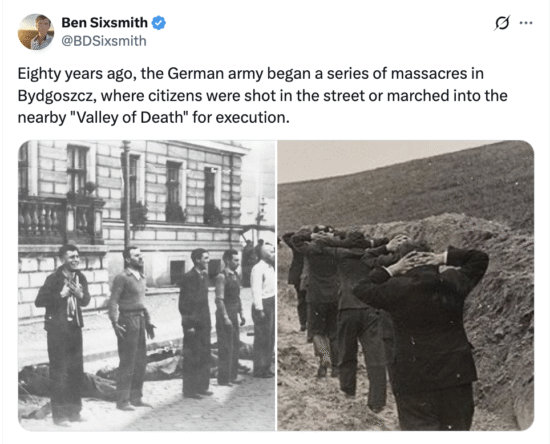
When German troops entered Bydgoszcz on 5 September 1939, they brought with them a fabricated story that would serve as justification for mass killings. Nazi propaganda painted a picture of Poles butchering “innocent Germans” in what the press called an unprecedented bloodbath. This narrative, manufactured in Berlin, was designed to cast Poles as aggressors and provide cover for the wave of terror and slaughter that followed.
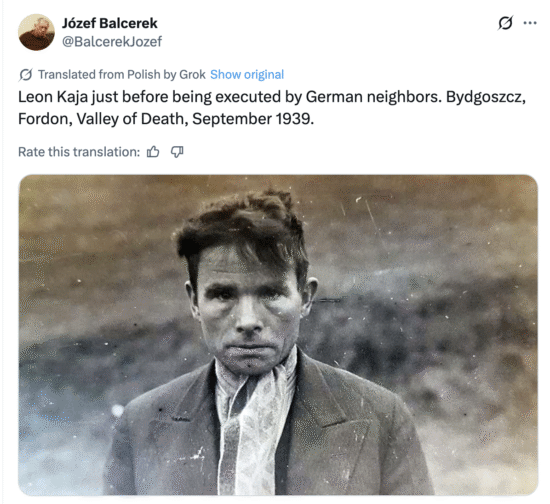
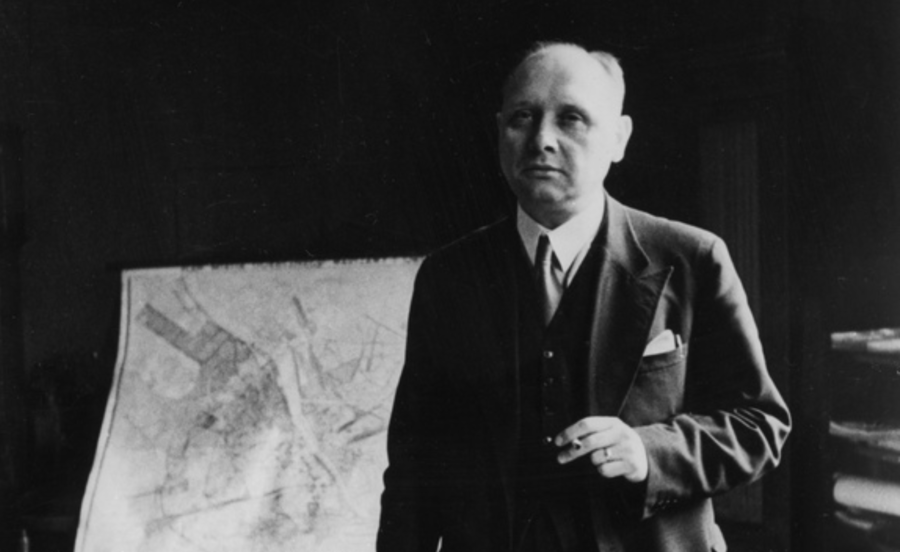
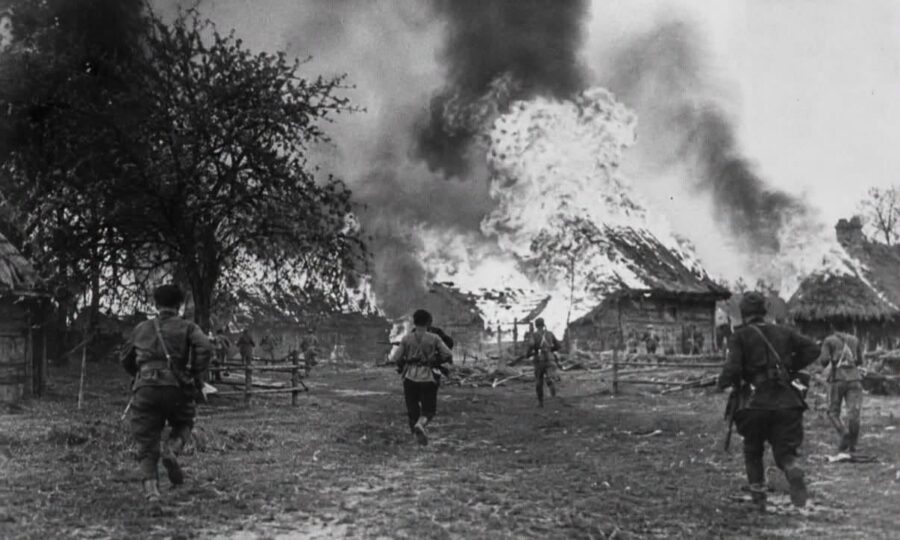
In the days and months after the city’s capture, the German Nazi paramilitary force Selbstschutz, commanded by Ludolf von Alvensleben, Heinrich Himmler’s close aide, unleashed a brutal campaign of reprisals. Civilians were shot without trial, homes were raided, and entire families were driven from their apartments. Orders from above were explicit: no mercy, no appeals, no trace of Polish identity left in public life.
By the end of 1939, some 5,000 people from Bydgoszcz and the surrounding region had been killed, more than 1,500 of them city residents. Thousands of others were deported to camps, forced into slave labour in the Reich, or expelled eastward.
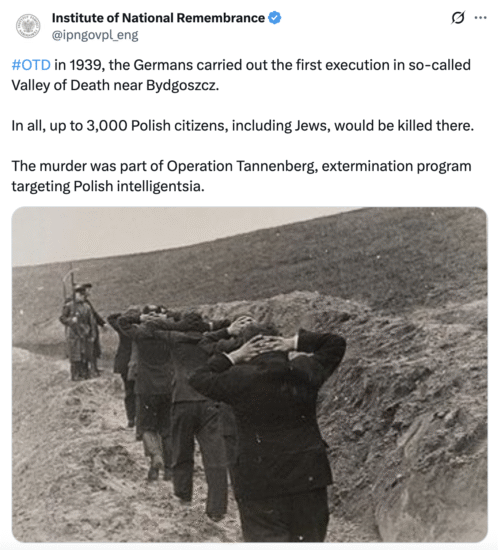
The victims of the mass shootings that followed were not limited to educators but also priests, members of political organisations, and Jewish citizens. Captives were trucked to the site, stripped of valuables and clothes, and marched towards pits dug in advance that were to become their mass grave.
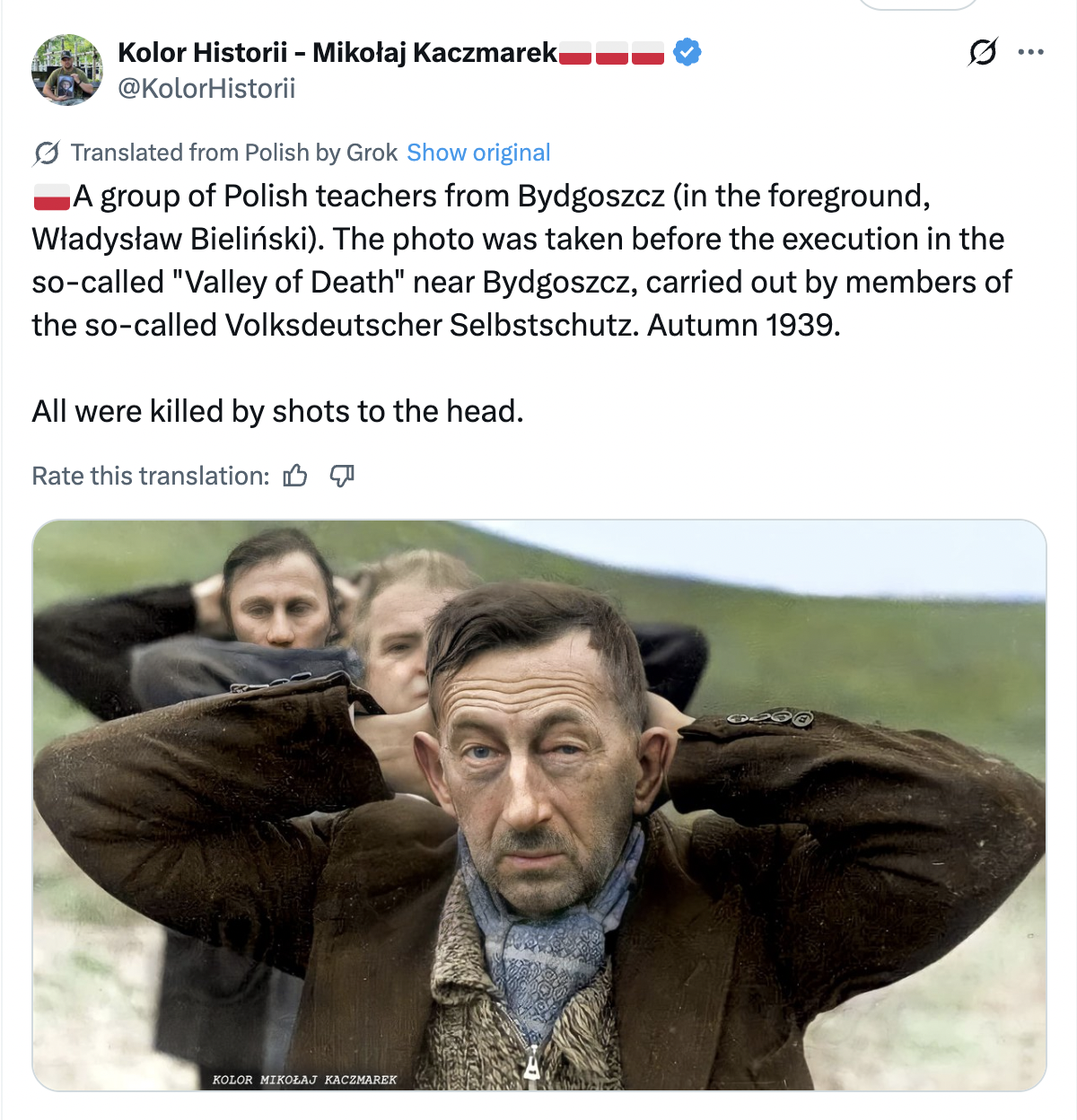
When exhumations began in 1947, investigators uncovered 306 corpses, but estimates suggest that between 1,200 and 1,400 people were executed there. Only 39 could be identified. Attempts to continue the investigation were suddenly halted by the post-war Security Office and never resumed.
Justice, however, was rare. While a few perpetrators stood before Polish courts, many escaped punishment. Von Alvensleben himself fled to Argentina, where he lived freely until he died in 1970, a stark reminder of how often accountability for these crimes was denied.
The Valley of Death is now commemorated by a memorial complex. The main monument, created by sculptor Józef Makowski, was unveiled in 1975.
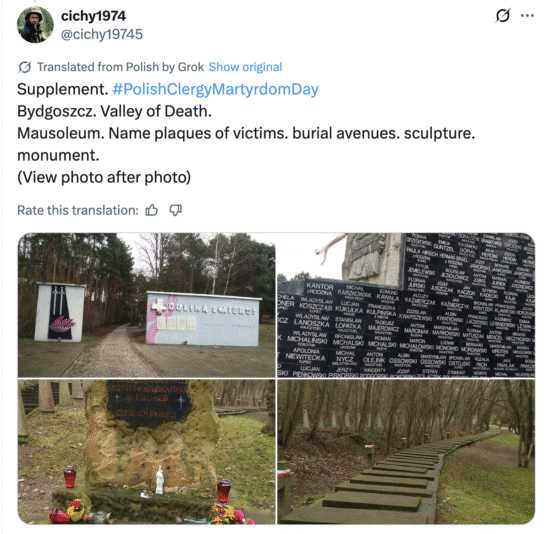
Today, the site functions not only as a place of mourning but also as a spiritual centre. Known as the “Bydgoszcz Calvary: Golgotha of the 20th Century”, it hosts annual commemorations including the Way of the Cross and Passion Play, preserving the memory of those who died and reminding future generations of the scale of the atrocity.
Source: Polskie Radio, Dzieje
Photo:X @KolorHistorii
Tomasz Modrzejewski