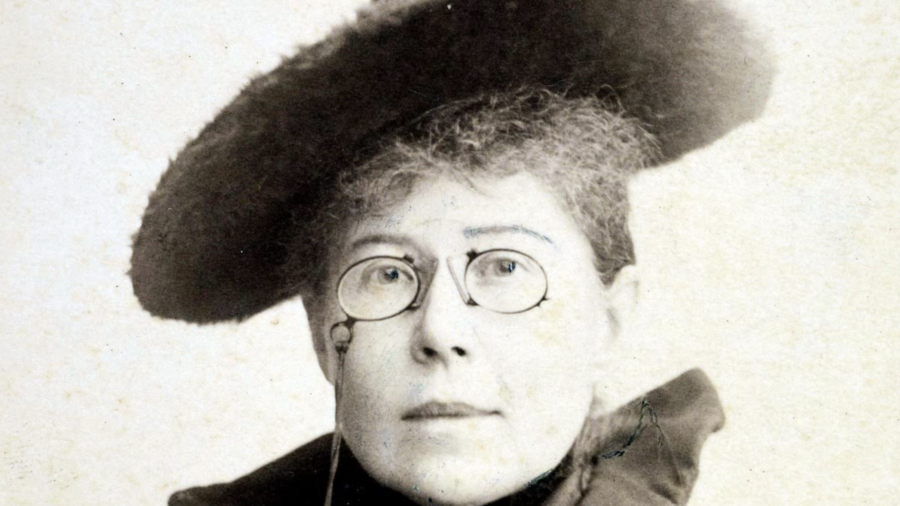
Magdalena Grzebałkowska decided to go her own way and write Maria Konopnicka’s biography. Yet, Dezorientacje is more than this – it’s an intimate portrait of a writer we have never truly known.
We hear “Konopnicka,” we think of: boring literature, high school readings, pathetic poetry and conservatism. Grzebałkowska also used to believe in all those fake stereotypes, but then she became invested in the “real” life of our Polish seeress. And, she realised that Polish history decided to modify the entire image of Konopnicka.
Konopnicka was someone else than the “conservative writer” we know from the books. She had a woman partner, she was a feminist, she fought for women’s rights, she was a lover, she was a mother, she was a person, who abandoned her husband, she was a woman, who made many mistakes, she hated Church and she wasn’t a saint. All of this we can learn from Dezorientacje, a book so well-detailed and full of precise research, that it only makes us bow to its author. Every quote is put in the right place, every piece of new information only deepens the image of Konopnicka, and every revelation is served at the right moment and time. Grzebałkowska just knows how to tell her story.
Dezorientacje also encapsulates the radical and misogynistic world in which Konopnicka used to live. The author believes and reminds us through a lot of illustrative comparisons that it is practically impossible to understand the real nature of Konopnicka without comprehending the times she lived in. The end of the XIX century, although forgotten now by most of us, didn’t really differ from everything we have now. Populism on every corner, hate towards otherness, a lack of respect in the journalistic professions – it’s all been there and Poland hasn’t changed at all.
This is probably the most alarming conclusion from Grzebałkowska’s latest book. Konopnicka died, but the world she has left is still the same. How long is it going to look like that? None of them – either Konopnicka or Grzebałkowska – managed to find the right answer for this riddle.
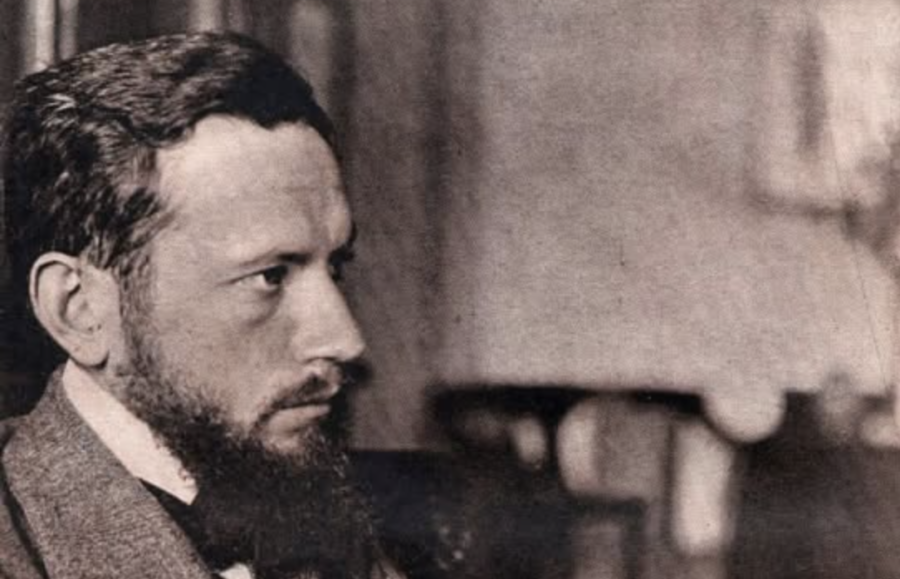
Photo: Konopnicka, 27 January 1897 / Wikipedia Commons
5/5 stars
Author: Jan Tracz