As millions of Ukrainian women and children have found shelter in Poland following Russia’s invasion on February 24th, Poland has been at the forefront of Europe’s humanitarian effort. Now, Poles are facing the task of integrating more than a million Ukrainian women and children who are staying in the country indefinitely. Millions of Poles have volunteered as private individuals, but state-owned companies such as the country’s largest insurance company PZU are also joining the effort. Its effort to integrate Polish and Ukrainian could pave the way for similar projects on an even larger scale.
Almost every Polish person has at least one family member who at some point took refuge abroad. Many have grandparents who found their new home in Great Britain or somewhere in the British Commonwealth during or immediately after the Second World War. Others have uncles and cousins who left Poland in the aftermath of the declaration of Martial Law in 1981 and the wave of suppression unleashed against the solidarity movement.
This collective experience made it easier for Poles to understand what Ukrainians were going through when Russia launched its invasion on February 24th, and millions of Ukrainian mothers crossed the border into Poland in the following weeks together with their children, seeking shelter from falling bombs and brutal Russian occupying forces.
Despite worries from parts of the international community that Poland might buckle under the pressure and will not have the capacity to provide a roof over the head for the masses fleeing West, the Polish people stepped up and went the extra mile to make sure that not only would every Ukrainian family receive the help they needed, but they also did it with great hospitality.
As the old Polish saying goes, “guest at home, God at home”.
The world was amazed by the fact that Poland practically did not have to open any new refugee centres, as the vast majority of Ukrainian were housed by Poles in their private homes during what became described as Poland’s “Dunkirk moment”.
Over time, the challenge transformed into not so much providing basic care for the refugees, but rather making it possible for them to integrate into Polish society. This is particularly important for Ukrainian refugee children, who need contact with children their own age after having arrived in a foreign country.
Children are the future
As of July 2nd, 2022, more than 1.2 million Ukrainians refugees had received a national identity number (PESEL), giving them access to social welfare and the Polish labour market. According to official PESEL figures, 46.5% of the refugees are children.
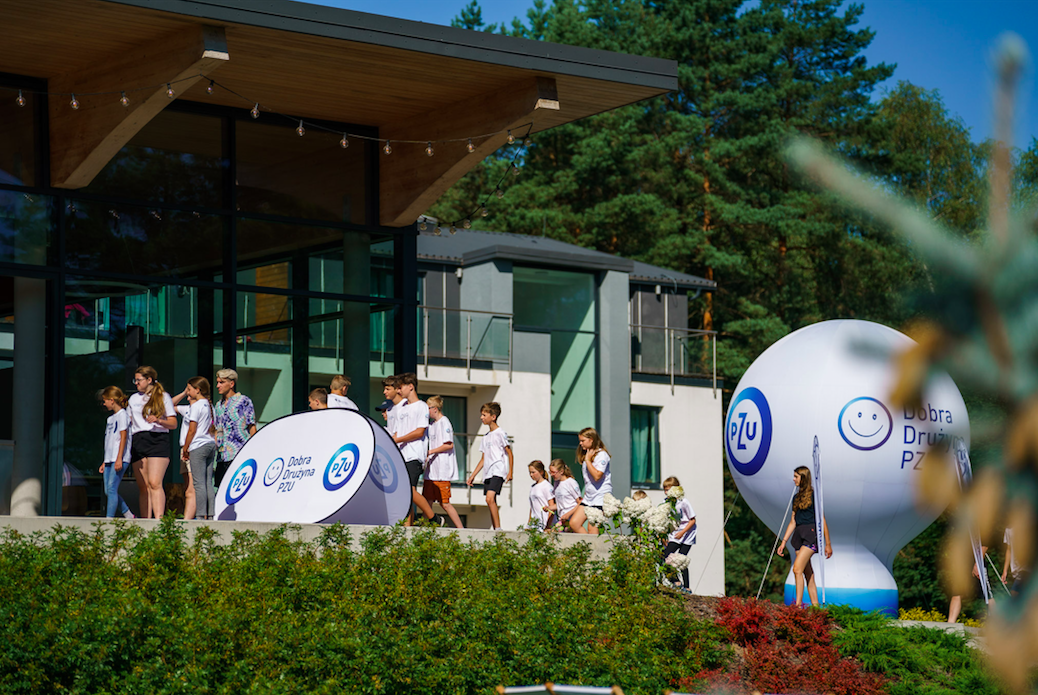
The Russian invasion of Ukraine is bound to be a transformative experience for Ukrainian children, but to a certain degree, the same thing can be said about Polish kids. They saw their own parents and family friends driving back-and-forth to the border, volunteering at meal centres and often hosting Ukrainian families in their own homes. The bonds are now tied between young Poles and Ukrainians will affect the relation between Poland and its eastern neighbour for decades to come.
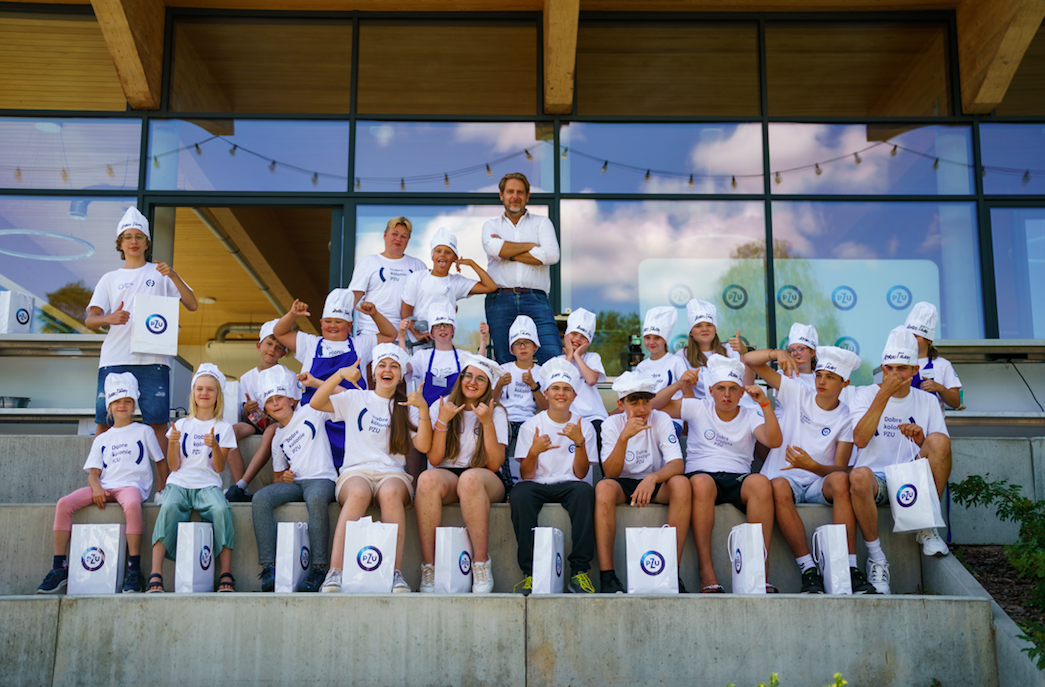
Initiatives have been launched across the country to give Polish and Ukrainian children the chance to get to know each other. One example is the “Dobre Kolonie” summer camps organized by Poland’s largest insurance company PZU.
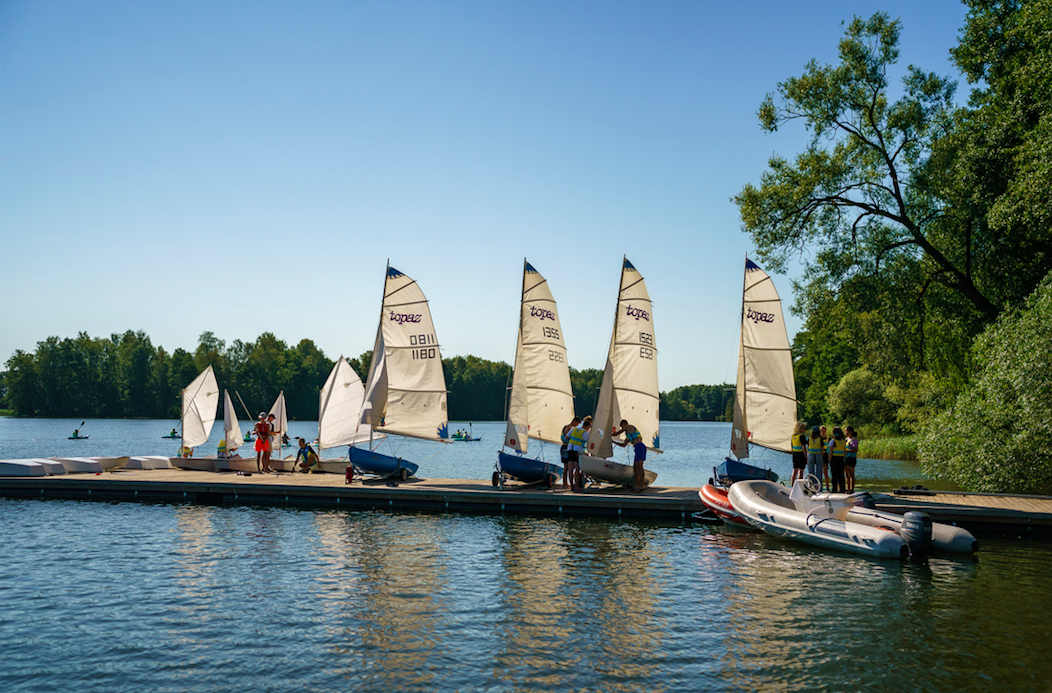
More than 300 Polish and Ukrainian children have spent one week of their summer in the Masurian Lakeland District in north-eastern Poland. The kids have been learning outdoor sports such as windsurfing, sailing, kayaking and archery, but emphasis has also been put on how to lead a healthy way of life.
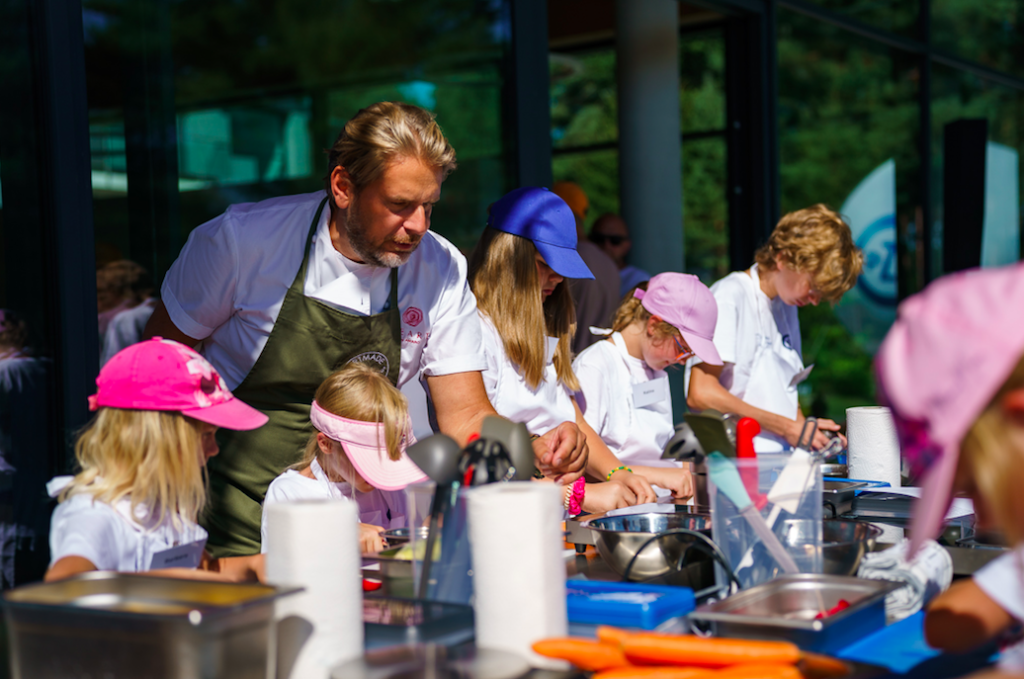
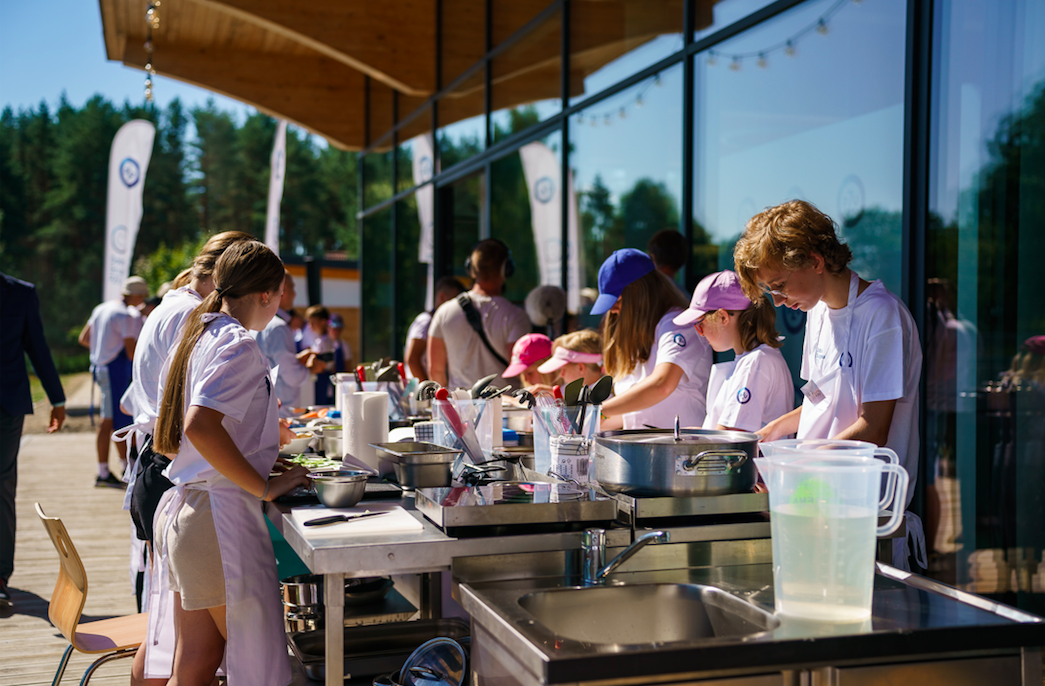
On August 11th, Poland’s most famous TV-chef and Michelin-star restaurateur, Wojciech Modest Amaro, visited the children at their summer camp in the picturesque village of Wilimy for a day that was spent on learning how to cook healthy and tasty dishes from Poland and Ukraine.
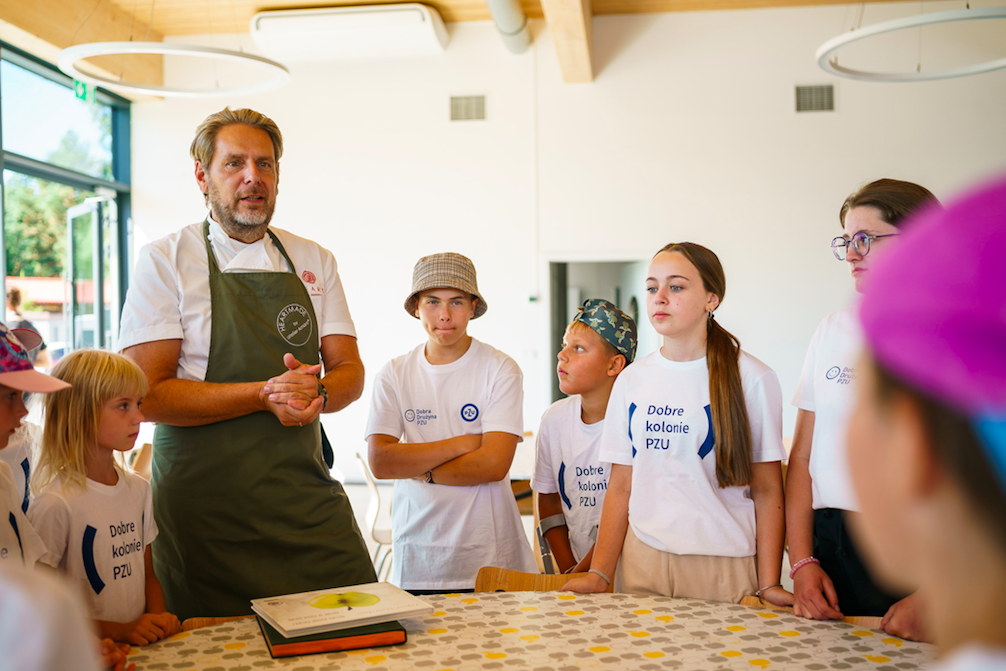
The star chef stated that the event had brought the children together, saying “it was a pleasure to combine the flavours of Polish and Ukrainian cuisine together with our young cooks who were so eager to learn. We showed the children that there isn’t much distance between us.”
Mr Amaro was not the only one to be glad that the Ukrainian children were able to spend part of their summer vacation in beautiful and peaceful surroundings.
Poland’s Deputy Prime Minister and Minister of State Assets, Jacek Sasin, stated that he is proud that companies which the State Treasury has shares in are helping young Ukrainians in need.
He added “thanks to the PZU summer camps, children from Ukraine and Poland can spend summer holiday together and integrate. It makes it possible for the Ukrainian children to take their mind off, even if just for a moment, the hell of war that is taking place across our eastern border.”
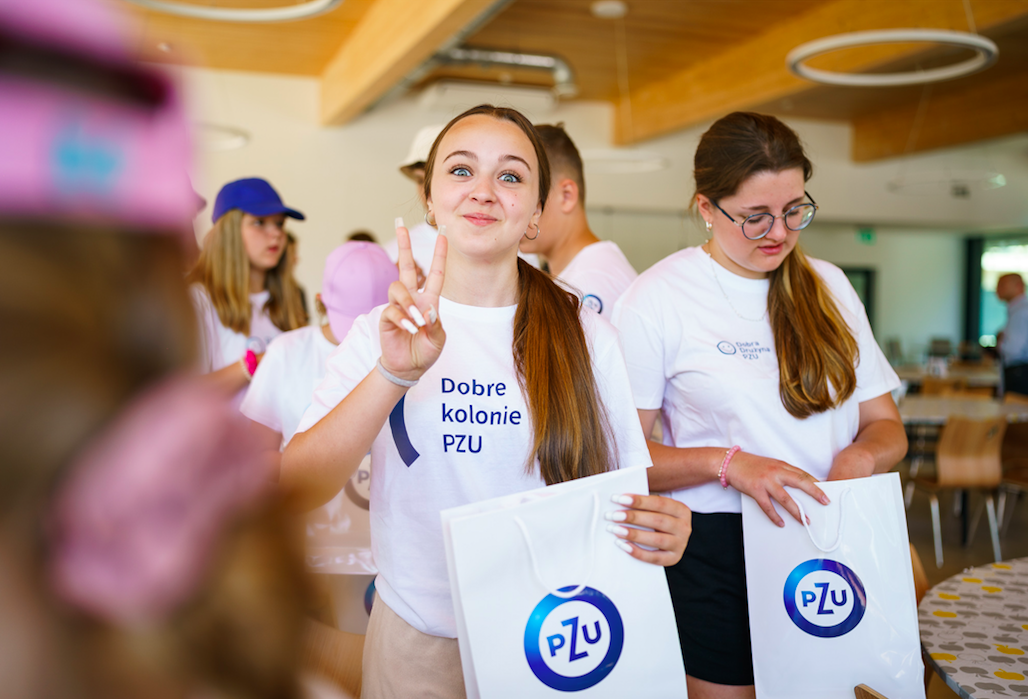
Just days after the final camp of this summer comes to an end, many of the Ukrainian children will start attending Polish schools for the first time. The integration between Polish and Ukrainian children was off to a good start in the Masurian Lakeland District. Now, the process will have to be repeated on a large scale across the country. If the adults will lead, the children will follow and Polish-Ukrainian relations will have a chance to blossom for decades to come.
Daria Więcek