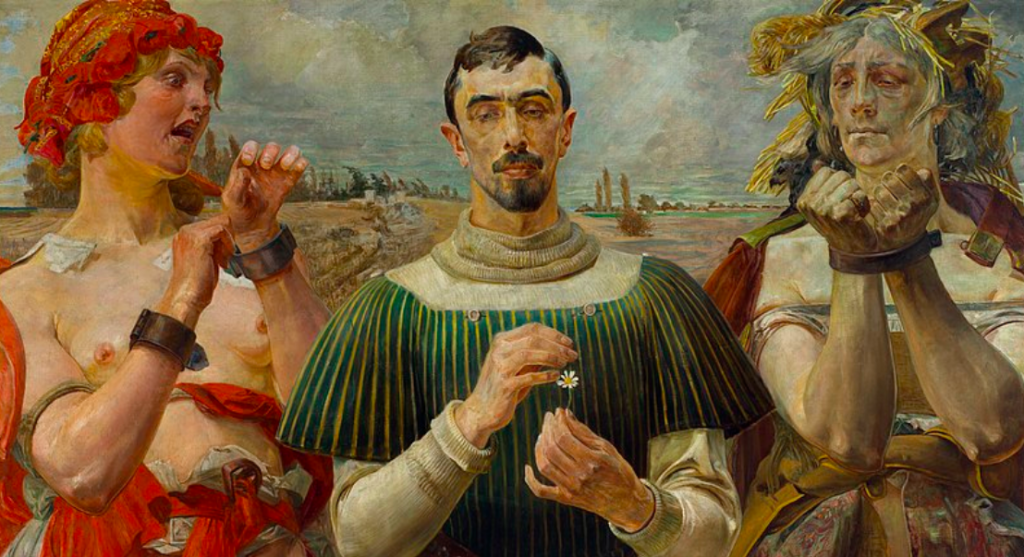
Jacek Malczewski is remembered as an influential member of the Young Poland movement, a modernist period in Polish visual arts, literature, and music of the early 20th century. He is regarded as the most influential Polish symbolist painter, along with Stanisław Wyspiański.
Malczewski was born in the city of Radom, in what was back then Russian-occupied Congress Poland. He started his artistic education at the age of 17 and attended his first art classes in the workshop of Władysław Łuszczkiewicz at the School of Fine Arts.
In the mid-1870s, he had the opportunity to have the legendary Jan Matejko as one of his mentors, who had a considerable influence on him, among others with his patriotic themes.
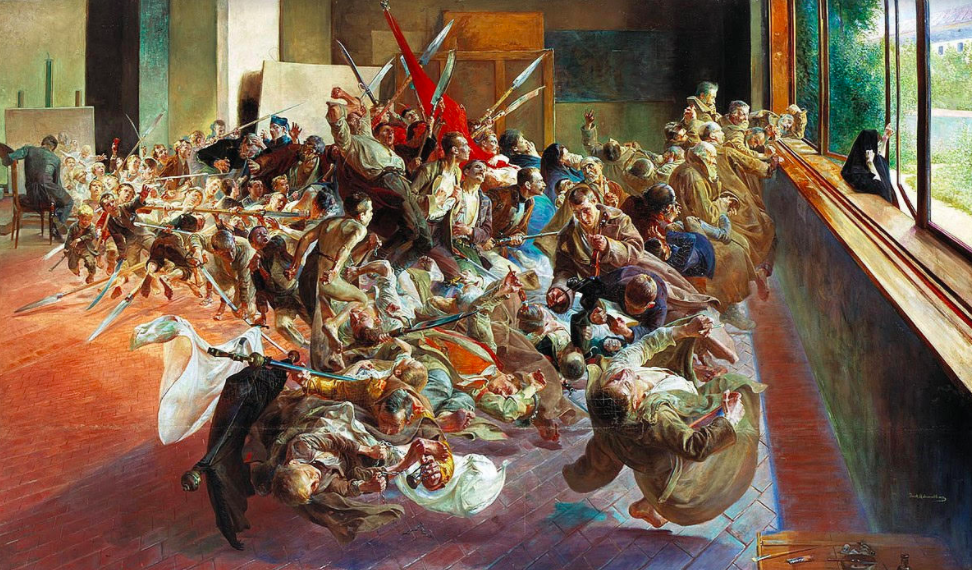
Malczewski then studied in Paris for a year at the École des Beaux-Arts, in the studio of Henri Lehmann, before moving to the Académie Suisse.
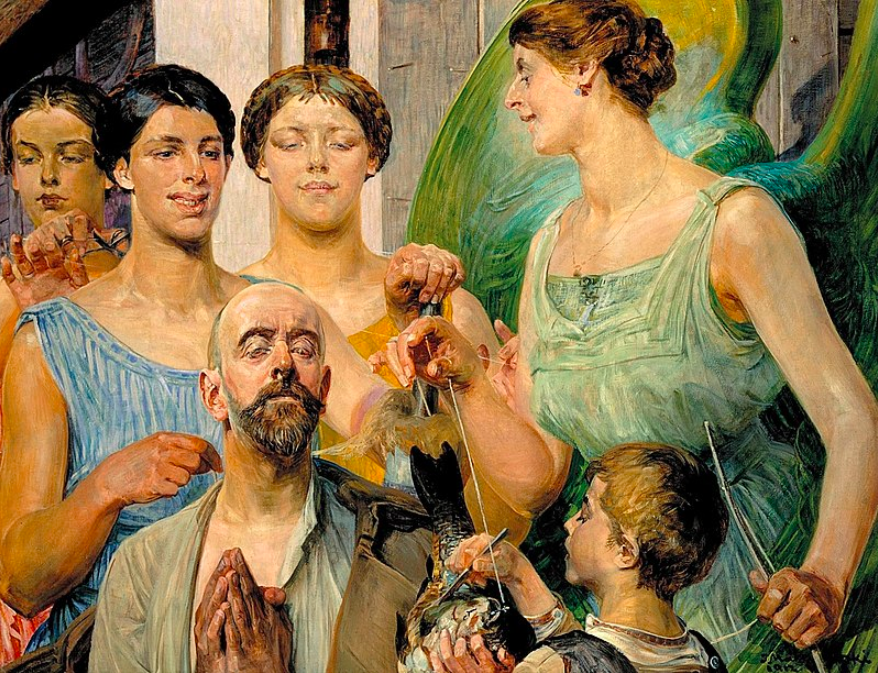
His painting revolved around several carefully selected motifs, often including national symbols. He channelled his creativity and let new aesthetic ideas which would lead to the launching of Poland’s school of Symbolism.
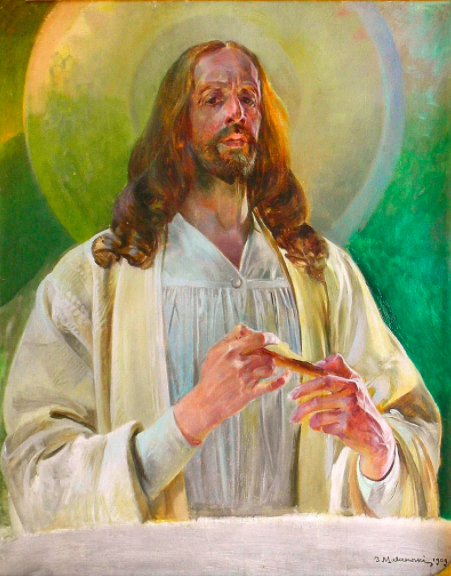
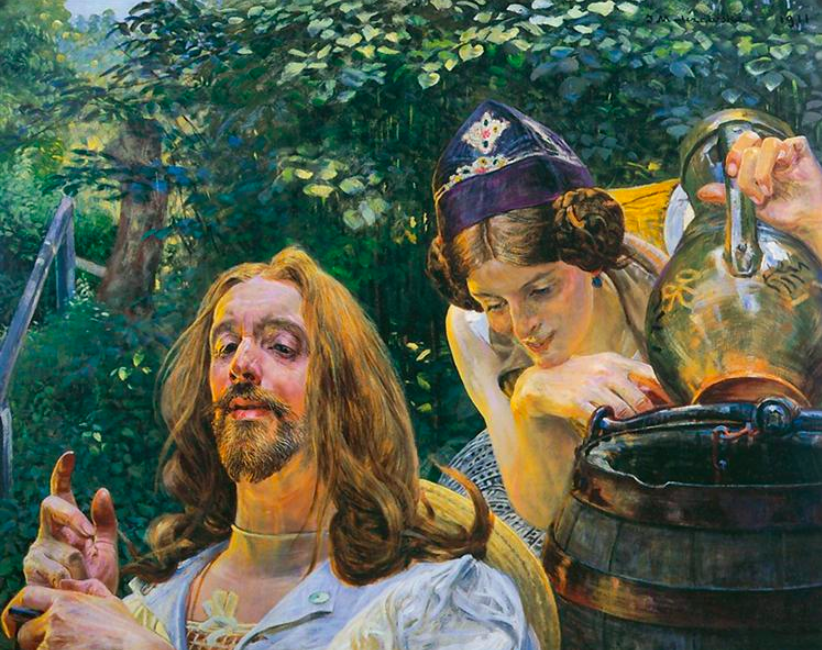
His most famous artworks include Christmas Eve in Siberia, Polonia, Christ in Emaus, Christ and the Samaritan Woman, and Vicious Circle, among many others.
Cover photo: Polish Hamlet. Portrait of Aleksander Wielopolski
Images: wikiart.org
Author: Sébastien Meuwissen