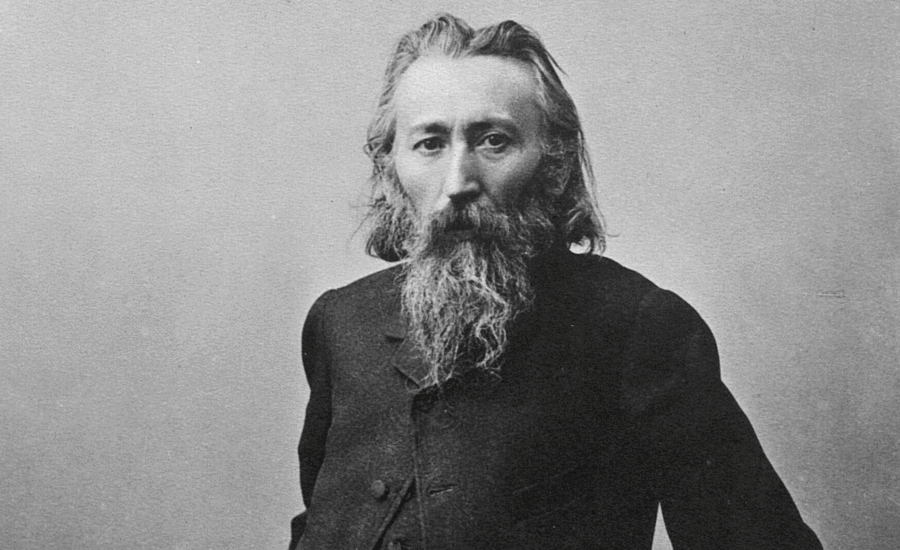
Jan Matejko, one of Poland’s most revered painters, was born on 24 June 1838 in Kraków. A towering figure in 19th-century art, he studied at the Kraków School of Drawing and Painting before continuing his education at the prestigious Academy of Fine Arts in Vienna.
In 1873, he was appointed the first director of Kraków’s School of Fine Arts, the forerunner of today’s Academy of Fine Arts. He held the post for two decades, shaping generations of young artists and laying the foundations for modern art education in Poland.
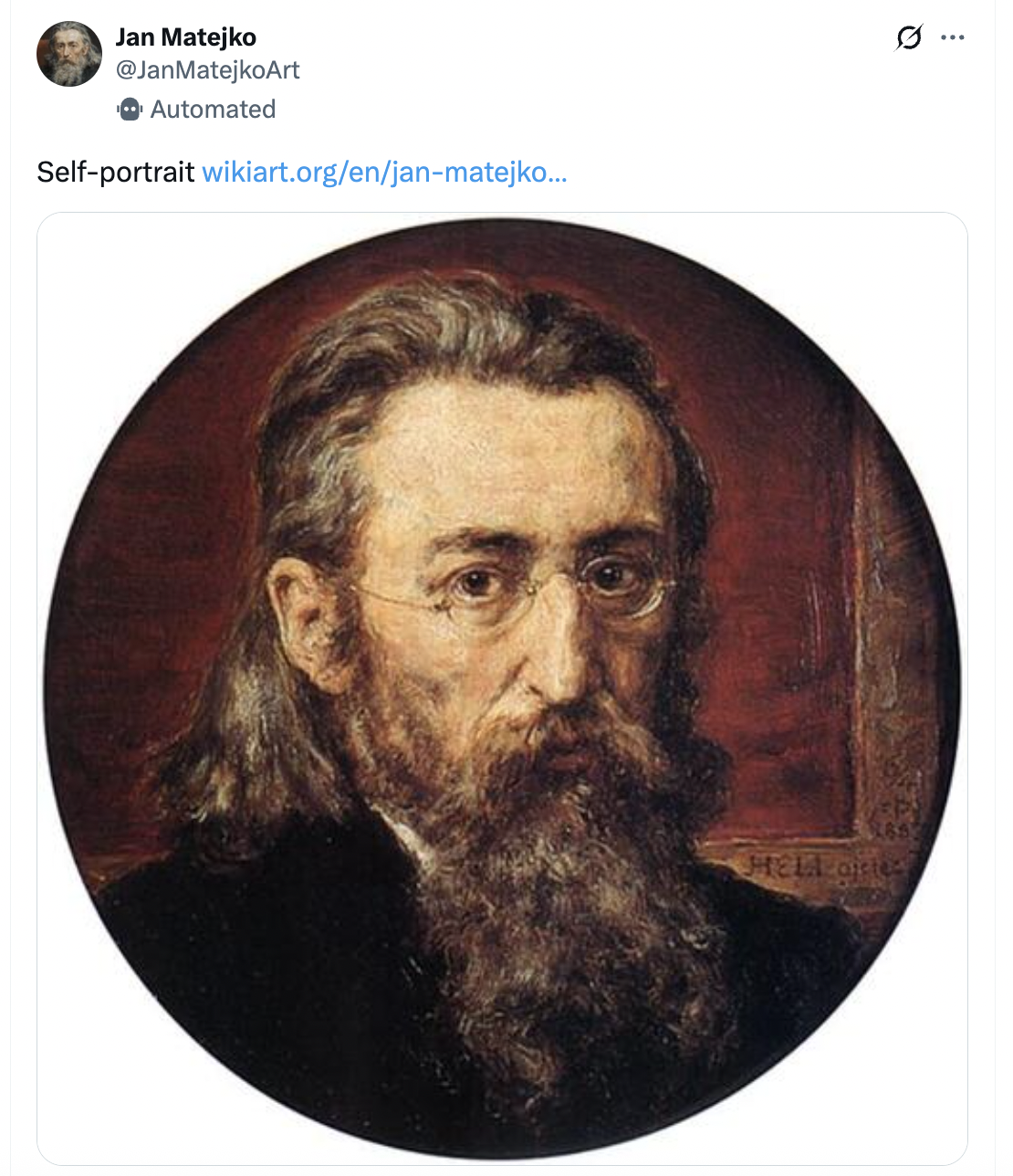
Matejko’s legacy, however, extends far beyond the canvas. While celebrated as a true master of historical painting, he also played a crucial role in the conservation and restoration of Kraków’s architectural heritage, leaving an indelible mark on the city’s cultural landscape.
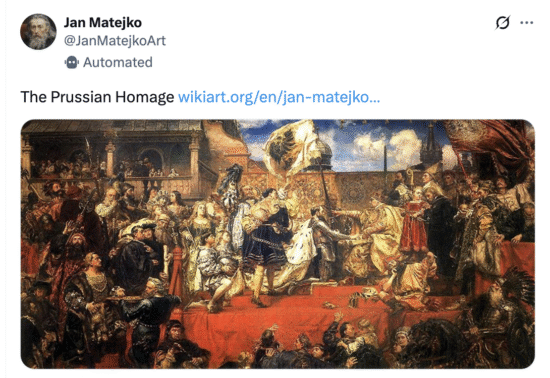
His contributions were recognised internationally. He was decorated with France’s Legion of Honour, as well as the Commander’s Crosses of both the Austrian Order of Franz Joseph and the Order of the Iron Crown. The Vatican also honoured him with the Commander’s Cross with Star of the Order of Pius IX.
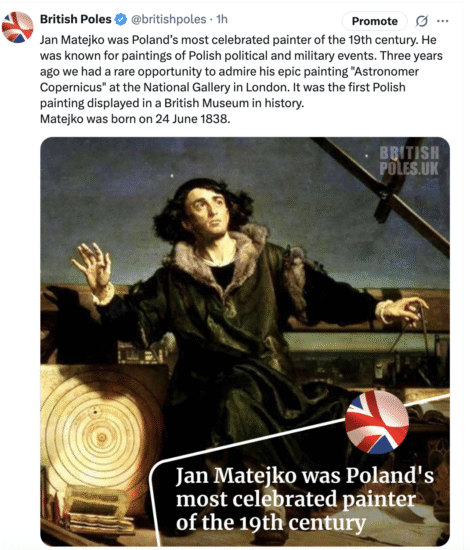
Jan Matejko’s artistic legacy resists simple classification. Though often linked to the academic tradition of grand historical painting, his work defies the rigidity of that label. Charged with romantic imagination, emotional intensity, and dramatic visual power, his art stood apart in the cultural landscape of both Polish and European painting in the latter half of the 19th century.
Rooted in fervent patriotism, extensive historical knowledge, and a profound love for the artistic heritage of the past, Matejko’s paintings were not merely aesthetic endeavours – they were acts of national service.

His approach combined the 19th-century historian’s drive for factual accuracy with a bold, interpretative lens, often reshaping events through deeply personal, emotionally charged portrayals. In this sense, the creative freedom in his historical visions echoes early expressionist ideas, positioning art as a reflection of the artist’s inner world and worldview.
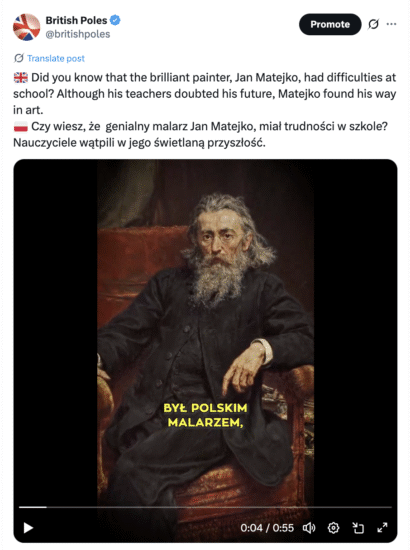
Portraiture, the second major strand of his work, also bore his unmistakable stamp. Rejecting the prevailing academic formula of his time, Matejko developed a distinctive style, especially visible in his early portraits of Kraków’s middle-class elite – friends, family, and dignified local merchants or officials.
These works, rich in character and individuality, marked a clear departure from convention, further cementing his place as one of the most original figures in 19th-century European art.
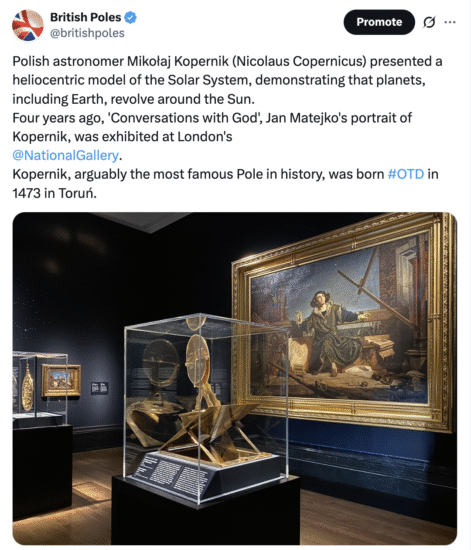
Jan Matejko passed away in Kraków on 1 November 1893. His funeral, marked by the solemn toll of the Sigismund Bell from Wawel Cathedral, drew crowds of mourners who lined the main avenue of Rakowicki Cemetery, where the great artist was laid to rest.
Source: Dzieje.pl, Culture.pl
Photo: Polona/public domain
Tomasz Modrzejewski