In Jan P. Matuszyński’s drama, Minghun, we learn what it takes for a middle-aged man to come to terms with his wife’s death.
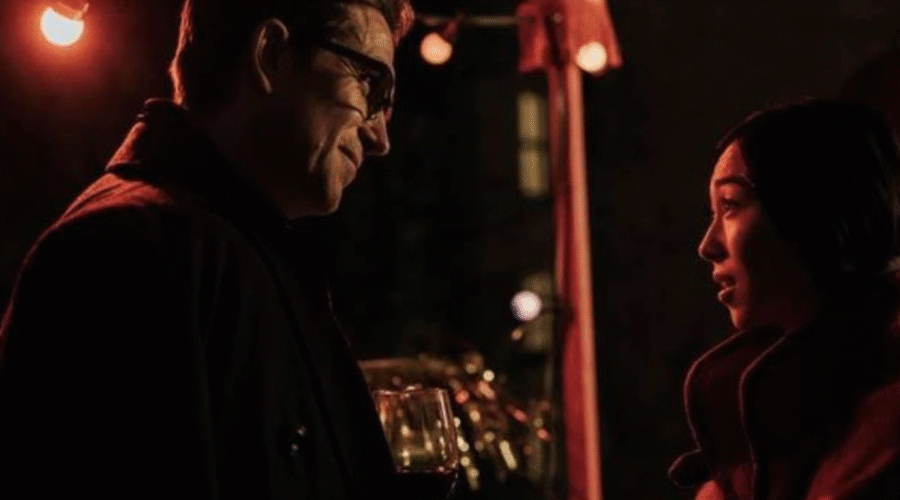
Enter Jurek, a man with Marcin Dorociński’s face and his own sensitivity, who seems to have everything despite being a single dad (Jurek’s wife died some time ago). He lives with a beloved daughter, Meixiu (Natalia Bui), has a successful job, a stylish apartment, a lot of love and everything a man could ever wish for.
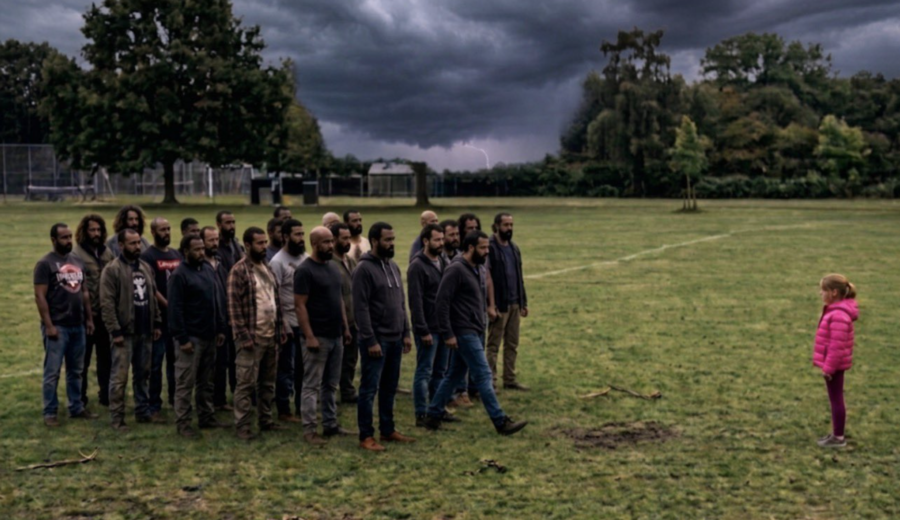
His child’s unforeseen death momentarily disrupts Jurek’s shangri-la. Completely lost and baffled, our hero meets with his father-in-law, Ben (Daxing Zhang), who proposes a controversial solution to find inner peace, one called “minghun.”
It allows the deceased to find solace in the afterlife. Their living family has to help them in choosing the right partner for their new eternity. Jurek feels perplexed, maybe even betrayed by the fate that has always been benevolent for him – would it mean that the time he had with Marysia on Earth is going to mean nothing? Were their years shared together only a nominal part of the otherworldly timeline? By completing the ritual, he will go through the five stages of grief: denial, anger, bargaining, depression and, eventually, acceptance, which won’t come so smoothly.
As Jurek’s life appears not to be so ideal to be true, the same can be said about Minghun’s storytelling and how some of the themes are resolved later in the game. A few in-plot solutions and oddly ironic jokes can be found grotesque to someone facing the actual kind of grief in real life. However, one cannot forget that we are talking about a piece of fiction, which sometimes distorts the audience’s expectations and is unable to evoke the emotions it desires to bring. If we are willing to forgive Minghun some of its upsets, it will still be a provocative ride to the source of the man’s ultimate suffering: the loss of his most cherished treasure.
It’s a modest piece of film, one that confronts its audience with the Confucian culture and the greatest questions: “Would we act in the same way as Minghun’s hero? Would we even know how to behave?” The echo of those uncertainties will haunt us even a few days after the screening, just like Meixiu’s sudden departure from “our” world torments Jurek’s troubled consciousness. Despite some ridiculous dialogues and turns of events, this is what we need from contemporary cinema – to be challenged and made feel truly exposed by its substance.
Photo: Kino Świat
3/5 stars
Author: Jan Tracz