Chłodnik Litewski, the vibrant pink chilled beet soup beloved in Poland (and known in Lithuania as Šaltibarščiai), was featured in The New York Times as a quintessential summer dish. The recipe highlights the soup’s refreshing blend of sweet young beets, tangy kefir or buttermilk, creamy yoghurt, and crisp garnishes like cucumber, radish, dill, and hard‑boiled egg—making it a stunning and flavorful cooling meal for hot weather .
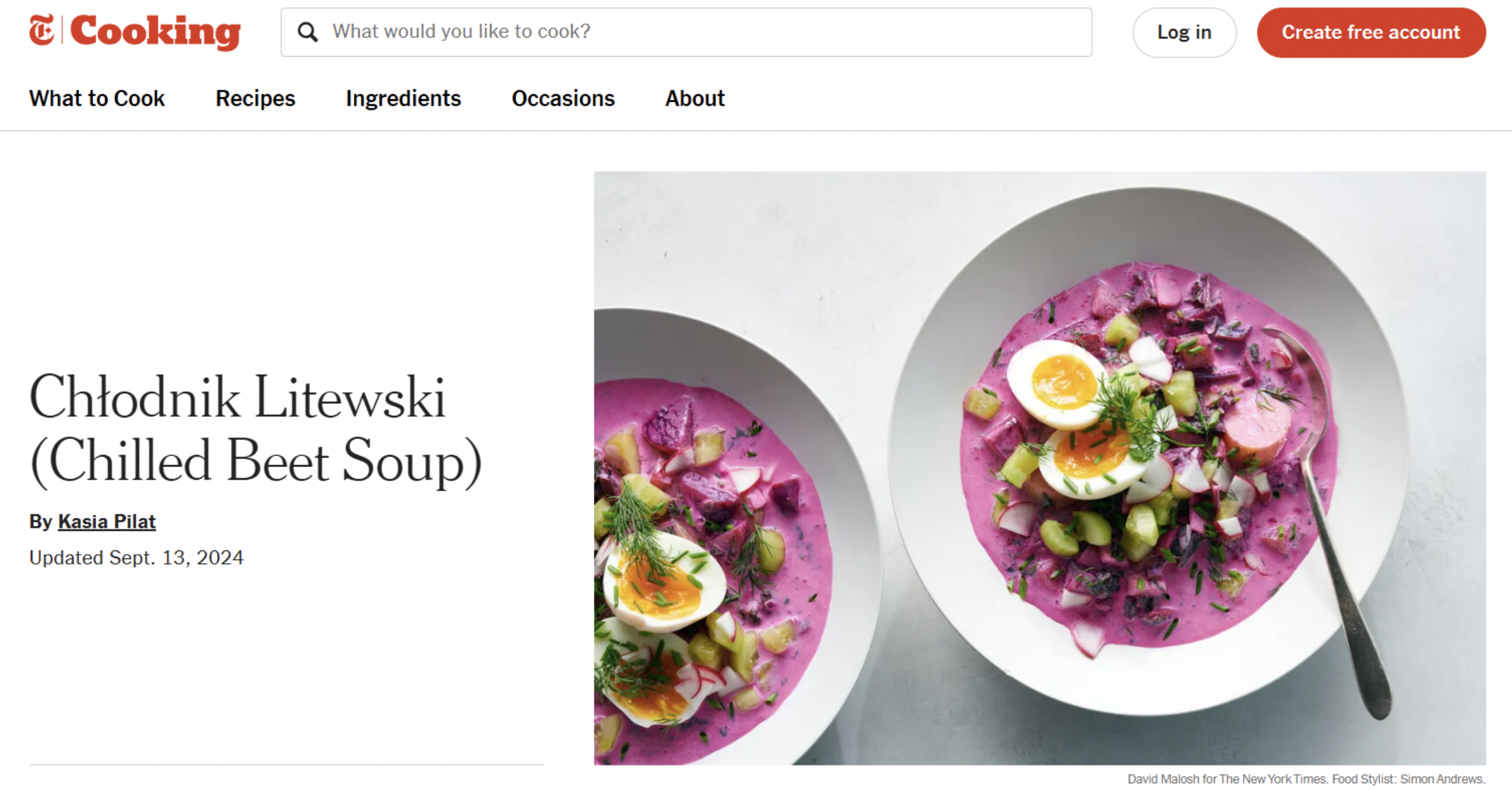
The NYT framed it as the best‑known of Poland’s chilled soups, ideal for peak summer when fresh produce abounds and light, cold dishes are in demand.
Serving as both a taste of Eastern European culinary heritage and a visually dazzling pink treat, the soup is positioned as an accessible yet elegant summer recipe with strong historical roots and modern appeal in the NYT feature bystefcaldwell.com.
“Ideal for peak summer, when hot meals seem unthinkable yet fresh produce is bountiful, chłodnik litewski is perhaps the best-known of the Polish chłodniki (chilled soups). Chłodnik litewski translates to Lithuanian cold soup and is cherished in both countries. In Lithuania, it’s known as Šaltibarščiai. The dish reflects a time when Poland and Lithuania were under the rule of the same dynasty, starting in the late 14th century, a period in which Polish cooking was influenced by Lithuanian cuisine and vice versa. It’s certainly the most eye-catching, with a lovely magenta hue that emerges when the roasted beets meet the kefir and sour cream to form the soup’s tangy base,” writes the New York Times.
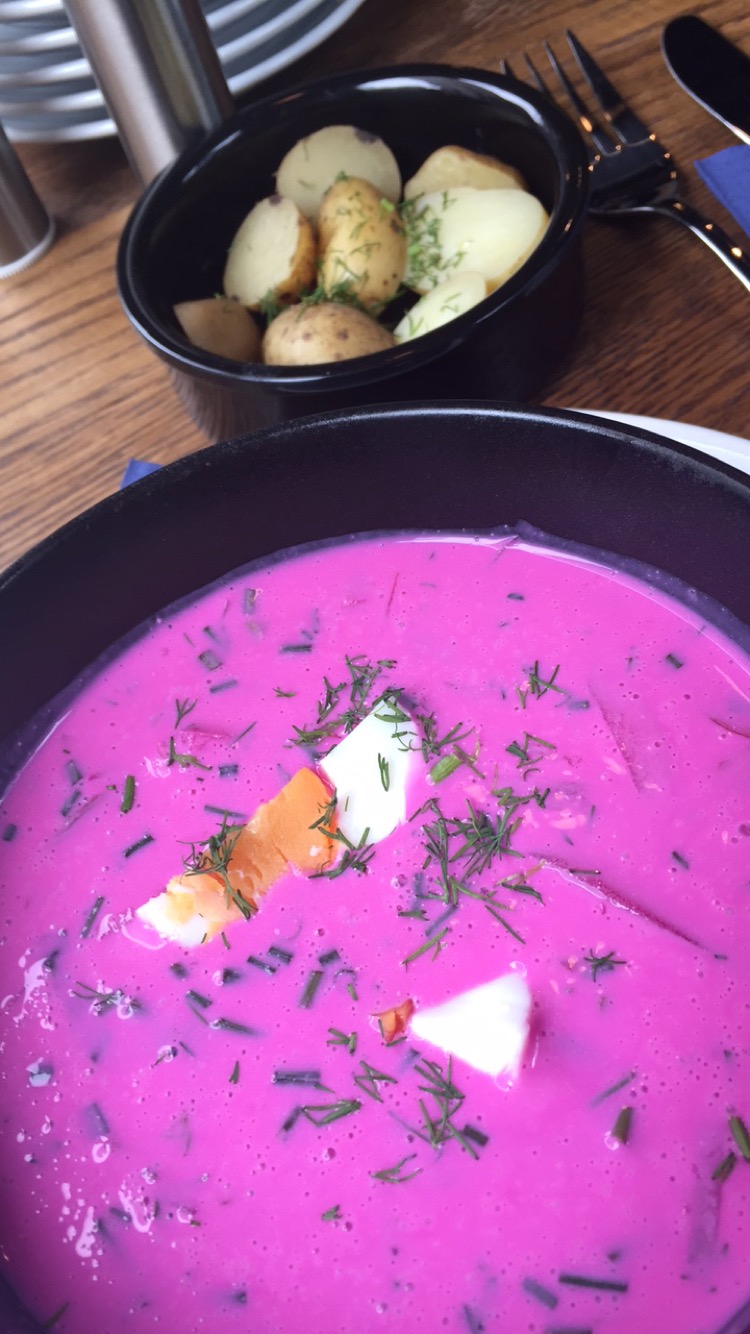
Chłodnik litewski traces its roots to the culinary traditions of the Polish–Lithuanian Commonwealth, a vast and multicultural state that once stretched from the Baltic to the Black Sea. This strikingly pink soup, traditionally made with young beets, fermented dairy products like kefir or buttermilk, and garnished with fresh herbs, cucumber, and a hard-boiled egg, was a seasonal staple among both the nobility and the peasantry. Its cooling properties made it ideal for warm summer months, while its ingredients reflected both local agriculture and Eastern European tastes for fermented and sour flavours.
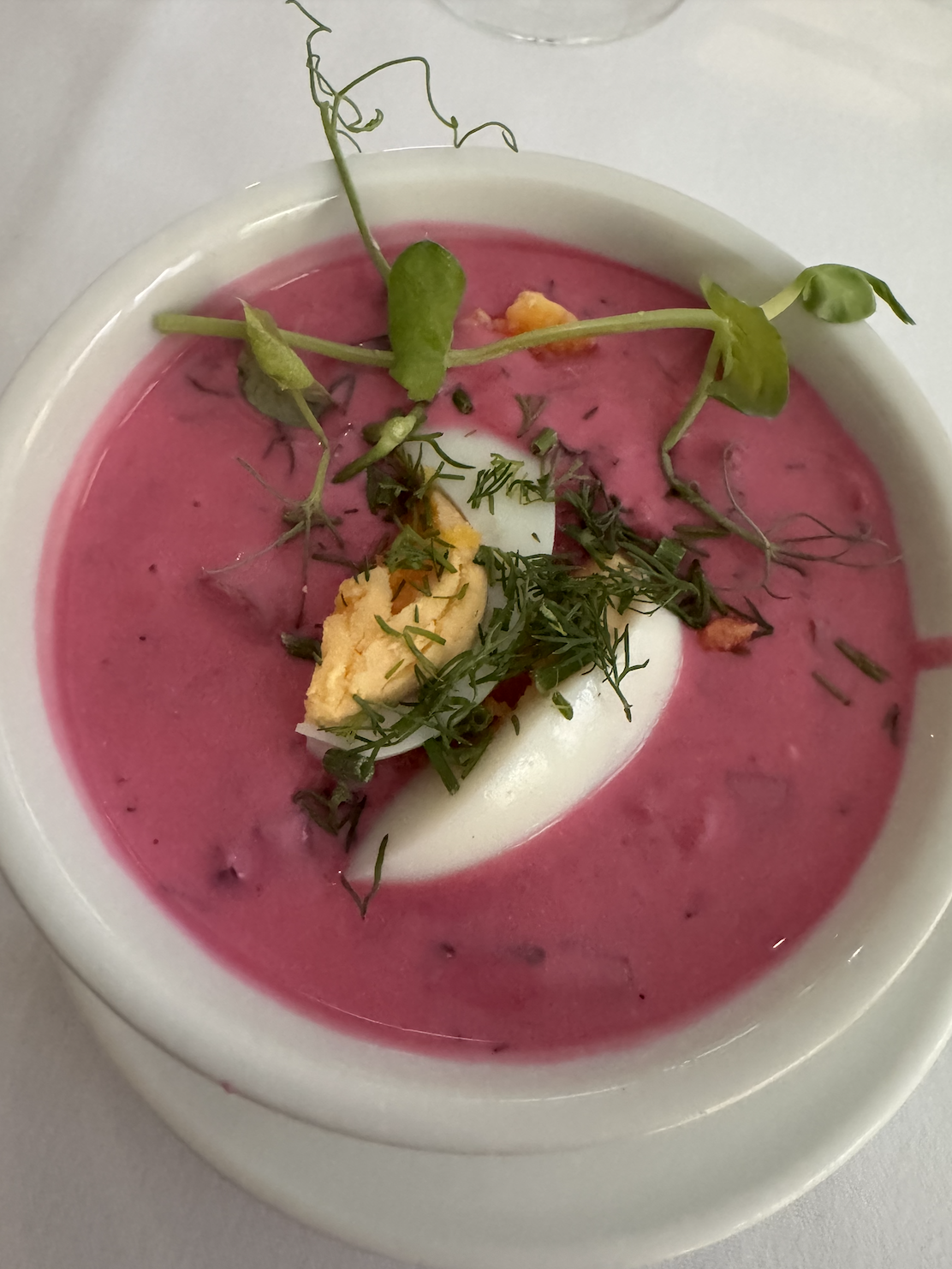
Though variations exist across the region—most notably Lithuania’s šaltibarščiai—chłodnik litewski has long been cherished in Polish cuisine as a symbol of summer and heritage. Over time, the dish evolved from rustic roots into a refined, often beautifully plated starter, served at both family meals and formal gatherings. Today, its vivid colour, refreshing taste, and deep historical ties continue to make chłodnik a cultural and culinary icon across Central and Eastern Europe.
Source: NYT
Photo: Screenshot/NYT, British Poles
Tomasz Modrzejewski