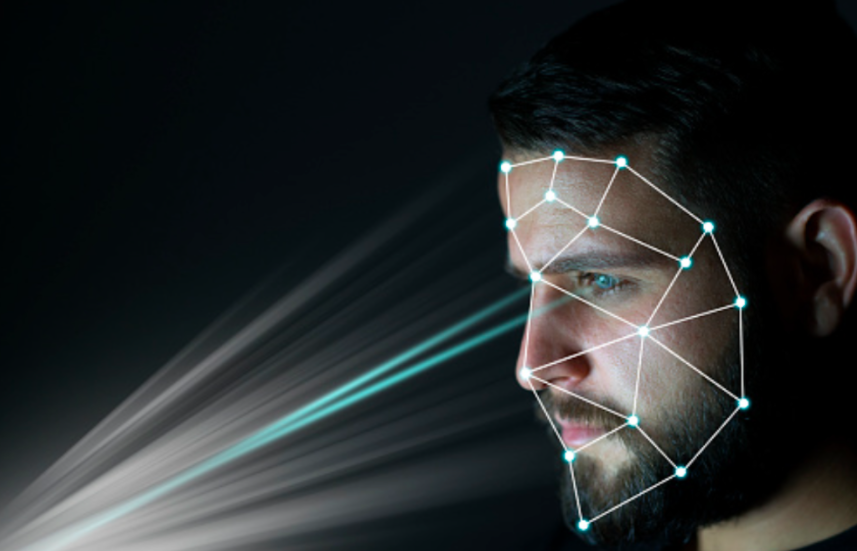
In 2005, in the German city of Prüm, Austria, Belgium, France, Luxembourg, the Netherlands, Spain, and (of course) Germany, concluded an agreement on the introduction of a common biometric surveillance system in order to “increase cross-border cooperation in combating crime and terrorism.”
Until now, the governments of the countries mentioned above had access to data such as DNA, fingerprints, or names of owners of individual vehicles. The system is now to be expanded to facial recognition under the name Prüm II.
According to Ella Jakubowska, policy advisor at the civil rights NGO European Digital Rights (EDRi), the world’s “most extensive biometric surveillance infrastructure we have ever seen is being built”.
https://twitter.com/mattburgess1/status/1512021799177015299?s=20&t=DPD2e3jkw9-ojYcHkoJDxg
The results of recent research by EDRi reveal that countries have insisted on incorporating facial recognition into an international police agreement.
Jakubowska claims that while the criticism of facial recognition systems focuses mainly on real-time systems, those that identify people later are still problematic.
„In the case of retrospective application of facial recognition to footage or photos, the damage may be even greater, due to the possibility of watching, for example, a protest from three years ago or checking who we met five years ago because now he is our political opponent,” she explained.
A spokesman for the European Commission indicated that only facial images of suspects or convicted persons could be mentioned. „There will be no possibility of matching facial images to the general public,” he insisted.
According to the official proposal, photos of faces should not be combined in one giant central database, but police forces will be linked together via a „central router„.
Another spokesman of the European Commission assures that the system “will not store any data but […] mediate the transmission of messages between countries.”
https://twitter.com/ellajakubowska1/status/1511743393038282755?s=20&t=DPD2e3jkw9-ojYcHkoJDxg
According to Ella Jakubowska, one of the main issues related to this innovation is the way Prüm II can regulate the use of facial recognition by the police throughout Europe.
„We are really concerned about the extent to which the Prüm II proposal may encourage the creation of databases of facial images and the use of facial recognition algorithms in these databases,” she told the media.
Image: Pixabay
Author: Sébastien Meuwissen