
When I visited Polish grandparents in their village of Goworowo (Northern Mazovia) as a teenager in the winter of 2009, I received a text message from a friend inviting me to “a kulig organised by her class”. As a Belgian-born, I had no clue what she was talking about.

I, therefore, asked my Polish mum for an explanation. “Dear son, the best way I can describe to you a kulig is by telling you that it is a genuine piece of fun” – she replied.

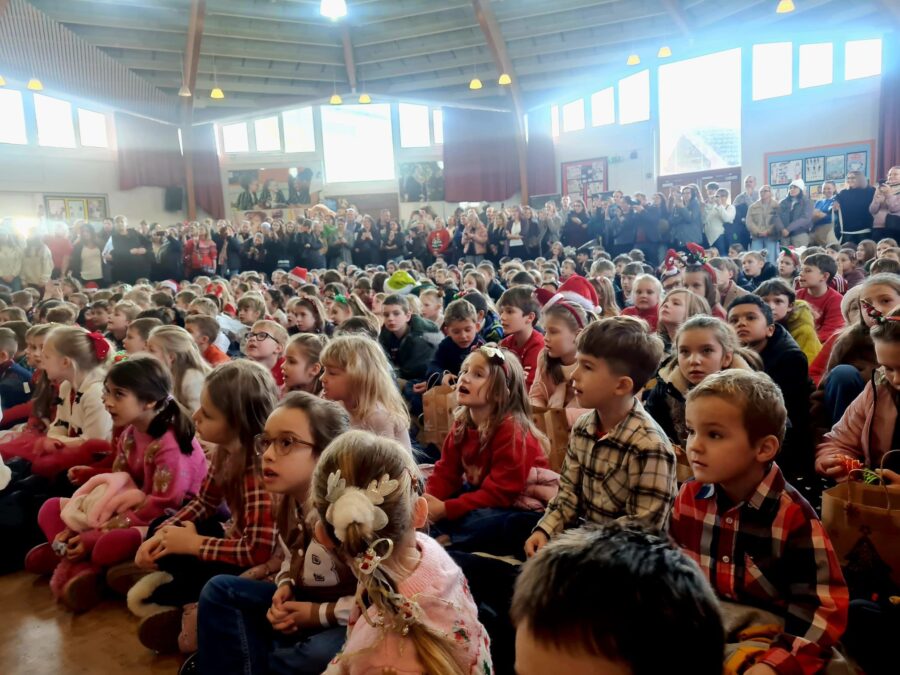
From that moment on, I had to know. It had snowed quite a lot in the last few days. So I put on my winter clothes and had a walk to the village school. Once there, I saw a tractor to which over a dozen sleighs were attached in two parallel rows. Someone explained to me that normally, the sleigh(s) are supposed to be attached to a horse.

Anyway, I couldn’t care less. The concept was simple. Once we all sat down on our sleigh, the tractor started and began carrying us around the countryside. Falls and unexpected stops were not rare. Cars were honking at us while elderly couples and children waved to us cheerfully. We all had a blast! My belly even started to hurt because of the giggles.

The kulig used to be a sleigh ride party organised mainly among members of the Polish aristocracy.

A cavalcade of sleighs pulled by horses was travelling from one manor house to another, all involving eating, singing, drinking, and dancing.

Nowadays kulig rides have become a popular tourist attraction mostly in the Polish Tatra mountains. One thing is sure, if you have the opportunity to try this original way of travelling, don’t think twice. Positive memories are guaranteed!
Author: Sébastien Meuwissen
Photos: Facebook Love Poland