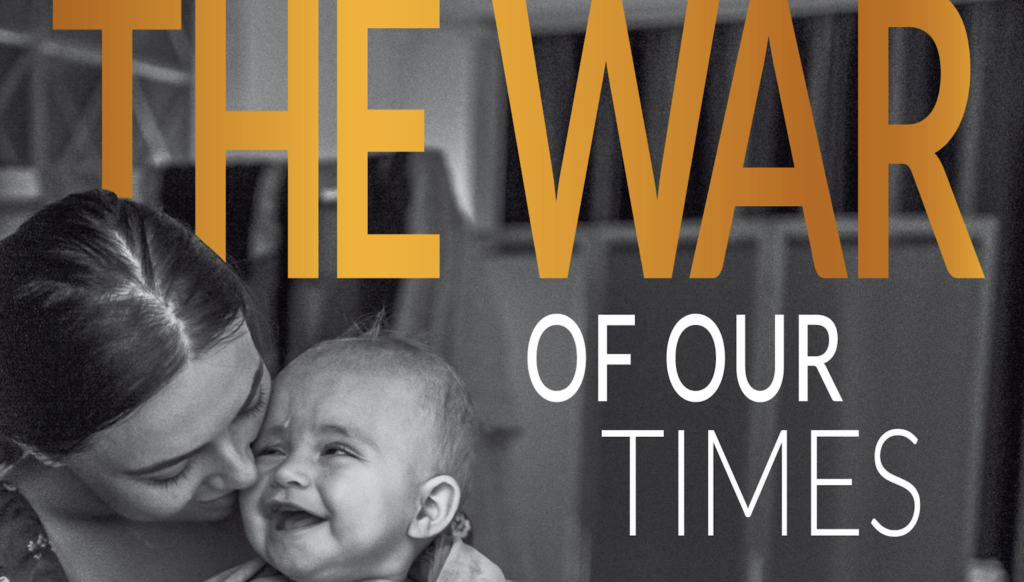
Fourteen touching stories about how Poles helped Ukrainians during the war have been published in the book “War Of Our Times,” which is now available as an ebook on Amazon.
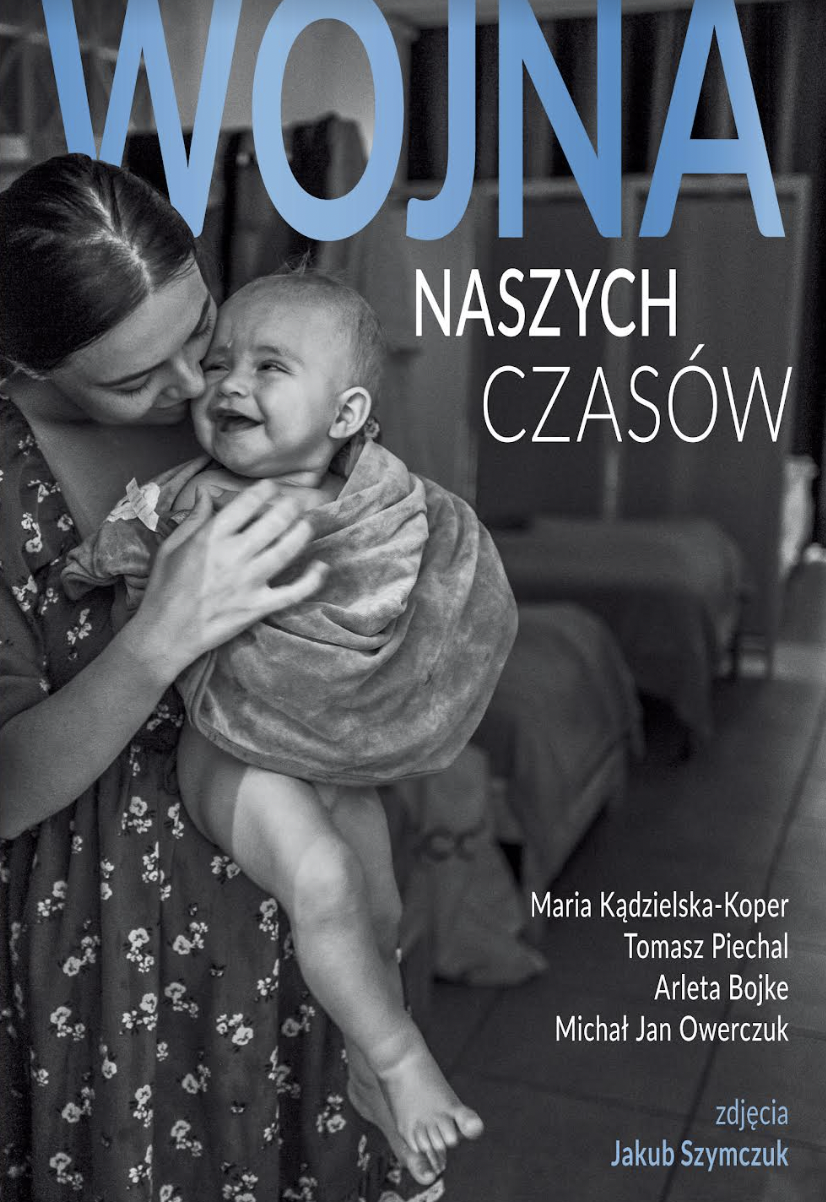
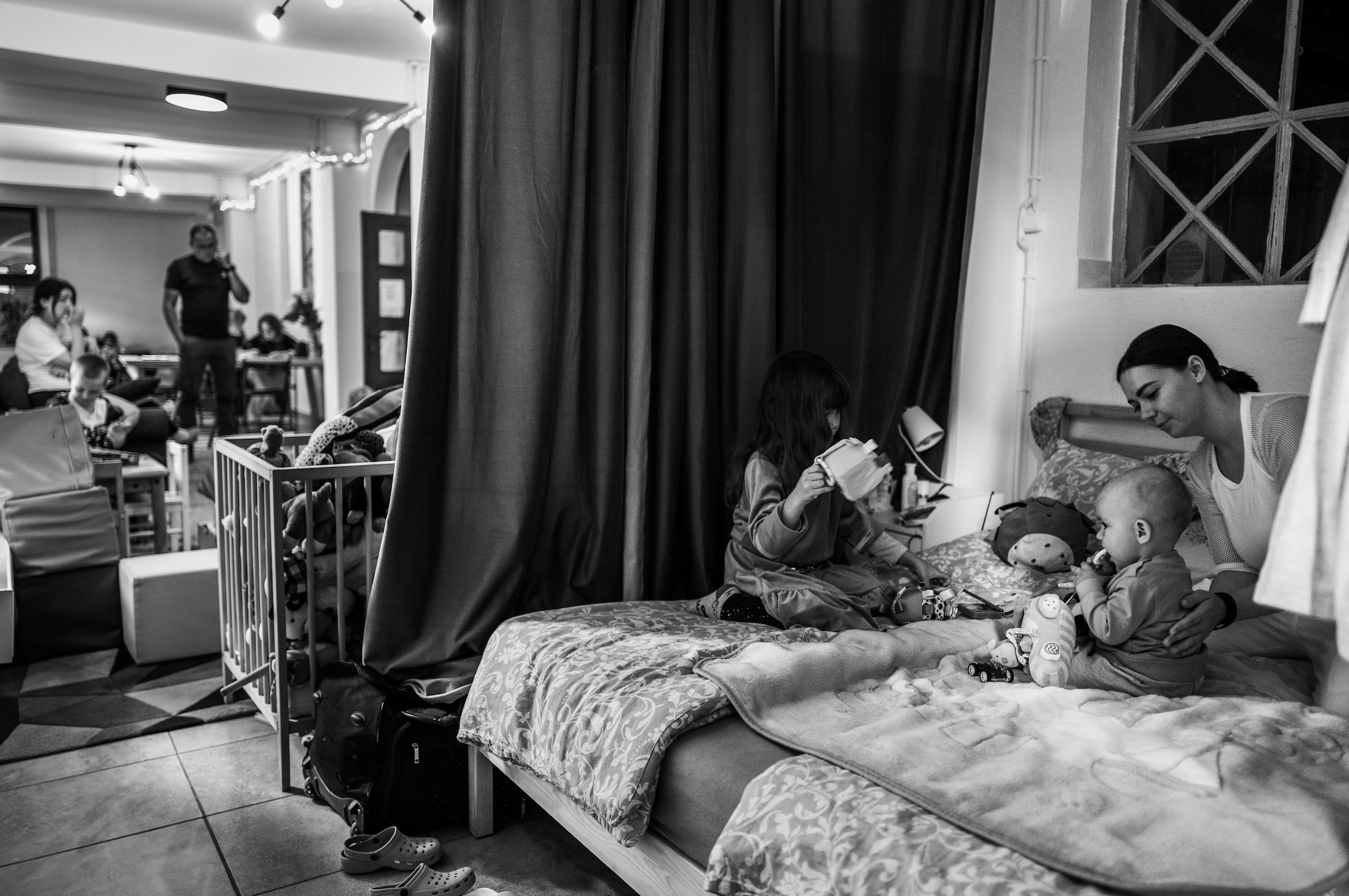
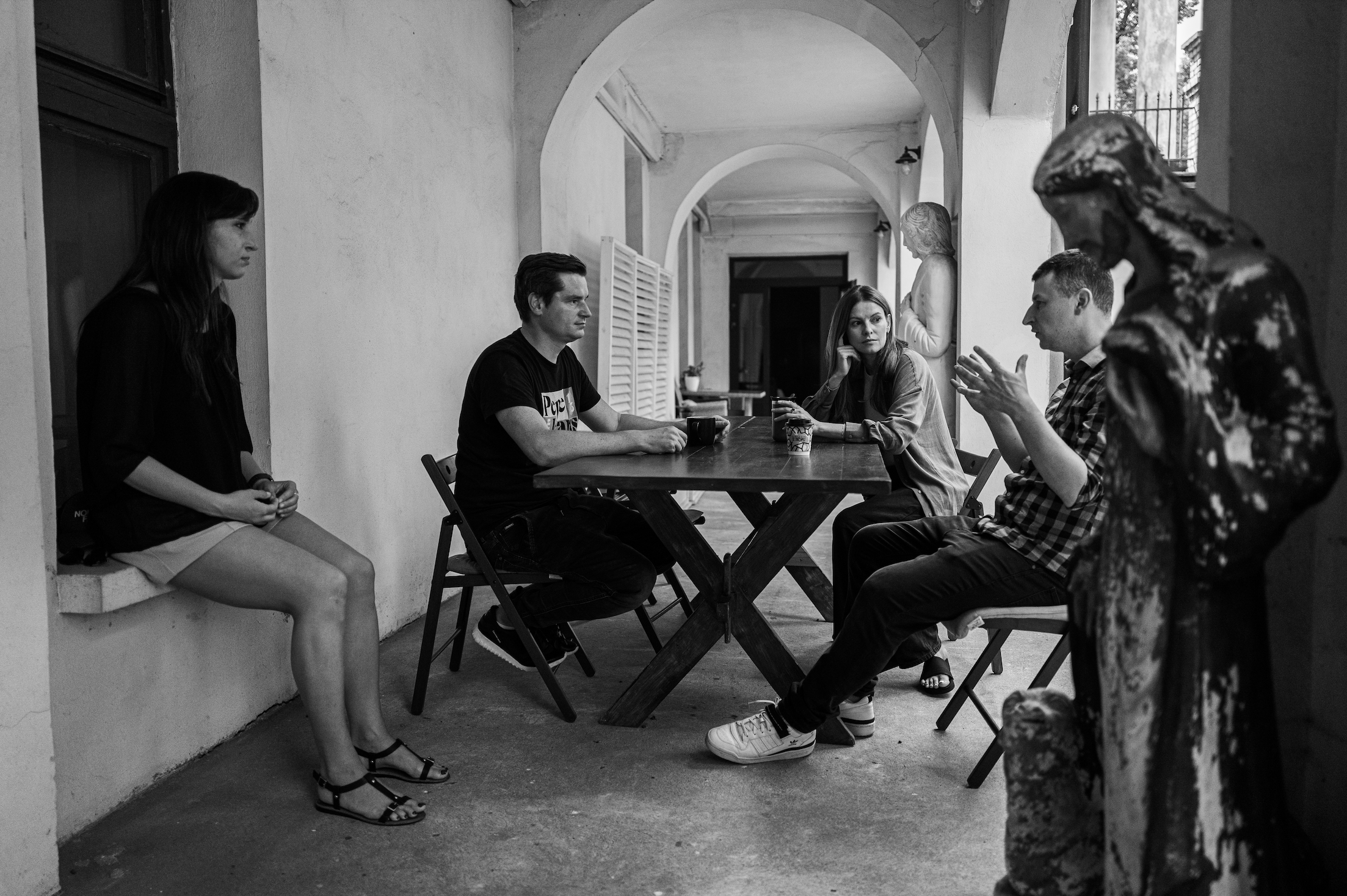
The English-language publication is a translation of the book “Wojna naszych czasów” by Maria Kądzielska-Koper, Arleta Bojke, Michał Owerczuk and Tomasz Piechal, translated by Agnieszka Żelazowska-Rogowiec. The expanded edition of the book contains fourteen stories, each of which is moving to tears. Chapters on Russian torture, children abducted by the Russians, and divided families, with one part on the Russian side and the other on the Ukrainian side, have been added to the original publication. The authors also took a closer look at the fate of Ukrainian children who emigrated to Poland. This is one of the first such artistic and at the same time authentic attempts to understand what both nations – Poles and Ukrainians – have gone through in recent times. The thread that connects all the stories is the night shelter at 14 Łazienkowska Street, which became a place of shelter and help, created entirely from the bottom up by a group of friends, gathered around the Oczami Nieba foundation and the “Queen of Peace” community. On the other hand, this book also shows the phenomenon of Polish volunteers, people with their own lives, careers, responsibilities, and who, in the face of their neighbours’ tragedy, did the impossible. While reading, one asks oneself: why is such a war in Europe even possible in our time?
In the face of increased Russian disinformation, any account that shows the war in Ukraine from the perspective of ordinary people remains vital. The purpose of the publication is to immortalise the immense amount of work that was done by Poles to help Ukrainian refugees. The book opens with the story of Victoria, whose husband, while serving in the National Guard and defending the Chernobyl Power Plant in the early days of the war, was taken into Russian captivity. Journalist Arleta Bojke (for many years chief Moscow correspondent for TVP) leans into the dramas of people for whom the whole old world collapsed, and the Russian invasion of Ukraine took away everything they knew. In the chapter “Twice I Lost Everything,” we read: “I have nothing to go back to. The first home I set up to live out my old age is gone forever. I’ll never prove to anyone it was my home. No one will ever pay us any compensation for the second home, along with which our world collapsed..” – The man explains in an interview with Arleta Bojke.
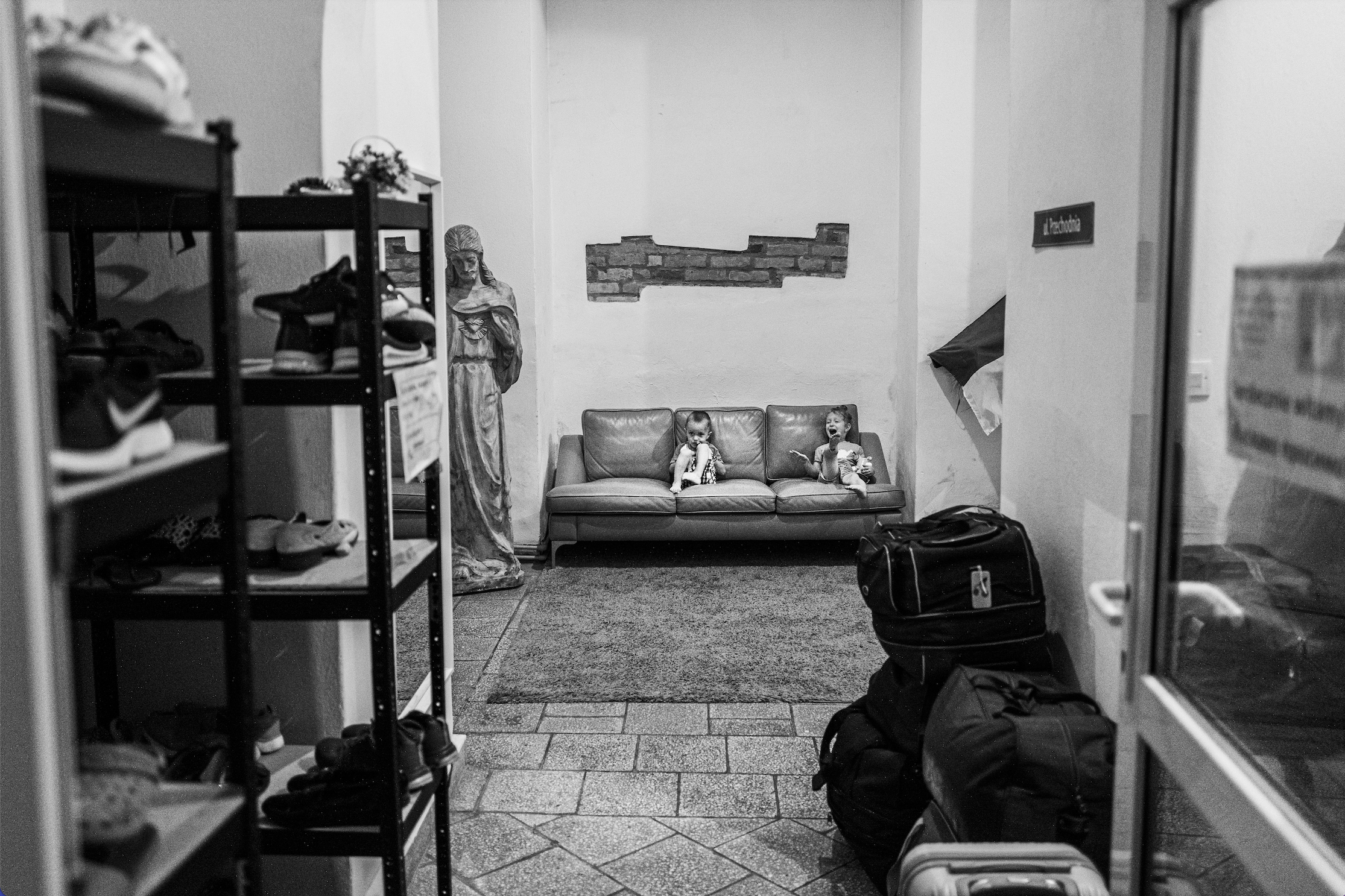
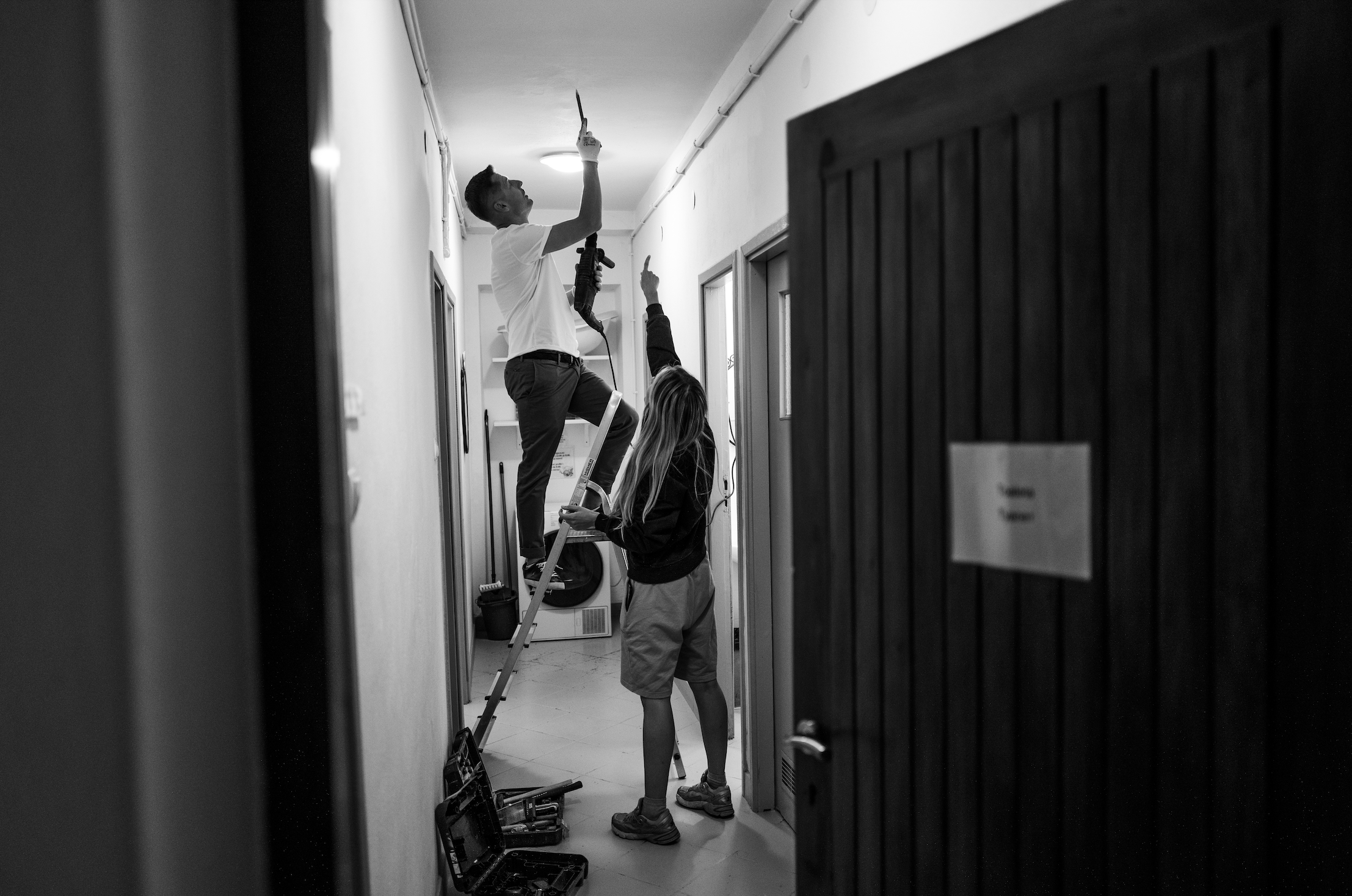
Tomasz Piechal (author of the blog “Eastern Sketches”) wrote about what life is like for people who stayed in Russian-occupied territories. He described the story of Vasyl, who, unwilling to submit to Russification, refused to cooperate with the new Russian authorities. As punishment, the man was subjected to torture. After this event, both he and his wife fled to Poland. In the introduction to this chapter we can read: “When I was lying on the ground, they kept kicking me and beating me. But they quickly brought such an old Soviet military battery and put it next to me. They connected the cables to my legs… It’s… It’s hard to describe. Do you know what sound this equipment makes? When you run electricity through it, it makes this horrible, gurgling rattle. And I hear that sound all the time. When the current goes through your body, it…” – Piechal reports. Certainly one of the most touching chapters is “A Little Big Fight.” This is the story of Natalia Hurskaya, who, facing bone cancer when Ukraine ran out of any medicine, fled to Warsaw. At the Noclegownia at 14 Łazienkowska Street, the woman found not only care and friends, but then quickly a new home, as one of the volunteers took her under her roof. At the home of Natalia Rytych, who took her in, Natalia stayed until two weeks before her death. She returned to Ukraine to be buried there. She died on May 18, 2024. The entire publication is complemented by moving photos by Jakub Szymczuk, a long-time photographer of the President of Poland, and ends with interviews with three actors: Michał Koterski, Rafał Mroczek and Cezary Łukaszewicz, who supported the Noclegownia at 14 Łazienkowska St. The English translation of the publication was published thanks to the support of the Polish National Foundation.
Exclusive to British Poles, we present an excerpt from the book from the chapter “Different sides of the barricade” by Arleta Bojke:
“On August 19, 2022, my daughter-in-law called and said that Artur had died,” Oksana says that was the last date that divided her life into before and after. “I asked my friends to stay with my mother. I packed up and went to Odessa,” she adds.
After graduating from the university, Oksana’s son was stationed in Odessa. He met his wife, Natasha, during his studies in Kharkiv. She joined him in Odessa, and they got married there in 2015. Natasha works as a translator in the army. When he died, Oksana’s son was twenty-nine years old. Two years earlier, he had been promoted to the rank of major.
“You understand, without any connections, father or uncle in the army, it’s a significant achievement,” emphasises Oksana. “I know my son died near Kherson. I don’t know anything about the circumstances. The military doesn’t provide such information,” she explains. “We waived all compensations from the state. There was no one next to me to stop me. I was in shock. I was screaming, pulling my hair out. I said I didn’t need anything, just give me back my son. Natasha – my daughter-in-law – didn’t say a word against it either. She was three months pregnant at the time. I begged her as much as I could to give birth to that child,” she adds.
After Artur’s funeral, Oksana returned to Dnipro for her mother. She also brought her to Odessa, but she never told her that her son was dead. “For six months, I didn’t talk to anyone. I didn’t meet with anyone and didn’t answer calls. I couldn’t even play with my granddaughter. Whenever I saw a photo of Artur, I would immediately start crying and go into hysteria. I took tranquilisers. I took two pillows, curled up into a ball, and lay down. I closed myself off as if in a shell,” she recounts. “I didn’t want to live. Natasha was pregnant, and Grandma was in a coma. I wanted so much to jump from the sixth floor… The thought of Natasha and fear for how she would cope without me always stopped me.”
Tears flow from Oksana’s eyes. “I don’t know where I found the strength to survive all this.” “I didn’t even have a way to notify Artur’s father about his son’s death. I have no contact with him. They stole my phone, which had his number. I know that a few months after the funeral, Artur’s godmother passed on the information to him, but he still didn’t call me. I know he lives somewhere in the Dnipropetrovsk oblast,” Oksana added after I asked if Artur’s father had provided any support.
On March 26, 2023, Oksana’s mother passed away at the age of eighty-six. Oksana then called her younger brother. “He mentioned something about our older brother being injured near Kharkiv. I didn’t even ask what was happening to him,” she concluded.
Oksana ran out of savings. “They went to rent apartments and funerals for my mother and son. It’s been two years since I stopped working. I kept thinking it would all end soon, and we’d go back home. Then I realised there was no going back because I was on the so-called ‘hit list,’ I’m pro-Ukraine, my son and daughter-in-law are in the military, I helped the Armed Forces of Ukraine, and my home is in occupied territory. Something had to be done,” she concluded.
“If your son hadn’t died, would you still have left Ukraine?” I ask.
“No. Definitely not,” she replies without hesitation. “But I have two grandchildren. Kira is seven years old. Gleb is one. They also need something in this life. And it’s just the two of us left with Natasha. We must earn for the children.”
Oksana tells her story despite the pain. She takes long pauses. The ticking of the wall clock, usually unnoticed by anyone, seems to grow louder. As if on purpose.
“Natasha can’t leave either. She also serves in the army. She had access to classified documents, which entails a three-year ban on leaving Ukraine,” she continues. “She’s so petite. One hundred and fifty centimeters tall. Forty-five kilos. Gleb is starting to walk, so it will be a little easier for her,” she smiles, almost sentimentally. “I don’t have anyone closer in the world than her. She always asks, ‘Why would I need others when I have you?’ That’s priceless,” she concludes.
Natasha’s parents lived on the border with Russia in Krasnodon until 2014. Then they moved to Tyumen, Russia. They still live there. “I’ve never met them. They didn’t come to the wedding, nor when Natasha gave birth. Natasha had three surgeries after Kira’s birth, including an ectopic pregnancy. I sat with her, and I helped her. She’s like a daughter to me,” says Oksana. She explains that even if Natasha’s parents call her, they urge her to flee Odessa. “They watch propaganda and call. How can I talk to them?” she asks. “There are many divided families like Natasha’s and mine.”
On her way to Norway, Oksana stayed at the Home Shelter in Warsaw at Łazienkowska 14. On her way to nowhere, she says, although a few months later, she will write to me that she fell in love with Norwegian nature. She did not choose Norway. That was the offer she got, and she accepted it. “I was a successful businesswoman, but my son’s death shattered me. It’s tough to cope with the fact that once you could afford anything and never looked at prices in the store, and then suddenly, bam, you’re left with nothing,” she explains. “I’m fifty-five years old, and at my age, starting over is very difficult. Especially again. Over the past year, I’ve aged so much… When Artur died, I lost the meaning of life. People have icons in their homes. I have photos of my son. I still talk to him all the time,” she adds.
Nel Badowska
Photos: Jakub Szymczuk