In a strong display of unity transcending political and ideological divides, more than 130 prominent Polish scholars, historians and cultural figures have signed an open letter addressed to German and Austrian cultural institutions. The intent is crystal clear to push back against attempts to portray Polish officials working under German occupation as complicit in the Holocaust.
The letter appears in direct response to a recently published monograph by historian Grzegorz Rossoliński-Liebe, titled Polnische Bürgermeister und der Holocaust (Polish Mayors and the Holocaust).
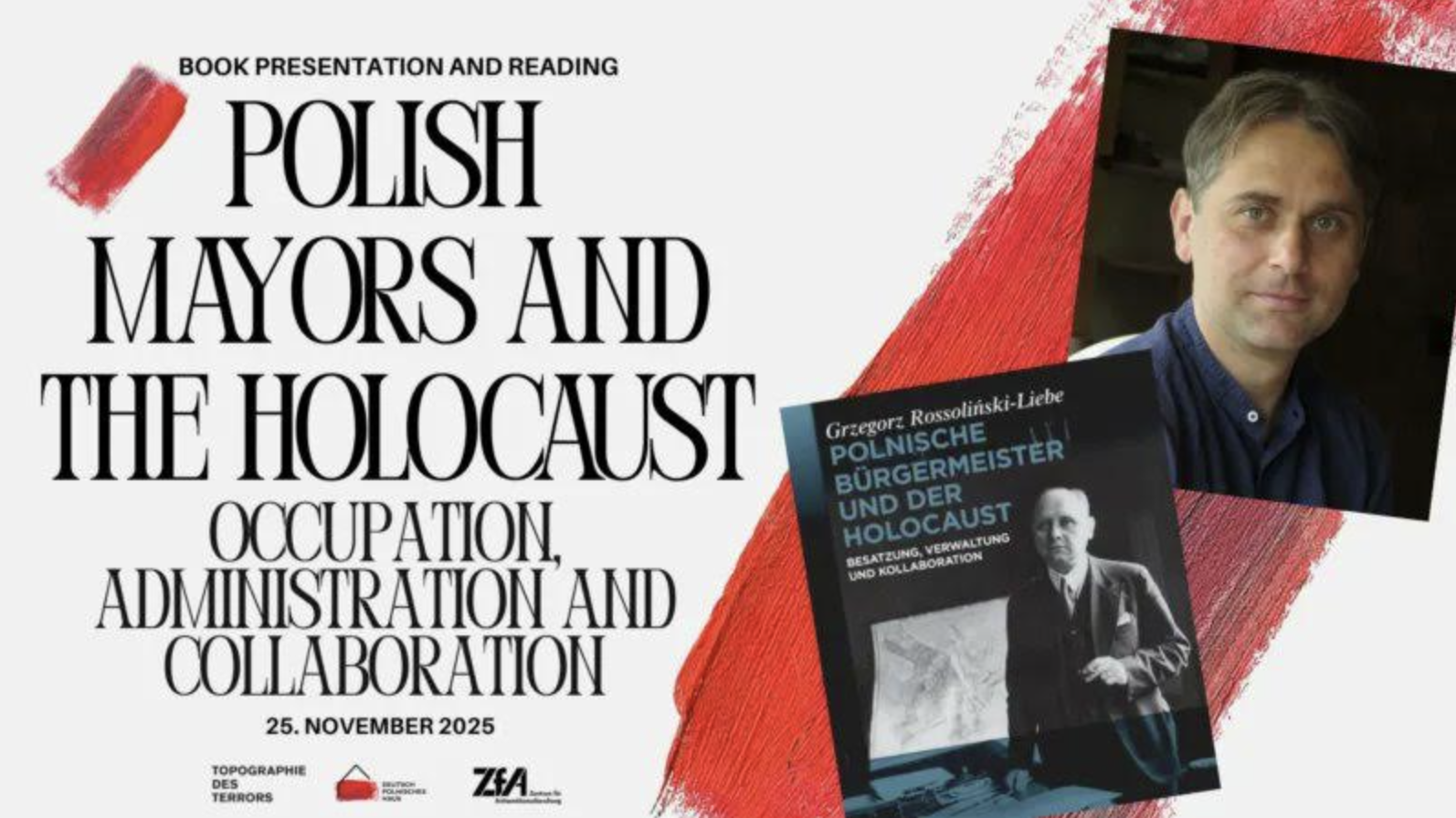
The book whose publication was co-funded by the German Fritz Thyssen Foundation presents the controversial thesis that municipal officials in occupied Poland formed a “key group” within the Nazi German machinery of extermination and acted as “equal partners” to the occupiers.
“As members of the Polish academic community, we categorically reject this core claim as false, historically inaccurate, and academically flawed,” the authors write.
“The signatories express “deep concern” that institutions entrusted with documenting genocide, such as the Wannsee Conference Memorial, located at the very site where the “Final Solution” was initiated, or the Polish-German House in Berlin, might propagate such distortions,” the Kulski Foundation informs.
The authors of the open letter reject this thesis categorically, calling it “false, historically untrue and scientifically unreliable.” They argue that the narrative constructs a distorted view of history, one that shifts responsibility for Nazi crimes onto Polish society and officials who, in reality, bear no such guilt. The letter describes such reinterpretation as a kind of symbolic violence against Poland and the memory of its victims.
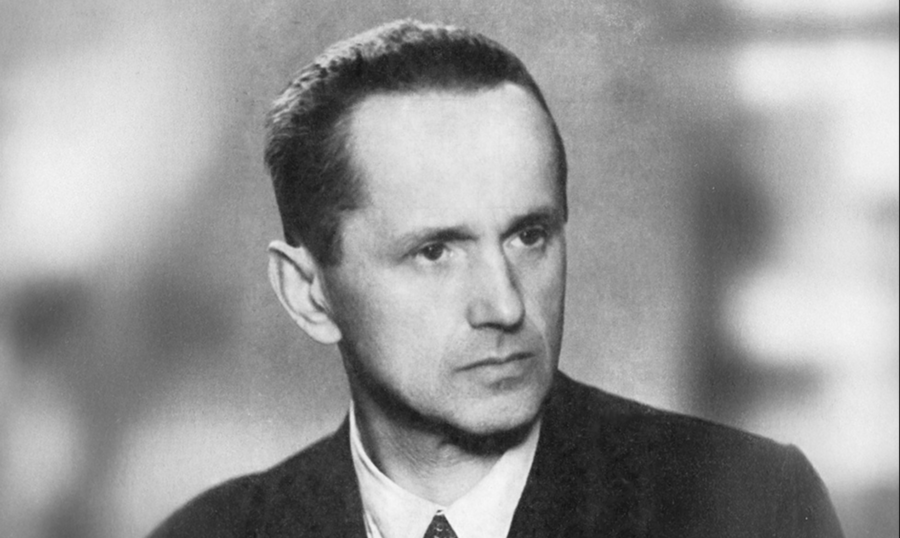
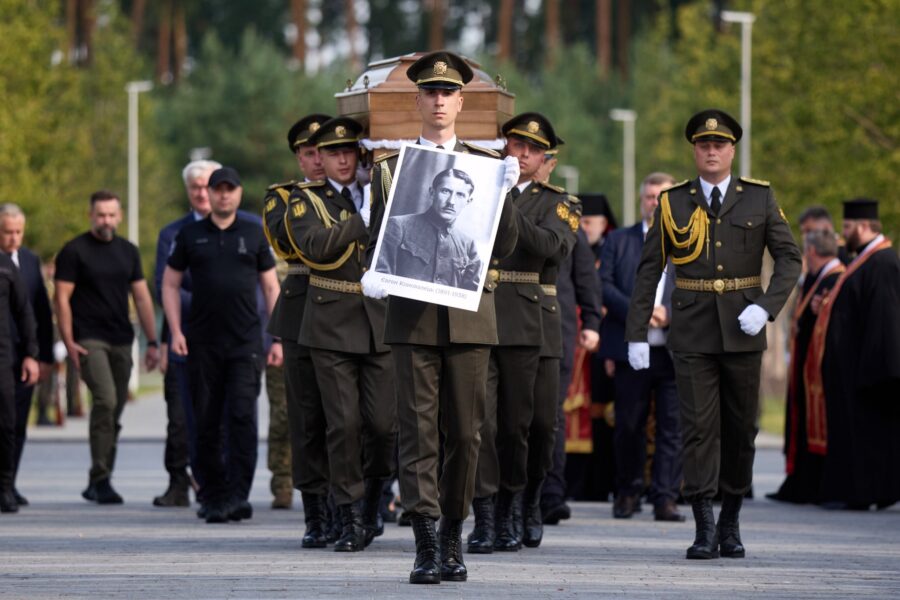
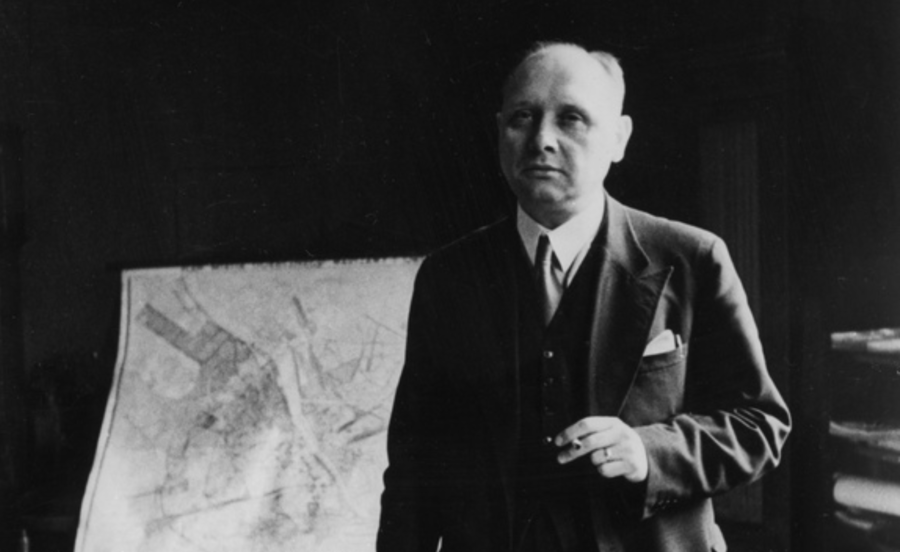
As a particularly egregious example, the letter names Julian Spitosław Kulski, a wartime commissary mayor of Warsaw, whose image the book uses prominently. The signatories point out that Kulski operated under the auspices of the Polish Underground State and the government-in-exile and, crucially, that he himself had Jewish roots. During the war, he sheltered Jews in his home, saving many lives. After the war, he was honoured posthumously for these actions. Presenting him as complicit in the Holocaust, the authors argue, is “a blatant falsification of history.”
“It is worth recalling that Julian Spitosław Kulski was himself of Jewish descent. (…) During the war, Kulski hid Jews in his own apartment. (…) He saved the lives of tens of thousands of Polish citizens of Jewish origin.” The letter also recalls that Julian Kulski was posthumously honoured for his efforts to save Jews, and that his great-grandfather was Dow Ber Meisels, the Chief Rabbi of Warsaw.
The letter ends on a conciliatory yet firm note. The signatories stress that their aim is not confrontation, but the defence of historical truth, a foundation necessary for genuine reconciliation between nations. They underline that Poland regards Germany as a valued neighbour and strategic partner, but insist that future relations must be based on honest dialogue, not on rewriting the past.
By taking this stand, the signatories assert a position of moral and intellectual responsibility warning against the dangers of collective blaming and historical revisionism. The letter will be shared with leading cultural and academic institutions in Poland, Germany, Austria, the United States and Israel.
You can access all details and the English version of the letter here, including the full list of the letter signatories: https://fundacjakulskich.org.pl/en/over-130-polish-public-figures-appeal-for-historical-truth/
The initiative was also commented on in the Polish media.
One of the most interesting comments came from prof. Witold Mędykowski for Tysol.pl, who argued that:
“The cancellation of the promotion of Polnische Bürgermeister und der Holocaust by Grzegorz Rossoliński‑Liebe in Berlin sparked a storm and attributing the Holocaust to Poles met with fierce reaction. Rossoliński-Liebe gave an interview to Berliner Zeitung. We must ask: are we dealing with real academic freedom, or with freedom to manipulate history? There are boundaries that must not be crossed especially when it comes to the memory of victims.”
“If Holocaust research is part of the discipline of history, it must follow the same principles honesty, methodological rigour, ethics. But in his book, Rossoliński-Liebe does not pose research questions, does not state a hypothesis, he simply declares that “Polish mayors” are responsible for the Holocaust. That is not scholarly enquiry but ideological, propagandistic history,” the researcher adds.
“There are limits to the humiliation of victims, and we will not allow those limits to be overstepped. If they are, it will mean the end of the already fragile dialogue between the custodians of memory of our two nations. A place of remembrance cannot be a place of contempt,” Prof. Mędykowski concluded
Source: Fundacja Kulskich, Tysol
Photo: X @AuschwitzMuseum
Tomasz Modrzejewski