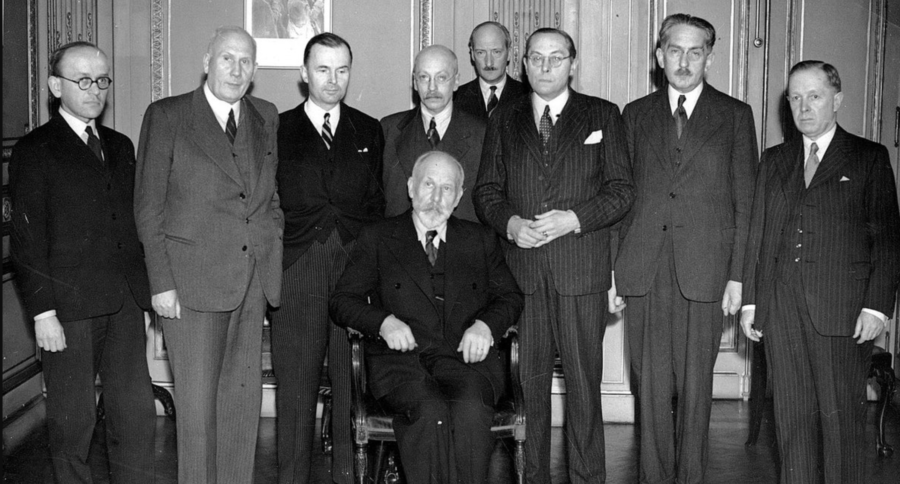
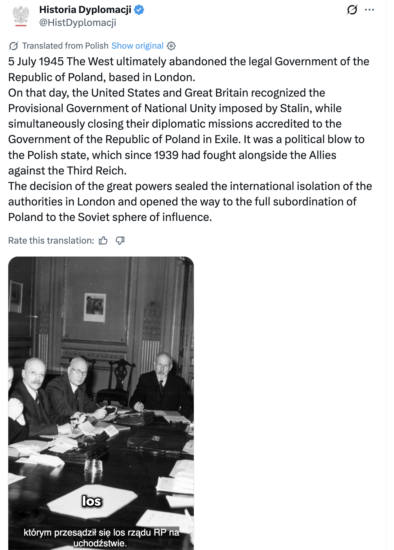
On 5 July 1945, one of the most symbolic chapters of the Second World War came to an end when the United States and the United Kingdom formally withdrew recognition from the Polish Government-in-Exile based in London. Instead, both powers recognised the Soviet-backed Provisional Government of National Unity in Warsaw, marking a decisive shift in Allied policy towards post-war Poland.
The decision carried profound political significance. Since the German and Soviet invasions of Poland in 1939, the Polish Government-in-Exile had served as the internationally recognised representative of the Polish state. Operating from London throughout the war, it coordinated the activities of the Polish Armed Forces in the West, maintained diplomatic relations with Allied nations, and supported the Polish underground resistance fighting in occupied Europe.
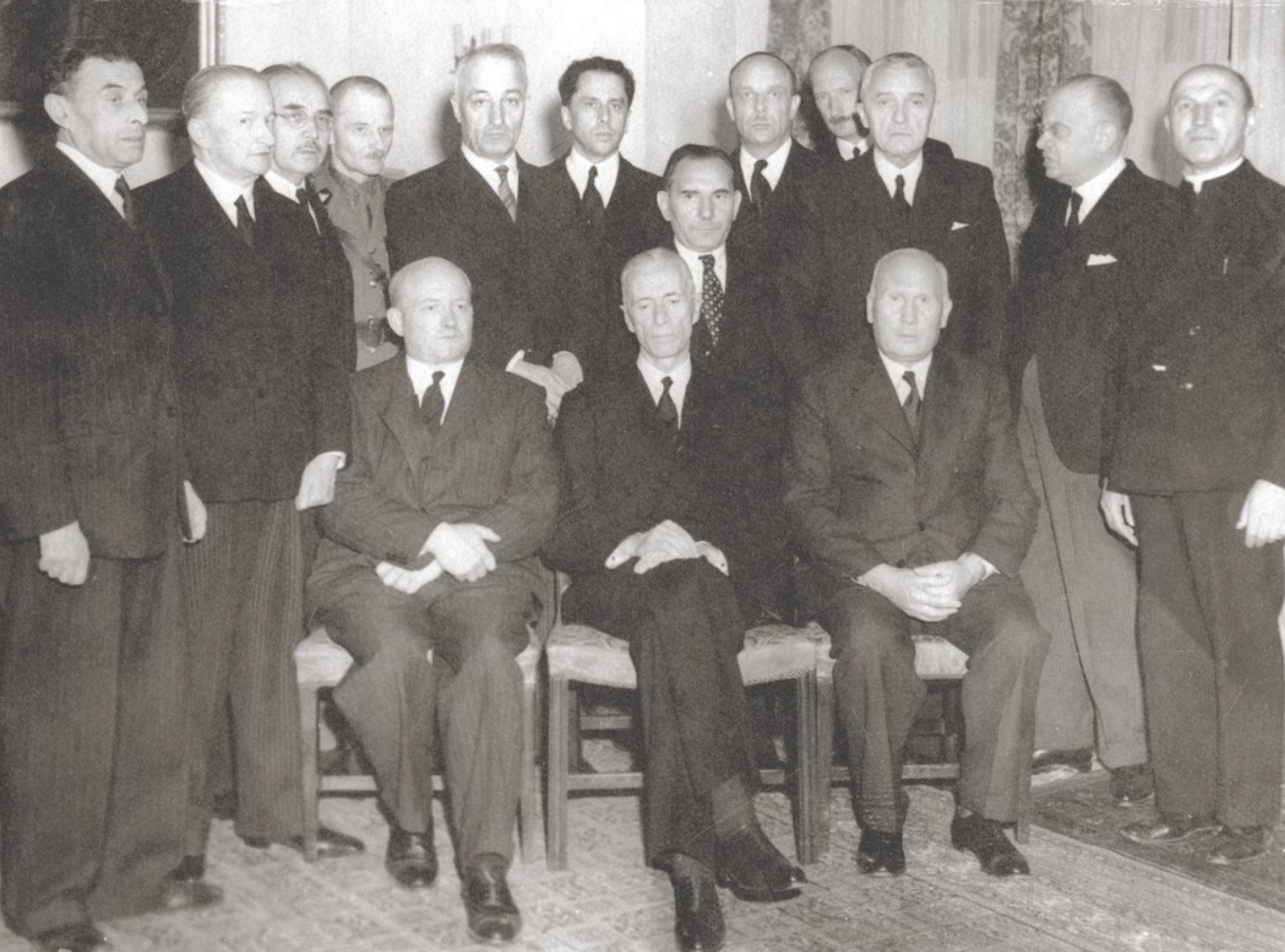
By recognising the new administration established under Soviet influence, Washington and London effectively acknowledged the political realities created by Joseph Stalin’s advancing Red Army. At the same time, both countries closed their diplomatic missions accredited to the Polish Government-in-Exile, ending nearly six years of official relations with the wartime authorities that had remained loyal to the pre-war Polish Republic.
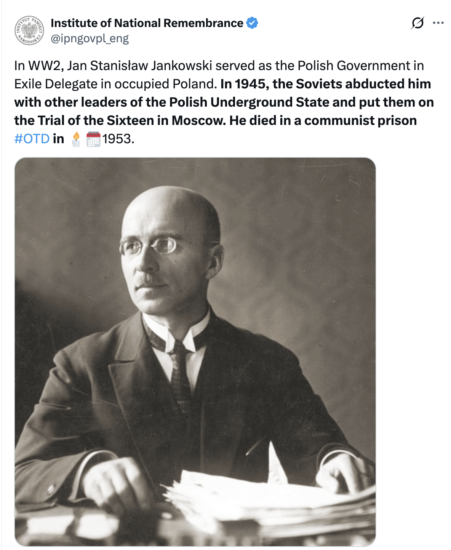
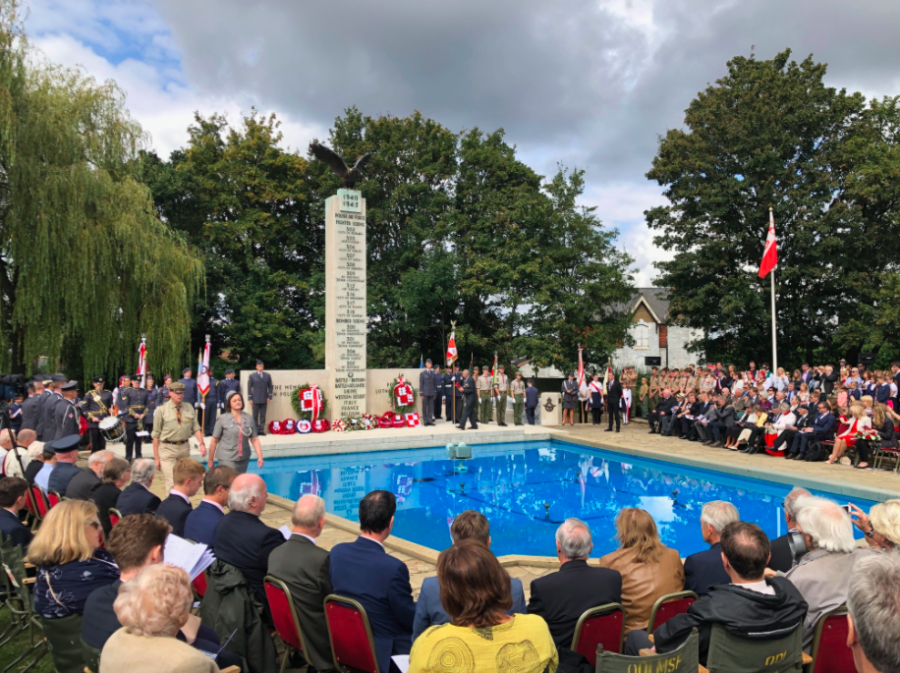
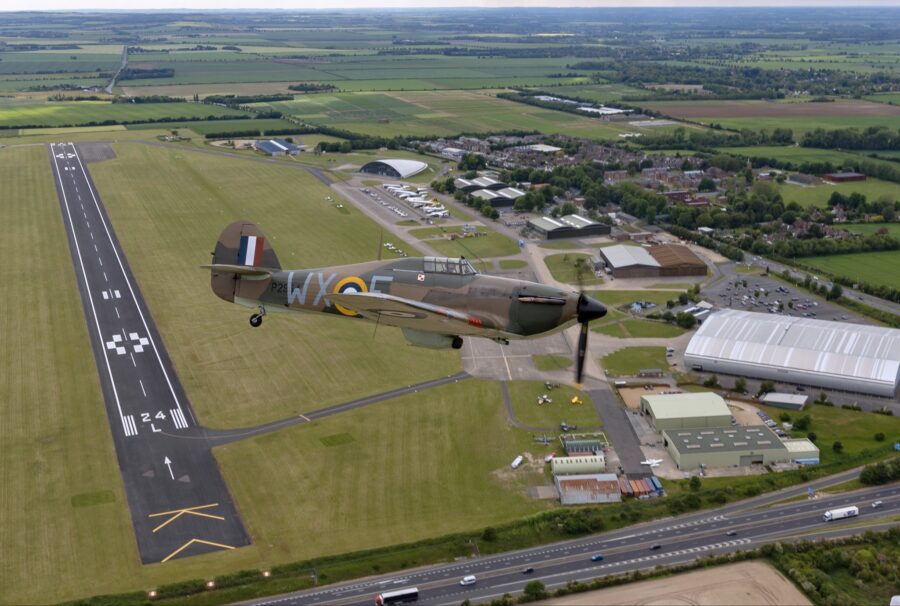
For many Poles, the move was viewed as a profound betrayal. Hundreds of thousands of Polish soldiers had fought alongside British and Allied forces in campaigns stretching from the Battle of Britain to Monte Cassino and the liberation of Western Europe. Yet despite these sacrifices, Poland found itself excluded from determining its own political future as the post-war order was reshaped by the victorious powers.
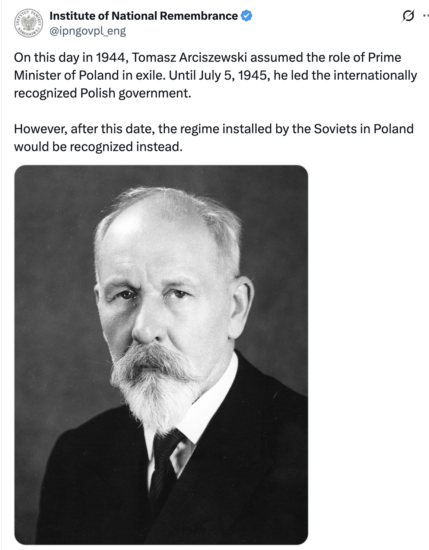
The recognition of the Soviet-backed government accelerated Poland’s incorporation into Moscow’s sphere of influence. Although the Provisional Government of National Unity formally included a limited number of non-communist politicians, real authority increasingly rested with communist leaders supported by the Soviet Union. Over the following years, political opposition was systematically suppressed, paving the way for the establishment of a communist state.
While the Polish Government-in-Exile continued to exist in London for decades, it no longer enjoyed recognition from the major Western powers. Its role became largely symbolic, preserving the legal continuity of the pre-war Polish Republic until the restoration of democratic government in Poland after the collapse of communist rule. On 22 December 1990, the last President of the Government-in-Exile, Ryszard Kaczorowski, formally transferred the insignia of the Polish presidency to Lech Wałęsa, bringing the exile authorities’ historic mission to a close.
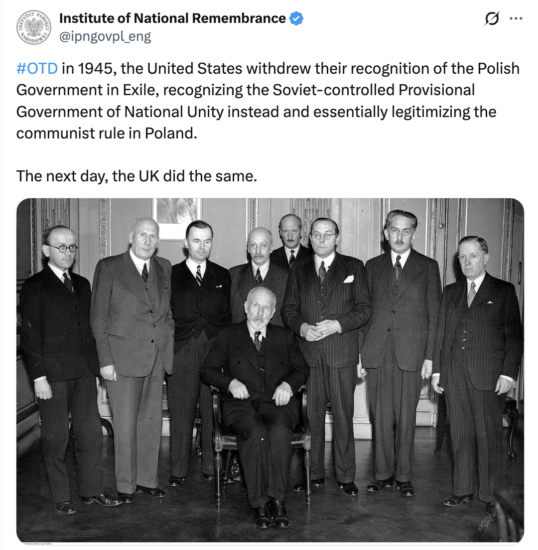
The events of 5 July 1945 remain one of the defining moments in modern Polish history, illustrating the difficult choices made by the Allied powers at the dawn of the Cold War and the lasting consequences those decisions had for Poland’s sovereignty and political independence.
Source: X/HistDyplomacji
Photo: X/IPN
Tomasz Modrzejewski