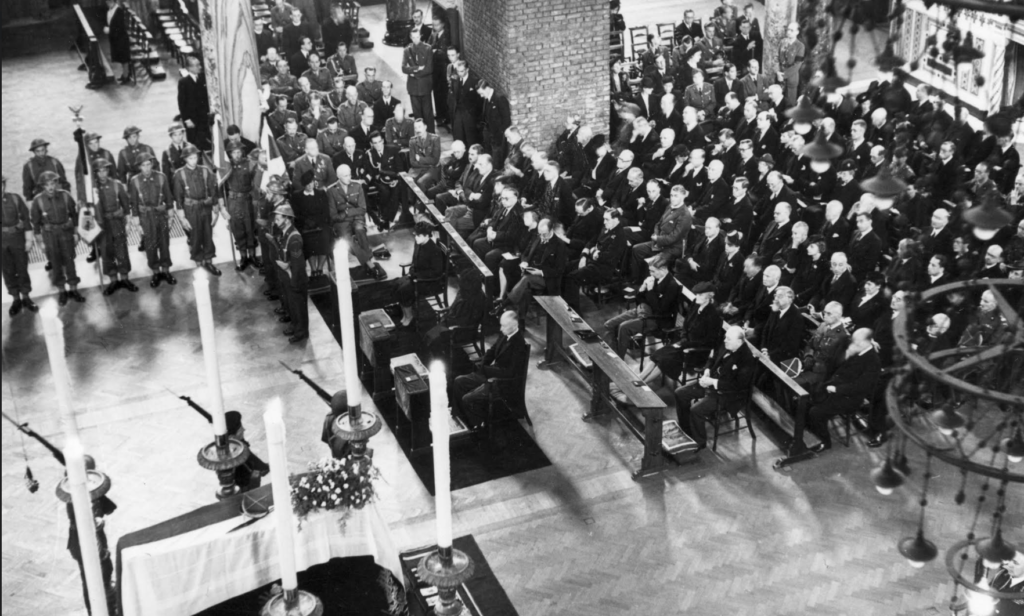
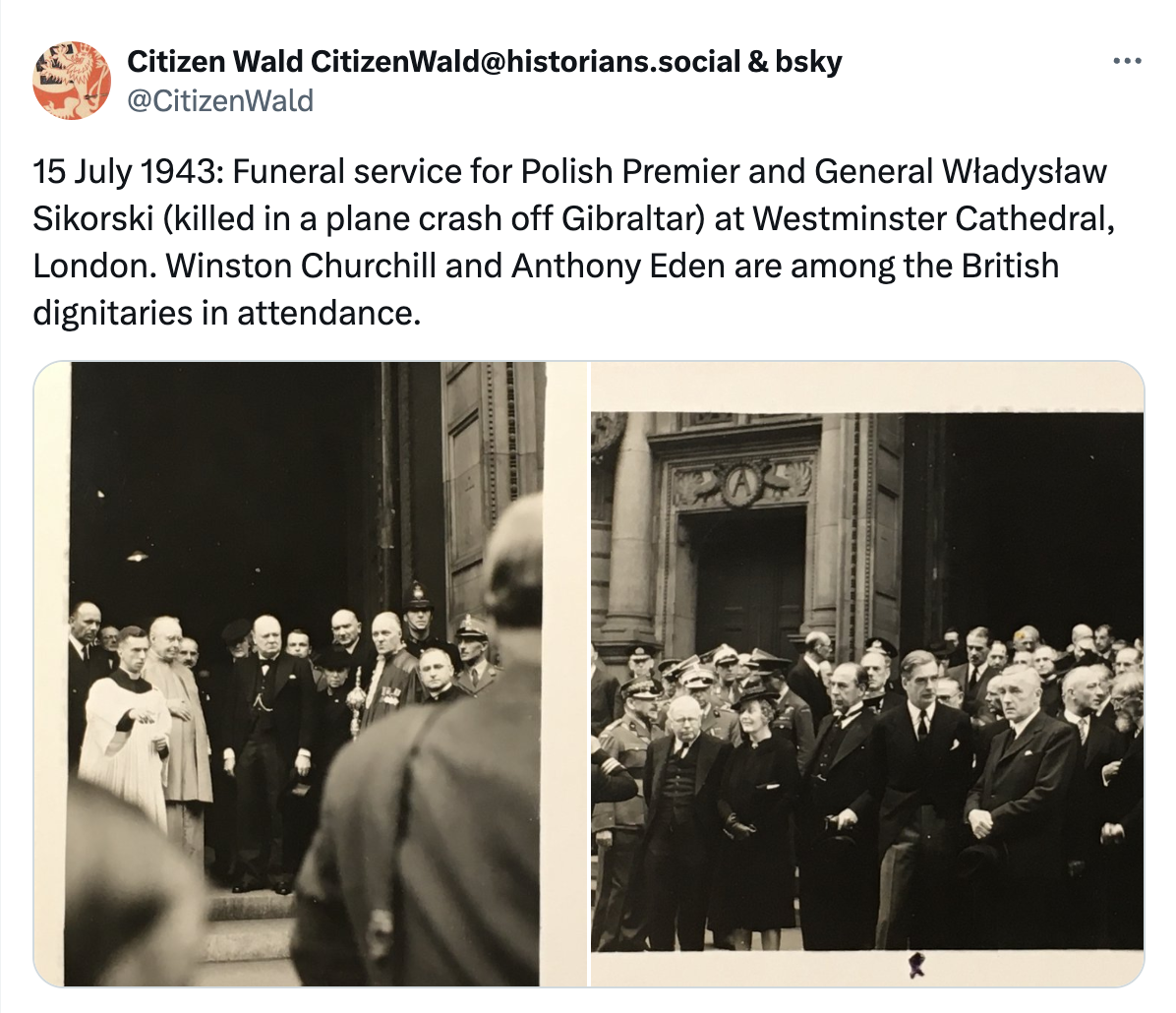
The General’s body was taken to Westminster Cathedral, where a funeral mass was held the following day. The ceremony was attended by many of the highest-ranking civilian and military dignitaries of various Allied countries – including the Prime Minister Winston Churchill, as well as Gen Sikorski’s successor as Prime Minister of the Polish Government, Stanisław Mikołajczyk.
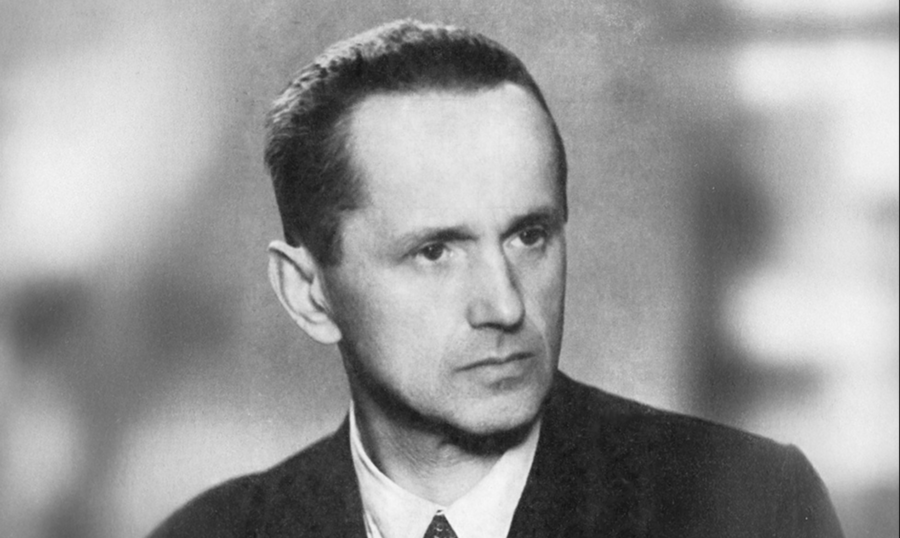
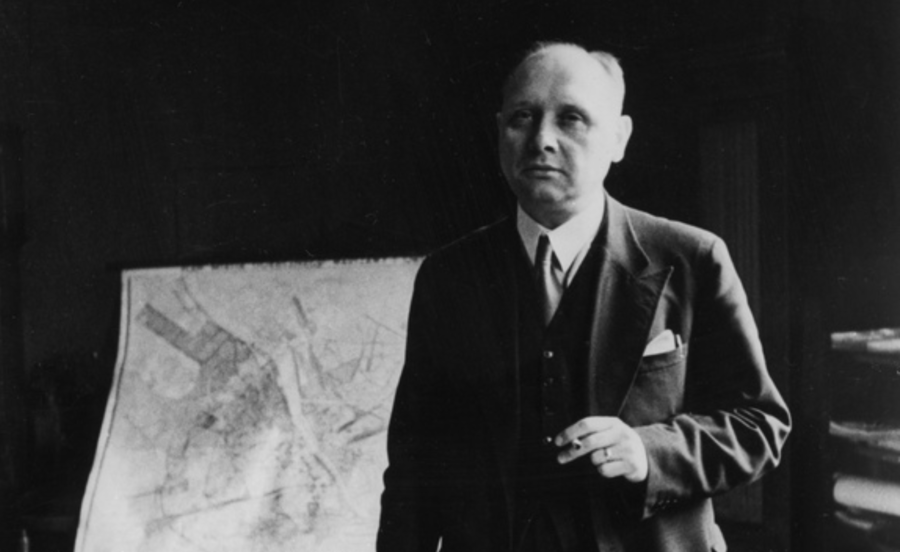
Gen Władysław Sikorski was one of the most important figures of Polish political life. His legend grew in the years 1939-1943, when he was the head of the Polish Government in Exile, Commander-in-Chief of the Polish Armed Forces in the West and commander of the Home Army of the Polish Underground State.
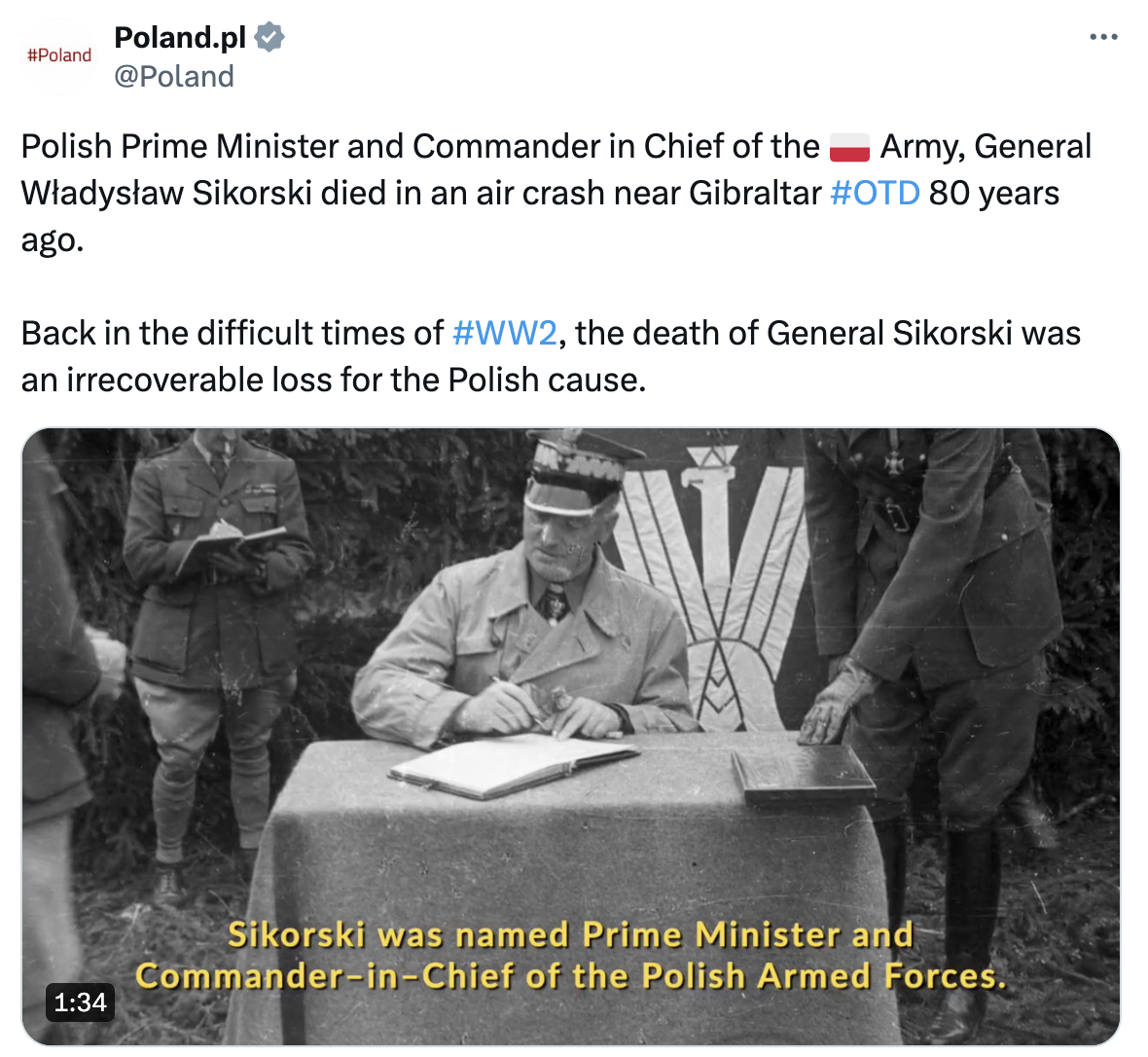
Sikorski was well regarded by the British government but known to be a tough defender of Polish national interest. He was also the one to sign the Sikorski-Majski agreement that allowed to formation of the Polish Army in the Soviet Union and saved many thousands of Polish soldiers and civilians who were slaves in the inhumane lands of Russia.
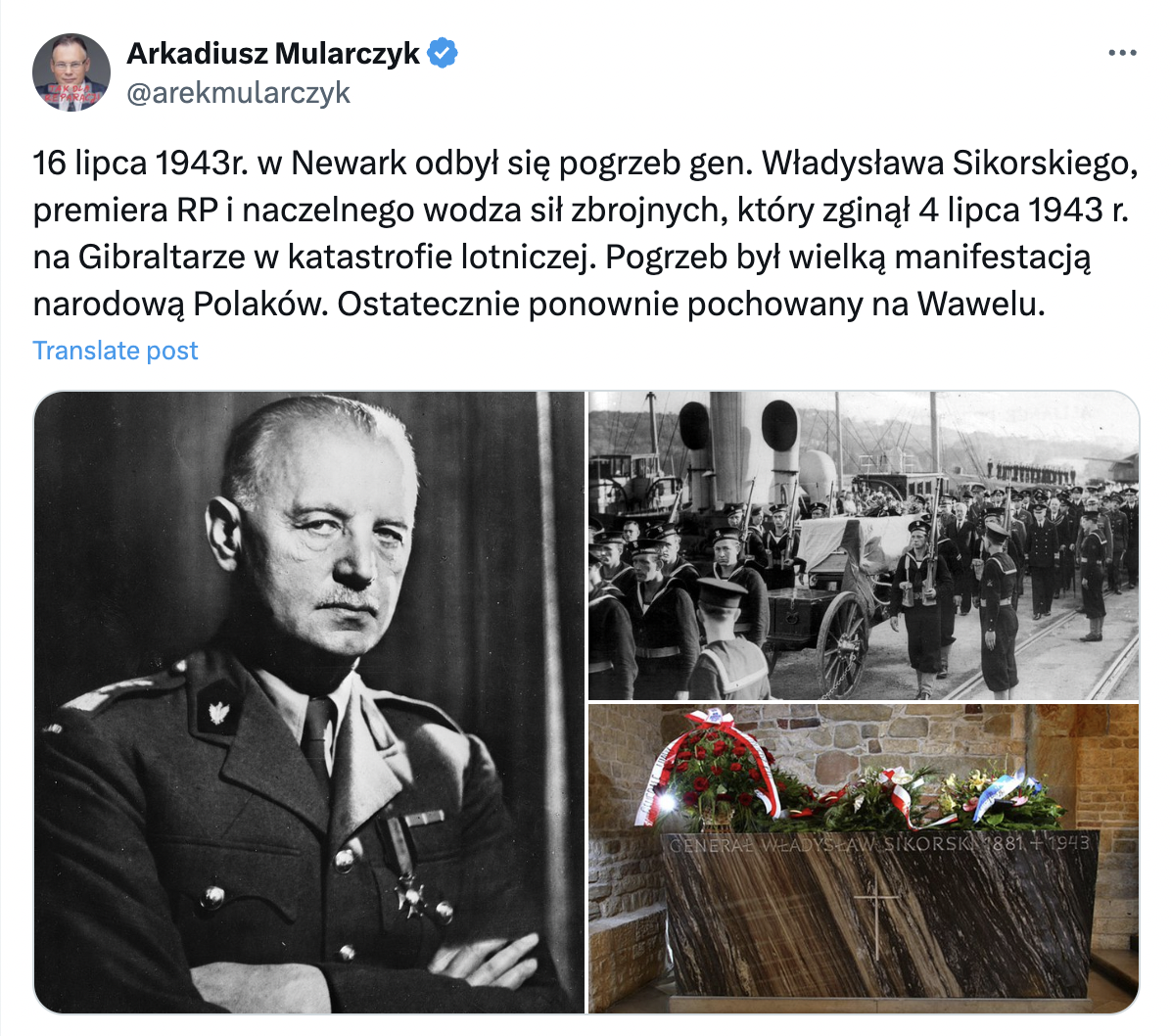
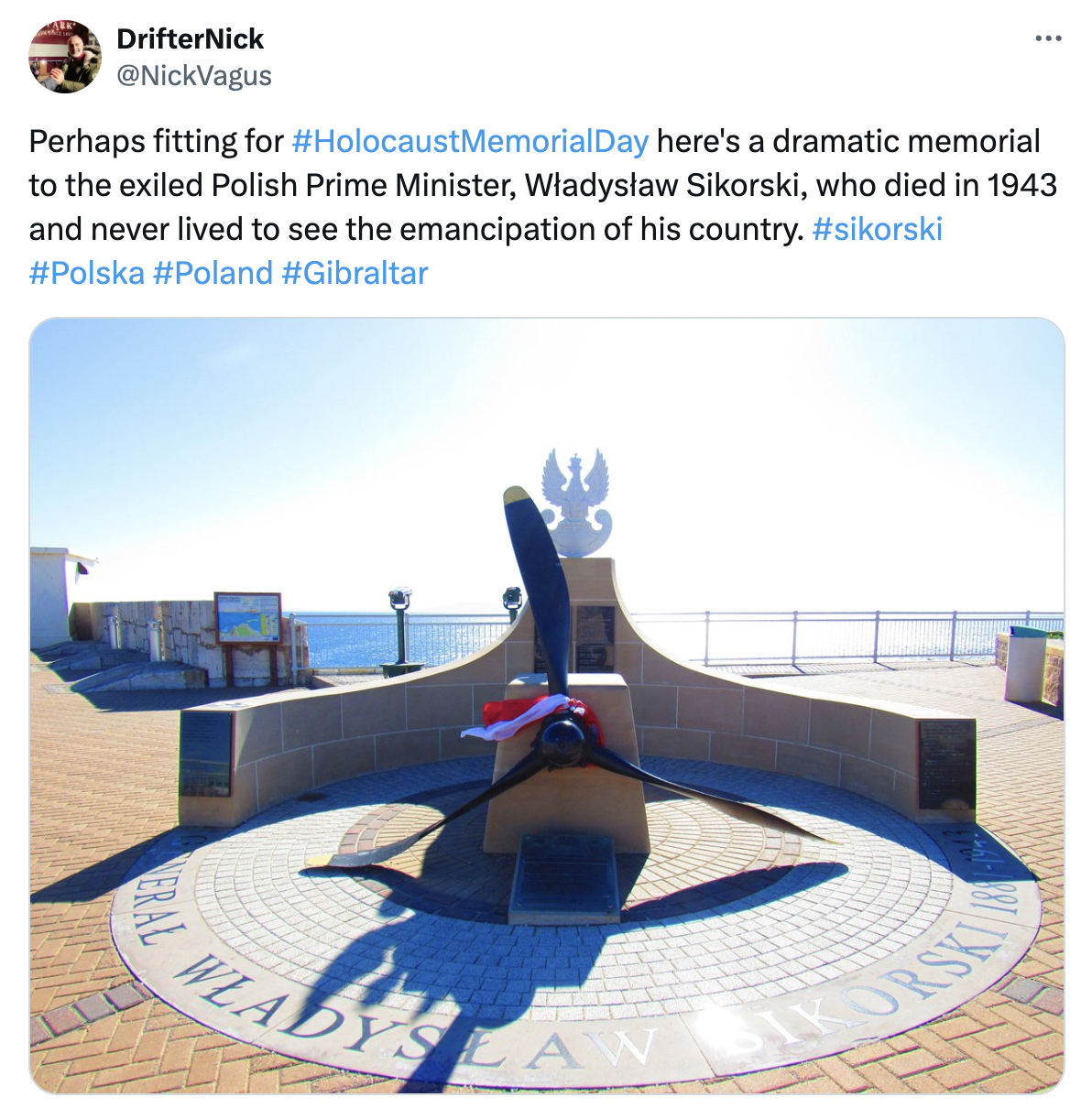
Gen Sikorski died on 4 July 1943 in a plane crash in Gibraltar, the circumstances of which are still not fully explained.
An eye witness of the observations.Capt. Stefan Kazimierczak (commander of the Podhale Rifle Battalion of the 1st Armoured Division), described the day of Gen Sikorski’s funeral in his memoirs:
“On 12 July numerous compact delegations of all the Polish Army units that existed in Britain left for London. All the military banners also arrived in London to bow for the last time before the Commander-in-Chief. The ceremonies lasted three days, that is from 13 to 15 July. The church mourning ceremonies took place in Westminster Cathedral. All the streets adjacent to the Cathedral were blocked by close ranks of Polish soldiers in full battle dress. At 10 am an open car carrying the British Prime Minister arrived. As the streets were blocked, the car had to pass along our ranks. Churchill’s face was cloudy and, it seemed to me, worried. The army presented arms. From under the cathedral door, Churchill 'saluted’ with a nod and a tilt of his hat. He did not review the army, not the review was the most important thing now…”
Capt. Kazimierczak also recalled:
“The church was packed with Allied and English officials, and government and military personalities. After the church ceremony, the funeral procession was formed. At the head of all the military delegations walked a delegation of the 1st Armoured Division. The Highlanders walked in the lead. Theirs was the first banner to be decorated in exile by General Sikorski with the Order of Virtuti Militari for the battle of Narvik.”
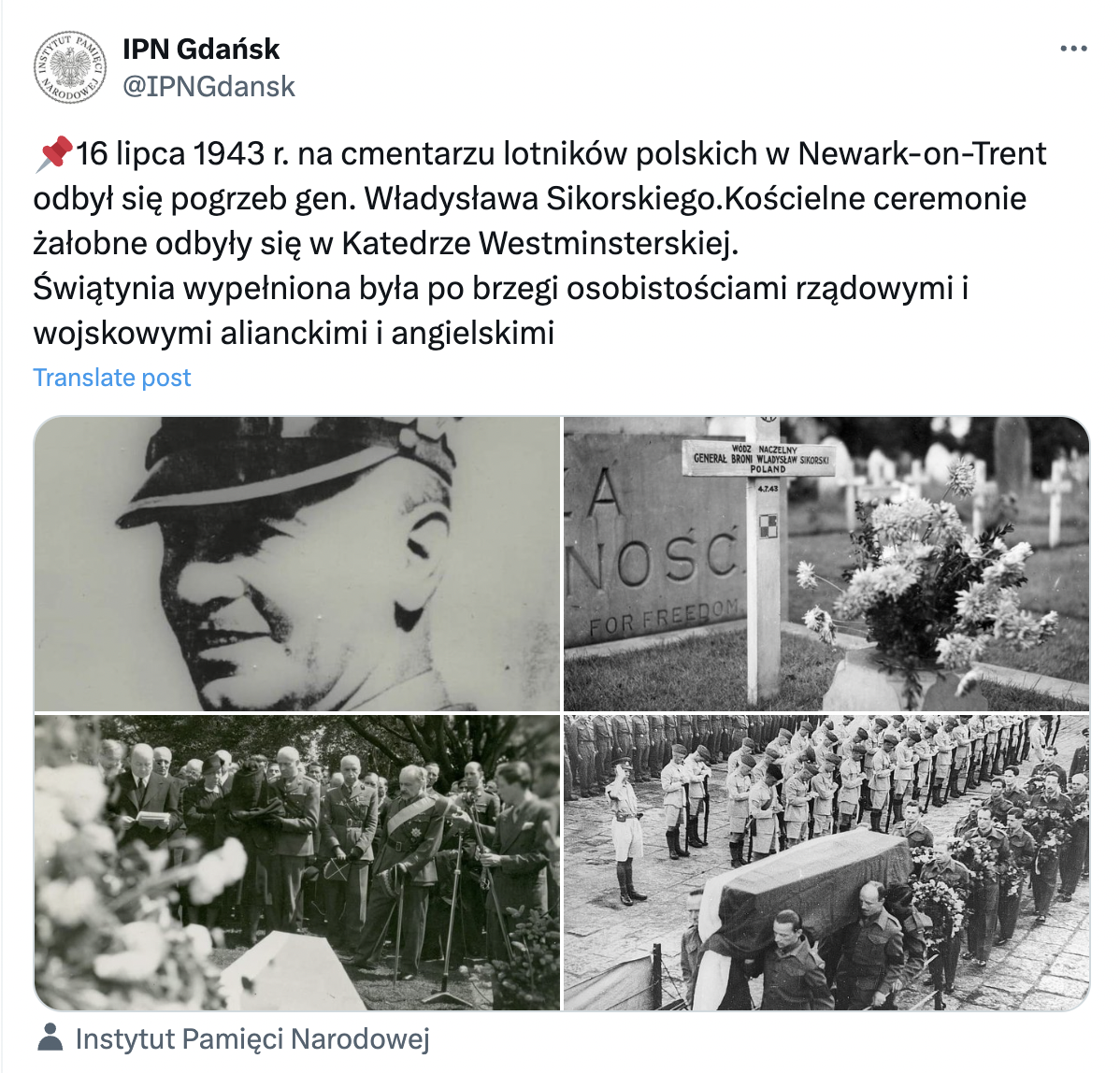
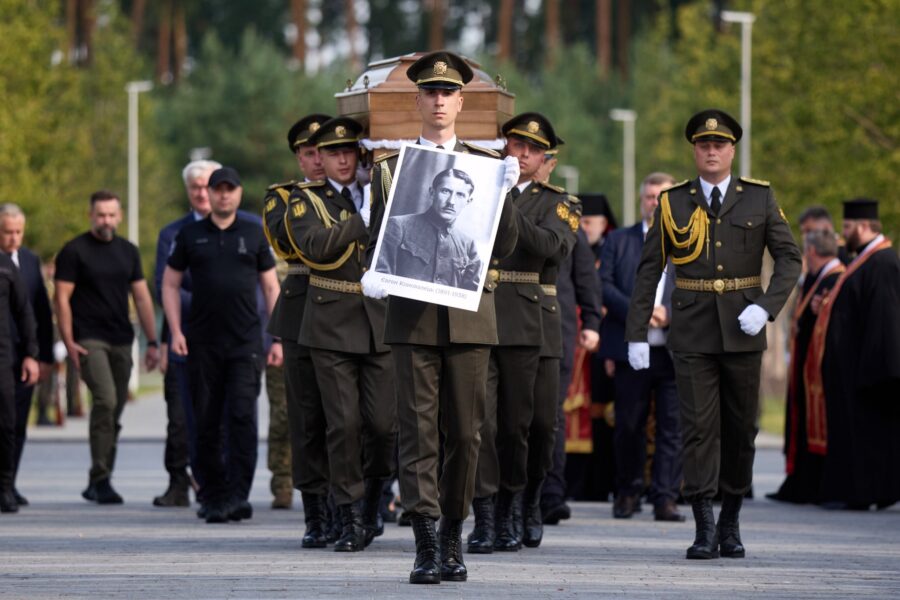
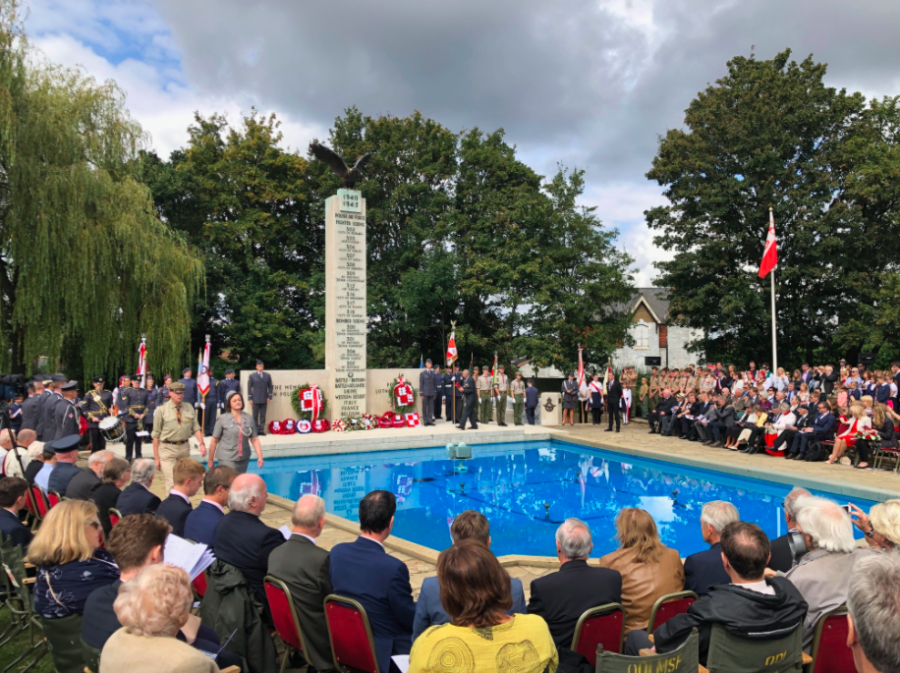
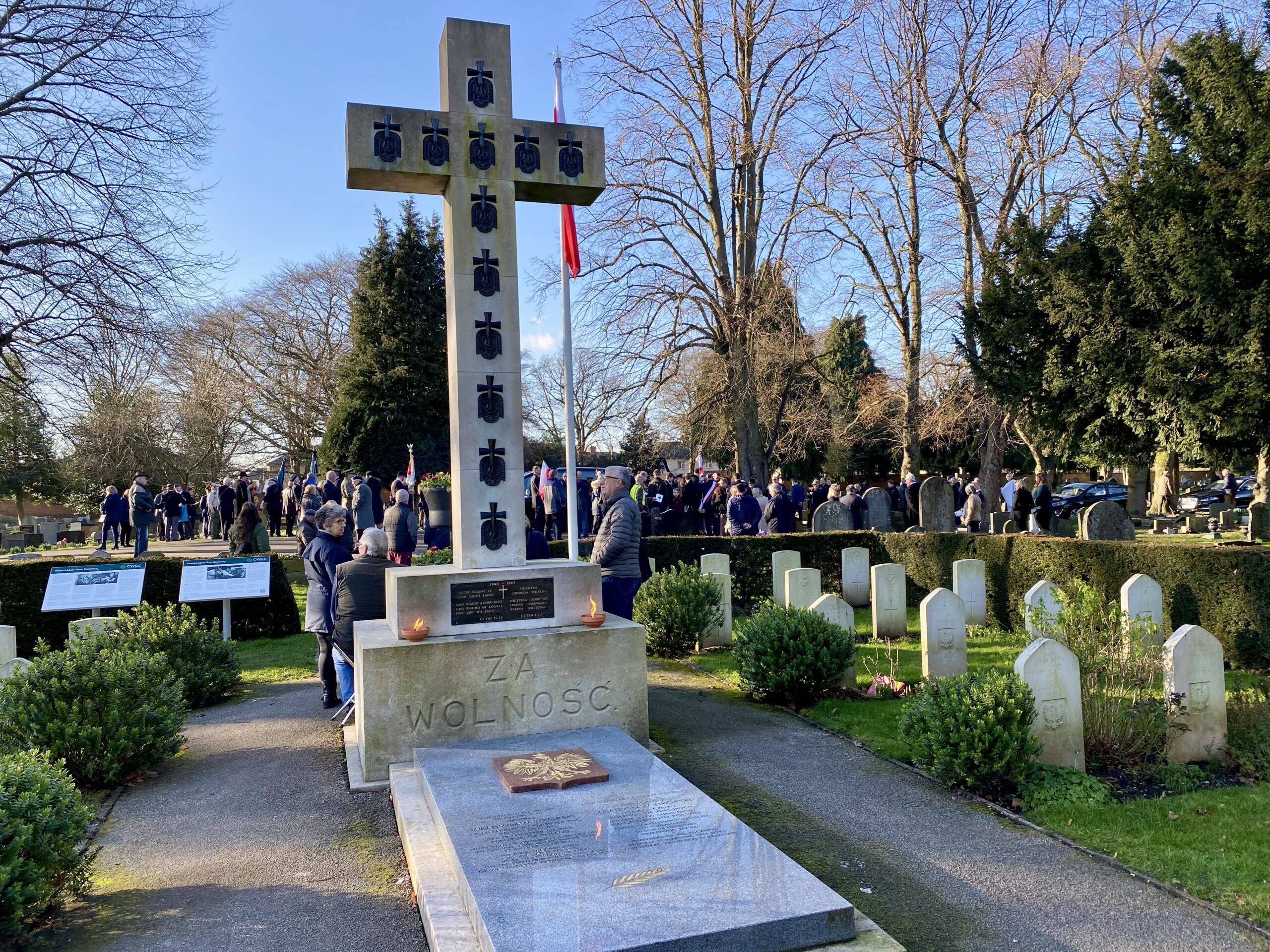
On 16 July 1943, the final funeral of General Sikorski took place at the Polish Airmen’s Cemetery in Newark-on-Trent. The body of the Commander-in-Chief was laid to rest at the foot of a monument standing on the axis of the main avenue of the cemetery. This monument was made of white sandstone in the form of a cross, decorated with twelve aviation eagles with crowned crosses.
Capt. Kaźmierczak recalled:
“In front of the coffin of their general, the soldiers saluted, and the Englishmen removed their hats…. The general’s cap was fixed on the coffin, and at the side of the coffin stood on the left, like a petrified statue, the general’s adjutant, wearing a cap with a white brim and a chin rest. The general’s last confidant…
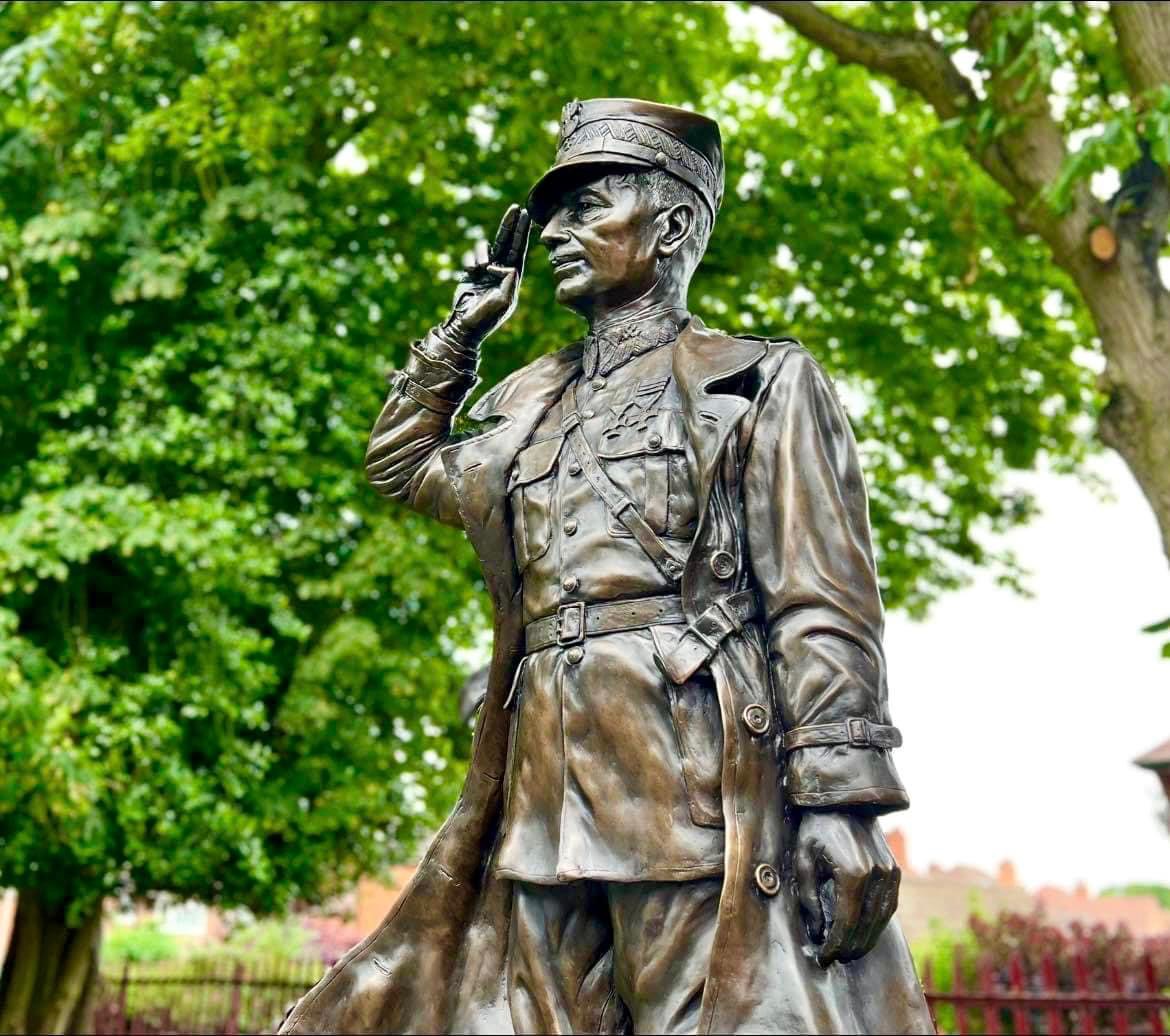
The scene moved everyone deeply. Even the English wept.”
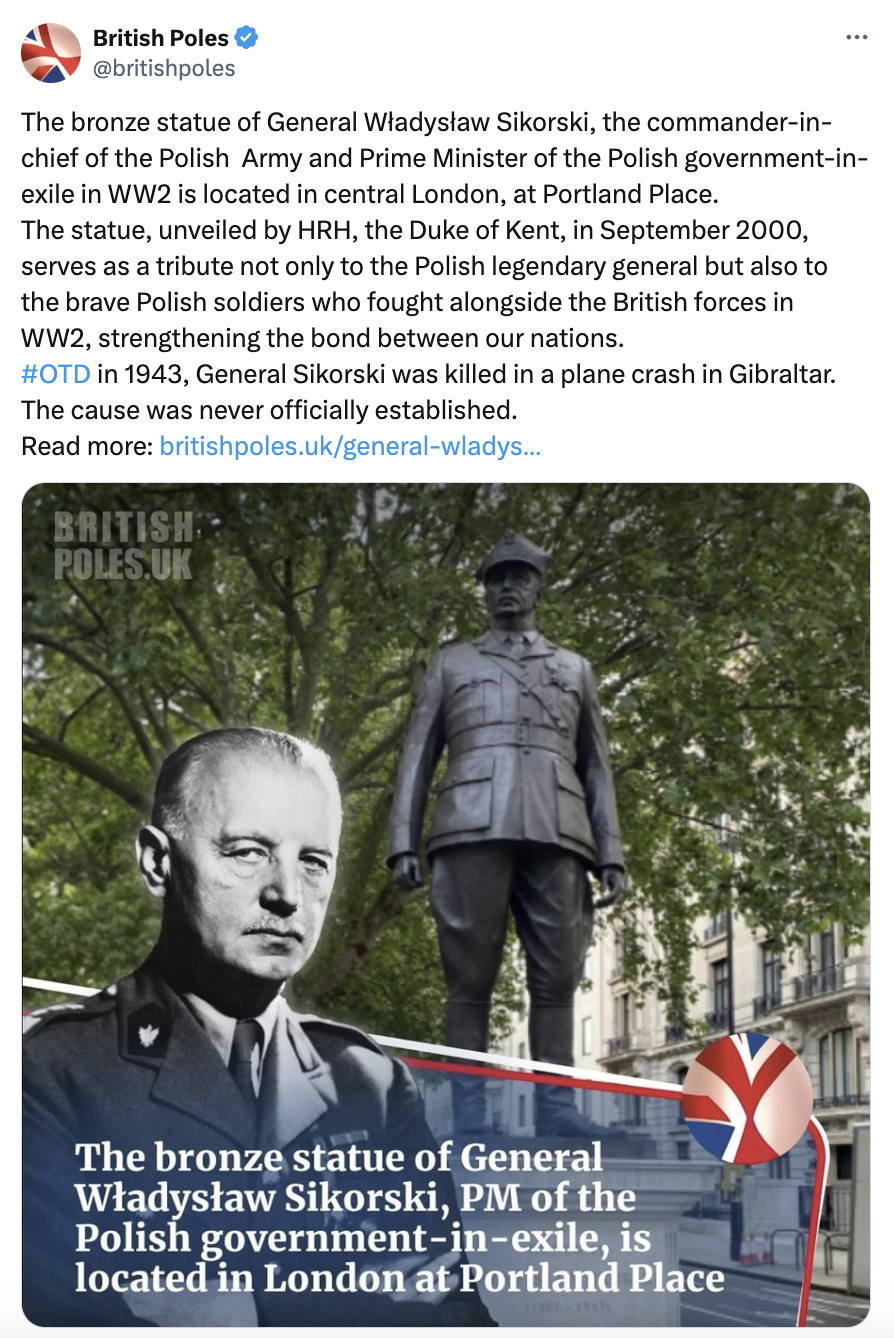
Gen Sikorski remains a symbol of Polish resistance and dignity during the country’s fight in the II World War.
Photo: x/@15th_BS_Wilkow
Tomasz Modrzejewski