After a drop of 2.5% in 2020 during the Covid crisis, Poland’s GDP has just experienced two years of growth which demonstrate the overall vitality of the country’s economy.
While GDP growth fluctuated between 1.4% and 5.4%, with an average of 3.5%, between 2012 and 2019, the sudden drop caused by the covid measures was immediately followed by a post-rebound (6.8%) in 2021 – the strongest since 2007 – which continued in 2022, with the growth at 4.9%.
https://twitter.com/PremierRP_en/status/1623293448617951240?s=20
Nevertheless, this favourable trend is not likely to continue in 2023, for which growth is expected to be less than 1%, because, according to Bank Millennium, „high inflation exceeding the growth of nominal wages, as well as a restrictive monetary policy, will drastically reduce domestic demand, especially private consumption”.
This sharp slowdown in consumer spending is mainly due to inflation accentuated by the war in Ukraine, European sanctions and the consecutive rate hikes by the National Bank of Poland. The Central Bank’s head Adam Glapiński estimates that the Polish economy will suffer a brief recession in the first quarter of 2023.
https://twitter.com/StateOfPoland/status/1619689750398644227?s=20
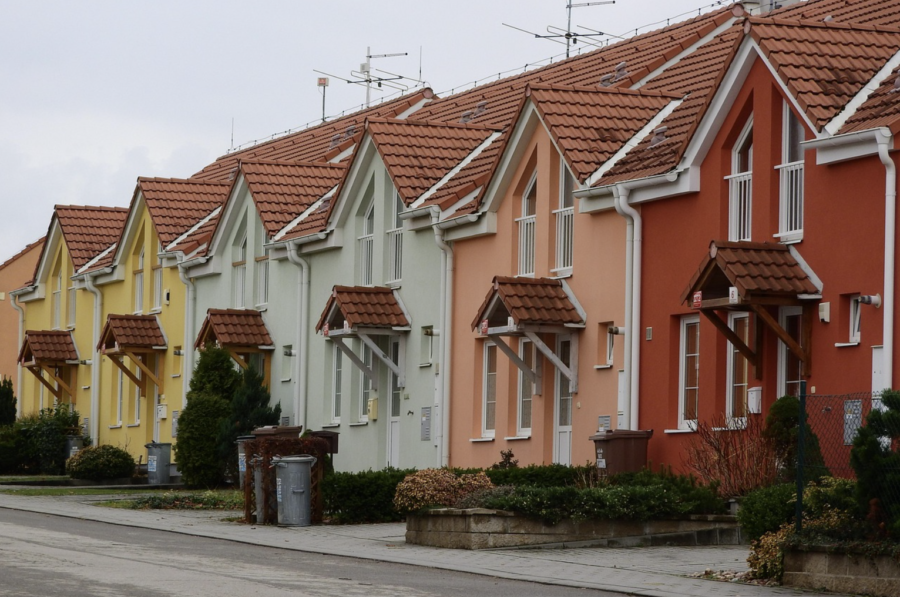
In fact, Poland has handled the Covid-19 economic crisis better than its neighbours. The Czech Republic, for example, suffered a drop in its GDP by 5.5% in 2020 and recorded a growth of 3.5% in 2021 and 2.5% in 2022, which means that its 2022 GDP has barely increased.
Image: Unsplash/BP
Author: Sébastien Meuwissen