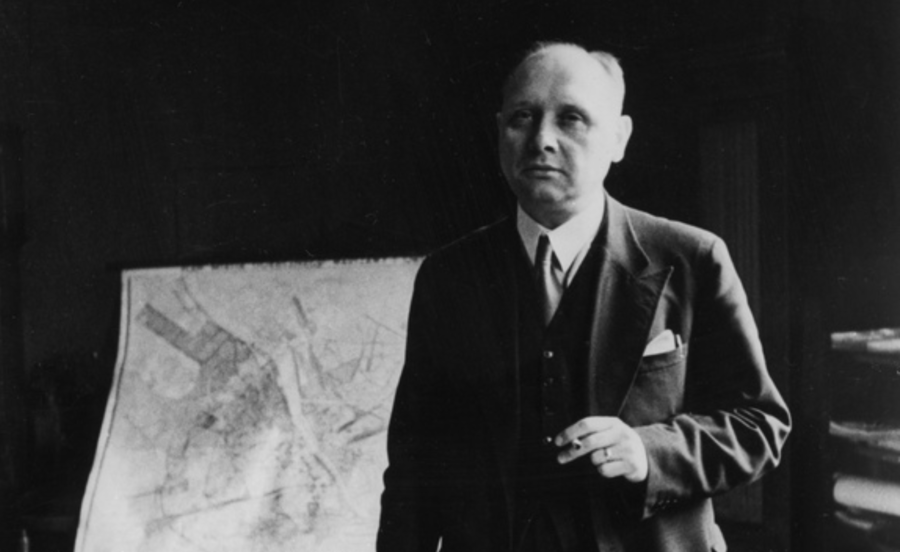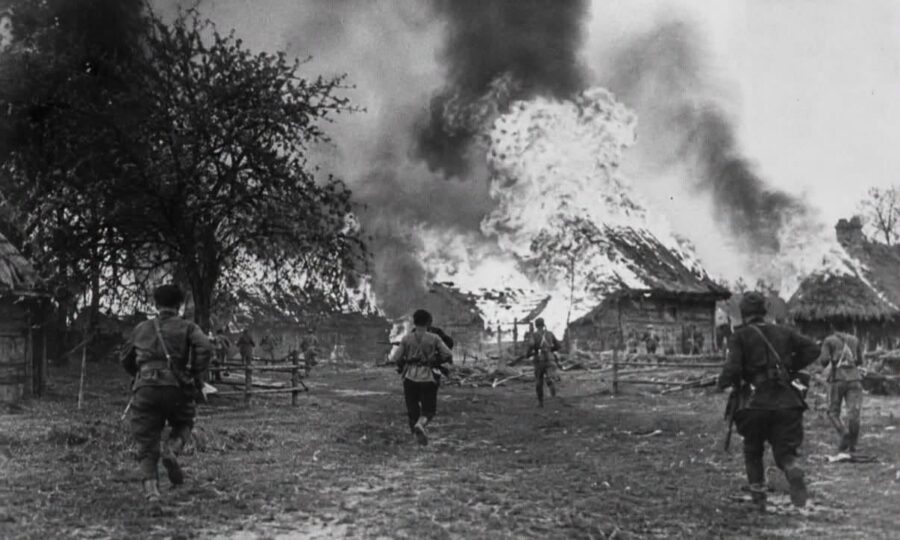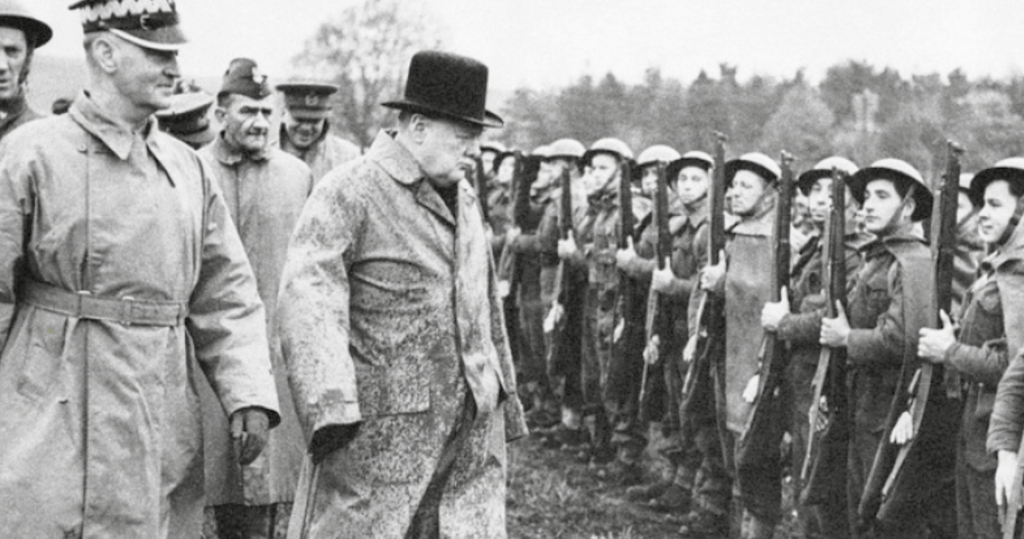
On 5 August 1940 in London, the Prime Minister of the Polish government-in-exile, General Władysław Sikorski, and the Prime Minister of Great Britain, Winston Churchill, signed a Polish-British military agreement, which created ground for Polish units to be formed, operate and fight with the Germans.
The agreement described the relations between the United Kingdom and Polish land forces, navy and airforce that operated in Britain. The most important part of the agreement was that it was the Polish government that paid to maintain these troops in the form of debt. That debt was finally cancelled by Britain just after the end of the war.
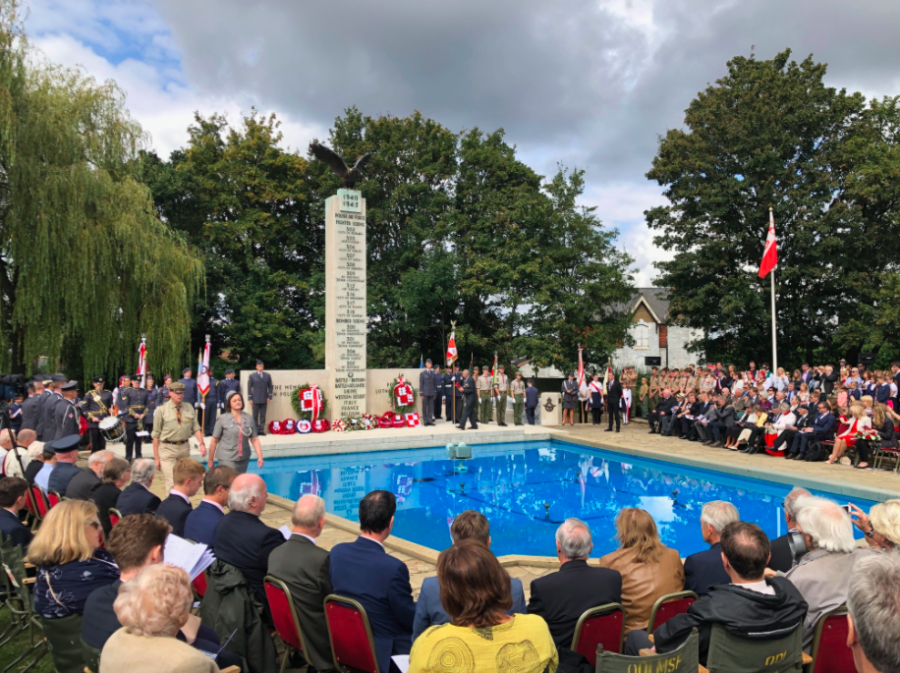
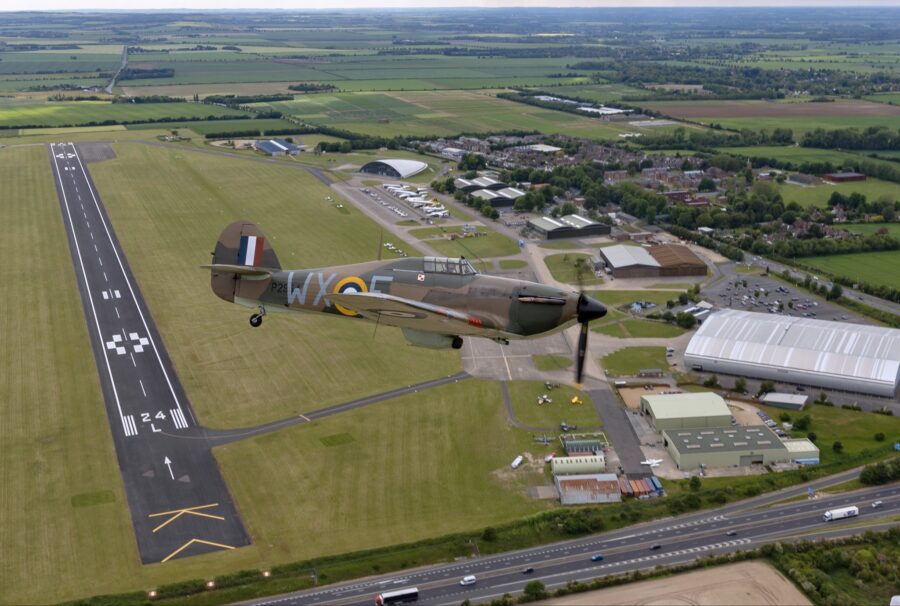
Under the agreement, the Polish Air Force was obliged to follow the RAF’s orders and work under its rules. Polish pilots were to be subject to British military courts. That changed in 1944, when, under a royal decree, the trial of Polish pilots was transferred to the jurisdiction of Polish military courts, and each transfer of such a case required the consent of the RAF superior.
The part dedicated to the integration of Polish airmen into the British forces was crucial as the UK was struggling with recruiting pilots during the 2 World War, especially the battle of Britain.
Under the August aviation agreement, the expenses for maintaining the PSP were to be borne by the British Government and were treated as a loan to the Government in Exile. Ultimately, however, the repayment of war debts was cancelled due to the United States entering the war and legislation initiated by the British-American agreement called the Lend-Lease Act.
Another important part of the Polish military effort was coordinated under the maritime agreement, the framework of which was set by the agreement signed on June 18, 1939. Under the document, the Polish Navy was to use the British base in Plymouth.
Throughout World War II, naval operations were considered an important element of the Polish military contribution. The fleet played a special role at a time when the fate of the war was hanging in the balance. At that time, one of the most important tasks of Polish ships was to protect convoys hunted by German U-boats. Polish ships escorted a total of 787 sea convoys. They have recorded 8 confirmed and 5 probable sinkings, as well as 11 confirmed and 18 probable damages to enemy ships.
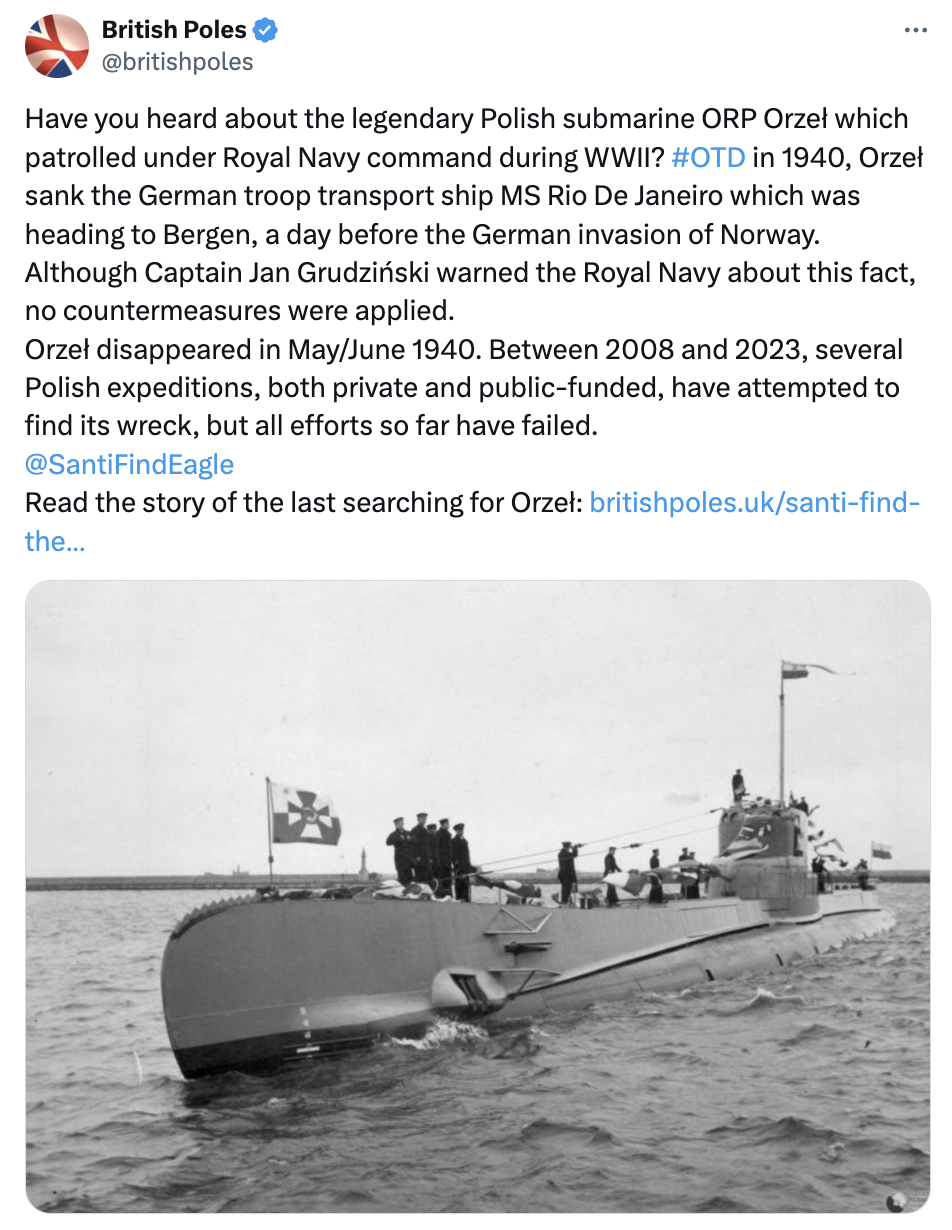
To this day historians discuss the fate of the missing submarine ORP „Orzeł”. On the evening of May 23, 1940, the vessel sailed on another patrol to the North Sea. It never returned from his mission. Polish scientists are searching for the remains of the submarine to this day.
As a result of the agreement, the Polish Armed Forces obtained the same legal status as other fighting units of the British Commonwealth.
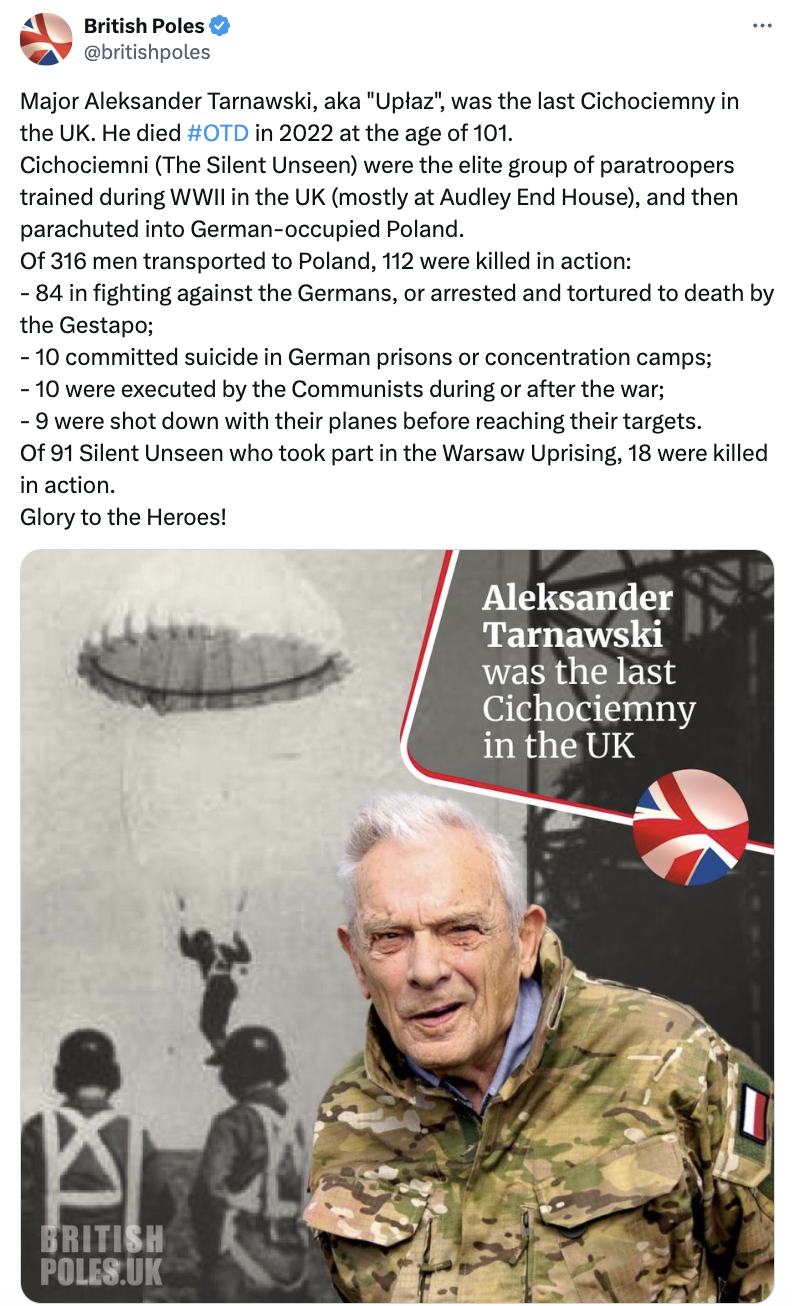
The most spectacular part of the Polish-British military cooperation was the training program and the airlift of carefully selected and trained soldiers, the so-called Silent Unseen (Cichociemni), to the country. Those soldiers were among the most prominent in the Home Army and later in the post-war anti-communist resistance movements.
Tomasz Modrzejewski
Photo: IPN