The Polish 2nd Corps was officially formed in Iraq on 21st July 1943 as part of the British 8th Army and was then transferred to Italy where it was fighting to break the Gustav Line. But before its soldiers, brave Polish men and women were able to enlist, they had to escape the lion’s den of the Soviet Union which was not eager to set them free of the Gulag system.
The grounds to establish the 2nd Polish Core were founded by the Sikorski-Majski treaty concluded between Poland’s Government in Exile operating from London and the Soviet Union. The pact was criticised by wide circles of Polish emigration as one that was not securing Polish geopolitical interests in the East – namely the Polish eastern border of the pre-September 1939 period. However, the agreement allowed releasing Polish citizens who were illegally imprisoned in gulags across the Soviet Union. The pact was finally signed on 30 June 1941.
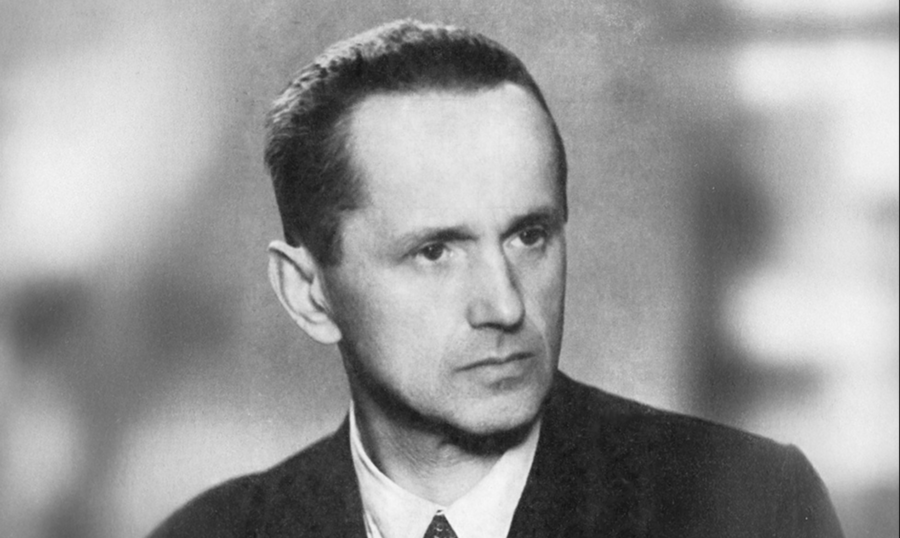
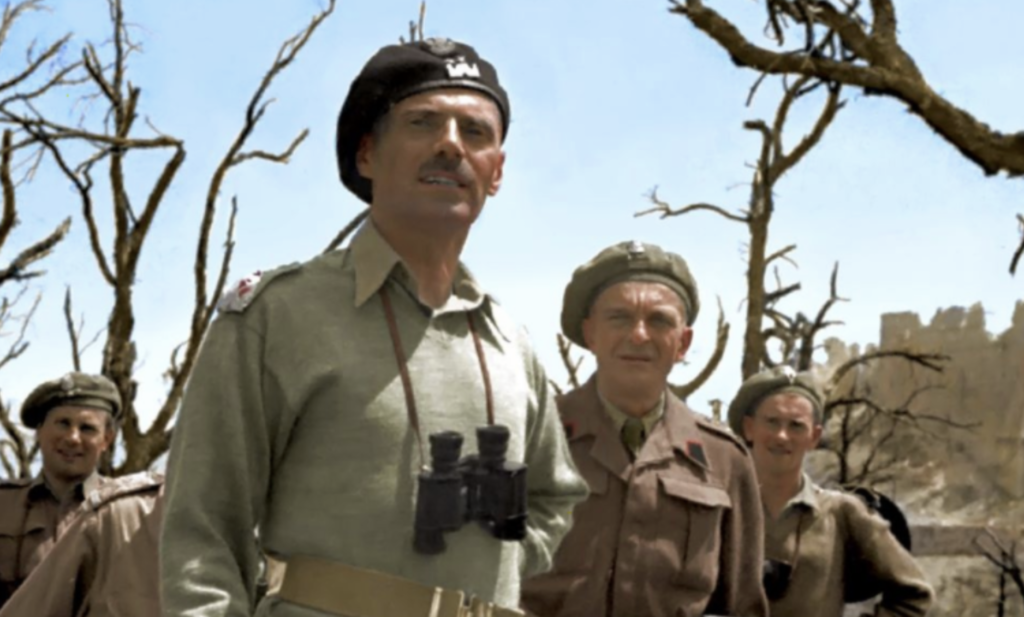
The so-called “amnesty” of the innocent Polish civilians trapped in the Soviet Union started on 21 August 1941 and allowed Polish citizens to travel to the integration points where the Polish army was being formed under the supervision of the Soviets. However the Soviets agreed to the process, they also regularly breached the agreement by hampering the movement of Poles and providing insufficient supply of food, weapons and clothes to the forming army. In such circumstances, the Polish Armed Forces in the East were formed under the command of one of the most important Polish heroes – General Władysław Anders.
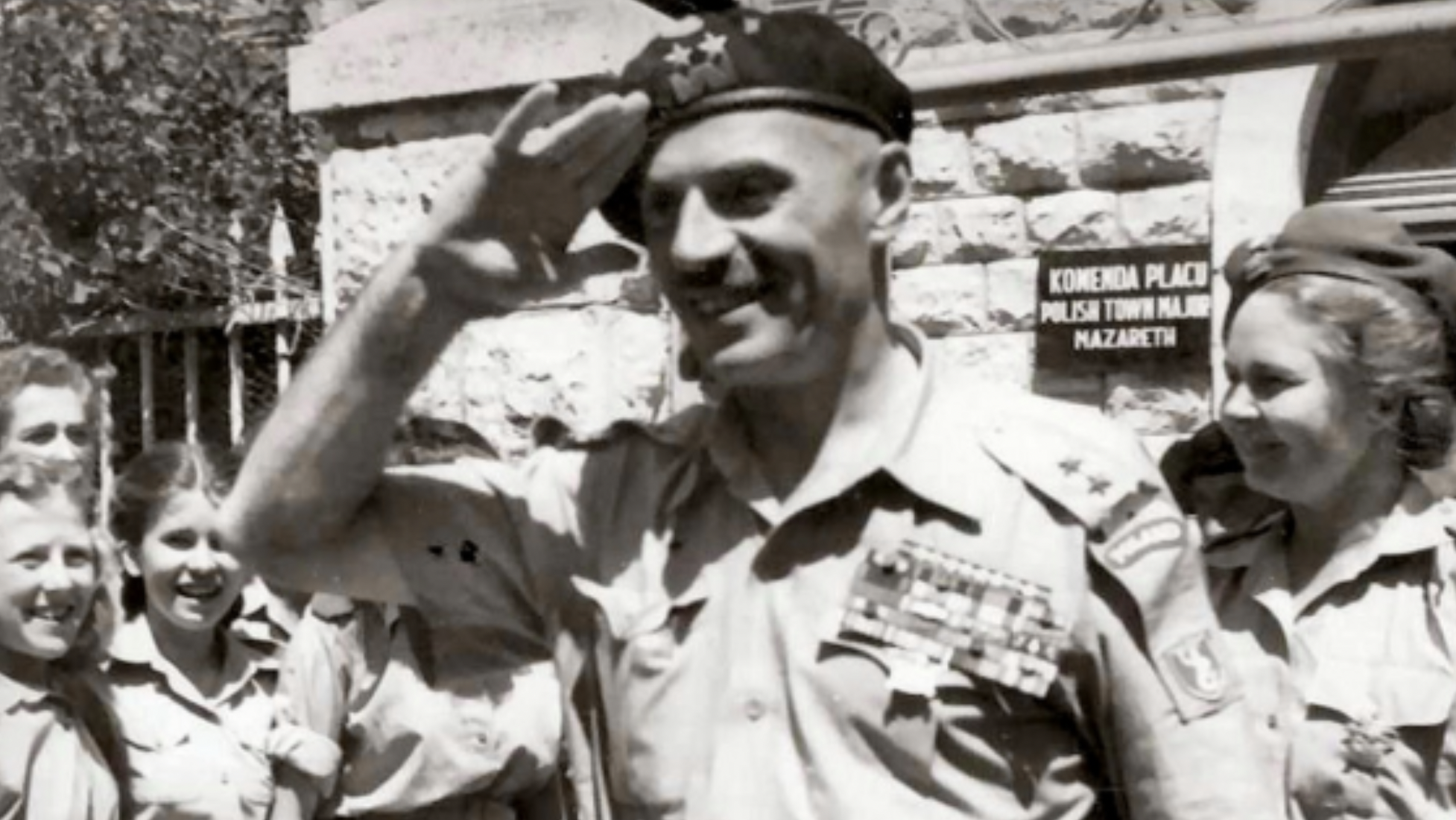
General Anders took up his duties as commander of the Polish Army in the USSR on 18 August 1941. The state of the army was set at 30,000 men. The army’s formation continued after it moved deep into the so-called Asian Republics of the Soviet Union. As a result of other developments the Polish army together with massive groups of civilians, including women and children were evacuated to British-controlled Iran. More than 43,000 soldiers and around 25,000 civilians set off with General Władysław Anders across the Caspian Sea to Iran during one of the evacuation waves. The army then crossed to Iraq when on the 21 July 1943 it was accepted as part of the British Armed Forces.
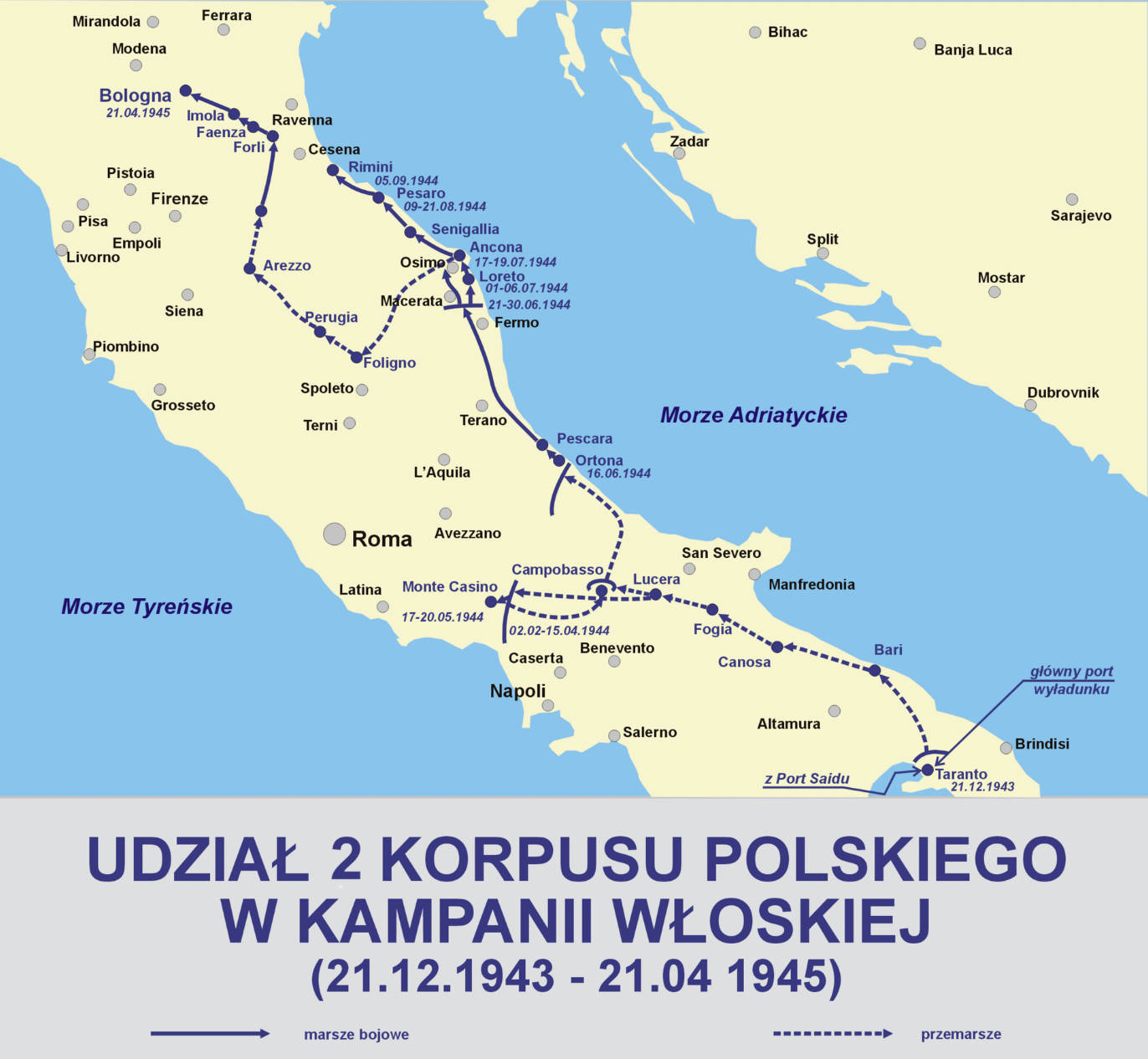
The 2nd Polish Corps consisted of two infantry divisions, an armoured brigade and auxiliary units. In the summer of 1943, the decision was taken to redeploy the army to Palestine, and in November to Egypt. In late 1943 and early 1944, the Corps was transported to Italy, where it became part of the 8th British Army.
An interesting fact from the time spent in the Middle East was the allowed transfer of the group of Jewish officers of the 2nd Corps who wanted to join various paramilitary groups fighting for the establishment of the state of Israel.
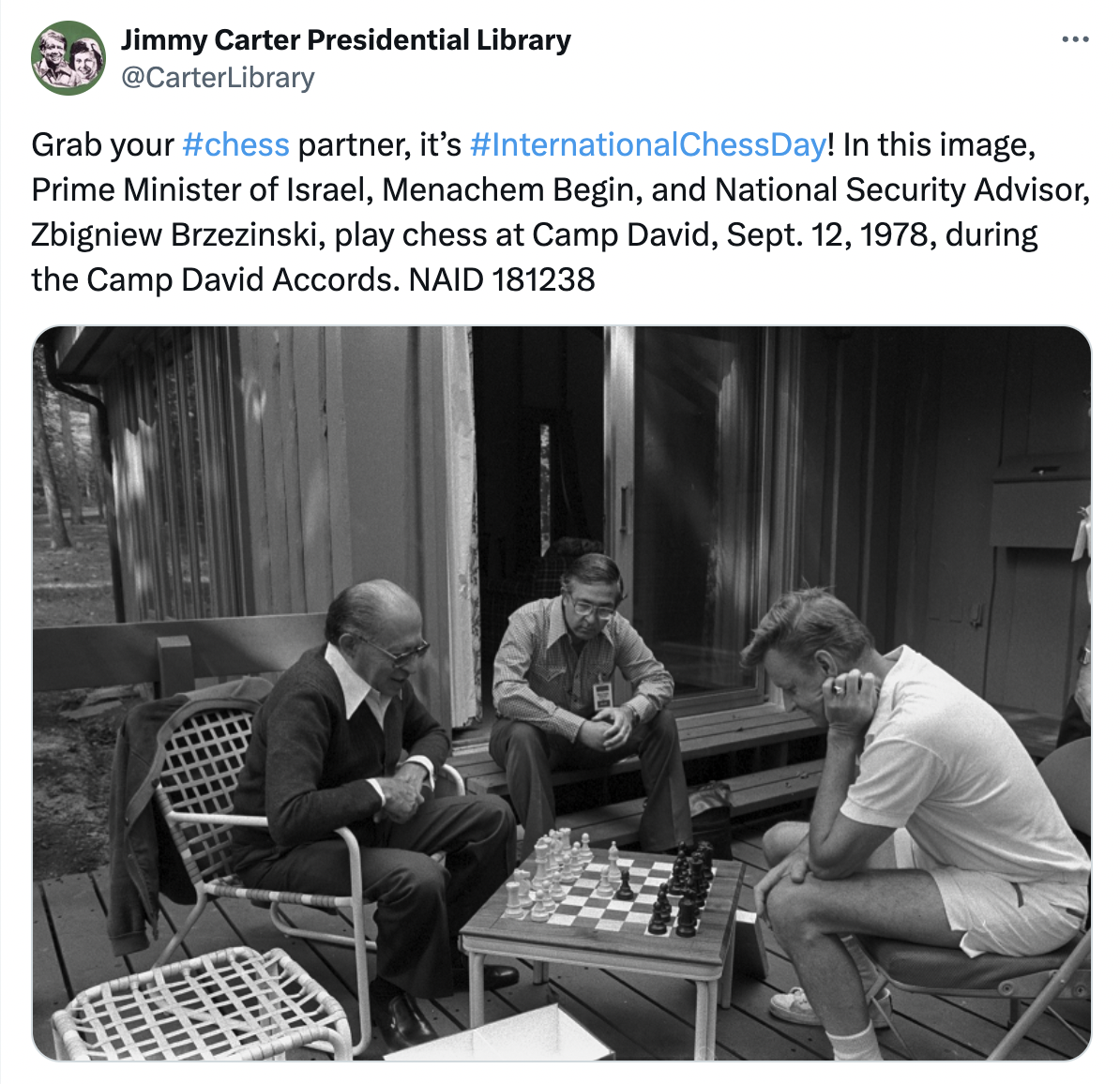
Among those officers was the recipient of the Nobel Peace Prize (1978, together with Egypt’s leader, Anwar Sadat), Menahem Begin, a former student of the pre-war Warsaw University law school, member and leader of the radical zionist group “Betar” in Poland and later the Prime Minister of Israel responsible for concluding the Camp David Accords with Egypt.
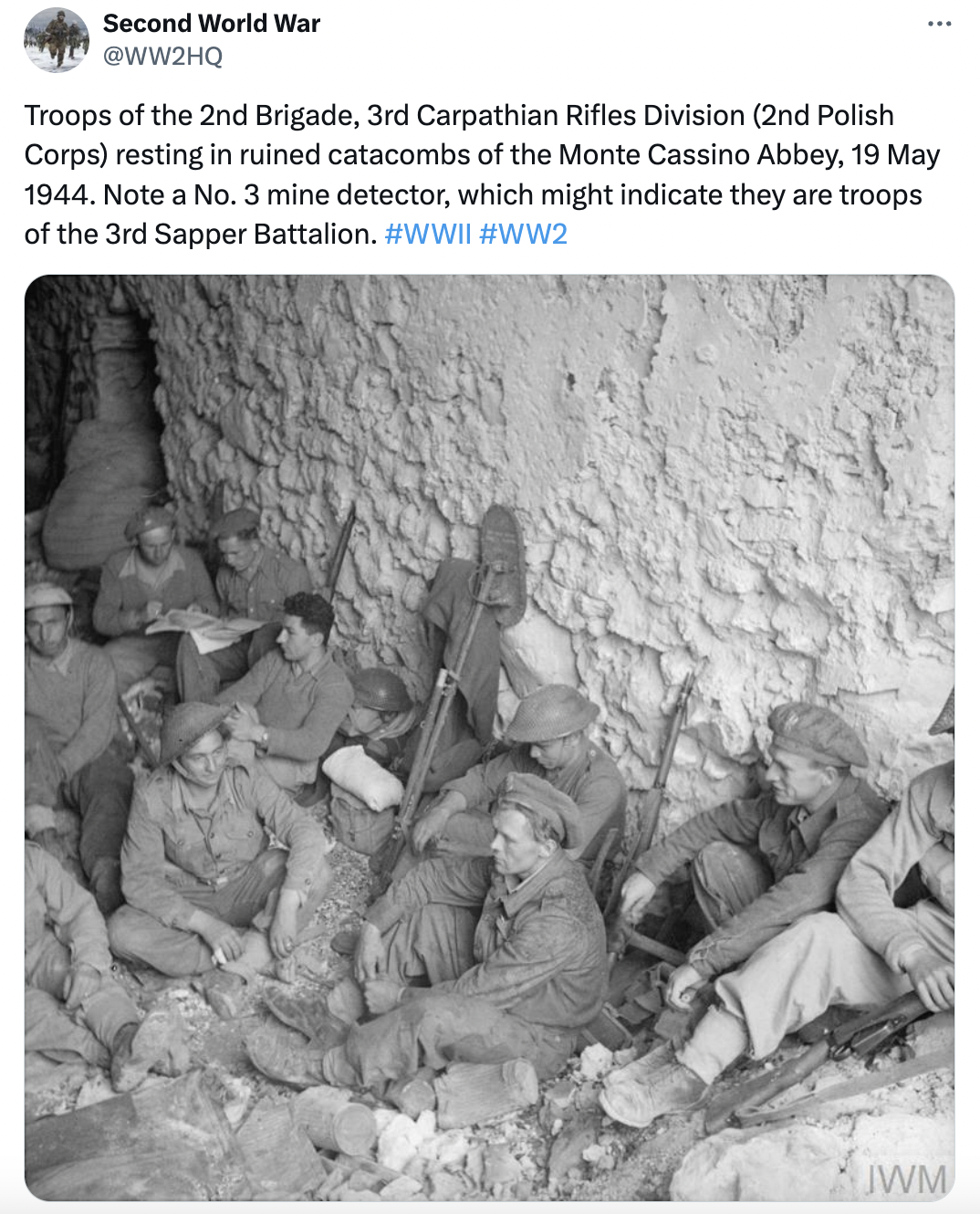
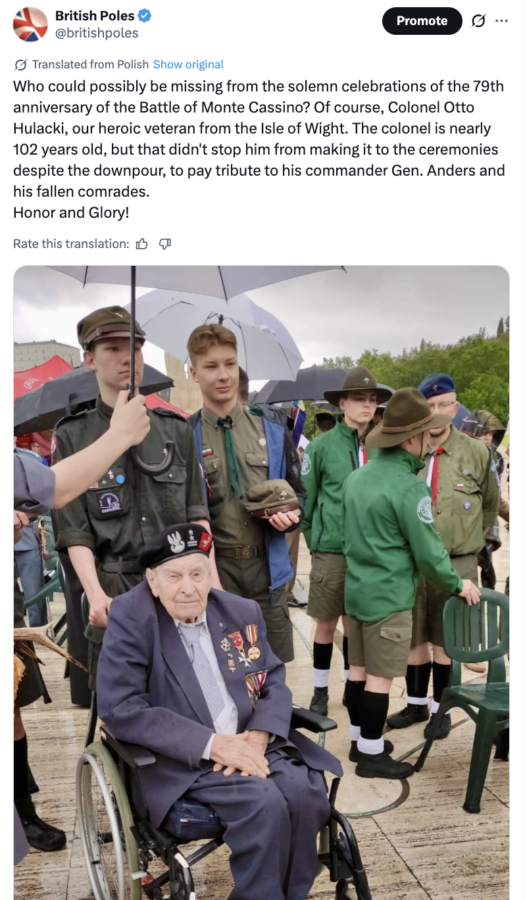
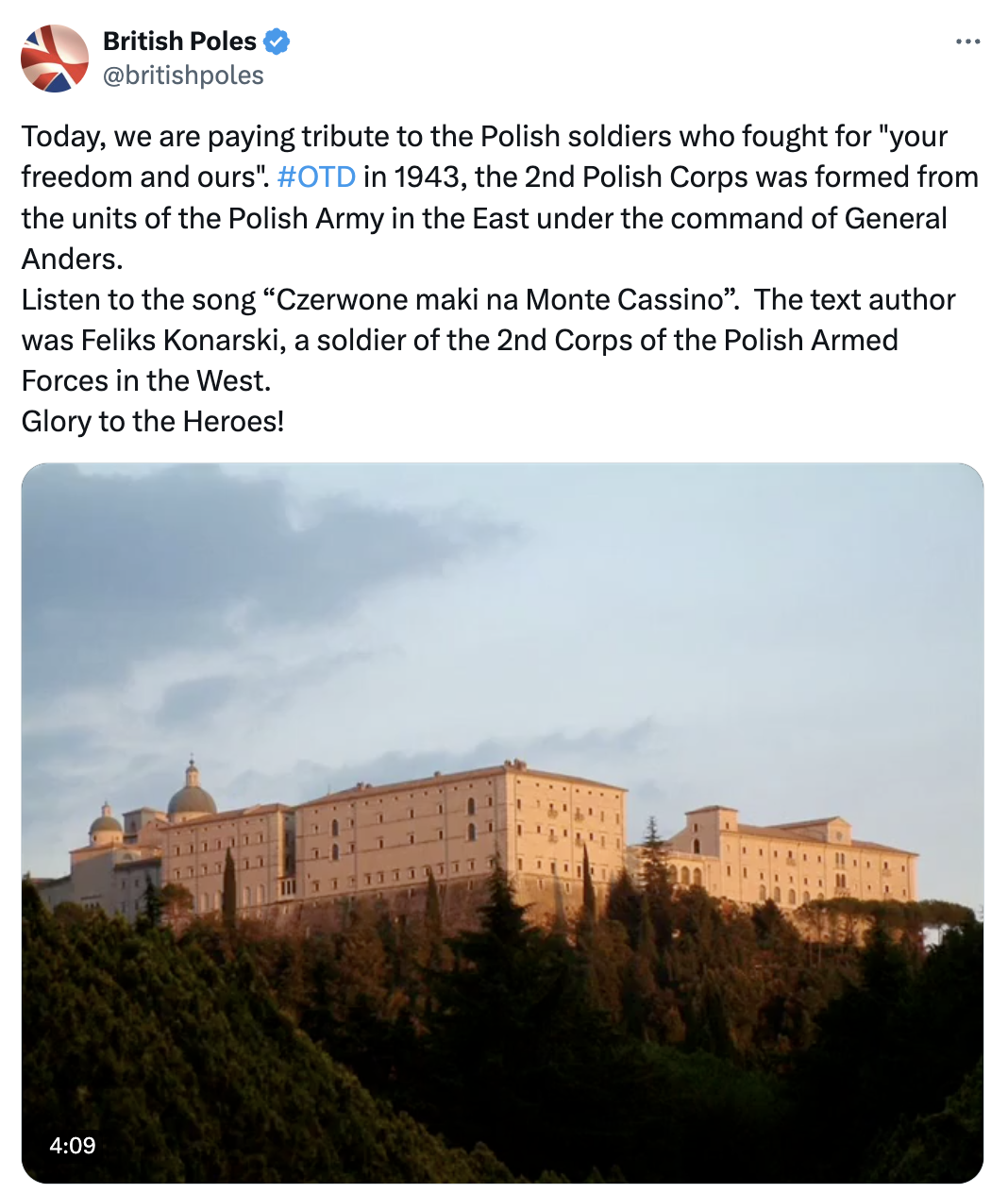
In Italy, the Polish Armed Forces for the first time operated as an independent unit. Soon the soldiers of the Corps had to face their most difficult task of conquering the hills of Monte Cassino. On 18 May 1944, after six days of fierce battle, the Polish flag was raised on the ruins of the Cassino Monastery. At high noon after the battle, a platoon sergeant Emil Czech played the famous Mariacki bugle call – a symbol of the Polish cultural capital of Cracow, played from the city’s most important church every noon – announcing the Polish victory in that land. Another symbol of the victory was the famous song, Czerwone maki, describing the soldier’s efforts and suffering in the bloody battle that took 923 Polish lives.
The 2nd Polish Corps then captured the Adriatic port of Ancona and participated in the breaking of the Line of Goths and the battles in the Emilian Apennines. It crowned its combat route with the capture of Bologna.
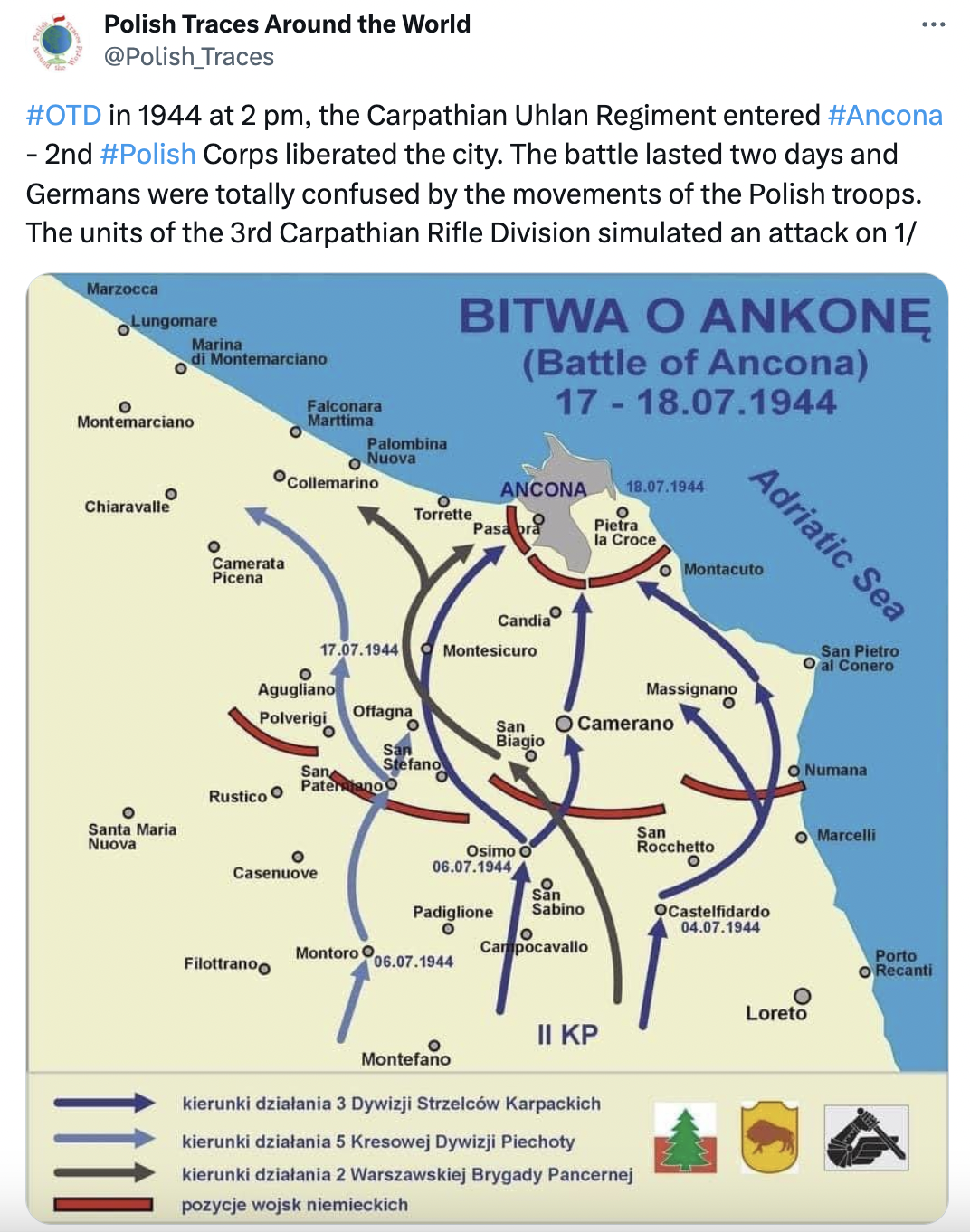
The war effort of the 2nd Corps was important for the Allied campaign in Italy, especially during the battle of Cassino and the capturing of the Adriatic ports. Polish units suffered many losses but were appreciated by their English and American colleagues for bravery and endurance in their fight for a free Poland. In 1945 the 2nd Polish Corps numbered some 105,000 professional soldiers.
The 2 Polish Corps is still remembered as the substitute for Polish freedom during the trying times of the 2nd World War and the German occupation of Poland. Truly, in many examples, General Anders was compared to Moses who liberated some 120,000 Poles from the inhumane lands of the Soviet Union and had them cross the borders of the Middle East to reach the West.
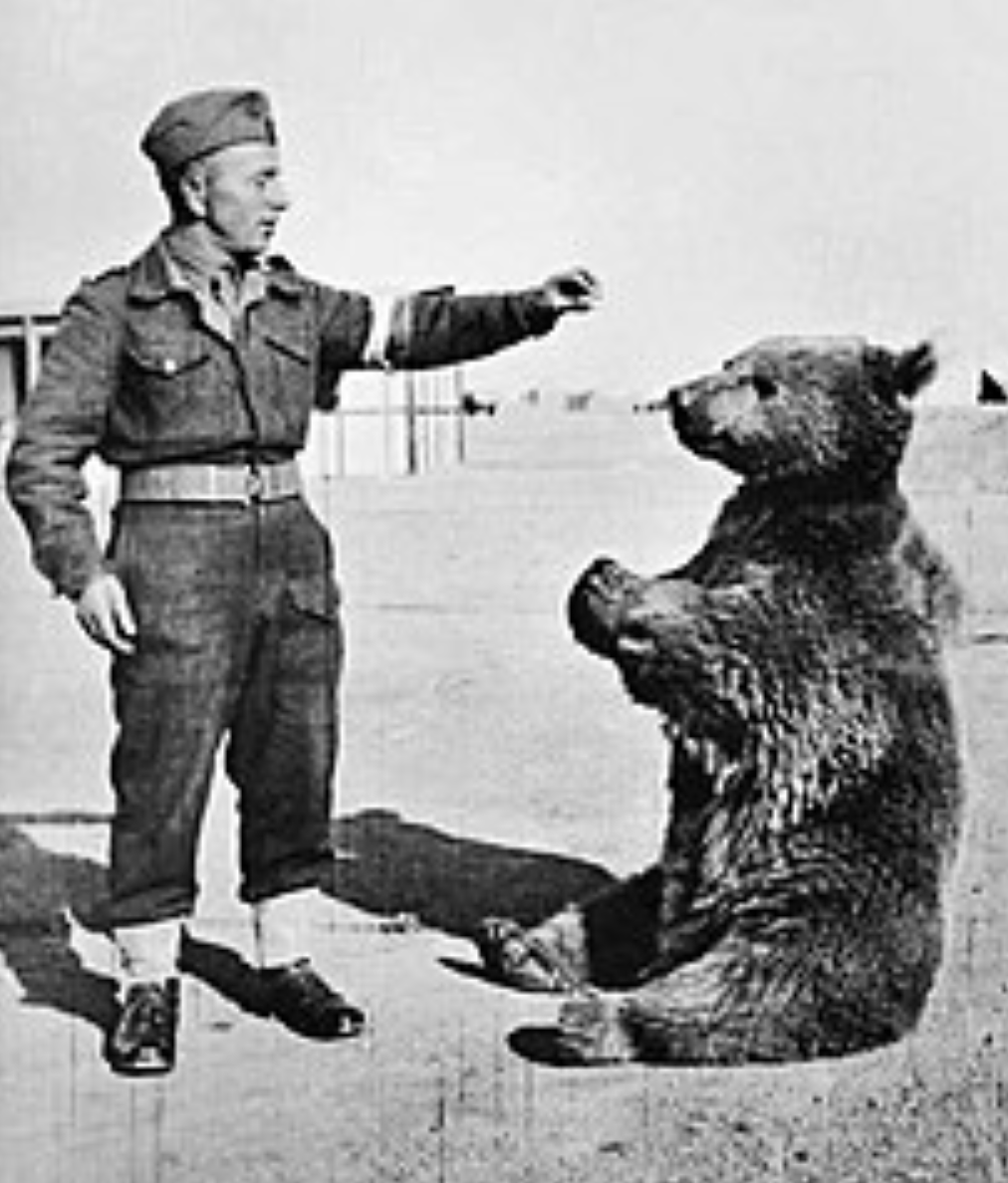
Another famous story of the Polish Corps was its symbol – bear Wojtek – a bear cub that was raised by the Polish soldiers while staying in Teheran and then assisted them on their victory path. Wojtek was known to help the soldiers, even by carrying ammunition crates in return for rations consisting of cigarettes. After the war, Wojtek was given to Edinburgh Zoo and also became known among British youth as a common guest on the BBC Blue Peter programme.
An important part of the functioning of 2 Polish Corps was its educational and cultural component which was able to provide minors with schools and theatres. The independent unit of the Corps called the Cultural Division was the foundation of the later established powerful voice for the freedom of the peoples of Central and Eastern Europe during communist rule – the so-called Kultura operating from Paris, which was first established as the Corps press and culture unit in Rome.
One of the examples of the vivid intellectual life was the publications of the Biblioteka Orła Białego (White Eagle’s Library) including contemporary international affairs papers on the situation of Poland in the post-1945 period. Among the authors of the publications was Marian Kamil Dziewanowski, who later became a university scholar at the University of Boston and other universities across the US. 19 of his works are included in the Library of the US Congress.
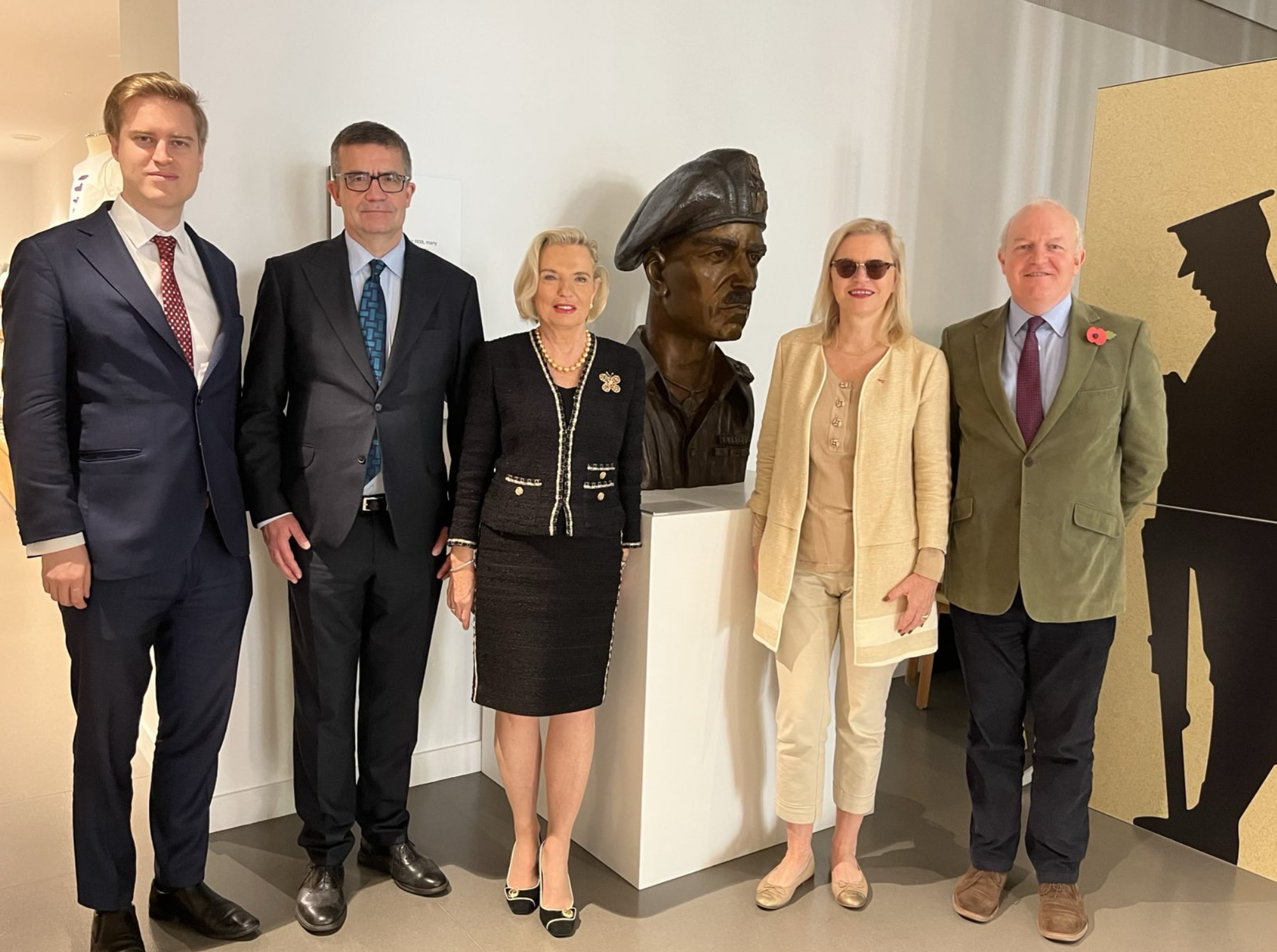
On yet another anniversary of the formation of the 2nd Polish Corps, let’s commemorate the heroes that helped to bring back Poland as an independent country, fighting across the Middle East and Europe.
Tomasz Modrzejewski
Photos: IPN, British Poles