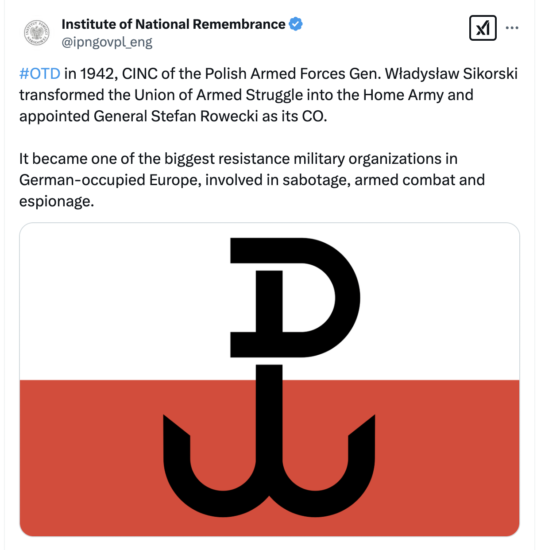
Today, Poland honours the anniversary of the establishment of the Armia Krajowa (Home Army). This principal resistance movement played a critical role in the fight against Nazi Germany during World War II. Established on February 14, 1942, the Home Army remains one of Europe’s most significant underground military organisations. This annual commemoration serves as a solemn reminder of the bravery, sacrifice, and determination of thousands of Polish fighters who risked their lives to liberate their homeland.
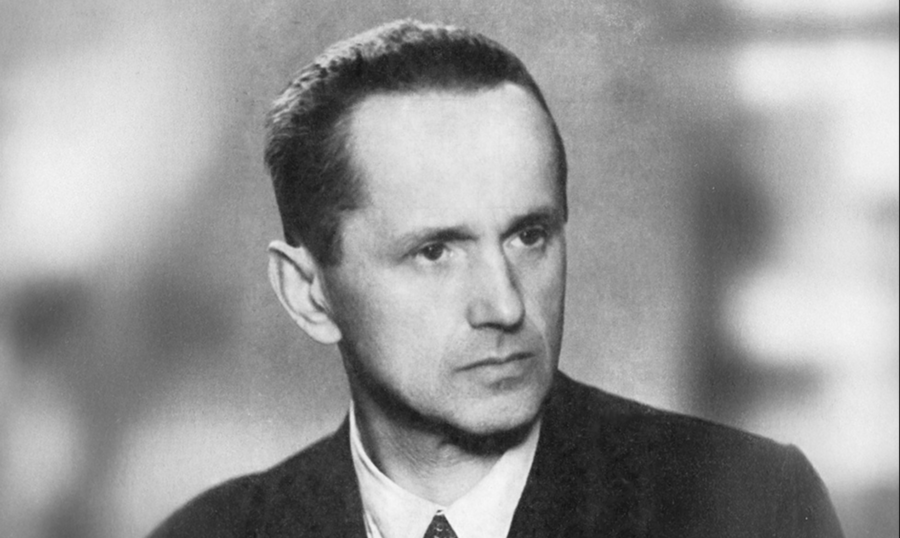
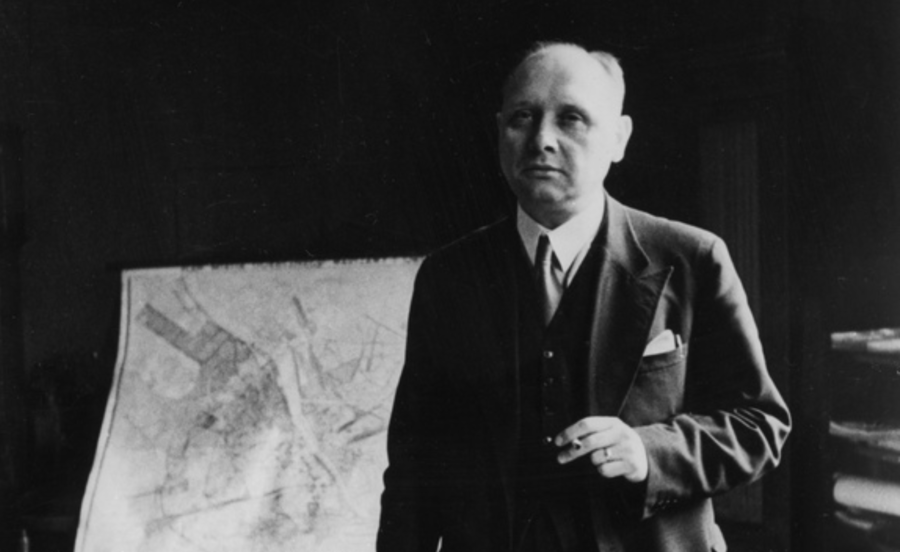
The Home Army (AK) was formed from the earlier resistance organisation, the Union of Armed Struggle (Związek Walki Zbrojnej, ZWZ), under the command of General Stefan Rowecki, known by the codename „Grot.”
It operated under the authority of the Polish government-in-exile, based in London, and coordinated its activities to undermine German occupation while preparing for the country’s eventual liberation.

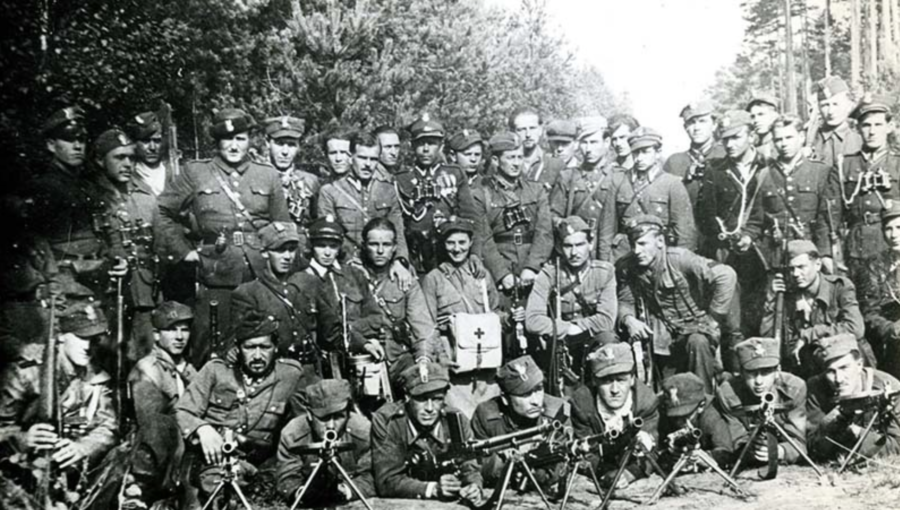
Despite its clandestine nature, the AK’s structure mirrored that of a conventional military force. Organised into regions, districts, and local cells, the army functioned with remarkable discipline. By 1944, it had amassed an estimated 400,000 members, making it one of the largest resistance movements in occupied Europe, second only to the Yugoslav communist partisan army.
The key difference between the two largest partisan formations in Europe was that the Polish Home Army operated under the democratic civil and military authorities of Poland, that functioned in London since 1940.
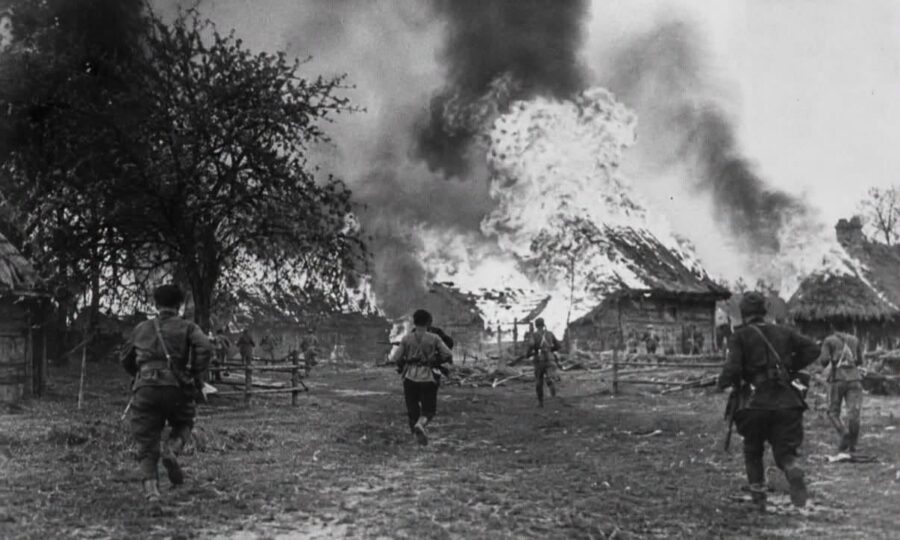
The Home Army carried out thousands of acts of sabotage, intelligence gathering, and direct combat against German forces. It played a crucial role in Operation „Niezapominajka,” a systematic effort to disrupt German supply lines, and was involved in Operation „Bürkl,” the assassination of high-ranking SS officers. One of its most ambitious undertakings was the intelligence operation that revealed key details about the German V-2 rocket program, which was later relayed to British forces.
Among the notable units of the Home Army was the Osa Kosa battalion, known for its elite sabotage and assassination missions. This unit specialised in targeting key German officials and executing daring acts of resistance, significantly disrupting enemy operations in occupied Poland. Additionally, Osa Kosa was responsible for carrying out targeted attacks in Berlin, demonstrating the reach and effectiveness of Polish resistance beyond the country’s borders.
The most defining moment for the Home Army came in the summer of 1944 with the Warsaw Uprising, a 63-day battle launched on August 1 to reclaim the Polish capital. While the AK and civilian volunteers initially achieved significant success, the uprising ultimately ended in brutal repression by German forces, with hundreds of thousands of Polish fighters and civilians killed. Warsaw was erased to the ground by the German forces. The Soviet Red Army, positioned on the eastern bank of the Vistula River, infamously refrained from aiding the insurgents, allowing the German Nazis to crush the rebellion.
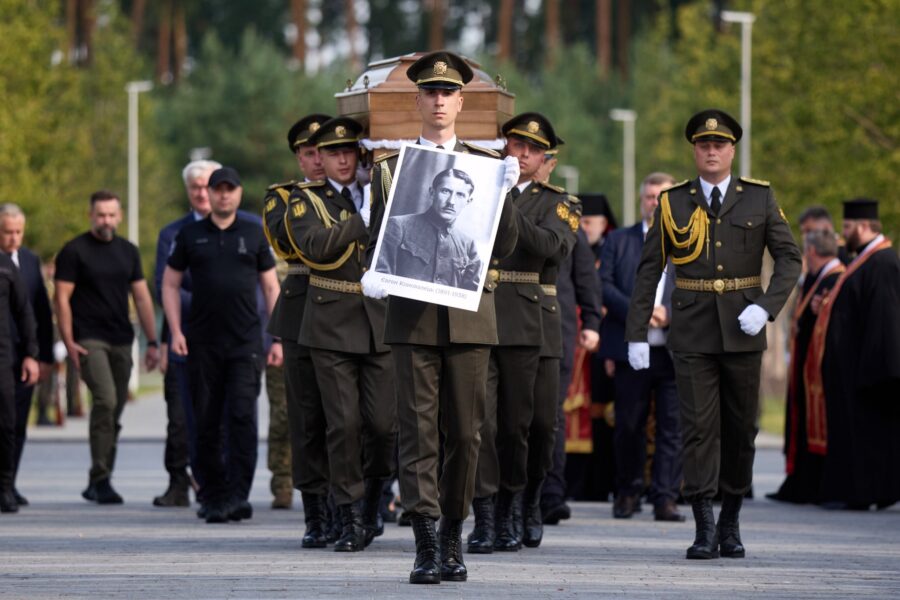
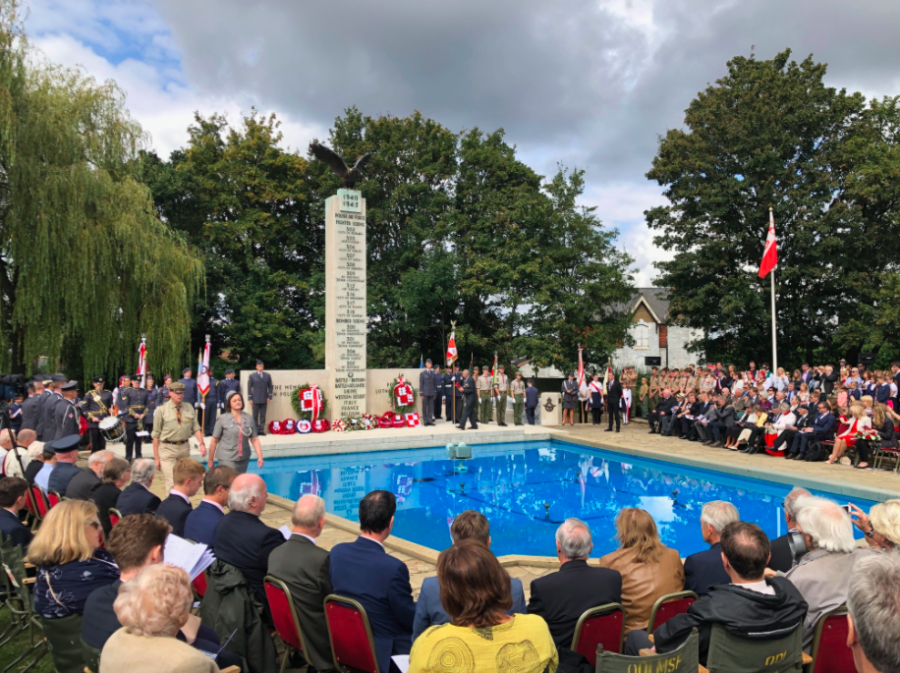
Each year, ceremonies across Poland pay tribute to the Home Army’s legacy. Veterans, historians, and government officials gather at memorial sites, including the Warsaw Uprising Museum and the Tomb of the Unknown Soldier, to honour the fallen.
In recent years, educational programs and documentaries have further highlighted the AK’s contributions, ensuring that new generations remember the sacrifices made for Poland’s freedom.
This year, Poland celebrates the creation of the AK on the first official holiday, the National Day of Remembrance for the Home Army Soldiers.
President Andrzej Duda signed a bill establishing the new holiday on 6 February 2025, after the parliament voted in favour of the act on 9 January.
Despite the passage of time, the Home Army’s heroism remains an enduring symbol of resilience. Its story serves as a powerful testament to the courage of those who fought against tyranny, shaping Poland’s historical identity and inspiring a continued commitment to national sovereignty and remembrance.
Source: IPN
Photo: @ipngovpl_eng
Tomasz Modrzejewski