Britain’s new head of MI6 has delivered a stark assessment of the security environment confronting the country, warning that modern conflict no longer has a clearly defined front line and that hostile states are increasingly willing to project instability far beyond traditional battlefields.
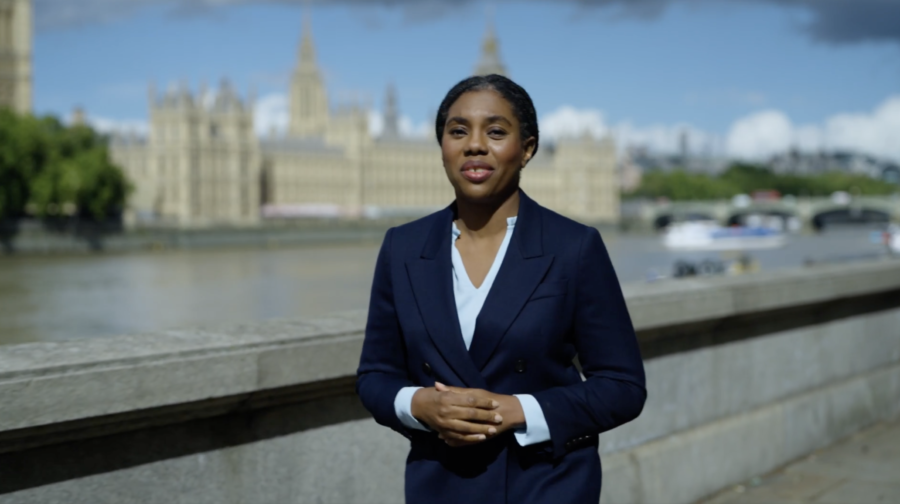
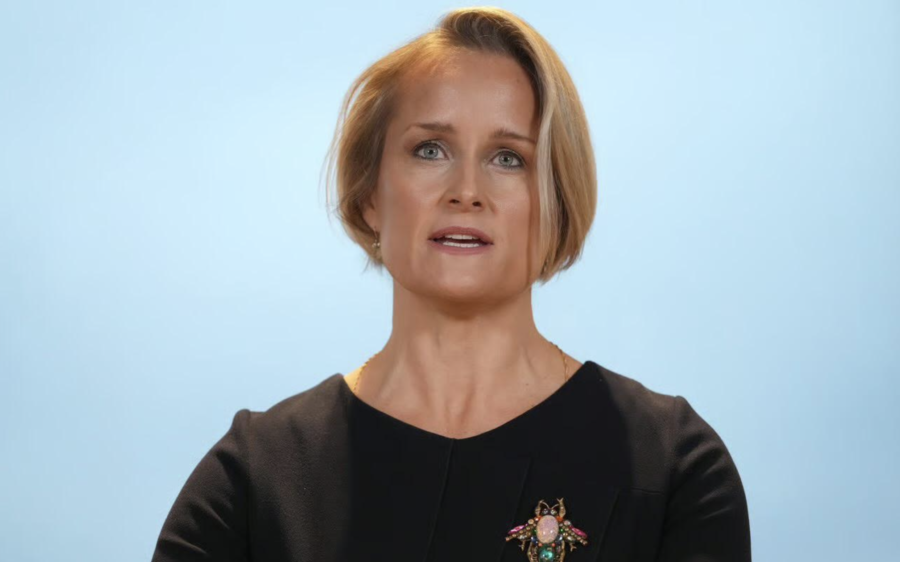
In her first public address since assuming leadership of the Secret Intelligence Service, Blaise Metreweli described Russia as an aggressive and revisionist power whose actions have reshaped the nature of international confrontation.
“Exporting chaos is a feature, not a bug, of the Russian approach to international engagement. We should be prepared for this to continue until Putin is forced to change his approach,” the head of MI6 stated.
According to Metreweli, the war against Ukraine has accelerated a broader shift in how states pursue their interests, blending military force with cyber operations, disinformation and technological pressure.

“The front line is no longer confined to distant territories,” she said, arguing that democratic societies must recognise how security threats now penetrate everyday life, from digital infrastructure to political discourse.

Metreweli made clear that the United Kingdom would continue to support Ukraine and to apply sustained pressure on Moscow. She characterised Russia’s strategy as one that deliberately spreads disruption, warning that this approach is likely to persist unless the Kremlin is compelled to rethink its course.

A central theme of her speech was the growing importance of technology in intelligence work. Metreweli emphasised that modern espionage requires officers who are as comfortable navigating code and algorithms as they are handling human sources. In her view, technological literacy is no longer a specialist skill but a core requirement across the service.
“An understanding of technology must permeate everything we do. Not only in our laboratories, but also in the field, in our tradecraft, and, crucially, in the mindset of every officer. We must feel as comfortable with lines of code as with human sources, just as fluent in Python as in many other languages,” she said.

Looking ahead, she framed the contest between states as one defined not only by access to advanced tools, but by judgment and restraint in their use.
“The key challenge of the 21st century is not simply who possesses the most powerful technologies, but who will steer them with the greatest wisdom. Our security, prosperity and humanity depend on it,” she added.
Photo: X/@alexkavtaradze_
Tomasz Modrzejewski