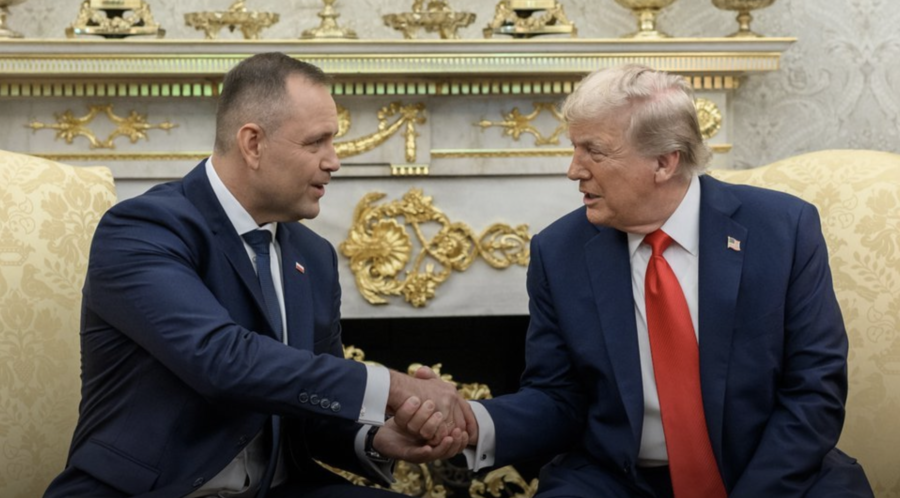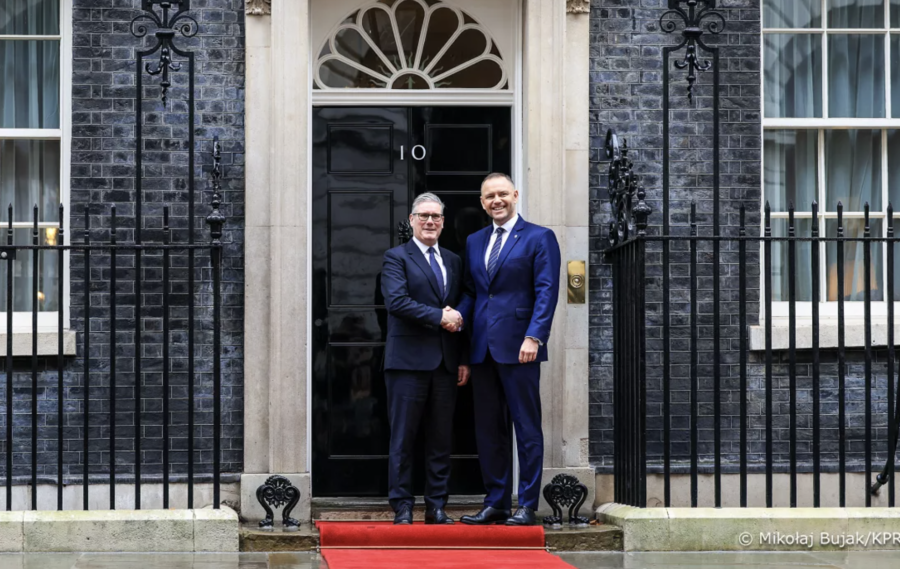
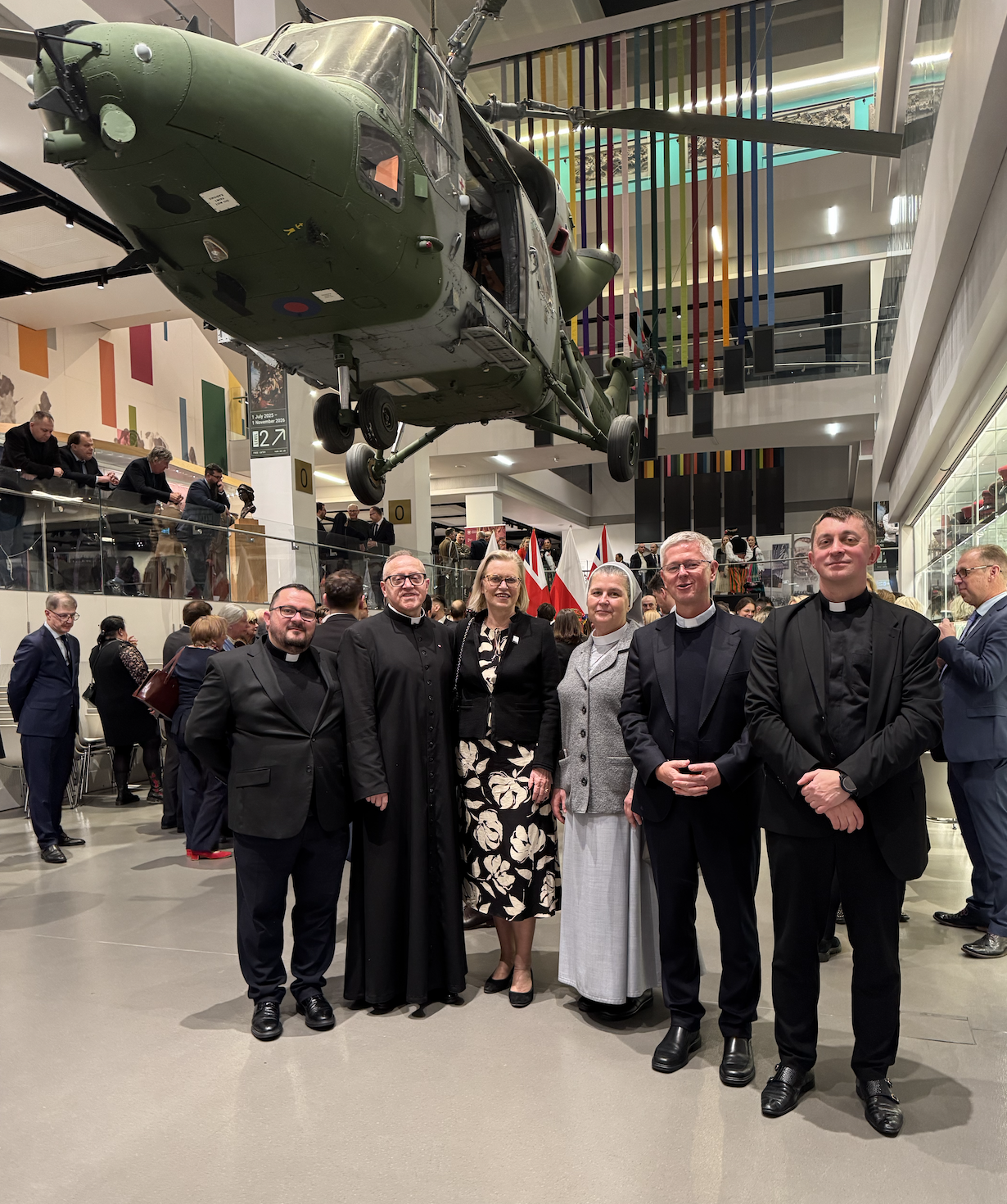
Security cooperation and defence industry links topped the agenda as Polish President Karol Nawrocki met British Prime Minister Keir Starmer in London. The talks, held at Downing Street, highlighted the growing strategic partnership between Warsaw and London amid ongoing regional security challenges. During his visit to the UK, the President also met with the Polish diaspora at the National Army Museum and awarded activists who promote Polish culture and history with state decorations.
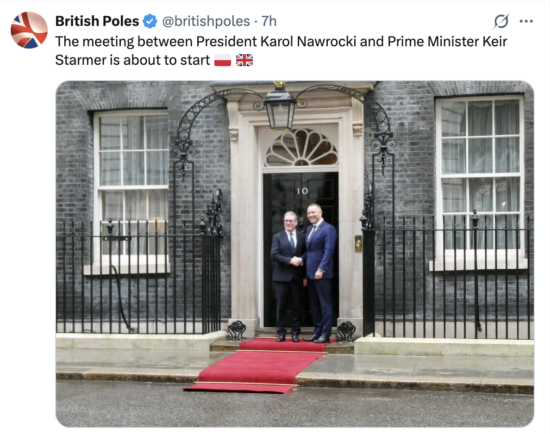
According to Nawrocki, both leaders placed particular emphasis on military cooperation, including the presence of British troops in Poland and the UK’s support following last year’s drone incidents near Poland’s borders. Discussions also focused on strengthening collaboration between the two countries’ defence industries, notably through joint projects such as Poland’s Miecznik frigate programme and the Narew air defence system.
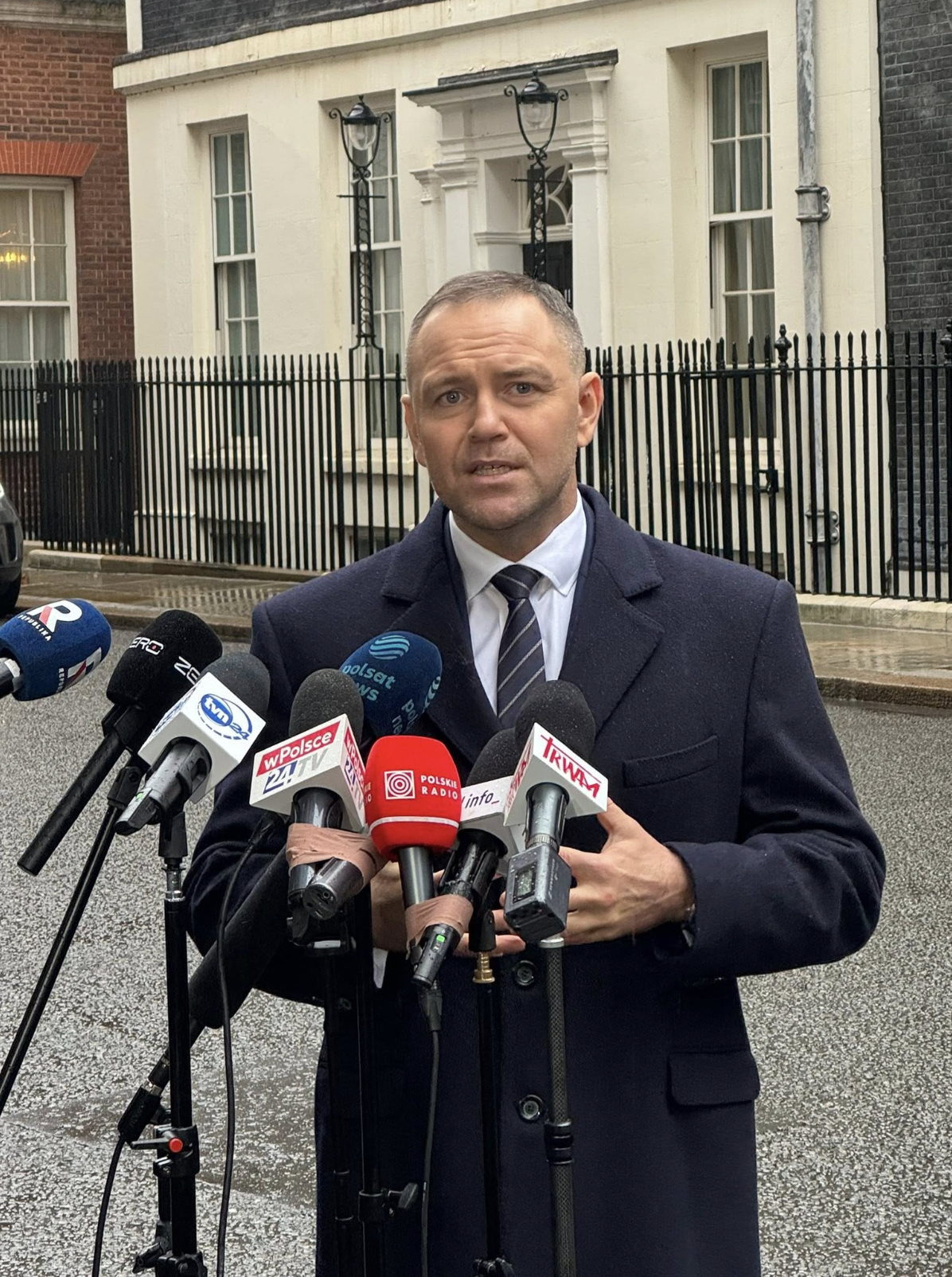
Beyond security, economic relations featured prominently, with the Polish president raising concerns important to Polish businesses operating in the UK. He pointed to the need for progress on sanitary and phytosanitary arrangements that could ease trade for Polish exporters, especially small and medium-sized enterprises.
The meeting also touched on international diplomacy, including preparations for upcoming G20 summits. Nawrocki urged the UK to acknowledge Poland’s post-1989 economic transformation when Britain assumes the G20 presidency next year.
Issues affecting the Polish diaspora were also discussed, with Nawrocki welcoming moves towards introducing Polish as a foreign language in British schools. He described the meeting as constructive and friendly, signalling continued momentum in Polish–British relations at both strategic and societal levels.
We present to you the full statement of the President after the visit with the British Prime Minister Starmer:
“We discussed military and defence cooperation between Poland and the United Kingdom. As we know, almost 150 British soldiers are currently stationed in Poland. The United Kingdom also demonstrated solidarity following the drone attacks on Poland’s borders in September last year, and this was part of our discussion.
We also talked about cooperation between the Polish defence industry and the defence industry of the United Kingdom. Today, both industries and their companies are contributing to the defence potential of the Republic of Poland, particularly through the Miecznik project, which involves the construction of frigates, as well as air defence systems. During our discussions, we also addressed the issue of the G20. Two sherpas were present at the meeting: the Polish sherpa, Minister Marcin Przydacz, and the sherpa responsible for the United Kingdom’s participation in the G20 on the British side. As we know, Poland was invited to the G20 as the world’s 20th-largest economy at the initiative of President Trump during our personal meeting.
Next year, the United Kingdom will host the G20, so I also asked the Prime Minister to recognise Poland’s major economic success since 1989, and not to forget Poland when the G20 is organised by the UK next year.
We also discussed detailed issues that are important for Polish–British relations and for Poles themselves, including agreements relating to sanitary regulations that allowed Polish small and medium-sized enterprises to operate freely in the United Kingdom. We also addressed matters important to the Polish minority in the UK. I am very pleased that the United Kingdom is moving towards introducing Polish as a foreign language in British education.
It was a very good meeting, held in a spirit of friendship between states that are, in essence, allies and friends. Thank you.”
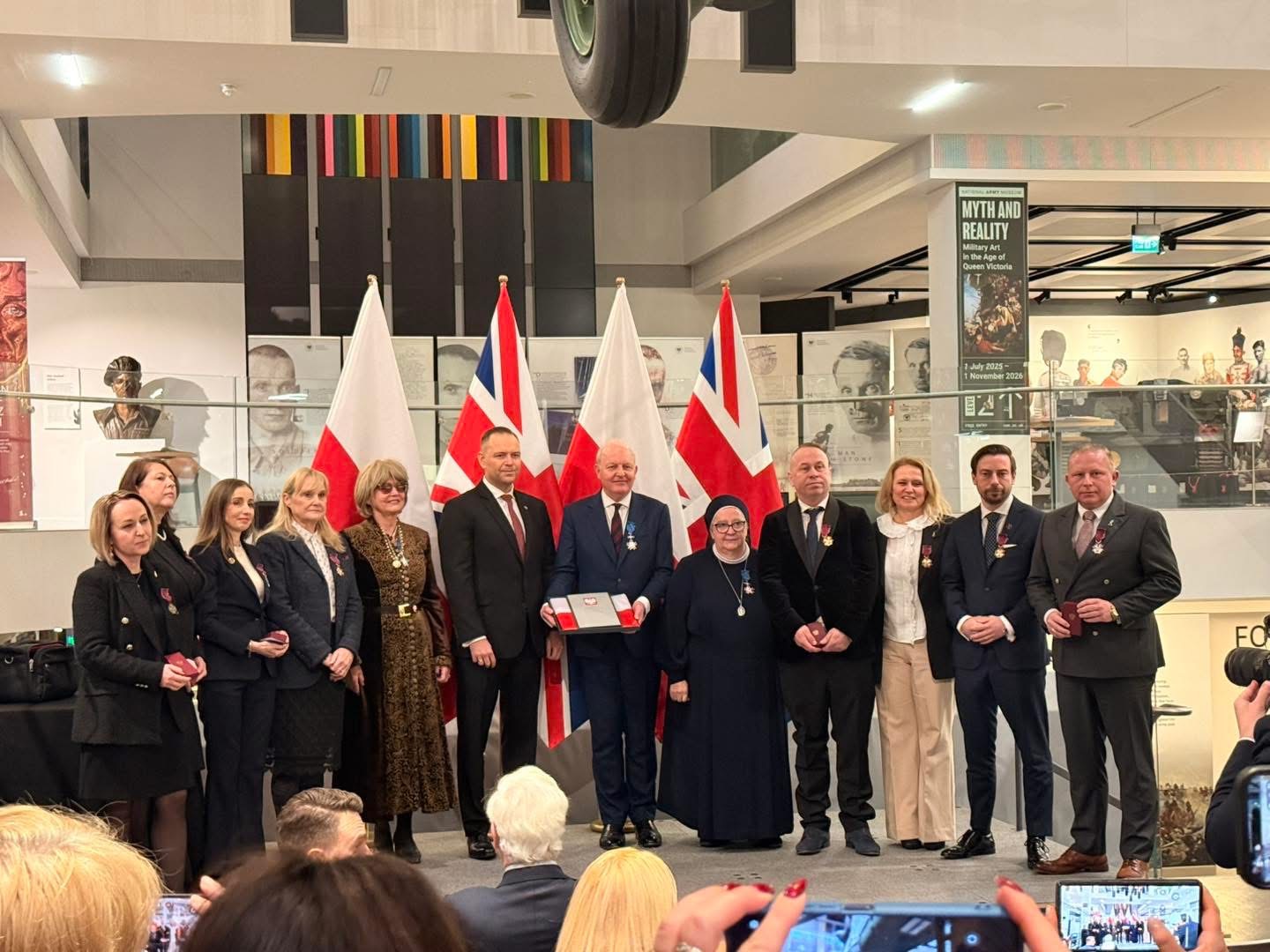
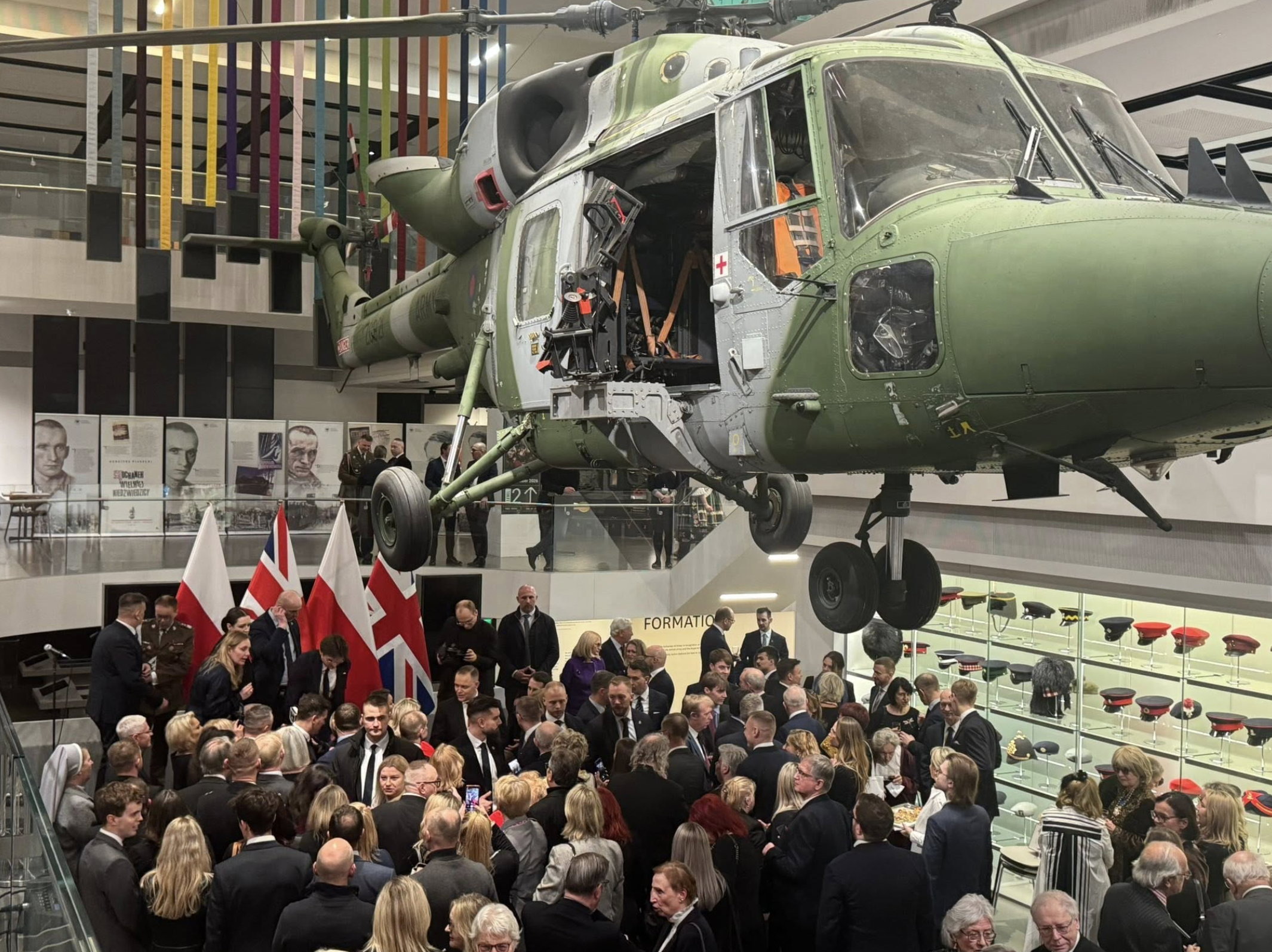
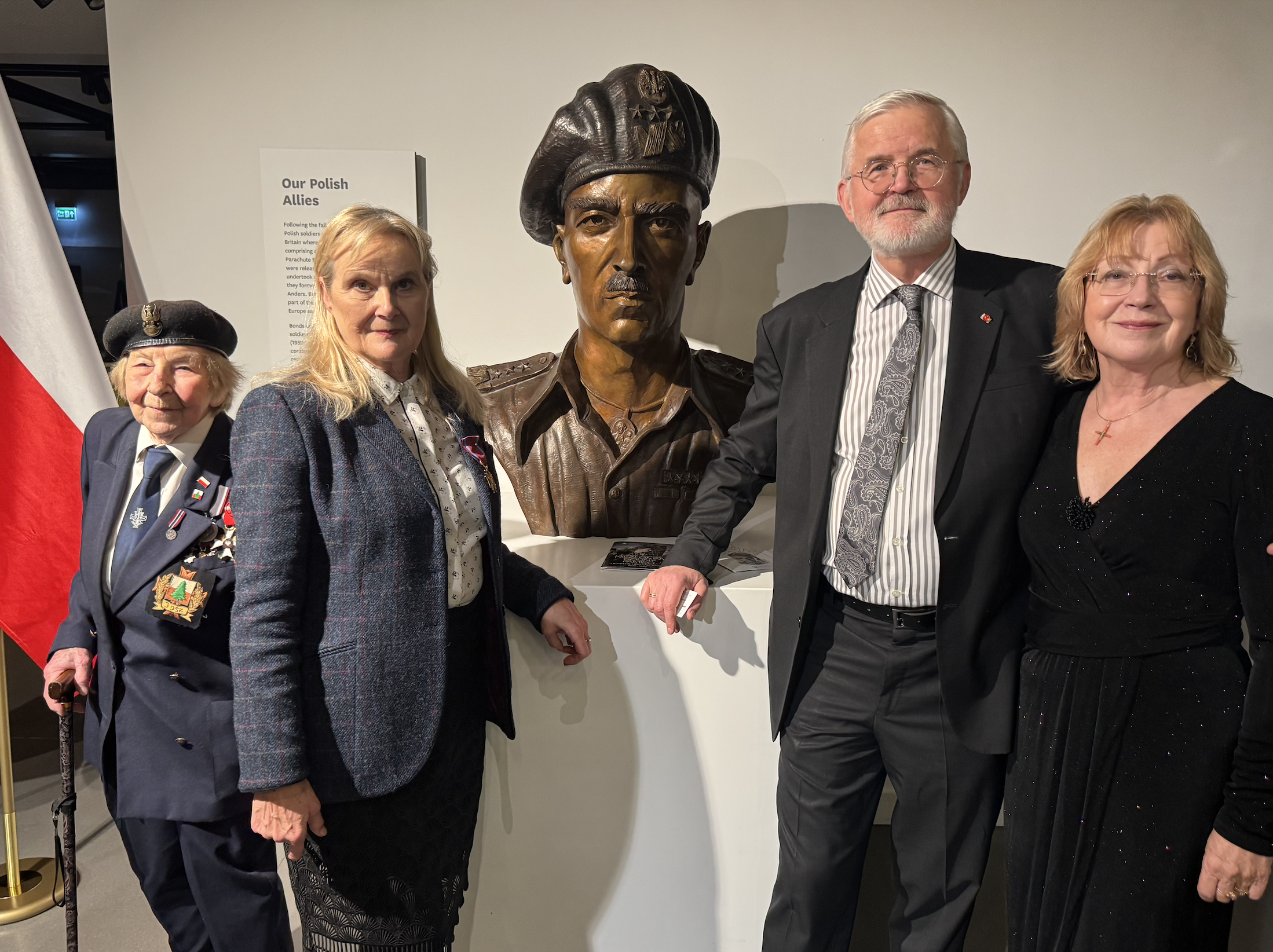
The Polish President also held a speech in the British National Army Museum.
“As Poles living in the United Kingdom, you are all aware — as the Ambassador has mentioned — that organised Polish community life in Britain dates back to the end of the 19th century, to the time when Polish Catholic Action arrived in the UK. That same Polish Catholic Action remains one of the most dynamic Polish organisations, even after more than one hundred years,” the President reminded.
“I recall all these historical events, social processes and demographic movements deliberately, because the scale of Polish social life in Great Britain — spanning more than a century — is so vast that it requires exceptional people to preserve and recall it. When I look at those whom I have just honoured on behalf of the Republic of Poland, I am reminded of the words — words many of you will recognise — that “never was so much owed by so many to so few,” said Nawrocki.
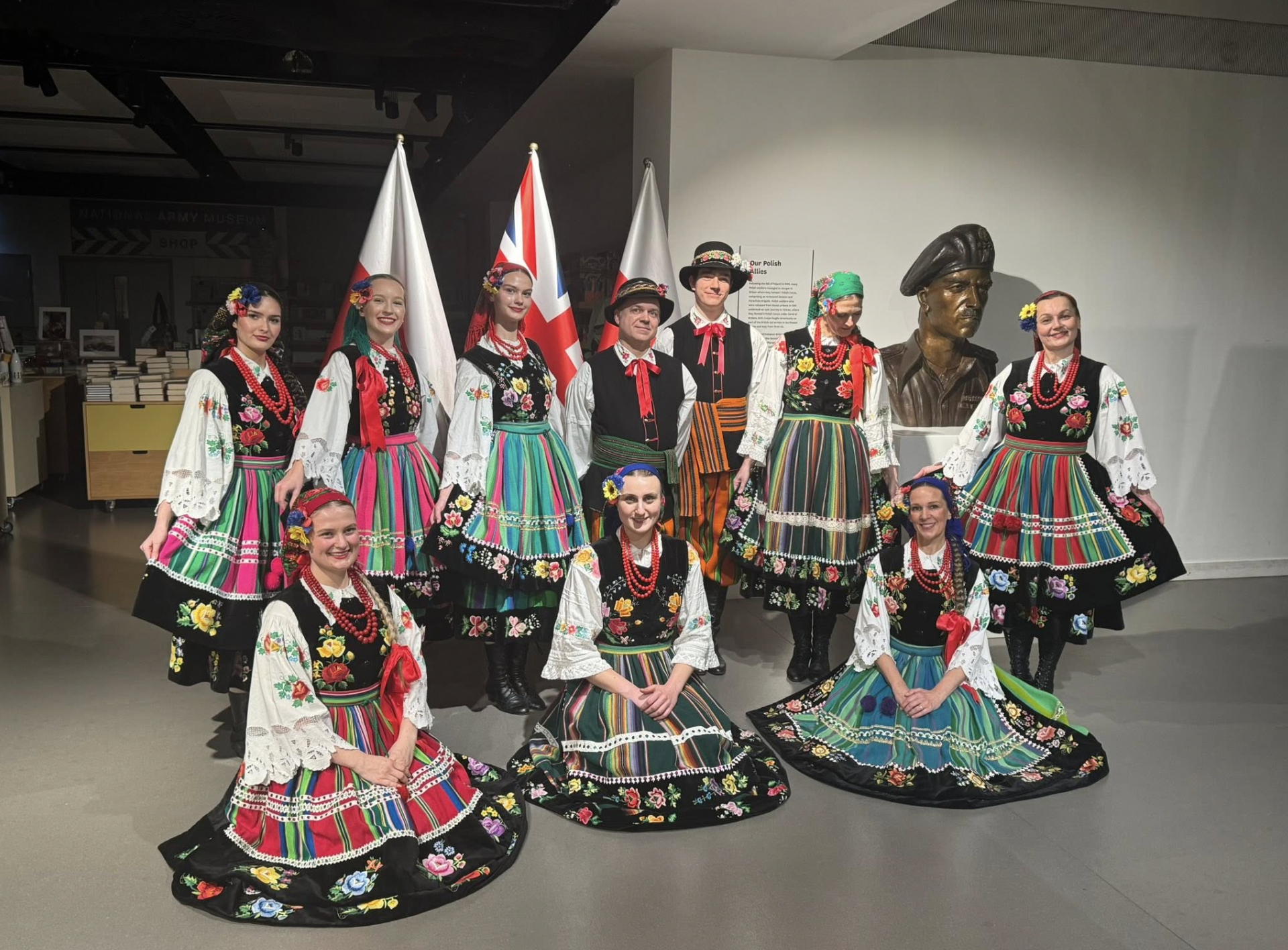
“I wish to persuade you, to ask you, and to appeal for unity among the Polish diaspora. Despite differences, despite natural divisions that exist in Poland and among Poles worldwide, I ask you to remember that today the President of the Republic is asking you to stand together. Only then can we do more for Poland, for the future of Polish–British relations, and have greater influence on present-day realities,” said the President.
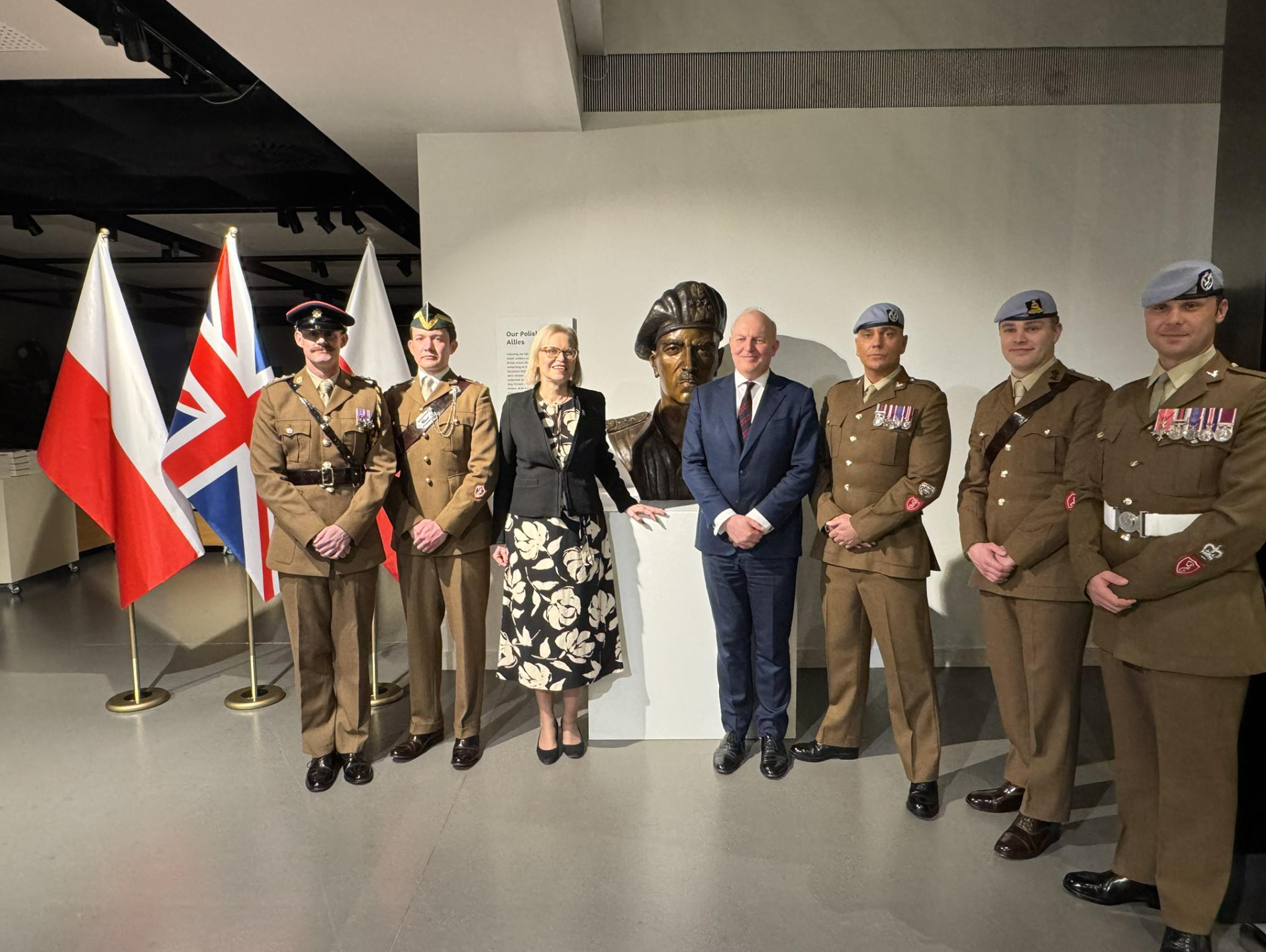
During the ceremony, the Knight’s Cross of the Order of Merit of the Republic of Poland was awarded to Bożena Hamilton for outstanding achievements in artistic work, for promoting Polish culture, and for her activities on behalf of Polish communities in the United Kingdom of Great Britain and Northern Ireland.
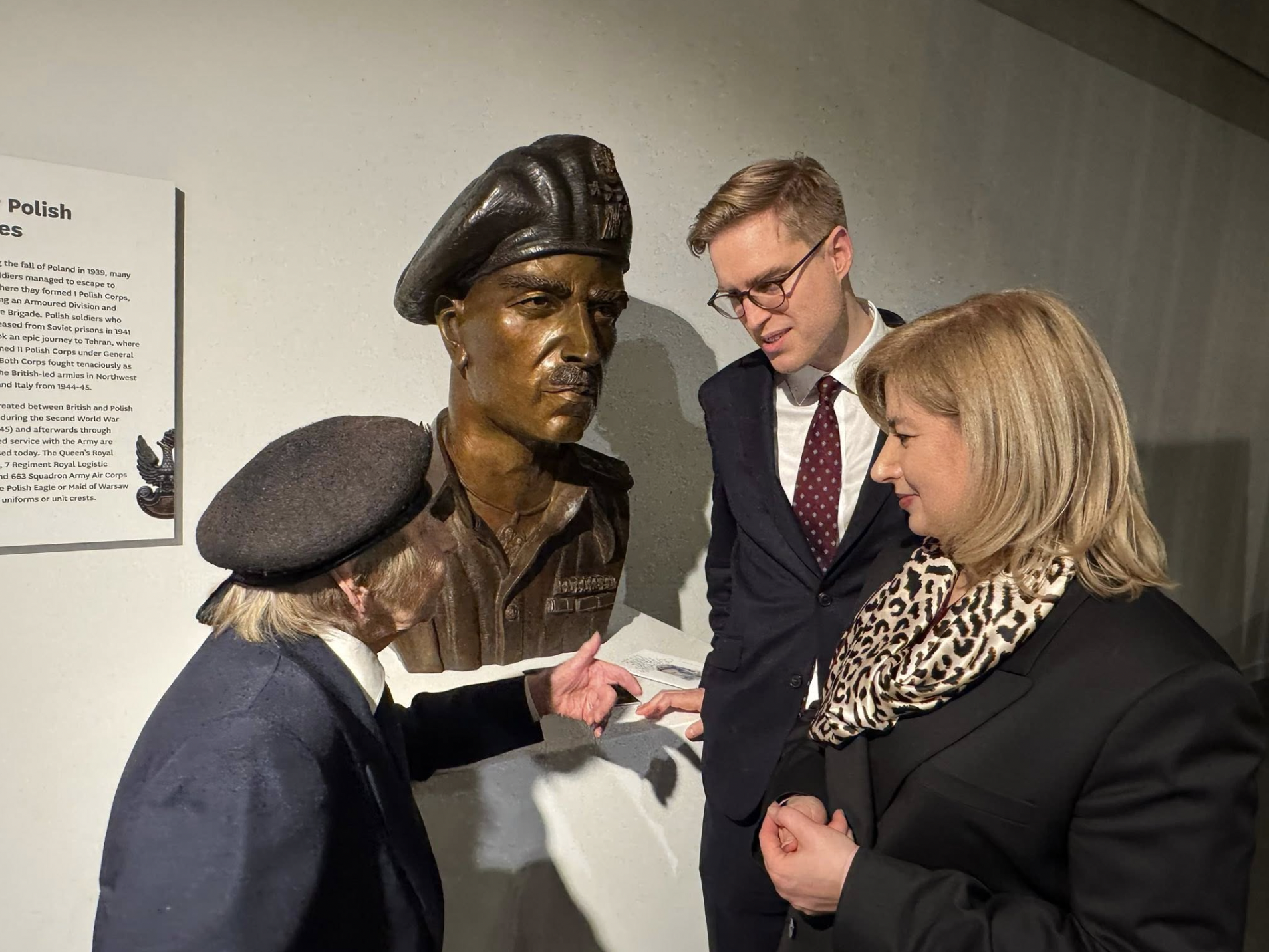
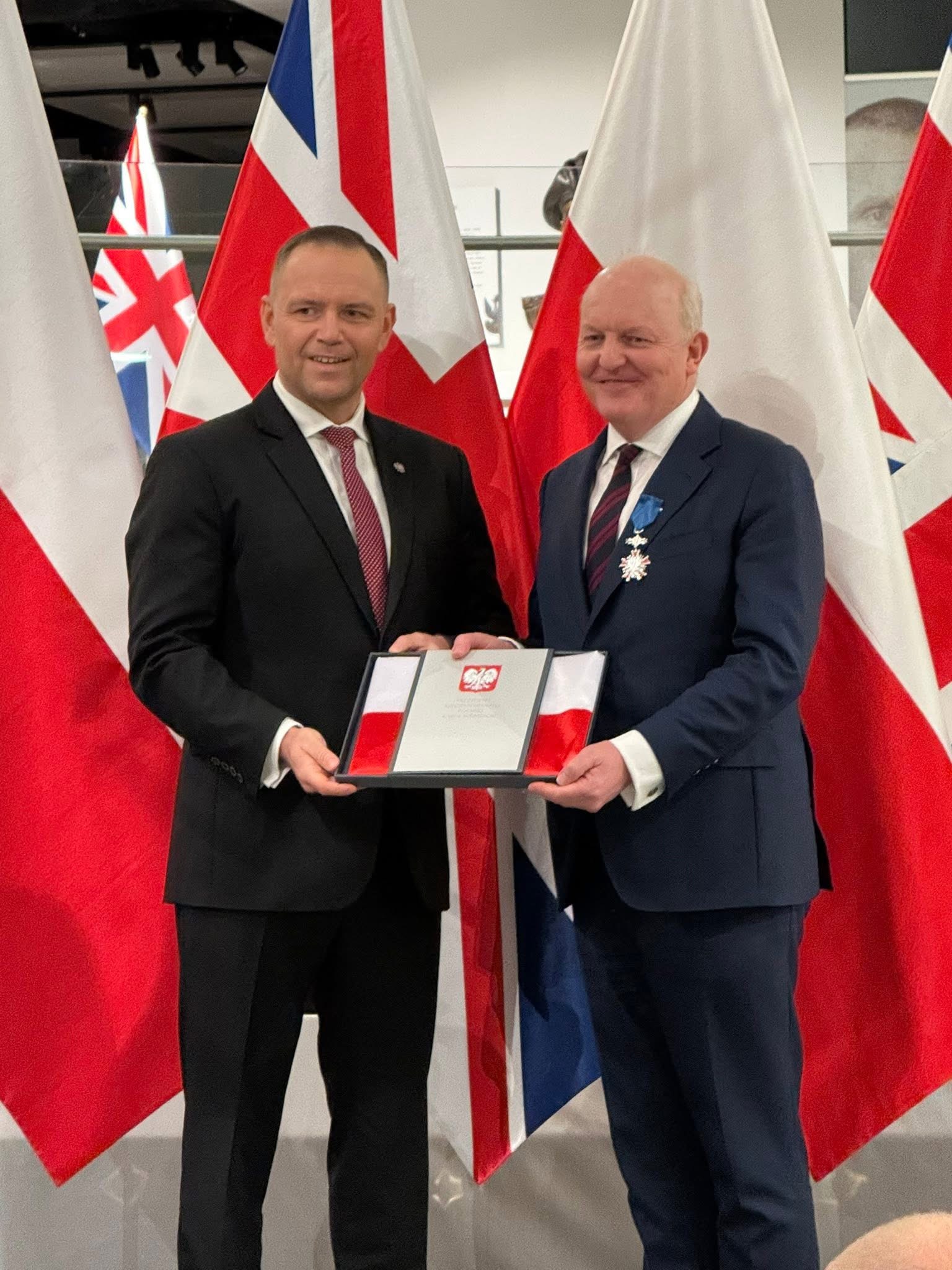
Justin Maciejewski received the same decoration for exceptional service to veterans’ communities, for assisting those in need, and for his work within the Polish diaspora, and to Sister Teresa Sabok for her merits in promoting Polish culture and for developing Polish education in the United Kingdom of Great Britain and Northern Ireland.
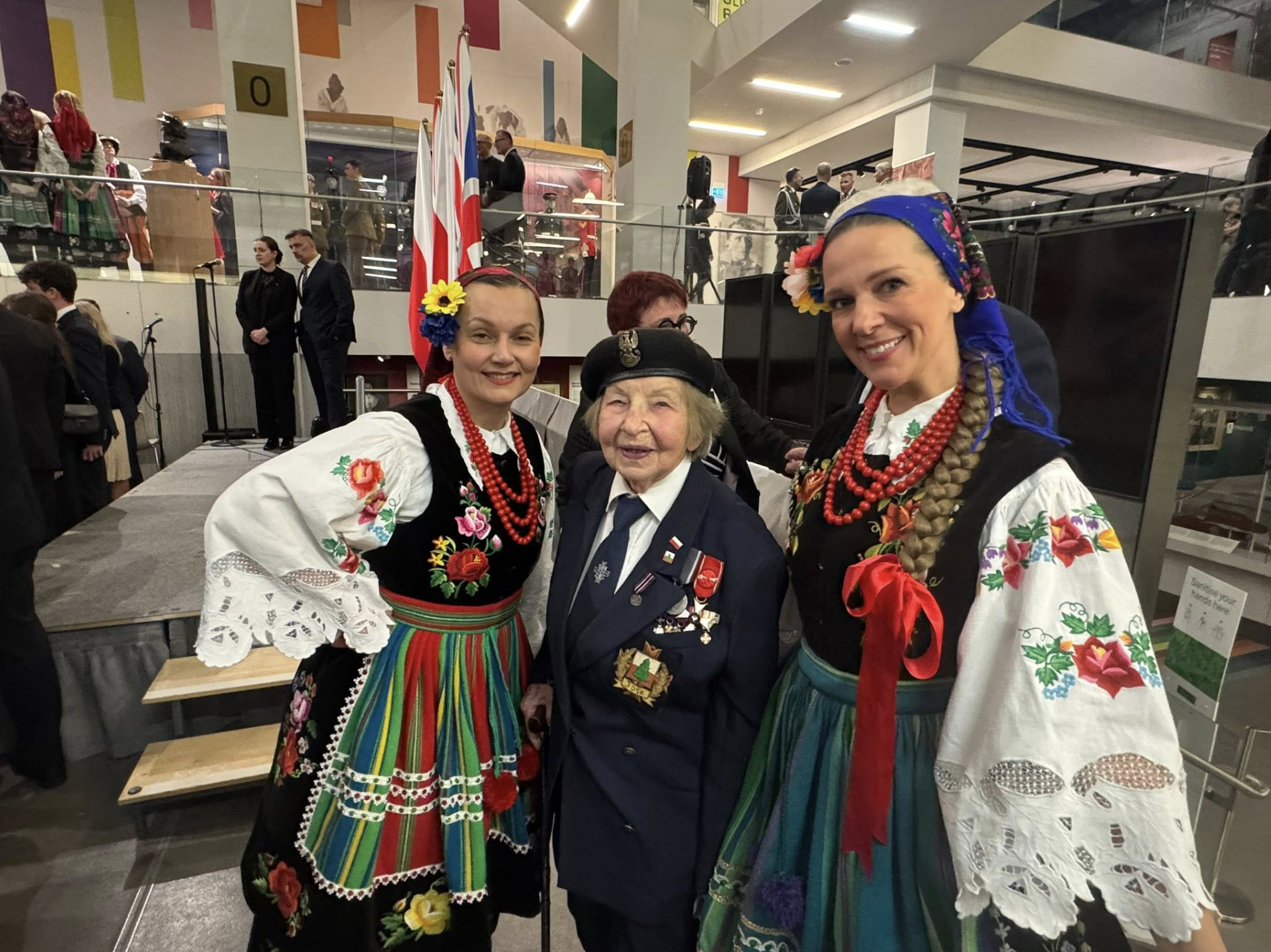
The Gold Cross of Merit was awarded to Elżbieta Barrass; the Silver Cross of Merit to Małgorzata Bugaj-Martynowska; and the Bronze Cross of Merit to Joanna Mechelewska. These honours were conferred for service to Polish communities in the United Kingdom of Great Britain and Northern Ireland, and for promoting Polish history, culture and national traditions.
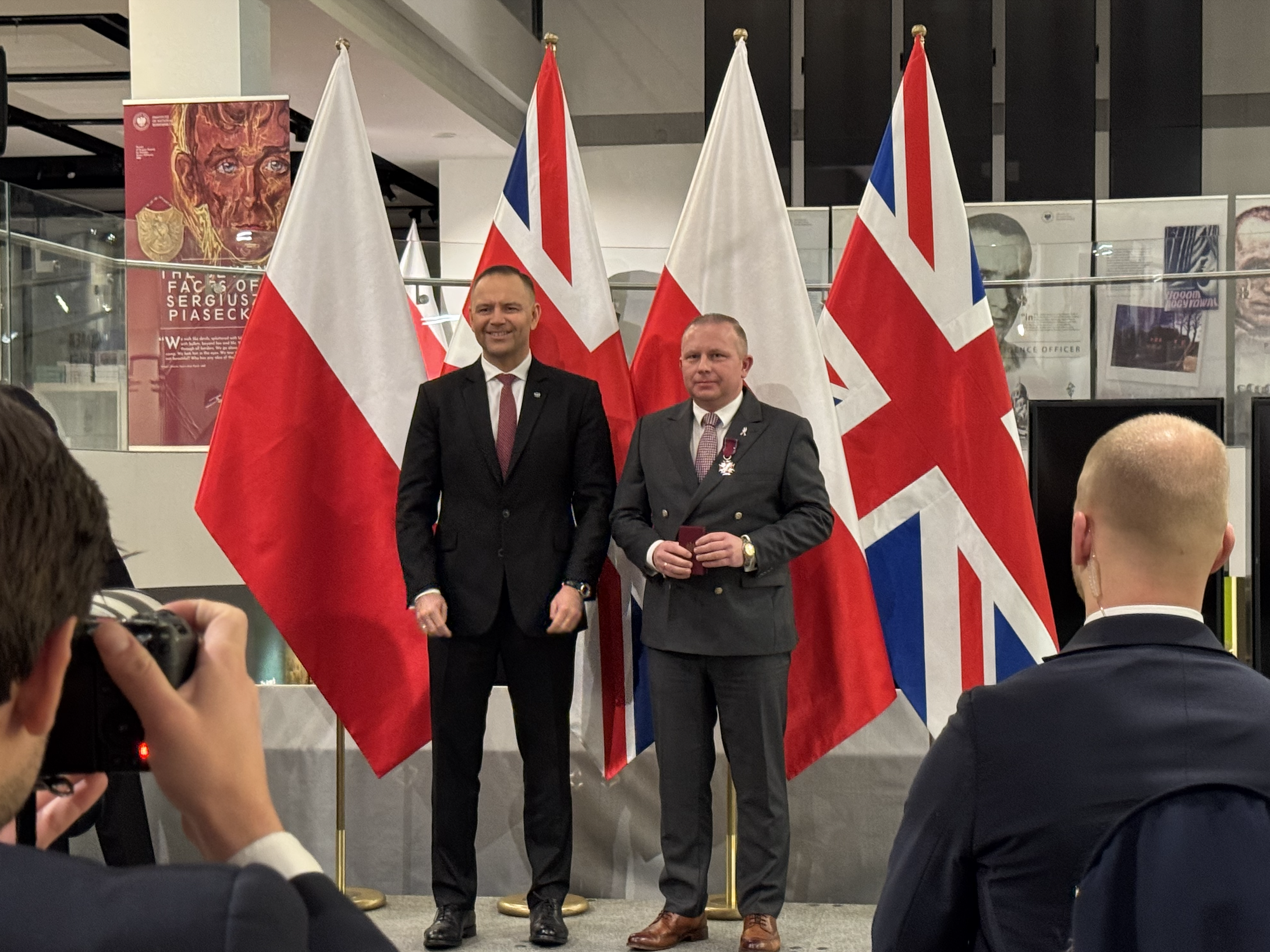
The Gold Cross of Merit was also awarded to Tomasz Muskus, Dobrosława Platt, and Bartosz Piasecki; the Silver Cross of Merit to Tomasz Wiśniewski; and the Bronze Cross of Merit to Iwona Golińska.
During the ceremony, the President also presented the Flag of the Republic of Poland to the Director of the National Army Museum, Justin Maciejewski.
Cover photo: Mikołaj Bujak, KPRP
Photos: British Poles
Tomasz Modrzejewski