
The United Kingdom is often seen as a safe and orderly society, yet beneath that image lies a complex geography of crime. The most dangerous places are not defined solely by violence, but by a combination of theft, anti-social behaviour, deprivation and opportunity.
Recent rankings consistently point to a pattern: crime clusters where density, inequality and mobility intersect.
Large cities such as Manchester, Birmingham and London repeatedly appear in crime statistics. This is not accidental.
High population density increases anonymity. Busy transport hubs and nightlife districts create ideal conditions for opportunistic offences such as pickpocketing and robbery. In areas like Westminster, for instance, the sheer number of visitors contributes to exceptionally high crime rates, especially theft-related incidents.
At the same time, cities often contain pockets of deprivation alongside wealth. This sharp contrast can intensify social tensions and contribute to higher levels of criminal activity.
Seaside towns such as Blackpool present a different but equally troubling picture.
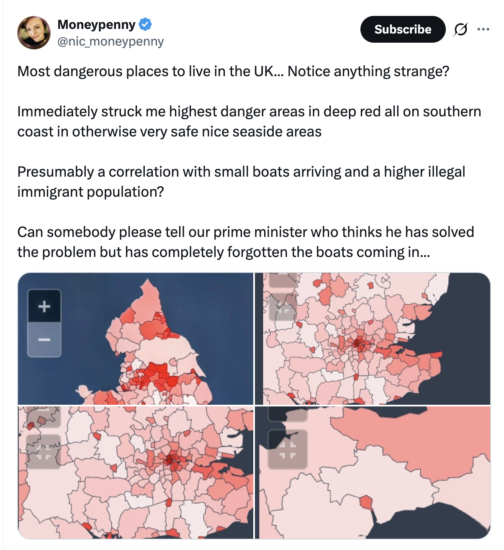
Tourism brings money but also instability. Seasonal employment, nightlife economies and transient populations can lead to increased rates of alcohol-related incidents, petty crime and disorder. In some cases, these towns also struggle with long-term economic decline outside the tourist season, which further exacerbates social problems.
Areas in the North East and North West, such as Middlesbrough and parts of Yorkshire, regularly feature among the least safe regions.
These areas have faced decades of industrial decline, leaving behind unemployment, lower incomes and reduced public investment. Crime in such places is often linked less to tourism and more to structural inequality and limited opportunities.
London stands apart. It is not uniformly dangerous, but certain boroughs experience extremely high crime levels.
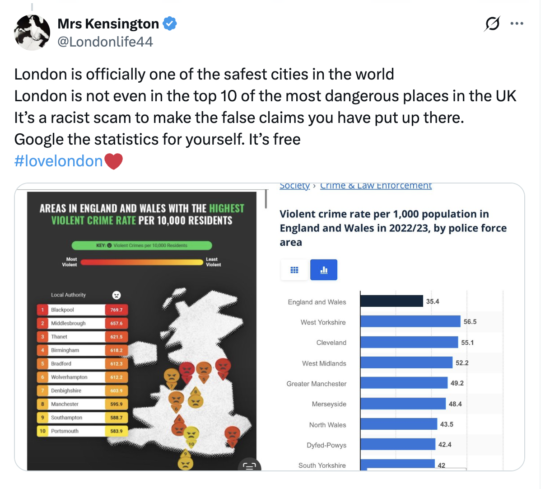
Districts like Islington or Camden combine wealth, nightlife and heavy foot traffic. This mix creates a unique environment where both organised and opportunistic crime can flourish. Even affluent areas are not immune; if anything, they can become prime targets.
Despite these rankings, the UK remains relatively safe by global standards. Crime is highly localised, and many of the areas listed are safe in everyday terms, especially outside specific hotspots or times.
Photo: x/mahalaxmiraman
Tomasz Modrzejewski